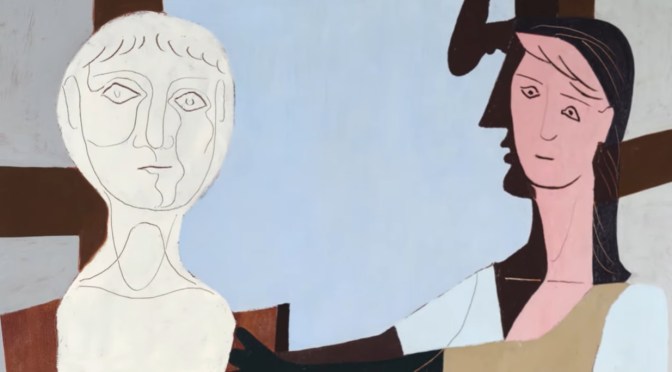
Sotheby’s (November 17, 2024):In late September of 1925, Pablo Picasso, his wife Olga and their young son Paolo returned to Paris from their annual summer holiday in the South of France.
The summers were beginning to blend together for Picasso, who was tiring of the swell set he and Olga socialized with. The home they returned to at 23 rue la Boetie was a changed one. After lengthy negotiations, Picasso had acquired an additional floor of the building to be used as his studio.
He set about immediately modifying the space: removing doors from their hinges, bringing in his copious art supplies (and a limited amount of furniture) and stripping back most of the existing wallpaper. After years of jostling with his elegant and socially aspirational wife for space in their apartment on the floor below he relished a place to colonize as his own.
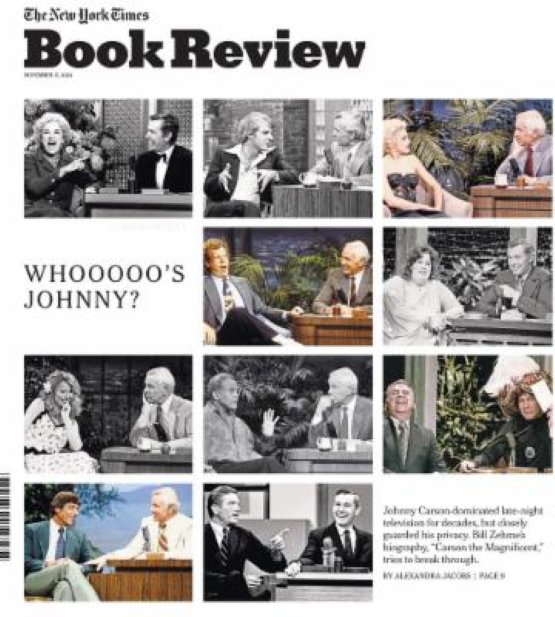
‘Carson the Magnific: Where’s Johnny? The Biography of a TV Host Whose Life Was a Closed Book.
Johnny Carson dominated late-night television for decades, but closely guarded his privacy. Bill Zehme’s biography, “Carson the Magnificent,” tries to break through.ent,’ by Bill Zehme
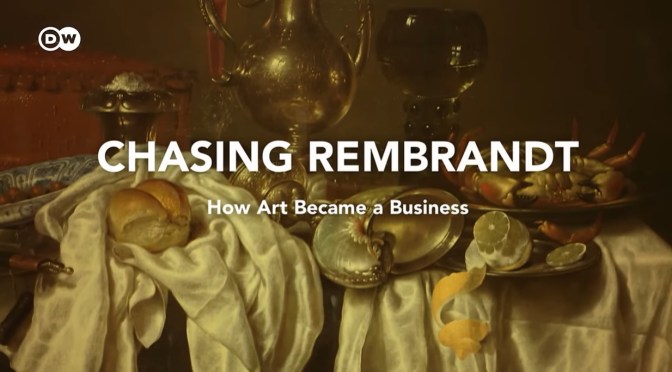
DW Documentary (November 15, 2024): The 17th century was the zenith of painting, in the Netherlands. In no other era were artists so productive. Never before had so many painters tried to make a living from their art. Demand was huge.
People from all walks of life began to enthusiastically collect paintings. New genres were born. And both the art market and the profession of art dealer emerged. Exceptional artists such as Rembrandt van Rijn, Jan Vermeer and Frans Hals created masterpieces that still inspire us today.
One reason for the cultural heyday and its glut of paintings was an enormous surplus of capital, generated by speculative money transactions and trade, which was also based on the exploitation of the colonies and the ideal conditions that shipping found in the Netherlands. The film traces a period in which art, too, became an economic factor. In a way, the 17th century can be seen as the origin of our current art system.
After all, this was when auction houses were first established, leading to emergence of professional art dealers and wealthy collectors. Art was democratized. This documentary film explores an era when business and art entered into a marriage for the first time. How did such an artistic flourishing come about? What art-historical innovations do we owe to this period? And what significance does it have for our view of art and our approach to art today?
The Week In Art Podcast (November 15, 2024):UK museums are at a moment of transformation with a new generation of directors taking the helm at several of the major national institutions in London. So for this landmark 300th episode, we felt it was a good moment to look at the challenges and opportunities for museums now and in the future.
We invited Gus Casely-Hayford of V&A East, Nicholas Cullinan of the British Museum and Karin Hindsbo of Tate Modern to join our host Ben Luke for a wide-ranging discussion.
‘Being the party of normality has its appeal, but it reinforces precisely the wrong instinct. The polycrisis that is unfolding demands not a return to the status quo but urgent, progressive answers both at home and abroad. To formulate and articulate those, the Democrats need politicians, not algorithms. They need personalities capable of responding to the profound questions facing contemporary America.’
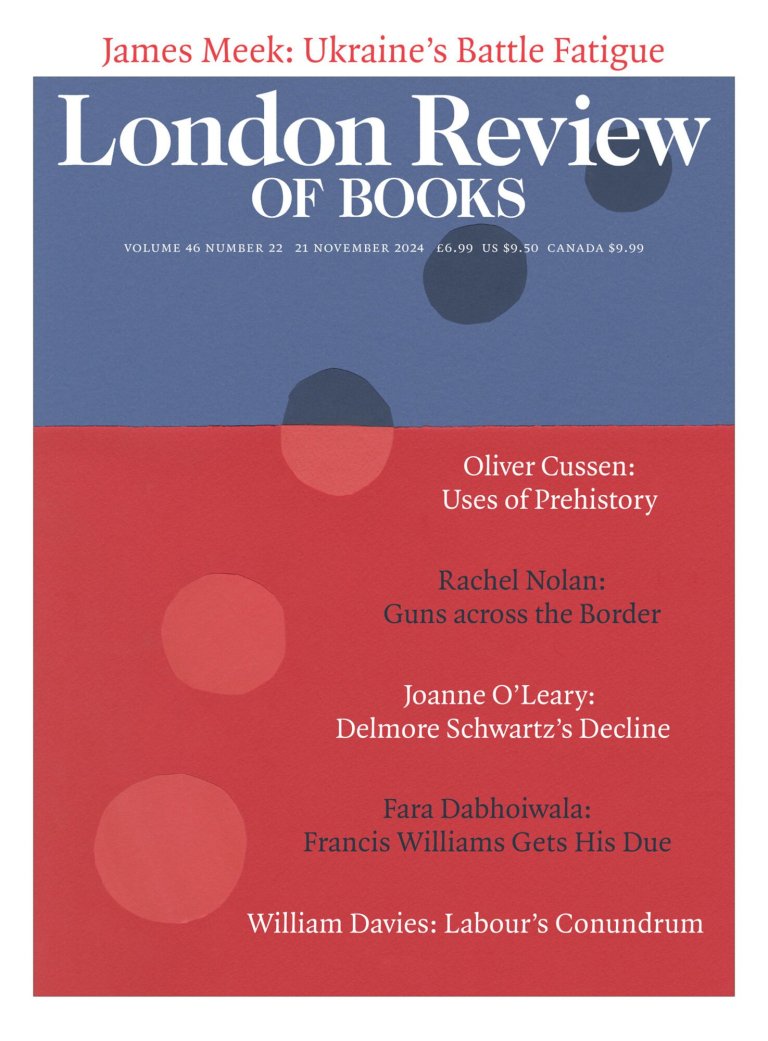
‘Would the army as a whole rise up against a government that made territorial concessions to Russia? Perhaps. But the more widely the recruiters spread their net, the more the army reflects a society that is starting to talk openly, if bitterly, about swapping land for peace.’
Exit Wounds: How America’s Guns Fuel Violence across the Border by Ieva Jusionyte
Soldiers and Kings: Survival and Hope in the World of Human Smuggling by Jason de León
In his latest book, the Rolling Stone writer David Browne tracks three decades of folk, blues, rock and jazz below 14th Street.
In Tumultuous Times, Readers Turn to ‘Healing Fiction’
Cozy, whimsical novels — often featuring magical cats — that have long been popular in Japan and Korea are taking off globally. Fans say they offer comfort during a chaotic time.
News, Views and Reviews For The Intellectually Curious






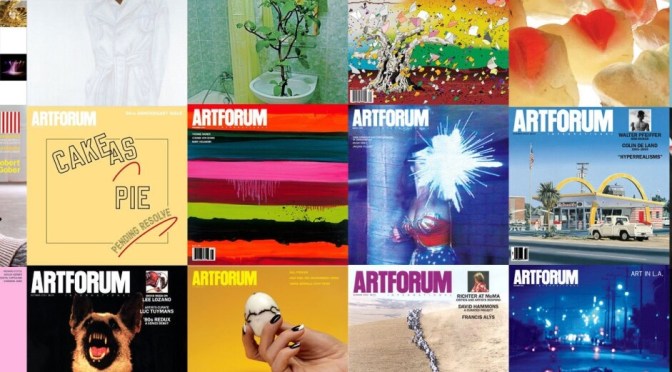
 Artforum Magazine