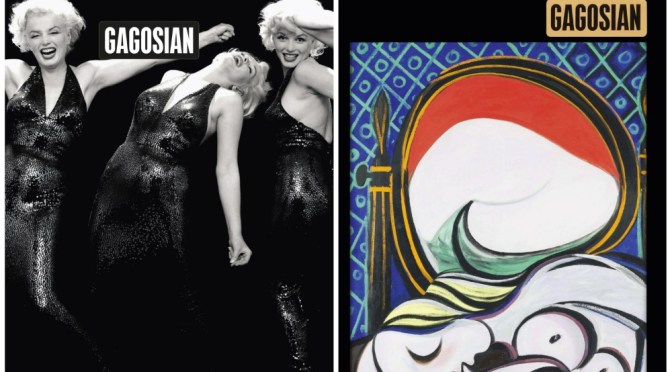
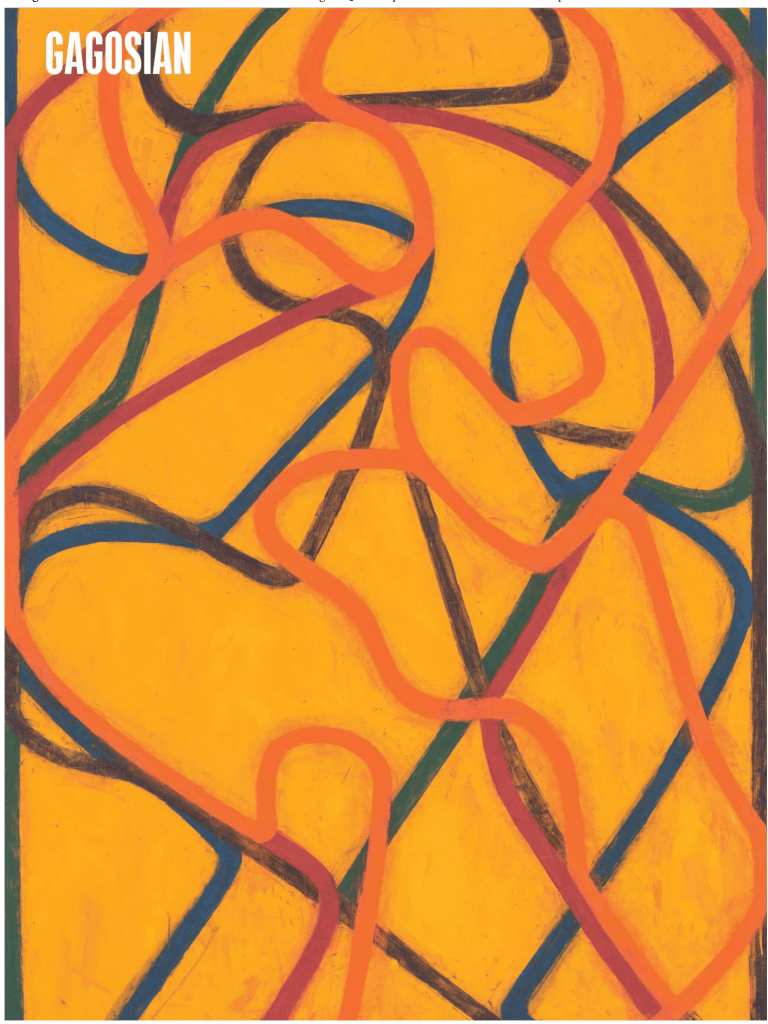
On the occasion of the publication of Brice Marden: Catalogue Raisonné of Paintings, 1961–2023 this fall and of a corresponding exhibition of the artist’s work at Gagosian, New York, we invited Glenn Lowry, a friend of the artist’s and former director of the Museum of Modern Art, to reflect on moments spent with Marden and on the enduring power of his art.
AMA Venezia
Celebrating the collector Laurent Asscher’s new art space in Venice, William Middleton underscores the richness of Asscher’s relationships with artists.
The Generative Surface
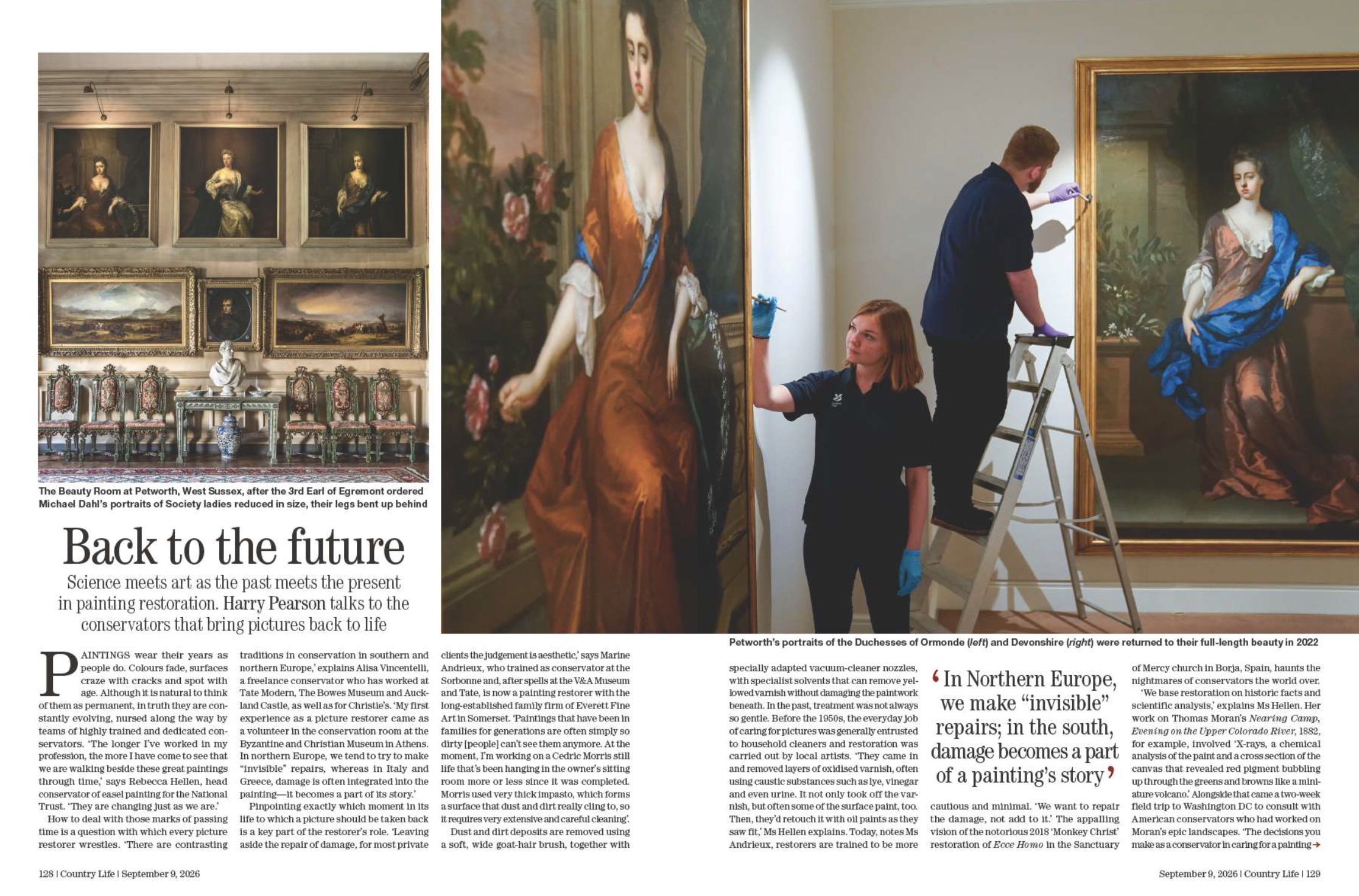
Eileen Costello explores the oft-overlooked importance of paper choice to the mediums of drawing and printmaking, from the Renaissance through the present day.
Venture capital funding for consumer tech has stalled as funds shift to artificial intelligence. That makes the story of Nothing, a start-up maker of phones and audio gear, all the more surprising.
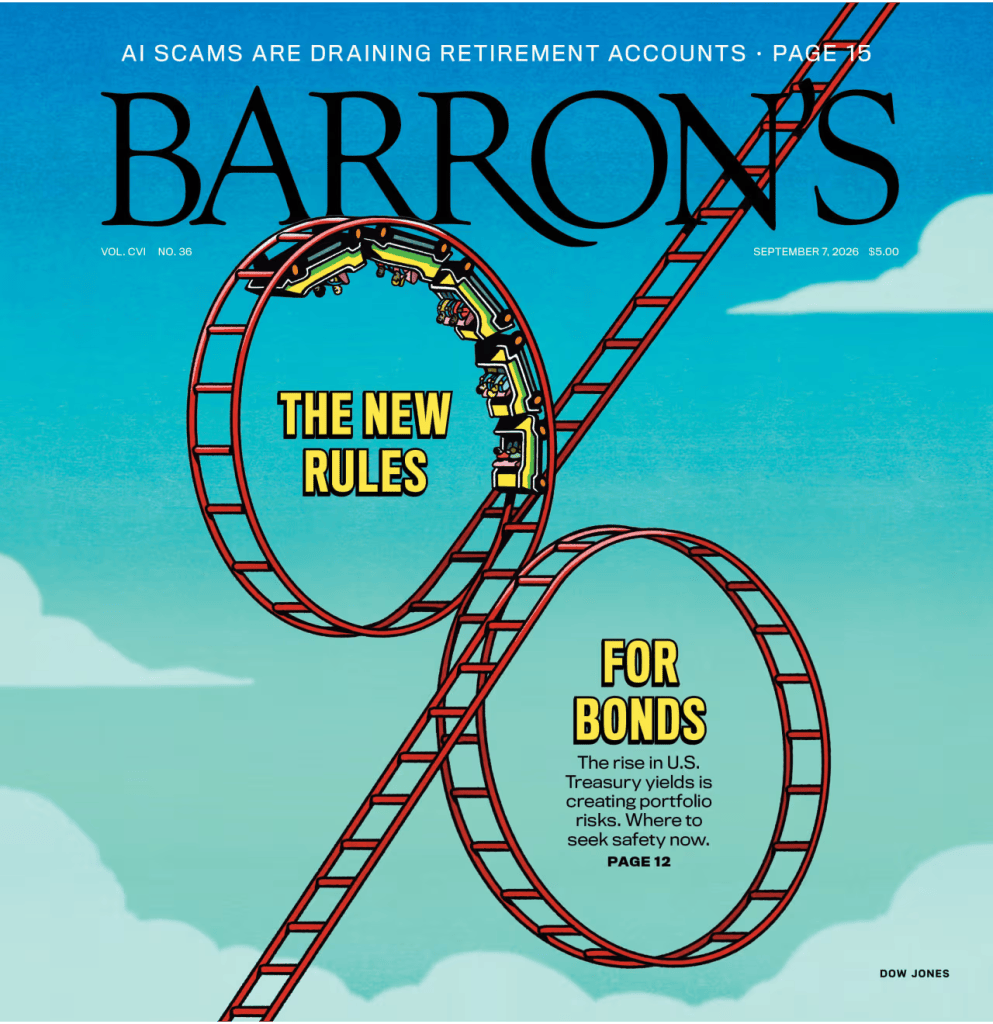
Artificial intelligence is making it easier to be an online swindler. Everyone is at risk, particularly the elderly.
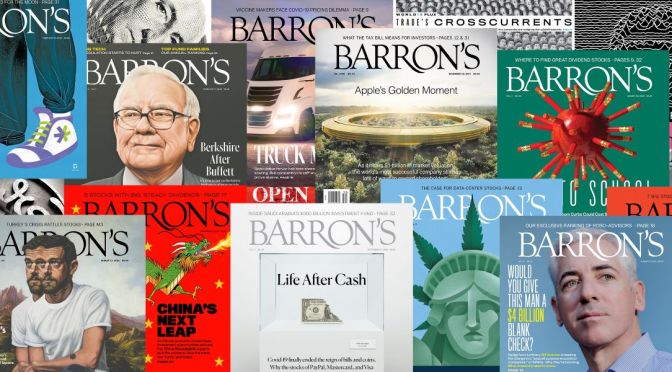
A Fed Rate Hike Depends on Hot Inflation. Don’t Count on Either.
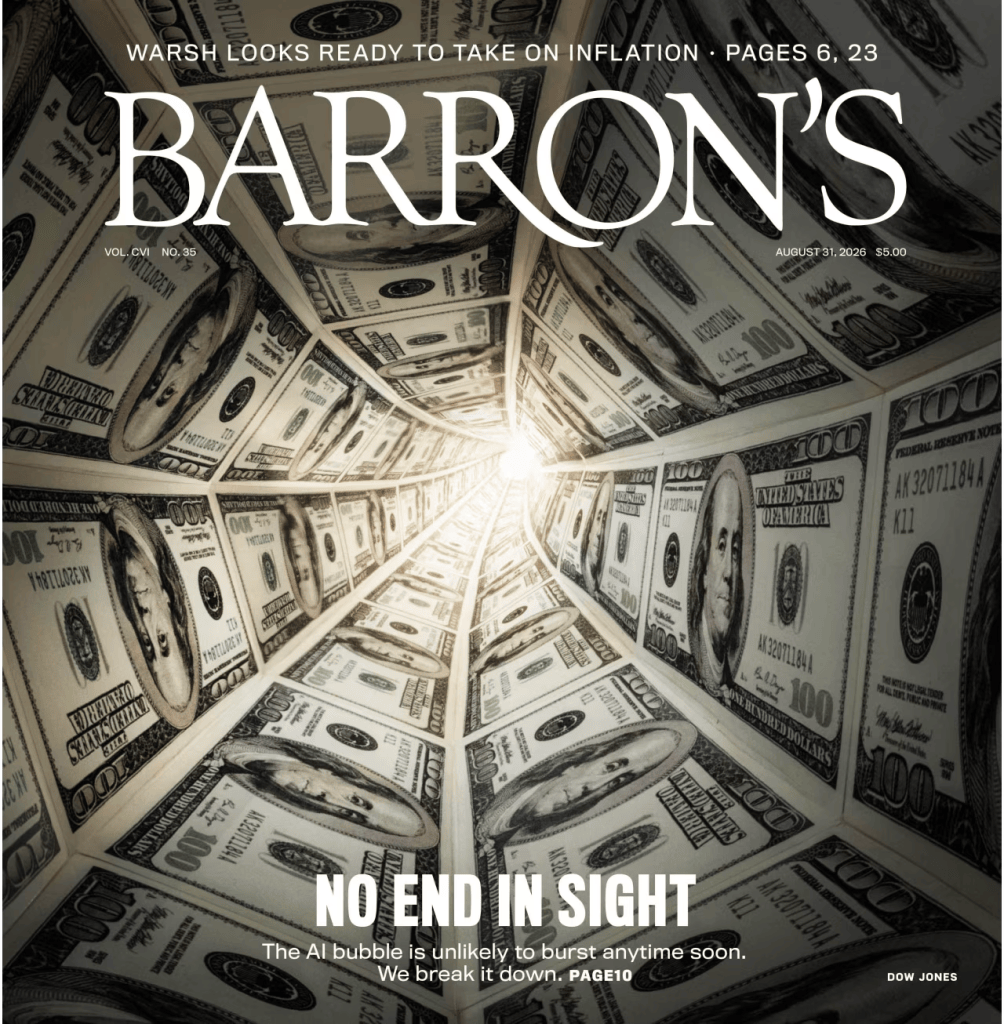
Many economists and investors expect the Federal Reserve to raise interest rates by a quarter of a percentage point at its Sept. 16-17 policy meeting. But this coming week’s inflation data may prove cool enough to keep officials on the sidelines—and the federal-funds rate in a target range of 3.50% to 3.75%.
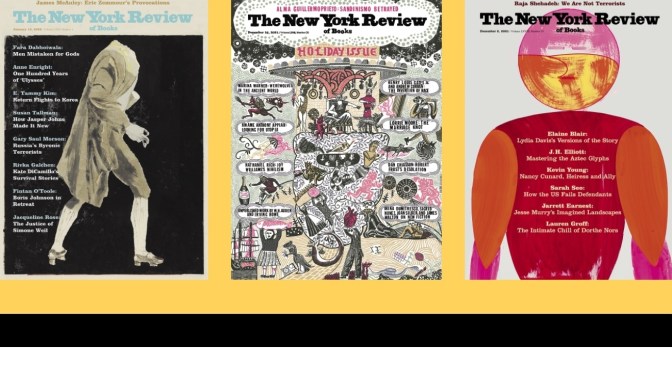
As AI erodes our attention spans and expressiveness, philosophers like Simone Weil and Arthur Schopenhauer offer profound insights on what it means to be an individual.
In The Diversity of Morals, Steven Lukes attempts to reconcile philosophical arguments that there is one morality despite cultural differences with empirical studies that suggest it’s all relative.
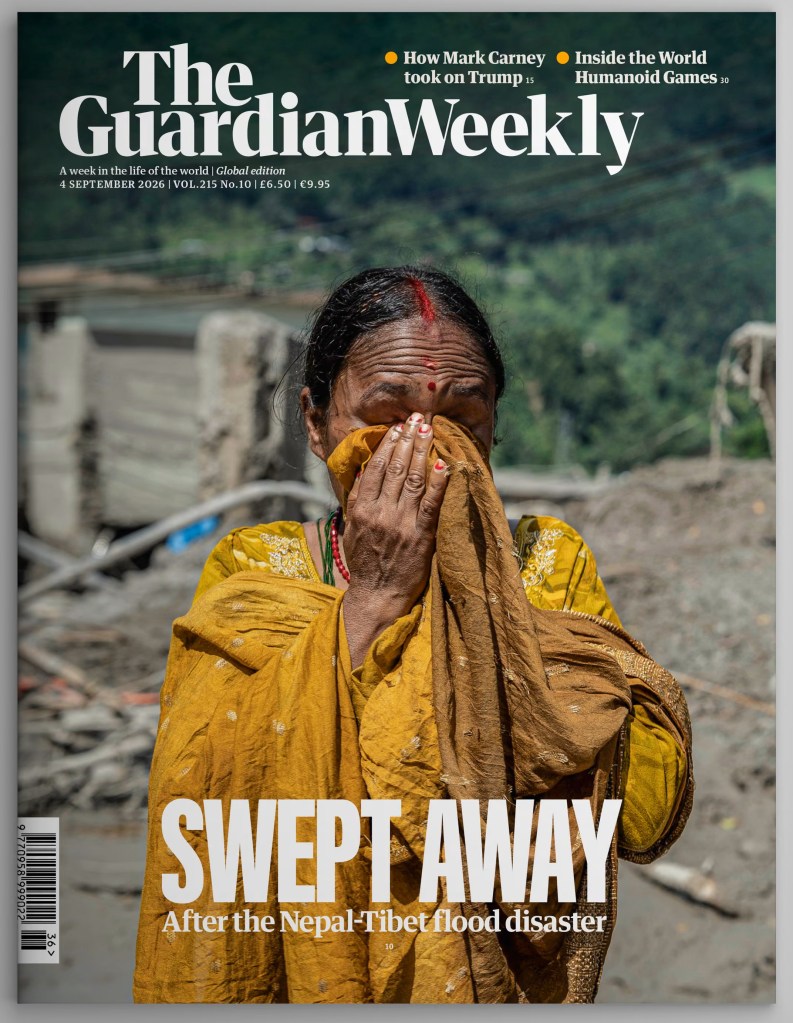
Over the last week, the world has watched with horror the scenes from the Tibet-Nepal border where a devastating torrent of mud, water and ice tore along the Bhotekoshi River, destroying entire communities and leaving more than 1,000 people dead and several thousand more missing.
From the Nepali town of Devighat, our south Asia correspondent Hannah Ellis-Petersen describes a nightmarish scene of overflowing mortuaries and unidentifiable bodies, as shellshocked survivors of the flood slowly return to the ruins of their homes.
The disaster happened after the collapse of a glacier – and while global heating has not been definitively attributed as the cause, it is undeniable that steep mountain slopes and valleys are especially vulnerable to flooding and landslides, while extreme weather events such as monsoons and melting glaciers have become more common because of warming due to human-caused climate breakdown, as our global environment writer Jonathan Watts explains.
Then columnist Nesrine Malik paints a wider picture and argues that while for many people these floods may feel as though they have happened a world away, the climate crisis is coming for us all, one way or another.
Spotlight | Mark Carney shows combative nature in face-off with Trump The Canadian PM is one of the few world leaders to stand up to the US president. Former colleagues say they are not surprised. Leyland Cecco, Heather StewartandKalyeena Makortoff report
Science | The robots are coming! …Or are they? As entrants at the World Humanoid Games lurched from triumph to farce, Robert Booth finds that a robotics revolution may not be as close as it first appears
Interview | Gordon Brown on Burnham, billionaires – and a better Britain The former UK prime minister is still shaping politics (even if he doesn’t want to interfere). He tells Charlotte Edwardes about keeping his temper, staying fit – and why he won’t splash out for a Scotland football shirt
Opinion | The tech titans must be stripped of their power, and soon Those who said Meta harms children struck a blow, but the ability of big tech to gouge profits and cause harm is barely diminished. That’s the battle to come, argues Jonathan Freedland
Culture | Dolly Parton’s peerless career turned country music cliches inside out Beneath the wig and rhinestones, the late US country singer was the genius behind strings of classic songs that continue to inspire new artists, says Alexis Petridis
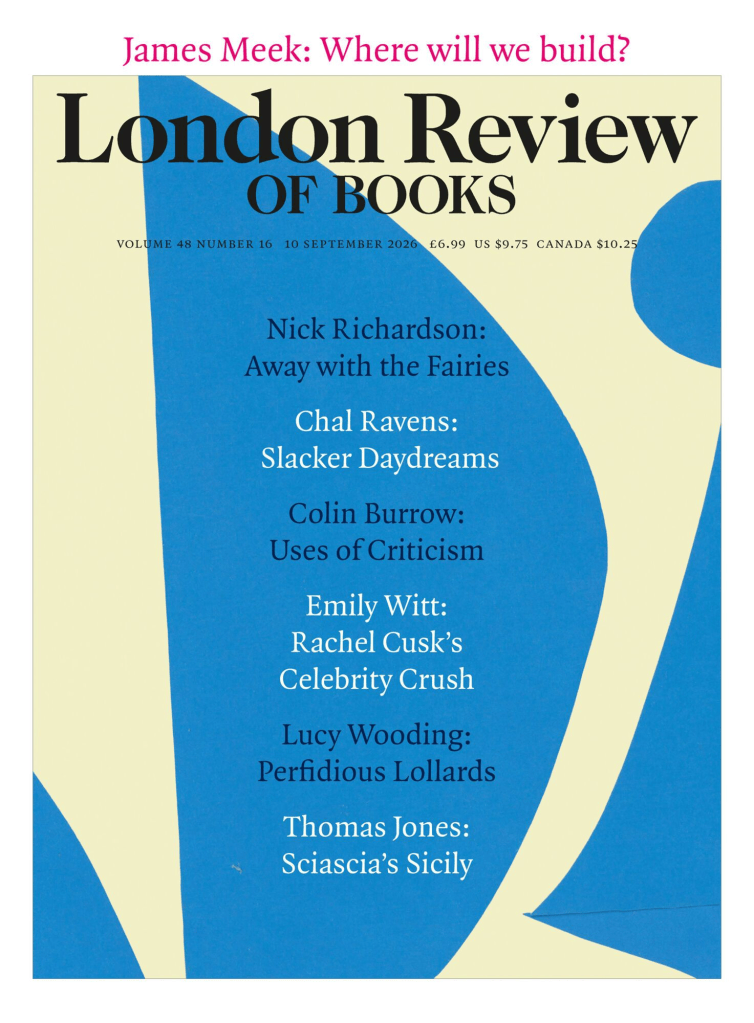
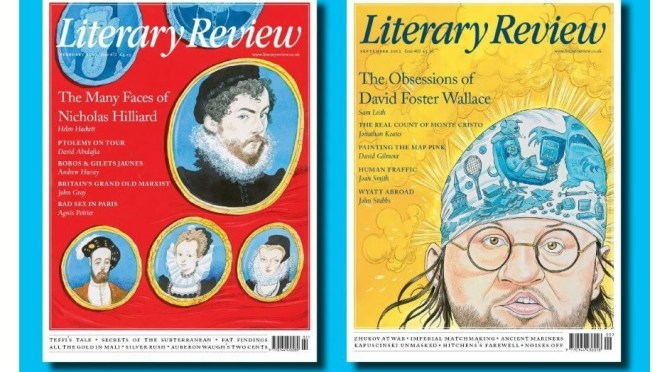
What’s the point of literary criticism? In June the University of Exeter announced plans that might make roughly a third of its English department – one of the best in the country – redundant. Other institutions, including Canterbury Christ Church University, have stopped offering English degrees altogether. Most mainstream publishers now wouldn’t dream of publishing a work of literary criticism, as they happily did in the 1970s and 1980s. Even literary biography, literary criticism’s previously marketable stepsister, no longer brings a gleam to a publisher’s eye. The grassroots of the subject are also suffering badly. Since 2000 the number of people taking A-level English literature in England has dropped by around a third, to around 36,000, with an even higher drop among male students.
A Sicilian Man: Leonardo Sciascia, the Rise of the Mafia and the Struggle for Italy’s Soul by Caroline Moorehead
The Beast in the Clouds: The Roosevelt Brothers’ Deadly Quest to Find the Mythic Giant Panda by Nathalia Holt
The Twitnam Summer: Friendship, Satire and the Writing of ‘Gulliver’s Travels’ by Hester Grant
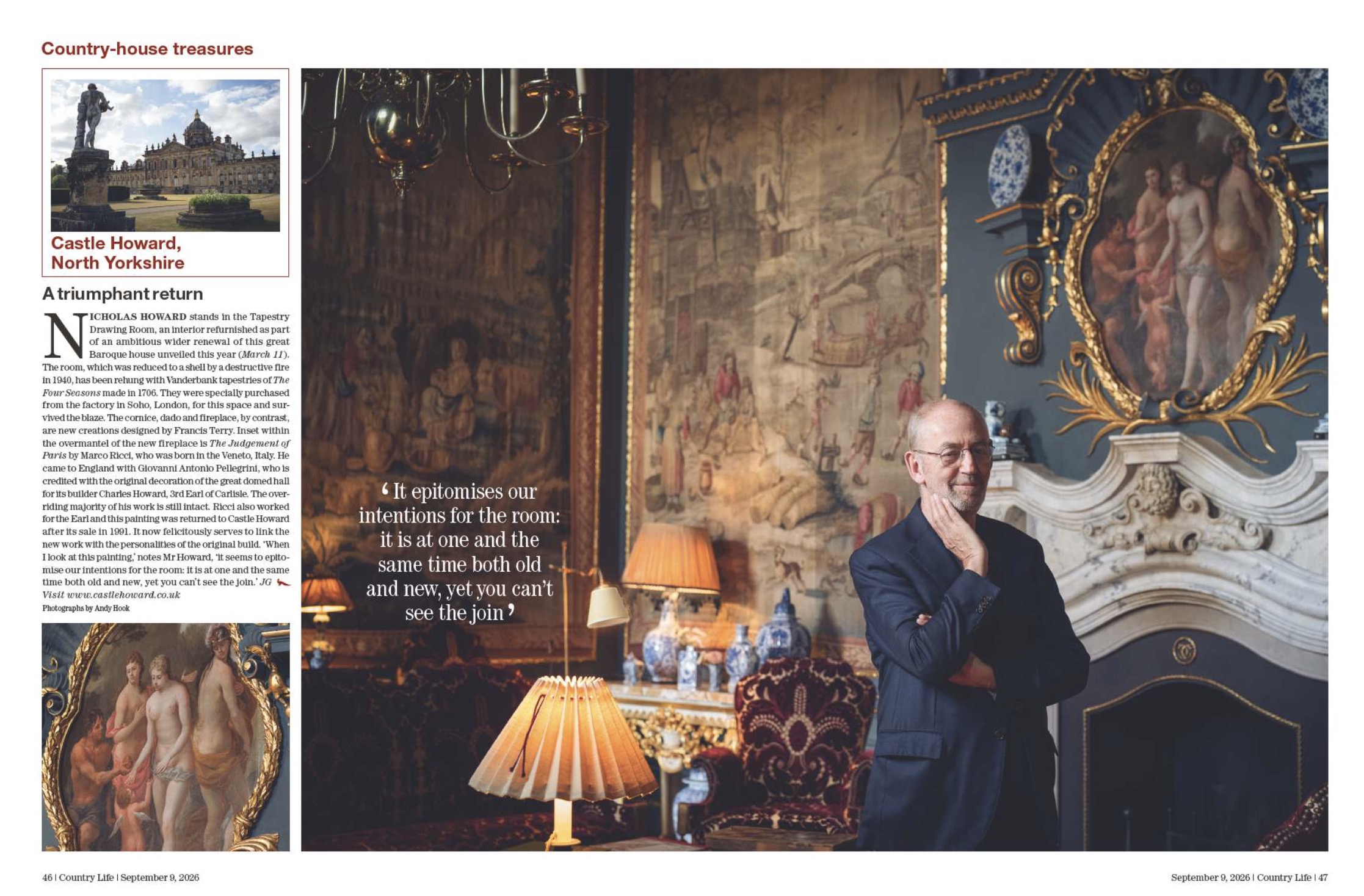
Will Hosie asks what makes a pub a pub and eyes properties with a pop of colour, plus our writers have all you need to know this month and Gio Fio marvels at the reinvention of the north bank of the Thames
Out on the prairie
American plants may be the answer to our warming climate, reports Charles Quest-Ritson
Travel
Pamela Goodman roots around in the Nadder Valley in Wiltshire
It’s getting on for twenty-four years ago that I first read Patricia Highsmith’s The Talented Mr Ripley (1955). Books tend to come to us when we need them, and it’s easy to see why Tom Ripley’s project of self-reinvention and triumphant class resentment was so appealing to me as a twenty-year-old undergraduate.
The Sea-King and the Sorceress: Life and Death in the Viking Age By Neil Price
Few groups in history have been so variously defined, quarrelled over, misrepresented and appropriated as the Vikings. Their identity elusive, they have been passed around like historiographical tokens to the detriment of a deeper understanding of their cultural and political milieu. Neil Price’s The Sea-King and the Sorceress sidesteps these often sterile debates by examining the lives – and deaths – of more than twenty figures from the Viking Age and using them to shed light on wider themes, a bottom-up approach which is both logical and engaging.
The Cauldron: The Making of the Modern Middle East By Simon Sebag Montefiore
A highly readable gallop through one of the world’s most complex political environments, The Cauldron is brilliant on narrative, weaker on analysis. Simon Sebag Montefiore has set himself a formidable task: to compress the modern history of a region extending from Morocco to Iran, and from the fall of the Ottoman Empire to the wars of 2026, into a single volume. The result is an exuberant pageant of sultans, shahs, kings, colonels, spies, revolutionaries and assassins. Few historians could move so confidently from the salons of Cairo to the palaces of Riyadh, from Atatürk’s Ankara to Khomeini’s Najaf, while keeping so many figures vividly in play.
All the Wrong Moves: How Three Catastrophic Decisions and Years of Sh*tshow Politics Led to Trump – and How We Find a Way Out By Anthony Scaramucci
When Donald Trump fired him after just eleven days as his director of communications, Anthony Scaramucci thought his career was over. He had become such an object of ridicule that a crisis PR adviser suggested he lie low for a few years before attempting to start again. Instead, the self-styled ‘front stabber’ from New York – who had naively assumed that a successful Wall Street career could equip him for the toxic political swamp of Washington, DC – launched himself into a round of media interviews, choosing to roll with the punches.
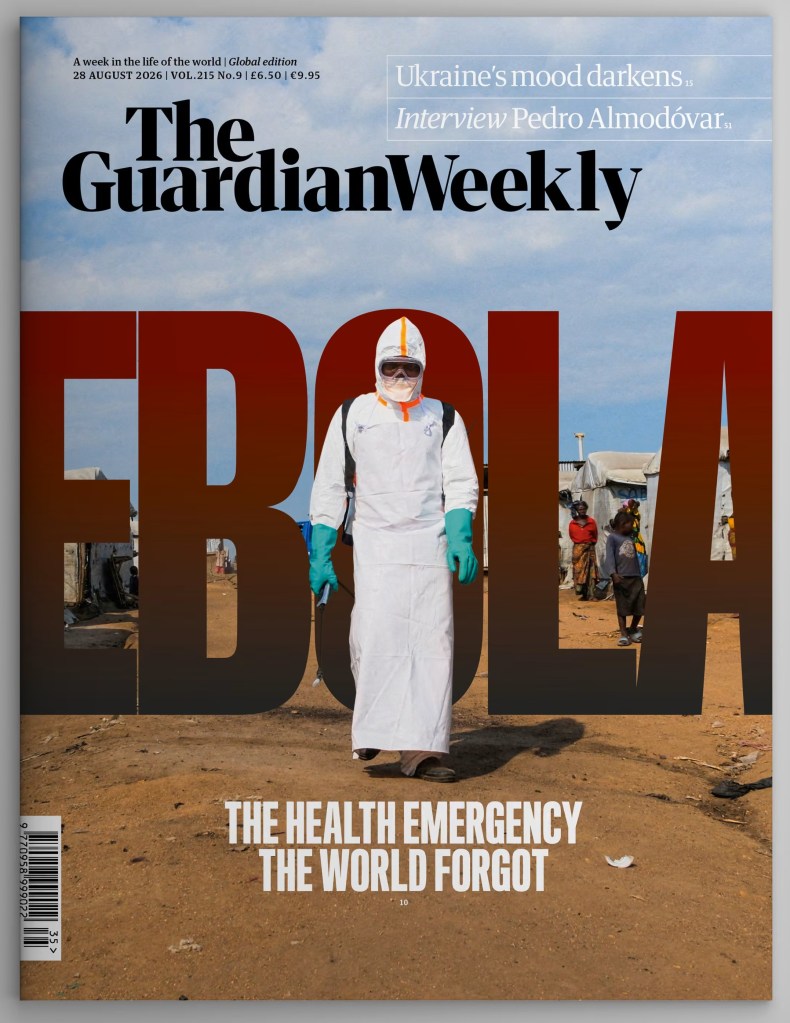
The Democratic Republic of the Congo has just passed the grim milestone of 100 days since it declared its 17th Ebola outbreak.
What is the fastest-growing Ebola outbreak on record could also become the world’s deadliest ever.
For our big story this week, Prosper Heri Ngorora and Rachel Savage report on the frontline health workers who say, as the disease spreads “exponentially”, they have been left unpaid and at risk of infection.
Explaining the figures behind the outbreak, and the race to find vaccines and treatments, global health correspondent Kat Lay answers five key questions.
And Jean Kaseya, director general of the Africa Centres for Disease Control and Prevention, and Tedros Adhanom Ghebreyesus, director general of the World Health Organization, write that tapping into community leadership and knowledge is essential to halting the virus’s spread.
Spotlight | ‘We will go on – but it will be more scary’ Dan Sabbagh reports from Kyiv where, as Russian missiles rain down, casualties are mounting and the mood is darkening
Environment | Killed by kindness Scientists were surprised to find all but two of 12 grizzlies died within a year of their “feelgood” release, unable to sustain their high-calorie diet and inclined to approach humans, writes Rebecca Ratcliffe
Feature | A family at war Meaghan Beatley tells the remarkable story of a young Argentinian activist who thought her father’s disapproval of her leftwing views was purely political. But one evening, a kiss goodbye sent her on a remarkable journey that continues today
Opinion | Marine Le Pen’s career resurrection No longer banned from next year’s presidential election, the far-right veteran is a bigger threat than ever, says Mujtaba Rahman
Culture | Playing the bad guy As his new film Bitter Christmas is released, legendary Spanish director Pedro Almodóvar talks to Ryan Gilbeyabout Donald Trump, Netflix – and being the villain in his own movie
News, Views and Reviews For The Intellectually Curious








 Intellicurious
