

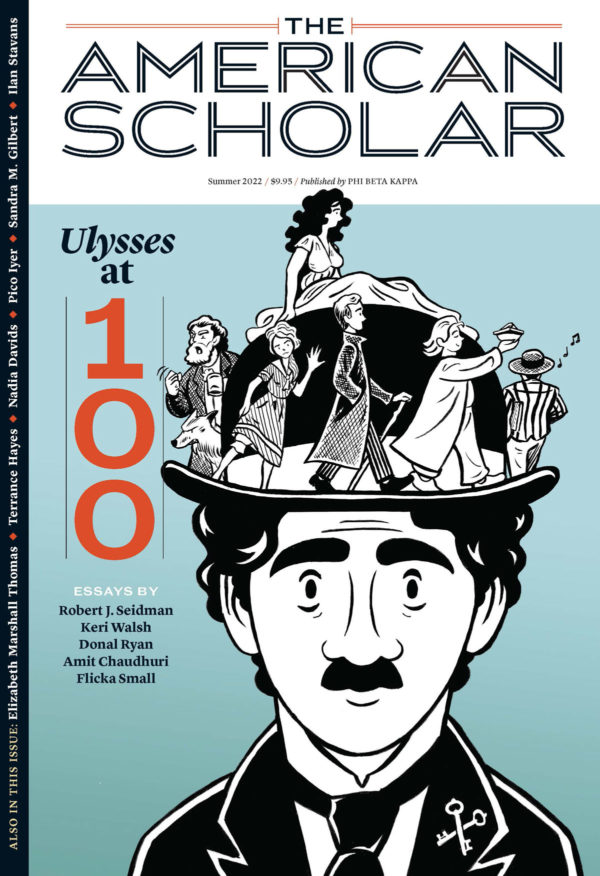
Is there a novel more revered—and more famously unread—than James Joyce’s Ulysses? Despite its complexities, this love letter to Dublin, published a century ago, is a very readable chronicle of everyday life and everyday struggles. It’s a book about marriage, sex, religion, food, art, loneliness, companionship, and so much else. It’s a book, that is, about life. We hope that the following essays will send you on a quest to discover, or rediscover, this most staggering of epics.
The divine, stark photographs of Robert Adams
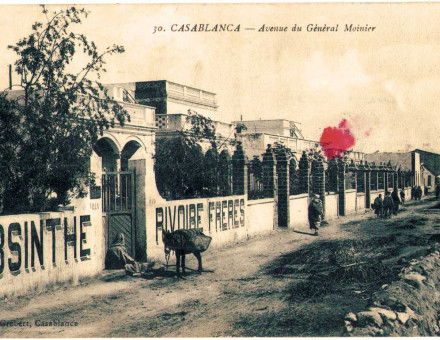
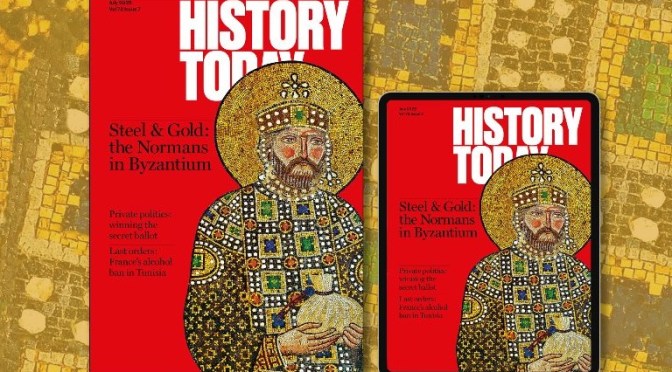
Alcohol was part of daily life in the colonial Maghreb. In 1913 the French banned alcohol in Tunisia, revealing a deep distrust of local drinks and their Jewish and Muslim makers.
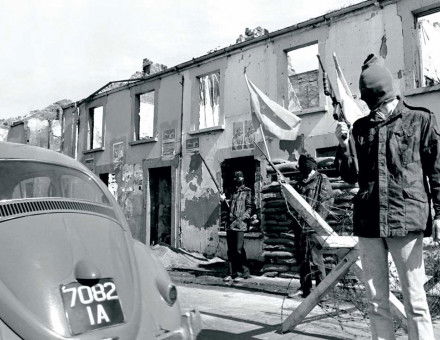
During the worst year of the Troubles, the British government became alarmed at the implications of a Soviet embassy opening in Dublin.

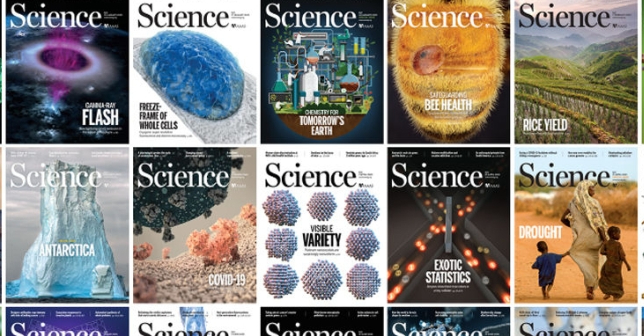
COVER: Humanity’s actions have committed us to a warming climate and limited our options for mitigation. Although there is no turning back, some paths are still open to avoid catastrophic climate change and reduce its impacts. We must act now to drastically reduce greenhouse gas emissions and change our approaches to growing food, consuming products, and managing ecosystems to avoid a dire future. See page 1392.
Illustration: Myriam Wares
CAROLINE ASH
JAMES MORTON TURNER
Even as they firefight, governments must resolve the conflict between safe supply and a safe climate.
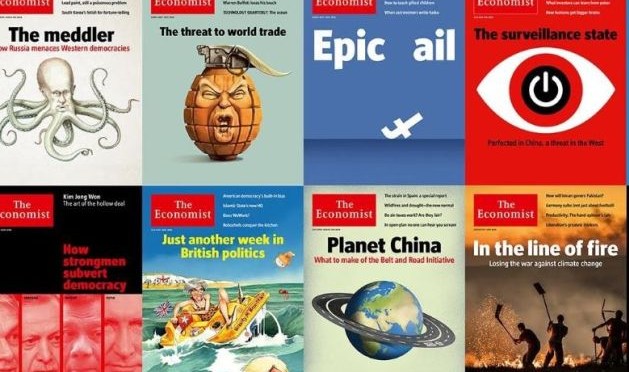
This year’s energy shock is the most serious since the Middle Eastern oil crises of 1973 and 1979. Like those calamities, it promises to inflict short-term pain and in the longer term to transform the energy industry. The pain is all but guaranteed: owing to high fuel and power prices, most countries are facing soggy growth, inflation, squeezed living standards and a savage political backlash. But the long-run consequences are far from preordained. If governments respond ineptly, they could trigger a relapse towards fossil fuels that makes it even harder to stabilise the climate. Instead they must follow a perilous path that combines security of energy supply with climate security.
What comes after the American Century?
In February 1941, as Adolf Hitler’s armies prepared to invade the Soviet Union, the Republican oligarch and publisher Henry Luce laid out a vision for global domination in an article titled the american century. World War II, he argued, was the result of the United States’ immature refusal to accept the mantle of world leadership after the British Empire had begun to deteriorate in the wake of World War I. American foolishness, the millionaire claimed, had provided space for Nazi Germany’s rise. The only way to rectify this mistake and prevent future conflict was for the United…
Times Literary Supplement for June 24, 2022: @TheTLS, featuring our annual Summer Books feature; Michele Pridmore-Brown on transhumanism; @zoesqwilliams on the Oxford chumocracy; a newly discovered response to the Wilde trials by George Egerton; Claire Lowdon on the new Ottessa Moshfegh – and more.
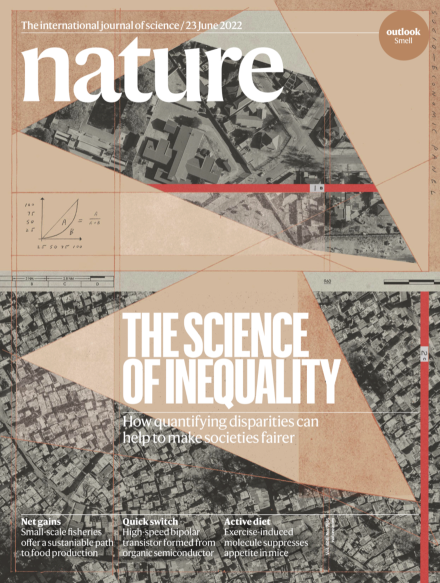
To study inequality is to confront a world of contrasts: excessive wealth next to palpable poverty; sickness abutting health. The COVID pandemic has exposed and worsened many such disparities. This week, Nature presents a special collection of articles focusing on the researchers trying to quantify and reduce inequality. Whether they are measuring the effects of the pandemic or testing interventions to lift people out of poverty, the message is simple: gathering the right information will help to mitigate the harm caused by inequality.
Cover image: Mike McQuade.
Table of Contents
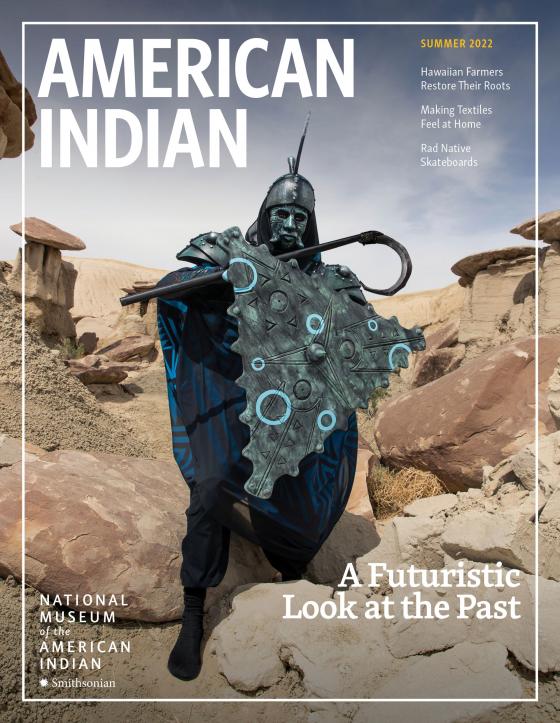
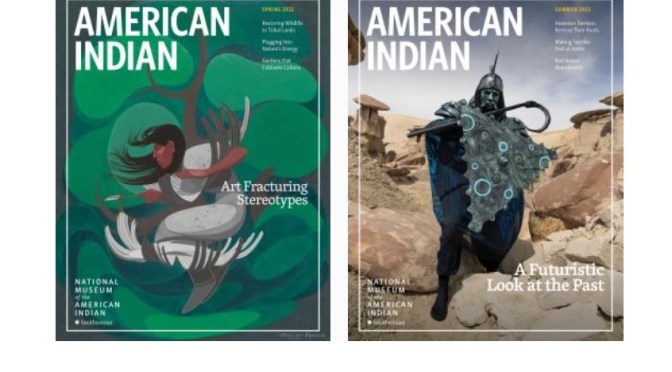
Watching Over the Past: Virgil Ortiz’s Futuristic Creations Are Perpetuating Cochiti Pueblo Pottery-Making Traditions
Virgil Ortiz still remembers the outings he took as a 6-year-old boy with his mother to creeks throughout their Pueblo of Cochiti in New Mexico. There, they would gather clay to mold into pots and storytellers—seated comical human or animal figures. His father was a drum maker and his mother and grandmother were both potters. He remembers giving prayers of thanks to Mother Earth for providing clay, a medium through which they could express themselves. “I was surrounded by art every day,” says Ortiz.