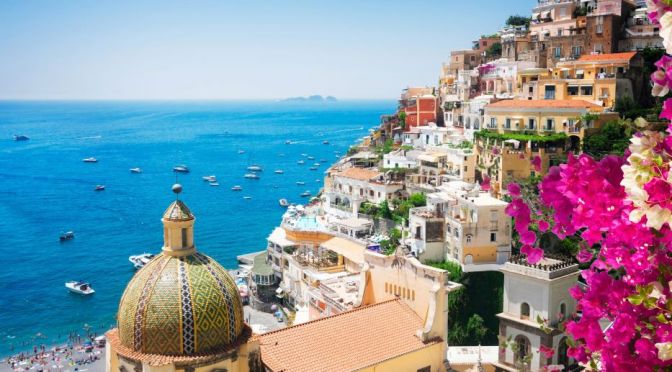
Positano is the most famous and iconic village, the pearl of the Amalfi Coast, the spectacular strip of coastline with the turquoise waters of the Mediterranean Sea to one side and the peaks of the Lattari Mountains to the other.
It lies in the ravine of the Mulini Valley, along the Gulf of Salerno, southeast of Naples. Although it was known in the 4th century, Amalfi was of little importance until the mid-6th century under the Byzantines. As one of the first Italian maritime republics in the 9th century, it rivaled Pisa, Genoa, Venice, and Gaeta as a naval power in trade with the East. Subdued and annexed by King Roger II of Sicily in 1131, it was sacked by the Pisans in 1135 and 1137 and rapidly declined in importance, although its maritime code, the Tavola Amalfitana (“Table of Amalfi”), was recognized in the Mediterranean until 1570.
A selection of three essential articles read aloud from the latest issue of The Economist. This week, the outlook for the world economy, how worried you should be about Elon Musk’s superpowers (12:50), and a study allays fears that covid vaccines harm menstrual cycles (16:50).
The Russian president tied the attack to a bombing of the bridge to Crimea, and vowed that more strikes would follow if Russian targets were hit again.
A sharp shift toward deadly strikes signaled that domestic pressure over Russia’s flailing war effort had escalated to the point where Vladimir Putin felt a decisive show of force was necessary.
Retirees displaced by Hurricane Ian confront a wrenching situation: At their age, remaking the lives they loved so much in Florida may not be possible.
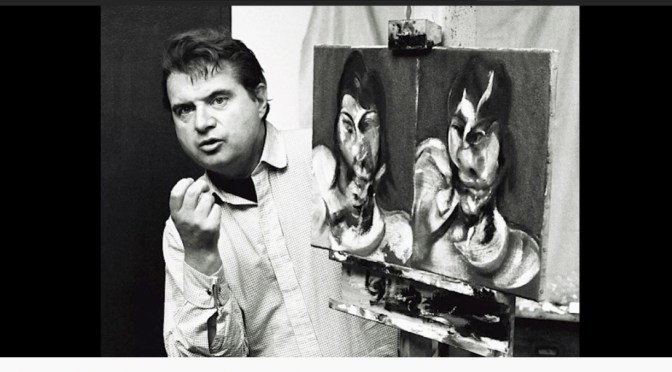
This extraordinary Francis Bacon triptych from the William S. Paley Collection is one of the true masterpieces of his career and marks the first inception of his painting of Henrietta Moraes, who became one of his most famous and preferred sitters.
Held in stewardship by the Museum of Modern Art in New York for the last 30 years, it is coming to market for the first time since William S. Paley acquired it from the Marlborough Gallery.
Francis Bacon was an Irish-born British figurative painter known for his raw, unsettling imagery. Focusing on the human form, his subjects included crucifixions, portraits of popes, self-portraits, and portraits of close friends, with abstracted figures sometimes isolated in geometrical structures.
To learn more about one of the great bohemian muses of the 1950’s and 1960’s, Henrietta Moraes, please click here: https://www.sothebys.com/en/articles/…
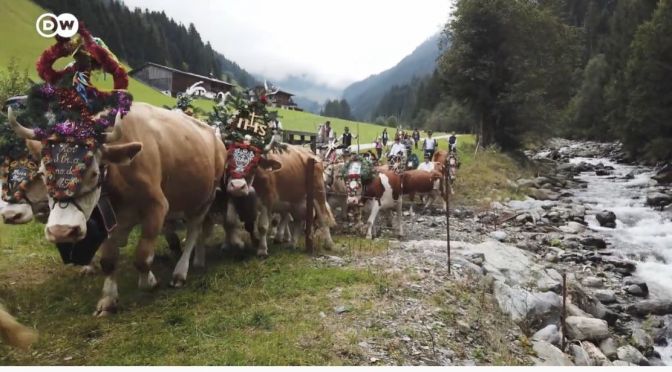
In an annual festive procession in the Tyrolean Alps known as the Almabtrieb, herders and specially groomed cattle descend into the valley after a summer in higher pastures. Their return to the foothill farms is marked with parades, parties and feasting.
The “Almabtrieb” is a custom that goes back 500 years. The steady clang of cowbells accompanies the cattle on their long journey from high alpine pastures back into the valley. Thousands of spectators celebrate their return as Leonhard “Hartl” Thaler leads the herd into town. The 62-year-old is a well-known figure in his Tyrolean hometown of Reith im Alpbachtal – as a farmer, cattle dealer, innkeeper and musician.
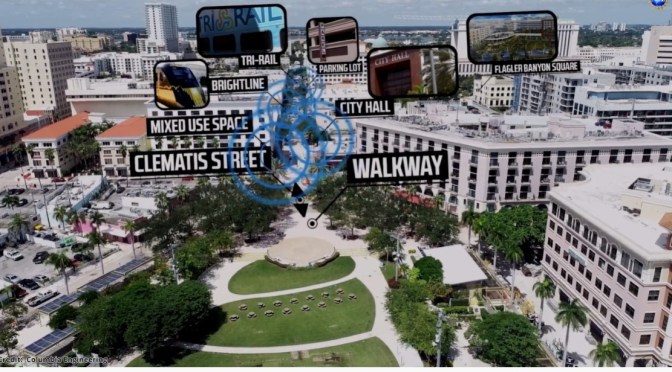
How are you connected on the street where you live, the street where you do business, the street you share with neighbors? But how could a smarter street improve your life?
Video timeline:00:00 Building Smarter Cities 00:14 Next Evolution 00:36 ERC Partners
Could technology help guide disabled pedestrians, eliminate traffic bottlenecks, enhance trash collection and pest control, improve emergency services, protect people from environmental and health threats. “Smart Streetscapes,” a new National Science Foundation Engineering Research Center, aims to create livable, safe, and inclusive communities. Learn more on NSF’s “The Discovery Files.”
Our skippers spot it first: a dark lump on the horizon. There’s a scramble as a second pair of binoculars is found and shared around, each of us careful not to take our eyes off the distant point while we wait our turn. Silence as we stand on the ship’s foredeck staring determinedly at the sea, hoping it wasn’t an illusion. And then we see it – the sleek arc of a minke whale’s back and a hint of its dorsal fin.
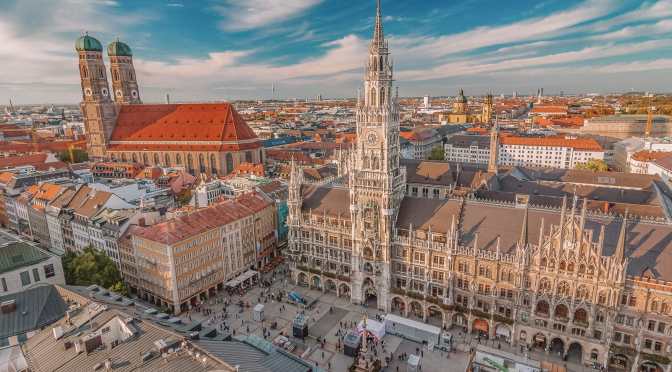
Munich, Bavaria’s capital, is home to centuries-old buildings and numerous museums. The city is known for its annual Oktoberfest celebration and its beer halls, including the famed Hofbräuhaus, founded in 1589. In the Altstadt (Old Town), central Marienplatz square contains landmarks such as Neo-Gothic Neues Rathaus (town hall), with a popular glockenspiel show that chimes and reenacts stories from the 16th century.
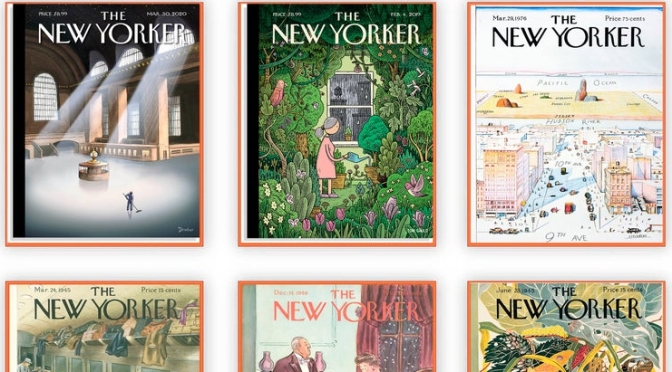
Henry James decried the nineteenth century’s “loose baggy monsters,” but a new translation of Alessandro Manzoni’s “The Betrothed” demonstrates the genre’s power.