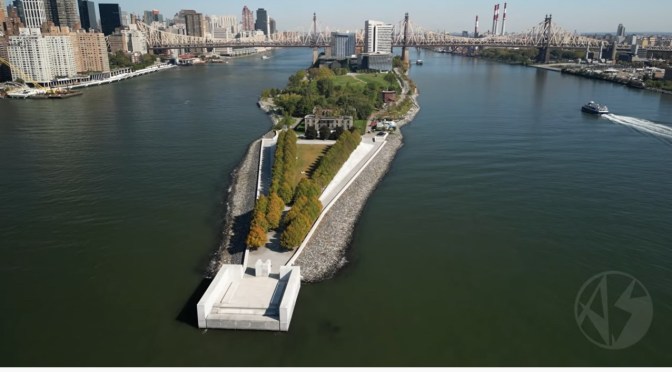
Roosevelt Island, island in the East River, between the boroughs of Manhattan and Queens, New York City. Administratively part of Manhattan, it is 1.5 miles (about 2.5 km) long and 1/8 mile wide, with an area of 139 acres (56 hectares). In 1637 the Dutch governor Wouter van Twiller bought the island from the Indians, who called it Minnahanonck. In 1828 the city acquired it and built a workhouse and penitentiary, which became notorious. Formerly known as Blackwell’s Island, it was renamed Welfare Island in 1921, and in 1973 its name was again changed to honour President Franklin D. Roosevelt. In 1934 the old institutions were replaced by city hospitals. In the 1970s the island was connected to Manhattan by an aerial tramway system, and moderate-income housing and shopping complexes were constructed there. A bridge connects the island to Queens.
A selection of three essential articles read aloud from the latest issue of The Economist. This week, the coming house-price slump, why Xi Jinping has no interest in succession planning (10:10) and how to make better use of antidepressants (19:29).
Xi Jinping has created a new ruling elite packed with loyalist officials primed to elevate his agenda of bolstering national security and of turning China into a technological great power.
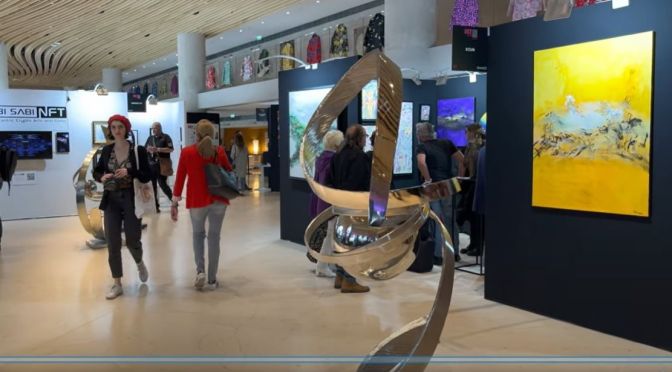
Art Shopping is held in Paris on 21 to 23 October 2022 showing the companies news of France and internationals related to sectors Modern Art, Photography, Sculpture, Contemporary design, Arts, Art.
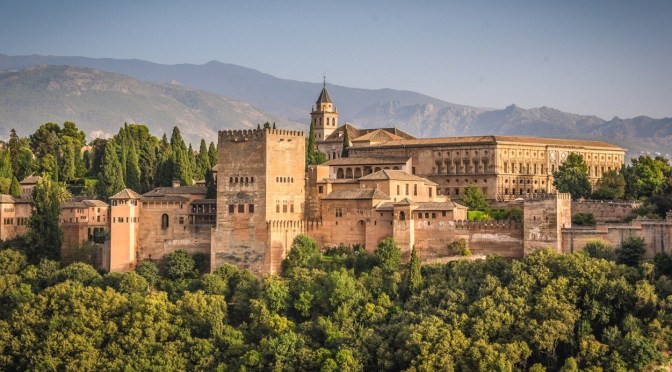
As he travels the Mediterranean, Jaafar Abdul Karim visits Andalusia in Spain. He tries flamenco dancing, tours the Alhambra, and finds his dream house on the Costa del Sol. In Tarifa, photographer José Luis Terrado shows Jaafar his photographs of refugees.
Flamenco music has its roots in the south of Spain. In Las Negras, journalist Jaafar Abdul Karim meets up with flamenco performer Anabel Veloso for a dance. His Mediterranean journey then takes him into the interior of Andalusia. Throughout its history, the region has been a gateway to the Arabic-speaking world. More than 700 years of Islamic rule have left their mark, especially on the architecture.
In Granada, Jaafar visits the famous Alhambra, a world heritage site. Back on the shores of the Mediterranean, the journey continues past beautiful beaches and picturesque bays to the city of Málaga. It’s located on the “Costa del Sol”, where the sun shines more than 300 days per year. The climate attracts millions of tourists, especially from Germany and Britain. Many have bought property here.
In Estepona, Jaafar finds his dream home: the architects José Carlos Moya and Bertrand Coue have built a solar house with floor-to-ceiling windows and 360-degree panoramic views. Its unique design allows it to follow the trajectory of the sun, all day long.
Finally, Jaafar heads to Tarifa, just 14 kilometers across the sea from Morocco. The proximity to the North African side of the Mediterranean has inspired the work of photographer José Luis Terrado. His pictures depict migration and the conditions under which refugees from Africa have to work in order to survive. More than any other destination on his Mediterranean journey, Andalusia shows Jaafar Abdul Karim just how closely linked Europe and Africa are, culturally as well as economically.
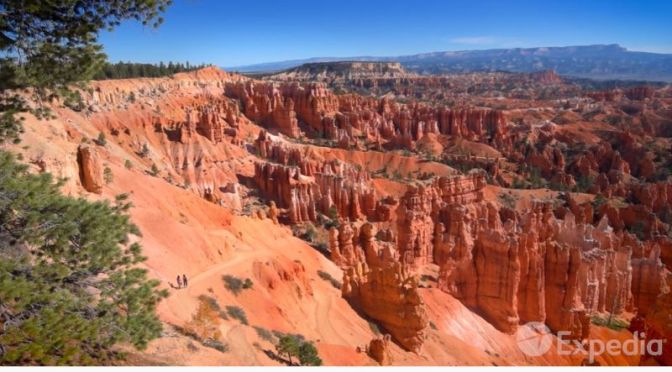
Bryce Canyon National Park, a sprawling reserve in southern Utah, is known for crimson-colored hoodoos, which are spire-shaped rock formations. The park’s main road leads past the expansive Bryce Amphitheater, a hoodoo-filled depression lying below the Rim Trail hiking path. It has overlooks at Sunrise Point, Sunset Point, Inspiration Point and Bryce Point. Prime viewing times are around sunup and sundown.
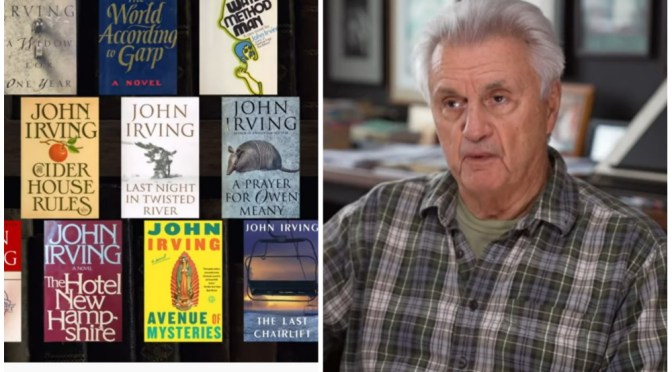
CBS Sunday Morning – Author John Irving has mined his personal history and obsessions as the starting point for such acclaimed works of fiction as “The World According to Garp” and “The Cider House Rules.” Now 80, he has published his first novel in seven years, “The Last Chairlift,” a tale of sexual politics and ghosts. He talks with correspondent Rita Braver about inspiration, Charles Dickens, and acceptance.
Saitama Prefecture is part of the Greater Tokyo area. In Saitama City, the Railway Museum traces rail history from the steam engines to bullet trains. Kawagoe city is known for well-preserved Edo-era buildings. West, the 3 Kuroyama Santaki falls cascade down mountains. Chichibu city is home to the 34 Buddhist temples of the Kannon Pilgrimage. Near Kinsho Temple, the Iwadatami rock formations line the Arakawa River.
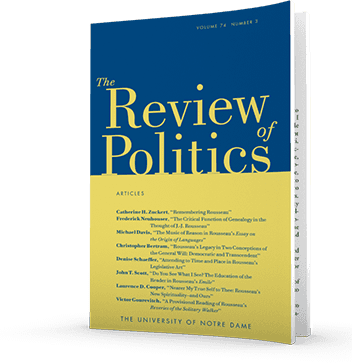
The Review of Politics publishes high-quality original research that advances scholarly debates in all areas of political theory. We welcome manuscripts on the history of political thought, analytical political theory, canonical political thought, contemporary political thought, comparative political thought, critical theory, or literature and political thought.
News, Views and Reviews For The Intellectually Curious