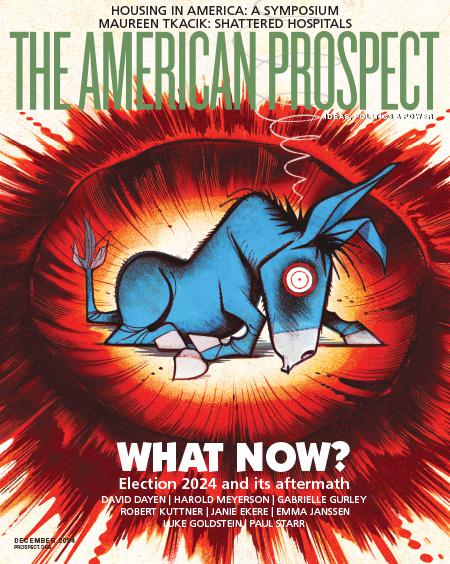
The Yes In My Backyard, or YIMBY, movement believes that solving the housing shortage entails removing impediments to adding supply. Robert Cruickshank
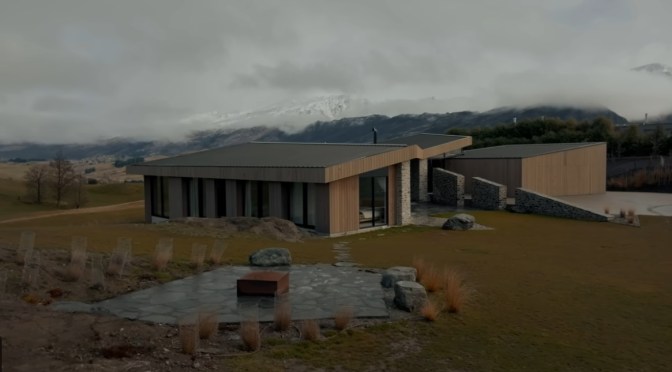
The Local Project (December 15, 2024): Located in the Wakatipu Basin on New Zealand’s South Island, Kārearea House by RTA Studio, which takes inspiration from the region’s majestic native falcons, is the most breathtaking home shaped by nature.
00:00 – Introduction to the Most Breathtaking Home 01:12 – The Location Centred Brief 02:36 – Approaching the Home 03:09 – Walkthrough of the House 04:11 – Restrained Interior Styling 05:44 – The Kitchen Design and Appliances 07:21 – A Balanced Material Palette 08:29 – Curating The Views 09:21 – Proud Moments
What defines it, however, is the site’s staggering 360-degree views to The Remarkables, Coronet Peak and the Crown Range, and the architects’ response to these multifaceted aspects. “We’ve done a few houses in this area and, over the years, we’ve developed an approach that’s firstly about identifying the significant views,” says Richard Naish, founder of RTA Studio.
Though Naish acknowledges that the perspectives are a gift, he believes good architecture is more about the control and release of views. This philosophy underscored RTA Studio’s approach to crafting the most breathtaking home shaped by nature. The roof lines played heavily into this idea; designed to follow the contours of the land and echo the surrounding topography, the roof dips in parts and soars in others, creating views both vast and precise.
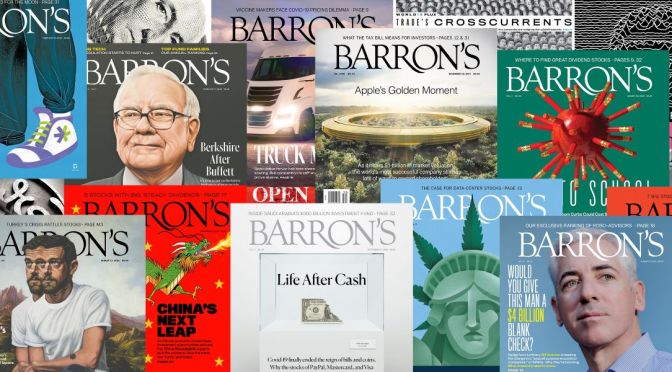
Wall Street’s market forecasts are too tepid. The S&P 500 could rally next year on a combination of AI growth and deregulation. But investors should prepare for a wilder ride.
The Federal Reserve could find it harder to balance growth and inflation next year, given the incoming Trump administration’s policies. So far, the forecast looks sunny.
Monocle on Saturday (December 14, 2024): Join Georgina Godwin, Tyler Brûlé, and Latika Bourke for a roundup of the week’s news and culture in this Christmas special, broadcast live from our festive market. Plus: a conversation with Monocle’s Paris bureau chief, Simon Bouvier.
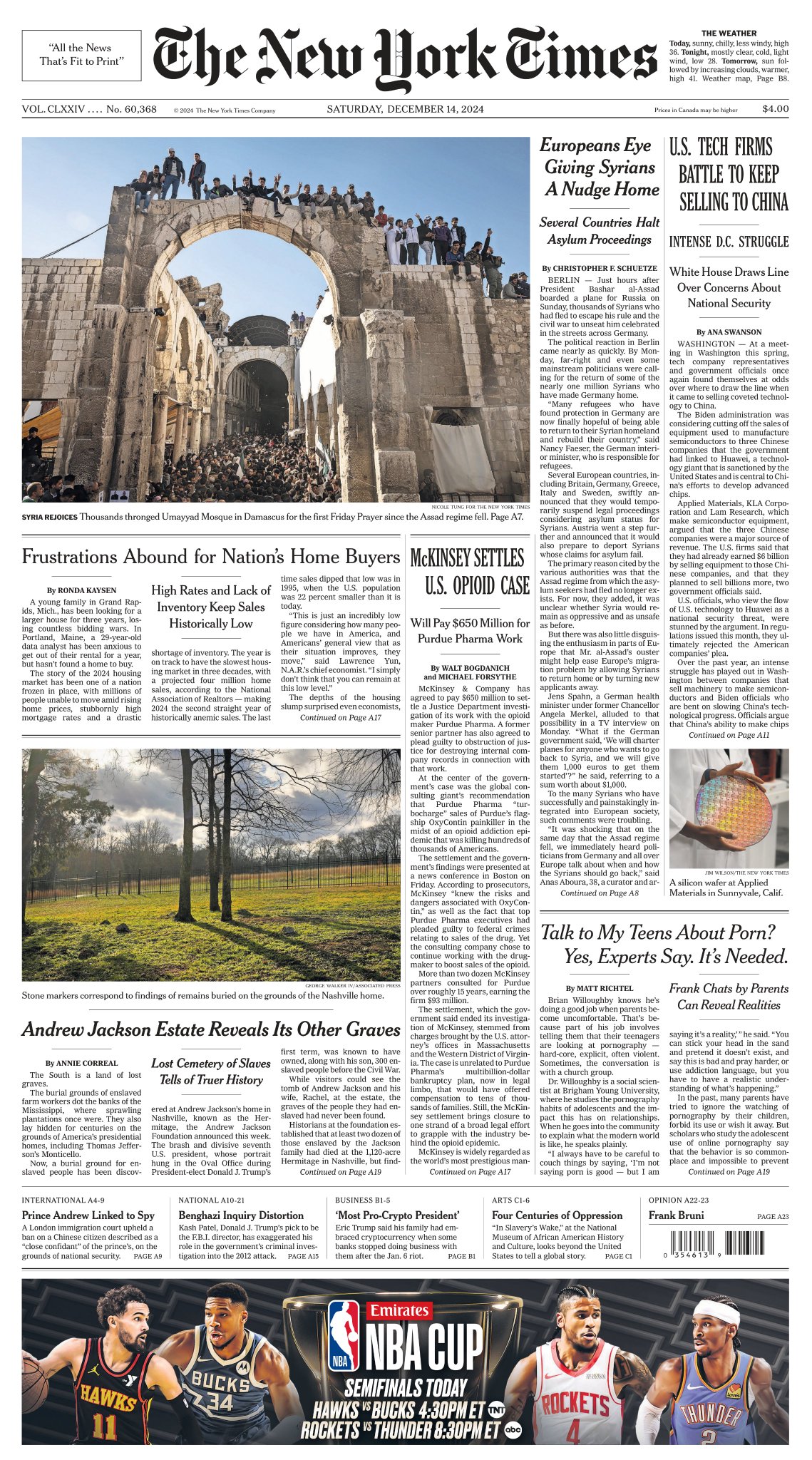
In an impoverished, war-ravaged country, the first prayers after the fall of a brutal regime drew jubilant crowds, even in areas seen as regime strongholds.
Nearly a million Syrians in Germany alone have made new lives. But after the fall of Bashar al-Assad, some politicians across the continent have suggested that refugees could return home.
McKinsey to Pay $650 Million in Opioid Settlement With Justice Department
A former senior partner will also plead guilty to obstruction of justice after destroying company documents.
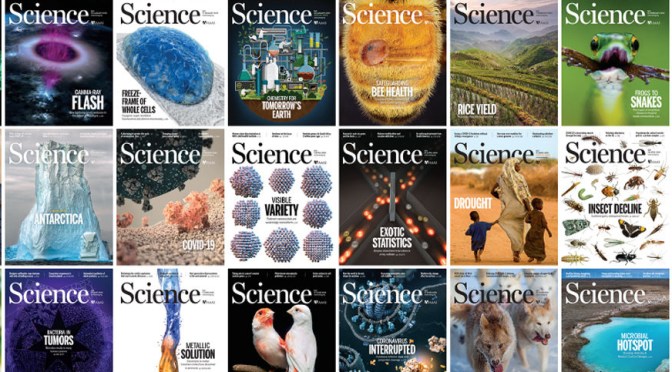
An injectable HIV drug with a novel mechanism shows remarkable ability to prevent infection
Mantle waves sculpt the continents
When the forces of plate tectonics tear continents apart, it’s an incredibly violent process, unfolding in slow motion. It was also thought to be very local: Magma from hot, rising mantle rock seeds volcanoes along the rift zone, while the far-removed cold interiors of continents remain intact.
Multicellularity came early for ancient eukaryotes
Microscopic algalike fossils from China reported early this year astounded evolutionary biologists with their extreme age. Dated at 1.6 billion years old, the specimens suggest one of the hallmarks of complex life—multicellularity—arose far earlier than previously thought.
A new type of magnetism emerges
For 98 years, physicists knew of two types of permanently magnetic materials. Now, they’ve found a third. In familiar ferromagnets such as iron, unpaired electrons on neighboring atoms spin in the same direction, magnetizing the material so that, for example, it sticks to a refrigerator. Antiferromagnets such as chromium have zero overall magnetism, but they possess an atomic-scale magnetic pattern, with neighboring electrons spinning in opposite directions. Novel altermagnets—hypothesized 5 years ago—share aspects of both.
The Economist (December 12, 2024): The EconomistFast forward into the future, when building in space is normal, from huge satellites and spacecraft in orbit, to entire cities on the Moon and Mars. Could robots guided by AI make it happen?
Video timeiine: 00:00 – Future of building in space 00:43 – Machina Labs 02:15 – Could we 3D print in space? 02:44 – Infrastructure on the Moon 03:25 – AI & robotics on Mars 04:41 – History of AI in space 05:41 – Challenges to space technology
Video supported by @mishcon_de_reya
News, Views and Reviews For The Intellectually Curious










 Science Magazine – December 13, 2024: The new issue features