Los Angeles Times (November 15, 2023) –A team of Los Angeles Times journalists travels along the Colorado River to examine how the Southwest is grappling with the water crisis. The Colorado River can no longer withstand the thirst of the arid West.
Water drawn from the river flows to millions of people in cities from Denver to Los Angeles and irrigates vast farmlands. For decades, sections of the river have been entirely used up, leaving dusty expanses of desert where water once flowed to the sea in Mexico. Now, chronic overuse and the effects of climate change are pushing the river system toward potential collapse, with depleted reservoirs near the lowest levels since they were filled.
A water reckoning is about to transform the landscape of the Southwest. Colorado River in Crisis follows Los Angeles Times journalists traveling throughout the river’s watershed, from the headwaters in the Rocky Mountains to the river’s dry delta. These stories reveal the stark toll of the river’s decline, responses that have yet to match the scale of the crisis, and voices that are urging a fundamental rethinking of how water is managed and used to adapt to the reality of an overtapped and dwindling river.
This documentary was filmed and produced by Albert Brave Tiger Lee, with reporting by Ian James and other L.A. Times journalists. Consulting producers included Maggie Beidelman, Robert Meeks and Erik Himmelsbach-Weinstein. (46 minutes)
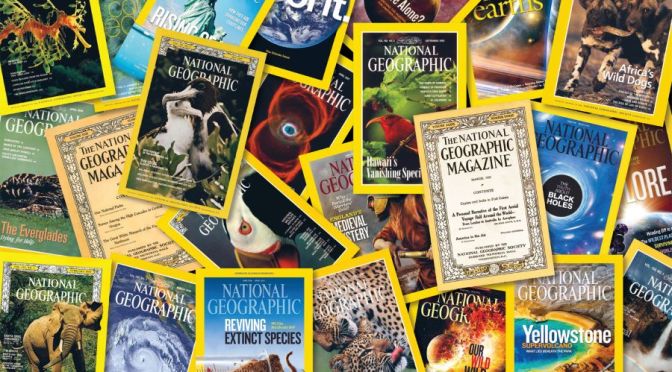
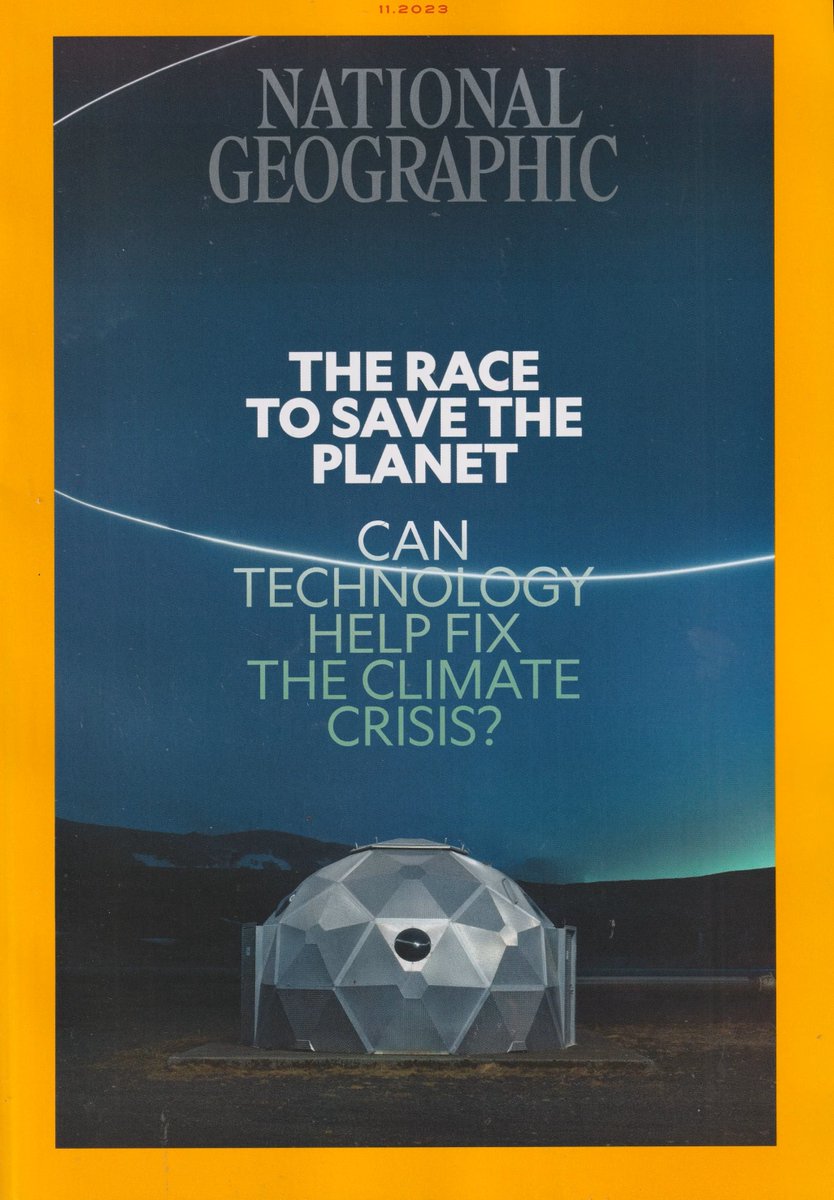
National Geographic (NOVEMBER 2023) – The latest issue features The race to capture carbon – Any climate solutions strategy requires the removal of carbon from the atmosphere. Here are 12 of the most promising strategies; What flashy feathers reveal about the secret lives of birds, and more…
Getting to zero carbon emissions won’t save the world. We’ll have to also remove carbon from the air—a massive undertaking unlike anything we’ve ever done.
BY SAM HOWE VERHOVEK
Over the past few centuries, we have dug, chopped, burned, drilled, pumped, stripped, forged, flared, lit, launched, driven, and flown our way to adding 2.4 trillion metric tons of carbon dioxide to Earth’s atmosphere.
That’s as much CO2 as would be emitted annually by 522 billion cars, or 65 cars per person living today.
On a lonely, lunar-like valley 20 miles outside of Reykjavík, Iceland, Edda Aradóttir is on a mission to put it back where it came from.
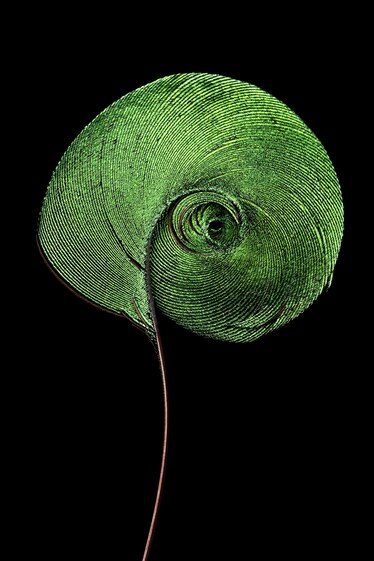
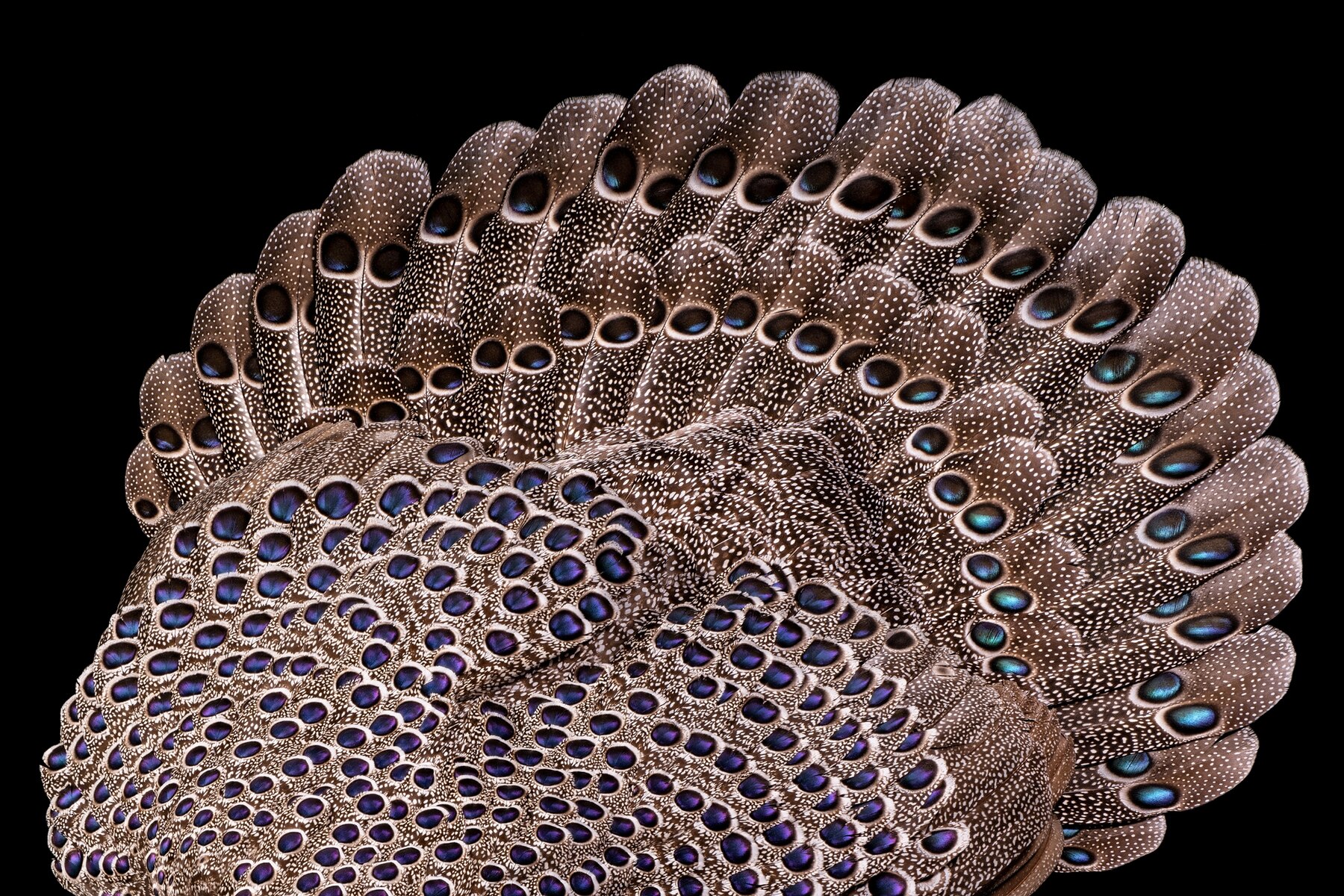
Shimmery. Spiky. Shaggy. Soft. Feathers are what make birds so alluring—but these photographs remind us that they also tell a story about the science of evolution.
BY ANNIE ROTH
PHOTOGRAPHS BY HEIDI AND HANS-JÜRGEN KOCH
In 1860 Charles Darwin wrote, “The sight of a feather in a peacock’s tail, whenever I gaze at it, makes me sick!” The plumes were so extravagant, he surmised, they could be a hindrance to survival. Darwin’s frustration with their seemingly inexplicable elegance eventually led him to the idea of sexual selection. Although this form of natural selection—driven by the preference of one sex for certain characteristics in individuals of the other sex—is well understood today, a peacock’s feather can still hold mystery for its viewers, says Heidi Koch. She and her husband, Hans-Jürgen, have spent the past few years photographing feathers in all their glorious detail.
Although both sexes of the gray peacock pheasant have back and tail feathers adorned with brilliant eyespots, the males make the best use of them. During elaborate wooing rituals, they raise and fluff up their feathers—which can reach nearly 16 inches in length—putting..
THE NEW YORK TIMES MAGAZINE (October 29, 2023): The latest issue features The Scientists Watching Their Life’s Work Disappear; Can We Save the #Redwoods by Helping Them Move?; ‘It’s Like Our Country Exploded’: #Canada’s Year of #Fire and #ClimateChange Is Keeping Therapists Up at Night….
Amid the chaos of climate change, humans tend to focus on humans. But Earth is home to countless other species, including animals, plants and fungi. For centuries, we have been making it harder for them to exist by cutting down forests, plowing grasslands, building roads, damming rivers, draining wetlands and polluting. Now that wildlife is depleted and hemmed in, climate change has come crashing down. In 2016, scientists in Australia announced the loss of a rodent called the Bramble Cay melomys, one of the first known species driven to global extinction by climate change. Others are all but certain to follow. How many depends on how much we let the planet heat.
The largest trees on the planet can’t easily ‘migrate’ — but in a warming world, some humans are helping them try to find new homes.
By Moises Velasquez-Manoff
When Philip Stielstra retired from Boeing in 2012, he needed something purposeful to do. He and his wife, Gay, were casual golfers, but Stielstra, an antiwar activist in college who refused to fight in Vietnam — he worked in a post office instead — wanted a pastime with bigger stakes. Before leaving his job, he received an email from the city of Seattle: The Parks and Recreation Department needed “tree ambassadors.” Tree canopy cover had receded in the city, and the department was responding by promoting an appreciation for its remaining trees. The volunteer ambassadors would learn about these trees and lead residents on walking tours to marvel at them. Stielstra, despite being a self-described introvert, signed up.
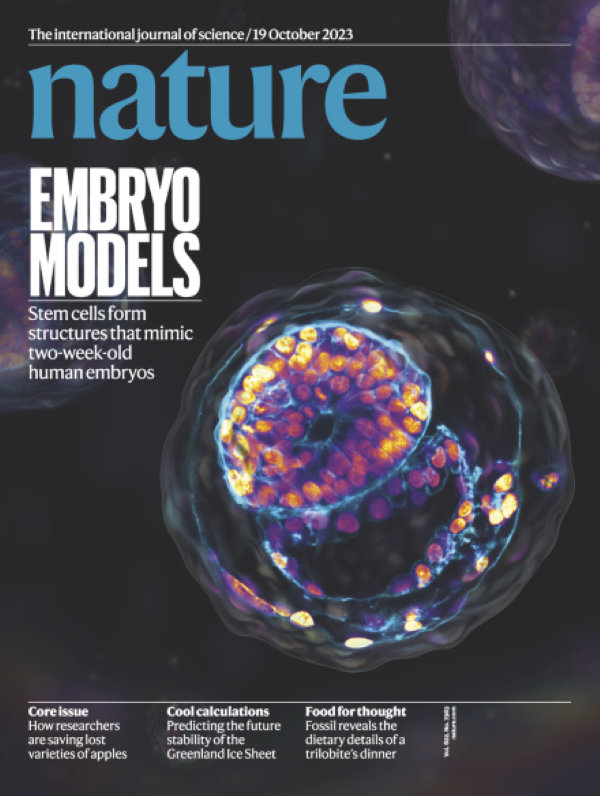
nature Magazine – October 19, 2023: The latest issue features how humans develop in the very early stages when a newly formed embryo is implanted in the wall of the uterus, largely because of the physical and ethical challenges that are presented by studying early human embryos.
The test 30 years ago of what remote sensing could tell us about our own planet shows the value of looking with unbiased eyes at what we think we already know.
A cell census provides information on the source of human brain specialization
The brain is composed of multiple regions associated with distinct functions, which have become further specialized in the human lineage. To define how this specialization is implemented, how it arises during development, and how it has emerged over the course of human evolution, a detailed understanding of the cells that make up the human brain is required.
The ecology of whales in a changing climate
Some whale populations are exhibiting unexpected cycles of boom and bust
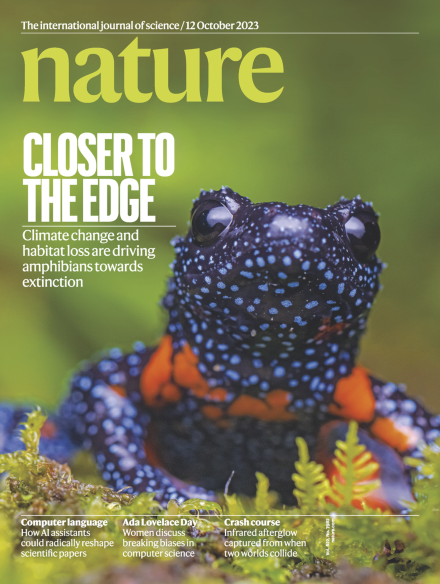
nature Magazine – October 12, 2023: The latest issue features the results of a comprehensive re-evaluation of the conservation status of amphibians since 2004.
Companies say the technology will contribute to faster drug development. Independent verification and clinical trials will determine whether this claim holds up.
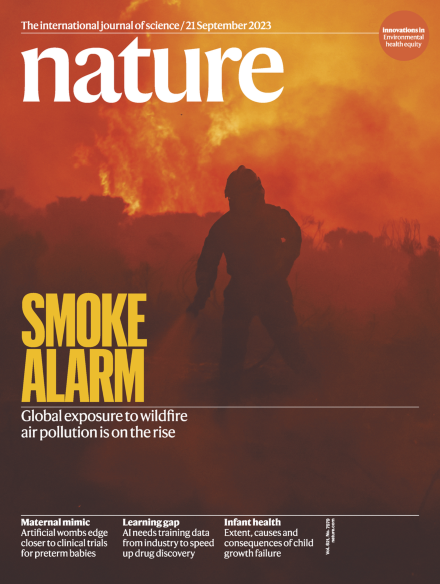
nature Magazine – September 21, 2023: In this week’s issue, an estimate of global human exposure to air pollution from landscape fires (dominated by wildfires, but also including planned or controlled open land fires) between 2000 and 2019.
As many countries head into autumn, they are targeting vaccinations at people in high-risk categories, leaving those at lower risk uncertain about what to do.
Climate change, civil war and international sanctions all contributed to the devastation caused by some of Libya’s worst flooding ever, researchers say.
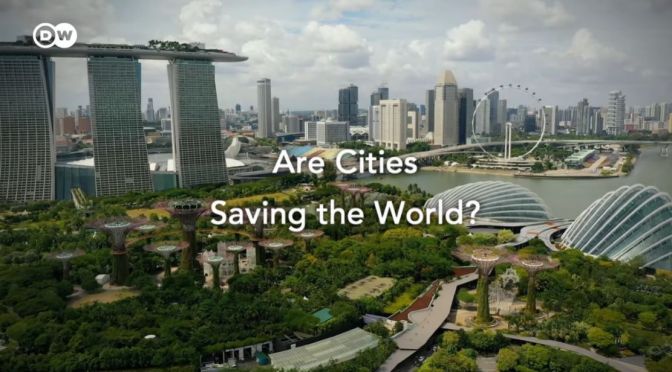
DW Documentary (September 9, 2023) – The race against climate change is in full swing. Can cities be a solution? The UN says that by the year 2050, some 70 per cent of all people will be urban dwellers. But how can cities sustainably accommodate as many people as possible and still offer a good quality of life?
“Urban living must save the planet!” says Xuemei Bai, an Australian professor for sustainability research. But is it really possible to live more sustainably in the city than in the countryside? What about the suburbs? “The suburbs are a climate killer,” says climate economist Gernot Wagner. In the classic suburb – large plots of land with detached or semi-detached properties – CO2 emissions are two to three times as high as in city centers or rural areas. So, why are cities so crucial for the climate?
The answer is simple: Because they are growing exponentially. The UN says that by the year 2050, more than two thirds of the world’s population will be living in cities. Density is one reason cities have so much potential. In a city, measures such as home redevelopments or electric bus routes impact far more people than they would in rural areas.
So, should we all live in megacities to save the Earth? In Europe, many people are turning their backs on urban life in favor of a home in the suburbs or the countryside. So what should the cities of the future look like, if they are to sustainably accommodate as many people as possible while still offering a good quality of life? After all, skyscrapers aren’t necessarily a good choice. Urban planner Dita Leyh compares a city of high-rise buildings with an asparagus field: “They’re like asparagus tips everywhere.
The spaces in between aren’t really useable. That’s not an interesting public space,” she says. So, what should a city look like then? There’s no single blueprint, because every city has its own challenges, as well as different climactic and social conditions. Can cities really save us? #documentary#dwdocumentary
The story of the “Atlantis of the North Sea” is one about our impermanence and ultimate futility against the elements. But within it also lies a warning of our potential future in an age of climate change.





 Los Angeles Times
 National Geographic (NOVEMBER 2023) – The latest issue features The race to capture carbon – Any climate solutions strategy requires the removal of carbon from the atmosphere. Here are 12 of the most promising strategies; What flashy feathers reveal about the secret lives of birds, and more…









 DW Documentary


 Noema Magazine (Fall 2023) – The new issue features