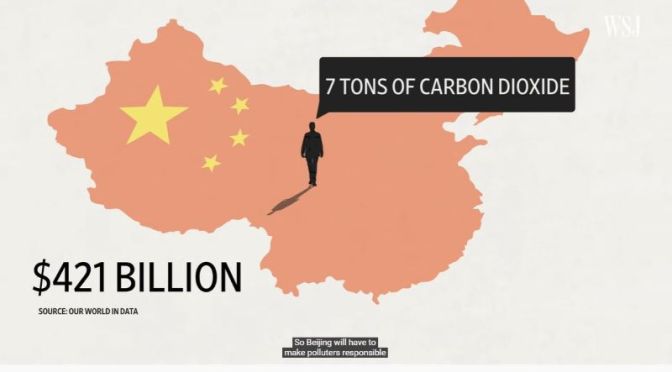
In the biggest climate commitment made by any nation, China pledged to go carbon neutral by 2060. While it will be challenging for Beijing to achieve its goal, China’s plan to become a green superpower will have ripple effects around the world.
Wildfires are a fact of life in California but extent and devastation in the American West feel dramatic this year: More than 5 million areas of uncontrolled fires lead to incredible footage on the news & reports of orange skies in Oakland or San Francisco. The 2020 fire season has broken almost every record in terms of frequency and ferocity. We analyzed several factors like climate change, housing development and fire suppression & management to see what’s behind the largest and most destructive wildfires in the state’s history and what can be done to solve the worsening problem?
NPR’s Tamara Keith and Amy Walter of the Cook Political Report join Judy Woodruff to discuss the latest political news, including the differences between President Trump and former Vice President Joe Biden on climate change and what the Trump campaign’s willingness to hold large indoor rallies says about Trump’s perspective on the pandemic.
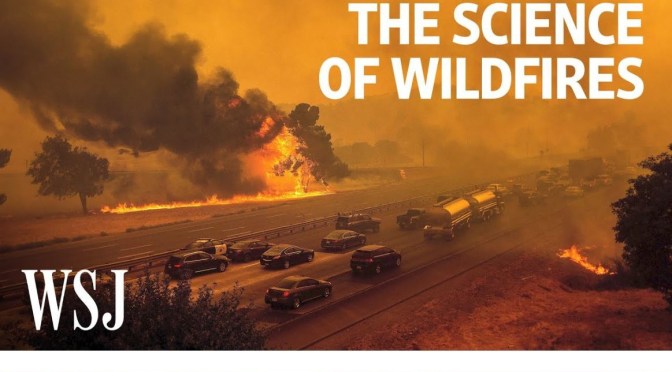
Global satellite data indicate wildfires are becoming bigger and more intense. WSJ talks with NASA’s Doug Morton to understand the science behind what’s making the planet more flammable and making fires harder to control.
Staff Writer Paul Voosen talks with host Sarah Crespi about how Arctic sea ice is under attack from above and below—not only from warming air, but also dangerous hot blobs of ocean water.
Next, Damien Fordham, a professor and global change ecologist at the University of Adelaide, talks about how new tools for digging into the past are helping catalog what happened to biodiversity and ecosystems during different climate change scenarios in the past. These findings can help predict the fate of modern ecosystems under today’s human-induced climate change. And in our books segment, Kiki Sanford talks with author Carl Bergstrom about his new book: Calling Bullshit: The Art of Skepticism in a Data-Driven World.
A selection of three essential articles read aloud from the latest issue of The Economist. This week, the chance to flatten the climate curve, when, why and how to lift coronavirus lockdowns (9:25) and the arrest of Africa’s most wanted man (17:25).
Listen to the latest from the world of science, with Benjamin Thompson and Nick Howe. This week, establishing climate change’s role in Australian bushfires, and revisiting Isaac Asimov’s thoughts robots.
Hear the latest science news, brought to you by Nick Howe and Benjamin Thompson. This week, why stress makes mice turn grey, and how to think about climate change.
In this episode:
00:45 Going grey
Anecdotal evidence has long suggested stress as a cause of grey hair. Now, a team of researchers have showed experimental evidence to suggest this is the case. Research Article: Zhang et al.; News & Views: How the stress of fight or flight turns hair white
From “MMGY Global’s 2019–2020 Portrait of American Travelers”:
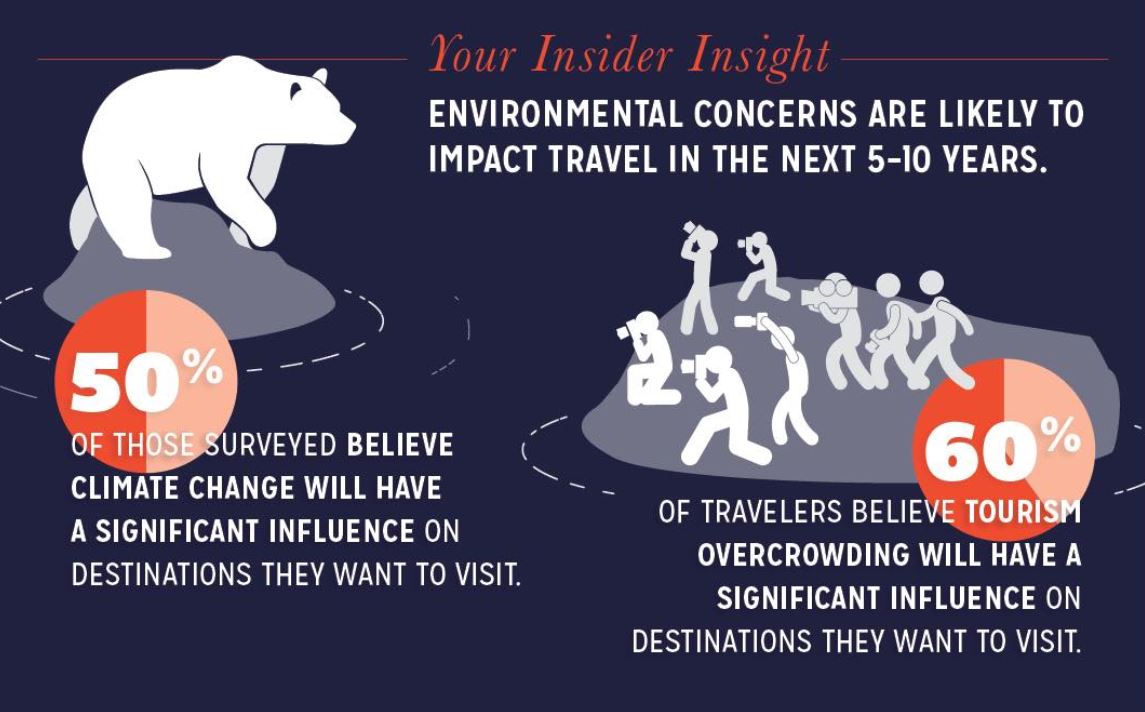
Overtourism: Sixty percent (60%) of American travelers believe tourism overcrowding will have a significant impact on destinations they choose to visit within the next 5–10 years.
Climate Change: Forty-eight percent (48%) of travelers agree that climate change will have a significant influence on what destinations they want to visit in the next 5–10 years.





 A selection of three essential articles read aloud from the latest issue of The Economist. This week, the chance to flatten the
 Listen to the latest from the world of science, with Benjamin Thompson and Nick Howe. This week, establishing climate change’s role in Australian bushfires, and revisiting Isaac Asimov’s thoughts robots.