
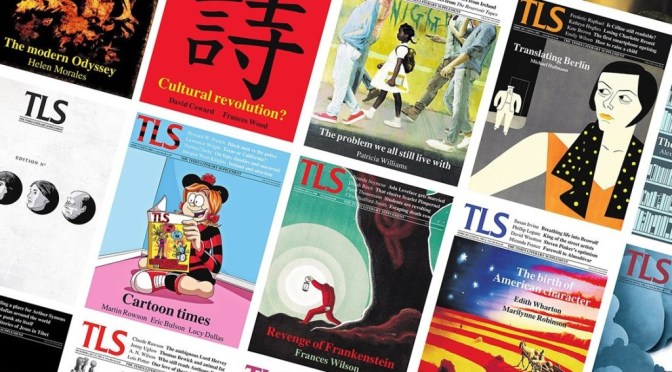
This week’s @TheTLS, featuring @MirandaFrance1 on Fernanda Melchor; @nclarke14 on the high street; @irinibus on psoriasis; @MWLaPointe on five ocean-oriented novels; @henryhitchings on obituaries – and more pic.twitter.com/ydl17bUEKI
— George Berridge (@George_Berridge) March 23, 2022
Category Archives: Reviews
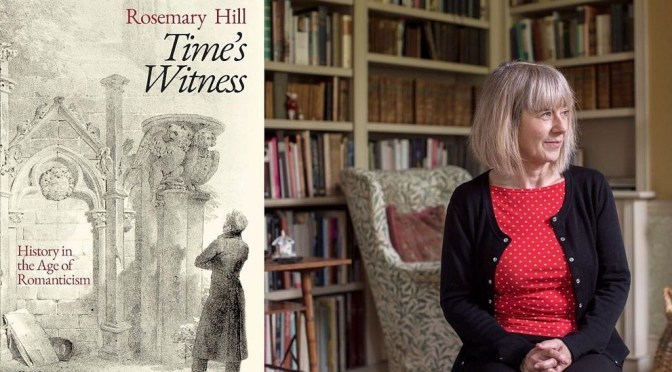
Interview: “Time’s Witness” Author Rosemary Hill
In the 1740s the Scots were invading England and the wearing of tartan was banned. By the 1850s, Queen Victoria had built her Gothic fantasy in Aberdeenshire and tartan was everywhere. What happened in between?
In the second episode of her series on Romantic history, Rosemary Hill talks to Colin Kidd about the myths and traditions of Scottish history created in the 19th century, and the central role of Walter Scott in forging his country’s identity.
In the first episode of a new four-part series looking at the way history was transformed in the Romantic period, Rosemary Hill is joined by Tom Stammers to consider how an argument over the ‘improvement’ of Salisbury Cathedral in 1789 launched a new attitude to the past and its artefacts. Those sentiments were echoed in revolutionary France, where antiquarians risked the guillotine to preserve the monuments of the Ancien Régime.
Diet & Nutrition: Nine Tips For A Healthier Brain
• Find time to snack healthily. Take short food breaks to help keep your blood-sugar level reasonably high without surging. Eating a piece of fruit every three hours or so, for example, could prevent hunger and overconsumption of calories. And when you eat, relax. Try not to think about your research. If you routinely stand in the lab, sit down. If your role is more sedentary, get up and take a quick stroll — perhaps to see a colleague on the next floor.
• Put food on your agenda. Schedule regular mealtimes in your work diary — because if you don’t, someone else will fill the gap for you by inviting you to a meeting. Choose a slot that aligns with your ‘biological clock’ and alterations in hormones such as insulin to optimize metabolic health, including microbiota diversity and composition. In other words, follow your gut and eat at times of the day when you feel that your body needs it, but generally try to avoid taking lunch too late in the afternoon. Eating earlier in the day can improve your energy balance, weight regulation, glycaemic control and sleep satisfaction6. Your brain consumes about 20% of the total energy used by your body, so maintaining consistent energy levels is important for optimal functioning. Use the time you’ve booked. Focus on what you eat and take your time. Do not grab a sandwich and munch it down in front of a screen. Your body deserves a rest.
• Enjoy your food. Transform your meal break into a pleasant event by sharing it with colleagues. Propose that everyone take turns preparing a dish from their home country or area so that you can all enjoy the cuisines of different cultures. Eating in a group and discussing the day’s events can help you to relax, to laugh and to share useful information and experiences.
• Plan your meals. If you are feeling particularly hungry, your eyes and hypothalamus (a small region in the brain that controls many bodily functions including hunger and thirst) will not help you to make healthy food choices; instead, they will prompt you to go for sugary, salty or fatty options. Try to organize your meals in advance. Increase your intake of low-calorie items, such as soups, salads, vegetables and minimally processed foods that are rich in dietary fibre. Among these are wholegrains, cereals, fruits, pulses, whole rice and wholemeal pasta. These foods are also rich in micronutrients and antioxidants such as potassium, magnesium, vitamin C, vitamin E, B-vitamins and healthy lipids — especially unsaturated omega-3 ones — that can help to prevent chronic disease. Neurotransmitters such as serotonin, dopamine, epinephrine and norepinephrine — all important for good brain function, mood and emotional regulation — require food-derived precursors, as well as vitamins and minerals, to be synthesized7.
• Diversify your diet. Stimulate your appetite by altering your food choices, preferably by incorporating more fruit and vegetables into your diet and reducing consumption of red meat and meat products. Each new day merits a new meal experience. But this doesn’t mean being a fully fledged connoisseur: overthinking what you eat will lead to compromises with your time and will make further compromises in what you eat more tempting. A saying from the Japanese Okinawa islands, where people have one of the lowest rates of chronic diseases in the world, and where many centenarians live, points the way: “Eat until you are 80% full”8. In practice, this means you should eat slowly and avoid ‘stuffing’ yourself.
• Avoid the insulin roller coaster. As well as contributing to chronic disease, excessive sugar intake might harm cognitive performance9. Sugared drinks, such as sodas, smoothies and even fruit juices, have a very low satiety value. After the sugar surge, glucagon — a hormone produced when sugar levels are low — as well as ghrelin, an appetitive hormone, and others kick back in and you’ll be hypoglycaemic and feel hungry again. Artificially sweetened beverages might not work much better — there is scientific debate about their perceived health benefits, because they might stimulate appetite centrally in the hypothalamus, rather than by modulating insulin levels10. Go for water, coffee, teas (including fruit teas), low-fat milk — or, if you’re desperate for sugar, a homemade fruit juice.
• Drink loads of water. Working inside, where the air is often dry (owing to heating in winter and artificial cooling in summer) can hasten water loss through respiration. Two litres a day of fluid intake is recommended by many health agencies. Pay attention to signs of dehydration. Drinking plenty will increase your blood volume and brain tissue fluid and thus boost your circulation and concentration levels. You will also become more tolerant of heat and cold — which is helpful when working in warm offices and cooled labs. Water is the essential carrier for all life functions in your body. It can also increase daily energy expenditure and feelings of satiety. Drinking water half an hour before your meal is an especially good option because it improves satiety11.
• Use healthy leftovers. Pre-packaged sandwiches and processed foods often have high quantities of fat, sugar, salt and additives that trigger the brain’s dopamine reward system, among other neuronal systems, inducing compulsive eating behaviour12. If you have time, prepare a healthy dish from scratch at home, perhaps making more than is needed for an evening meal and using leftovers for lunch the following day. Among homemade foods, well-balanced traditional dishes can improve your performance and health: for instance, the classic Mediterranean diet has long been linked with improved cognitive function and a decreased likelihood of both cognitive impairment and Alzheimer’s disease3. A Tupperware lunch made with leftovers from even the most indulgent dinner could often make a healthier lunch than a standard pre-packaged sandwich.
• Scrap the salt. Excessive use of salt is among the major killers worldwide, leading to increased blood pressure, stroke and other cardiovascular diseases. Some salt is essential to the taste of most foods, as well as for life, however, so don’t attempt to cut it out of your diet entirely. Try pepper, curcuma, nutmeg or other spices to add flavour. Some spices, including curcuma and pepper, also help to lower the risk of cardiovascular disease and can even decrease total mortality rates13.
Reviews: ‘The Week In Art’
Donatello in Florence, the Biennale of Sydney and Eduardo Navarro’s seed installation.
This week, as the Palazzo Strozzi and Museo Nazionale del Bargello in Florence present a survey of Donatello, one of the greatest of all Italian Renaissance masters, we talk to Arturo Galansino, the Strozzi’s Director General, and Paola D’Agostino, Director of the Bargello museum, about the show. The Biennale of Sydney in Australia has just opened, with the theme of rīvus, meaning stream in Latin. José Roca, the Biennale’s artistic director, and Alessandro Pelizzon, co-founder of the Global Alliance for the Rights of Nature, discuss the Biennale’s concept, bringing rivers and other “aqueous beings”, as Roca and his curatorial colleagues call them, into dialogue with artists, architects, designers, scientists, and communities. What does it mean if you grant rivers and other natural forms rights? And this episode’s Work of the Week also explores nature, ecology and the relationship between humans and natural phenomena. We speak to curator Bárbara Rodriguez Muñoz about The Photosynthetics, an installation by Eduardo Navarro in Rooted Beings, the latest exhibition at London’s Wellcome Collection.
Donatello: The Renaissance, Fondazione Palazzo Strozzi and the Museo Nazionale del Bargello in Florence, 19 March-31 July. Gemäldegalerie, Berlin, 2 September-8 January 2023. The Victoria and Albert Museum in London will stage its variation of the exhibition in 2023
The Biennale of Sydney: Rīvus continues until 13 June. And José and Alessandro will take part in a panel discussion on 10 May titled Reclaiming Rivers’ Rights. Find out more at biennaleofsydney.art
Rooted Beings, Wellcome Collection, London, 24 March-29 August
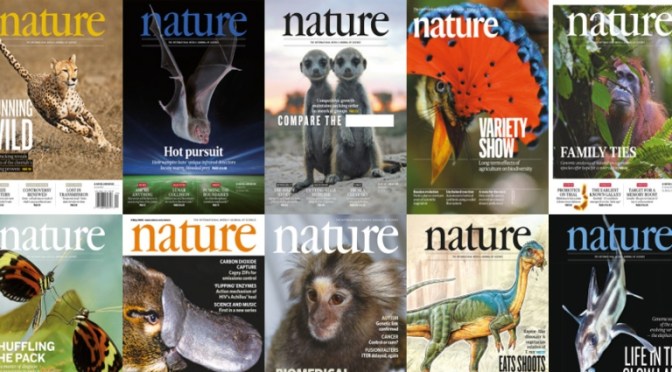
Cover Preview: Nature Magazine – March 17, 2022
Volume 603 Issue 7901, 17 March 2022

For more than 50 years, scientists have been trying to understand the relationship between DNA sequence, gene-expression phenotype and fitness to decipher principles of gene regulatory evolution. In this week’s issue, Eeshit Dhaval Vaishnav, Carl de Boer, Aviv Regev and their colleagues present a framework for understanding and engineering regulatory DNA sequences that takes a step towards this goal. The researchers built this framework around an ‘oracle’ they developed using a deep neural network model that predicts gene expression given a promoter DNA sequence. The neural network was trained using the expression measurements for tens of millions of promoter sequences. The result was an AI oracle that predicts expression from sequence well enough to study the evolutionary history and future evolvability of regulatory DNA sequences, as well as to design regulatory DNA sequences for synthetic biology applications. The cover offers a visual representation of the evolutionary properties of sequences at the extremes of the evolvability spectrum.
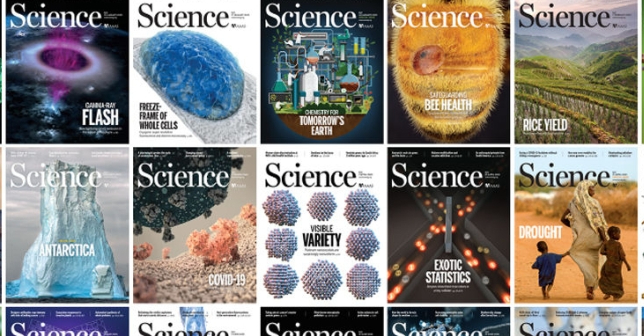
Cover Previews: Science Magazine – March 18, 2022
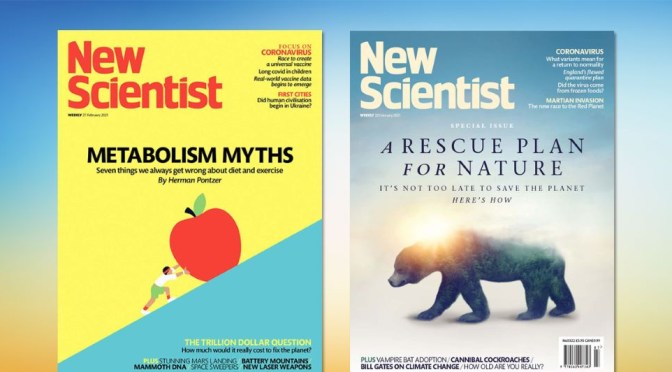
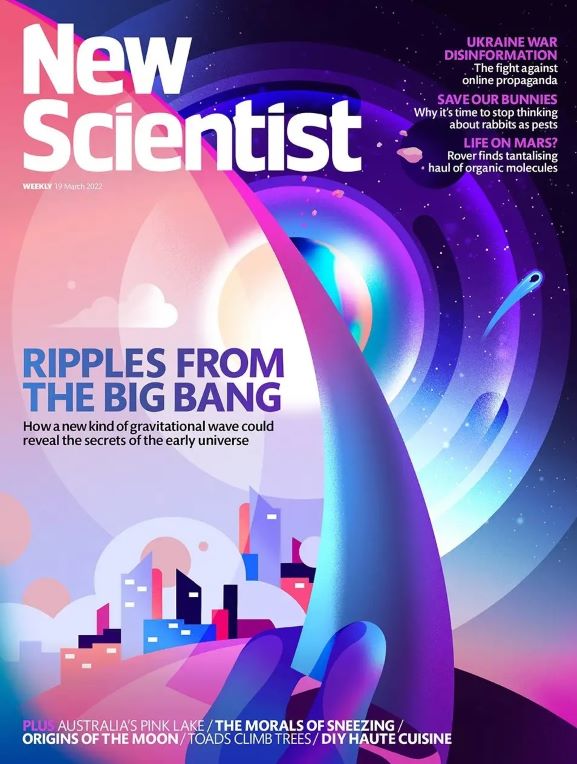
Previews: New Scientist Magazine – March 19, 2022
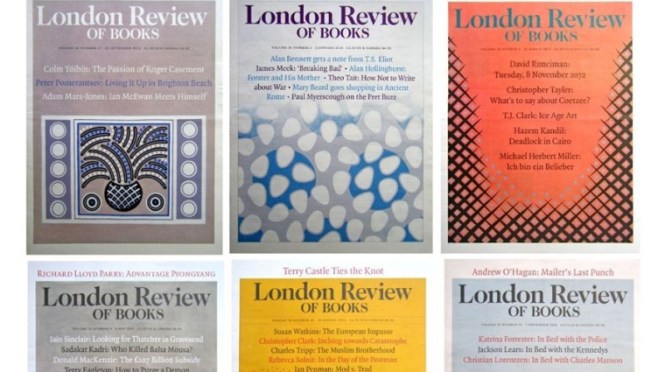
Previews: London Review Of Books – March 24, 2022

Architectural Awards: Diébédo Francis Kéré Wins The 2022 Pritzker Prize

Art History: ‘Poussin And The Dance’ (The Getty)
“One of the hopes of this exhibition was really to try to enlist visitors’ bodily experience in their understanding of these works of art that can sometimes seem a little bit like they live entirely in our heads, a little bit intellectualized.”
Although Nicolas Poussin is widely regarded as the most influential painter of the 17th century—the father of French classicism—he is not as well-known as many of his contemporaries, such as Rembrandt, Rubens, and Caravaggio. This is due, in part, to Poussin’s austere painting style and erudite subject matter, which often came from Roman history or the Bible. As a result, his work can sometimes feel a bit cold or remote to today’s audiences.
But earlier in his career, Poussin was inspired by dance. His paintings of wild revelry, filled with dancing satyrs and nymphs, emerged as his signature genre from that time. Poussin and the Dance, organized by the Getty Museum and the National Gallery in London, is the first exhibition to explore the theme of dance in Poussin’s work. By supplementing his delightful dancing pictures with new dance films by Los Angeles–based choreographers—this unique exhibition invites viewers into the world of Poussin in a fresh, relatable way.
In this episode, Emily Beeny, curator in charge of European paintings at the Fine Arts Museums of San Francisco and curator of Poussin and the Dance, joins Sarah Cooper, public programs specialist at the Getty, to delve into Poussin’s process and love of dance.
The exhibition, which received generous support from the Leonetti/O’Connell Family Foundation and is sponsored by City National Bank, is on view at the Getty Center through May 8, 2022.

