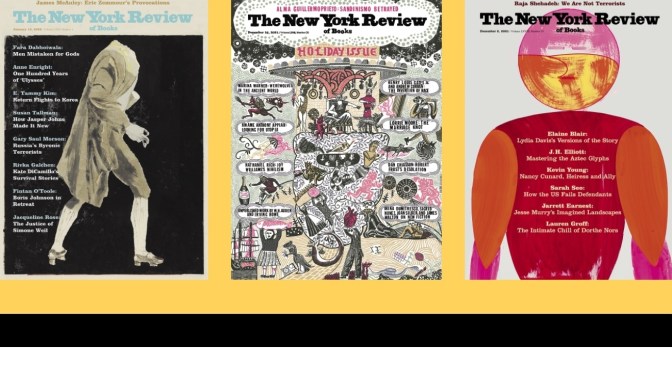
Richard Wilbur’s translations of Molière, now in the Library of America, have a fluency that goes beyond meter and rhyme to encompass textures of speech and movements of thought.
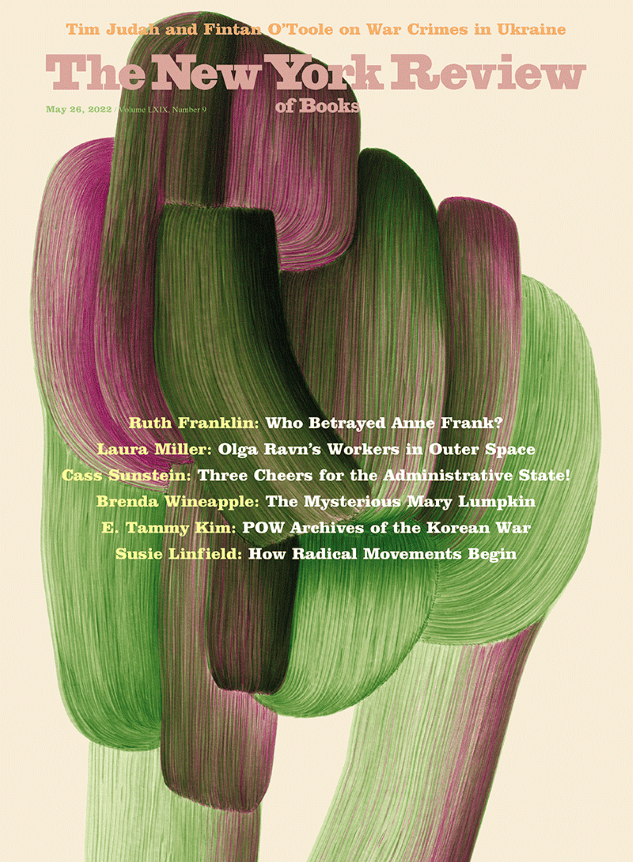
The US’s history of moral evasiveness around wartime atrocities undermines the very institution that might eventually bring Putin and his subordinates to justice: the International Criminal Court.
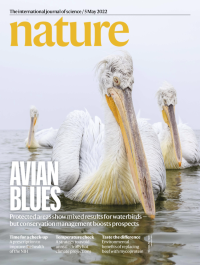
This week in Nature: Avian blues – Protected areas show mixed results for waterbirds, but conservation management boosts prospects. Browse the full issue here: https://t.co/cjlVHmLiBppic.twitter.com/L4fhIEZGvZ
Conservation efforts for waterbirds, such as the Dalmatian pelicans (Pelecanus crispus) pictured on the cover, have centred on creating protected areas to maintain suitable habitats. But it has been unclear to what extent protected areas affect species’ population levels. In this week’s issue, Hannah Wauchope and her colleagues present an analysis that suggests protected areas have a mixed impact on waterbird populations. The researchers examined 1,506 protected areas to assess how they affected 27,055 waterbird populations across the globe. By assessing population levels before and after the implementation of protection, and comparing this change between protected and unprotected areas, the researchers identified the mixed impact, but also saw a strong indication that areas that were managed for waterbirds or their habitats were more likely to benefit populations. As a result, the team suggests that conservation strategies will require not only an increase in the number of protected areas, but active management of those areas to have the best chance of success.
This week, Philip Guston Now is unveiled at the Museum of Fine Arts in Boston after its controversial postponement in 2020; Ben Luke talks to Kate Nesin and Megan Bernard, two of the four curators on the team assembled by the museum to revise the exhibition, which was postponed by four museums in the wake of George Floyd’s murder.
We discuss how the show and its interpretation have changed in the last two years. As Queer Britain, the UK’s first national LGBTQ+ museum opens its doors, Gareth Harris, chief contributing editor at The Art Newspaper, speaks to Matthew Storey, the curator of the museum’s inaugural exhibition, Welcome to Queer Britain. And in this episode’s Work of the Week, our acting digital editor, Aimee Dawson, talks to Candida Lodovica de Angelis Corvi, global director at the Colnaghi gallery, about a rediscovered work by the 17th-century artist Caterina Angela Pierozzi, on display at Colnaghi in London.
Philip Guston Now, Museum of Fine Arts, Boston, until 11 September; Museum of Fine Arts, Houston, 23 October-15 January 2023; the National Gallery of Art, Washington, DC, 26 February-27 August 2023; and Tate Modern, London, 3 October 2023-25 February 2024. To hear an in-depth discussion about Philip Guston with the curator Robert Storr, author of the book Philip Guston: A Life Spent Painting, listen to the episode of this podcast from 18 September 2020.
Coral reefs face many serious threats from human activity.
Experiments in sea anemone and mushroom coral now show that the sunscreen component oxybenzone can be converted to a powerful phototoxin in their cells. Read that study and more in Science: https://t.co/U2kCVGhyitpic.twitter.com/7xIpQXyn2q
How a move to microbial protein could affect emissions. It’s well understood that the production of meat has large impacts on the environment.
This week, a team show that replacing 20% of future meat consumption with protein derived from microbes could reduce associated emissions and halve deforestation rates.
How saltwater crocodiles’ penchant for pigs is driving population recovery in Australia, and solving the mystery of some eighteenth-century porcelain’s iridescent lustre.
10:47 The neurons that help mosquitoes distinguish smell
Female Aedes aegypti mosquitoes strongly prefer human odours to those of animals, but how they distinguish between them is not well understood. Now, researchers have shown that human odours strongly activate a specific area in the brains of these insects, a finding that could have important implications for mosquito-control strategies.
We discuss some highlights from the Nature Briefing. This time, how climate change could affect virus transmission between mammals, and how the link between a dog’s breed and its temperament may not be as close as previously thought.
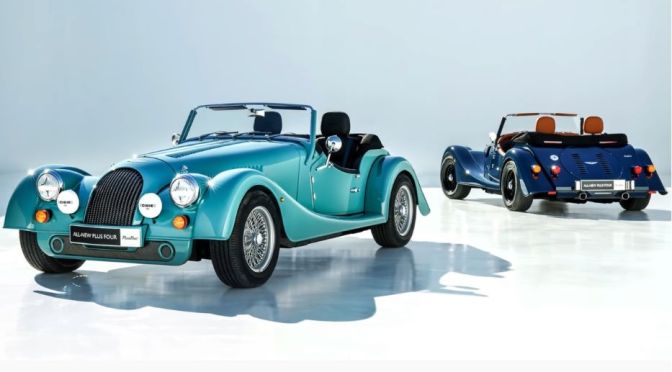
The 2022 season of envy and bitterness is upon us, because the unaffordable convertible sports cars are finally hitting the streets. Today we will focus our window-shopping efforts on the all-new and facelifted models that once again will be setting even higher design and performance standards within the class.
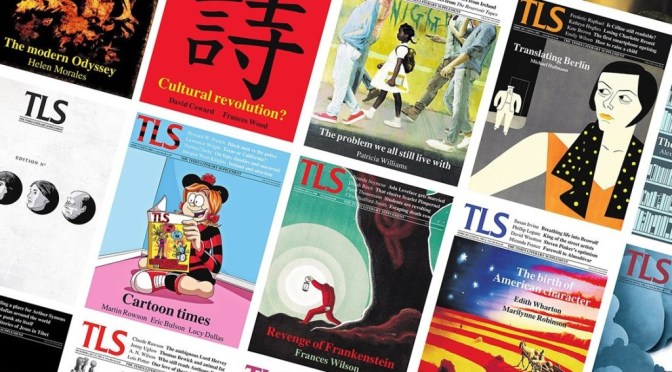
Times Literary Supplement, May 6, 2022 – This week’s @TheTLS, featuring James Fenton on Volume IV of John Richardson’s Picasso biography; @joemoransblog on the “Premonitions Bureau”; @JuliusKrein on the American Right; @MElizabethLowry on William Kentridge; @AnaAliciaGarza on James Agee – and more
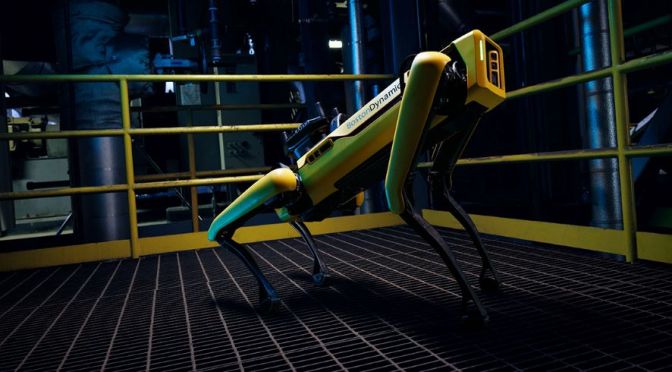
Over the last few years, we’ve seen our customers make huge strides in what they’ve been able to accomplish with Spot – including collecting thousands of data points to drive predictive maintenance models, building comprehensive digital twins of their construction sites, and keeping workers away from dangerous or hazardous situations. We can’t wait to see what they’ll be able to do next.
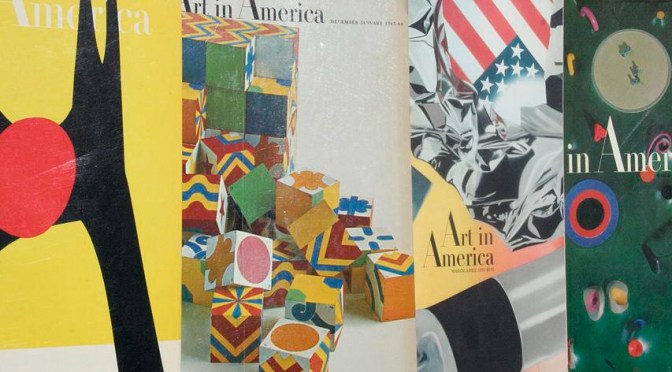
Our May 2022 “New Talent” issue focuses on artists whose practices make resonant contributions to the ongoing dialogue around art, aesthetics and the culture at large. pic.twitter.com/tXaUWa3bOg
‘Art In America’ May 2022 – Each May, Art in America brings our readers a sampling of “new talent,” with a special focus on artists whose practice makes them stand out in a sea of competitors vying for attention. “Practice” is very much the operative word here: at a time when many artists are becoming known more for their social-media presence than for their creative endeavors, and when careers are bolstered more by the market than by critical attention, the editors, critics, and curators who contributed to our selection this year remained centered on what matters. As you’ll discover in these pages, the artists showcased are all contributing in some resonant way to the ongoing dialogue around art, aesthetics, and the culture at large, from Alexander Si, who turns an anthropological lens on the culture of whiteness; to Suneil Sanzgiri, whose films engage with anticolonialism; to Laurie Kang, who treats photography as a form of installation art (and who has contributed a compelling print to this issue); to the other notable talents featured. With this issue, we continue a tradition developed over more than a century of this magazine: writing art history as it is being made.
News, Views and Reviews For The Intellectually Curious