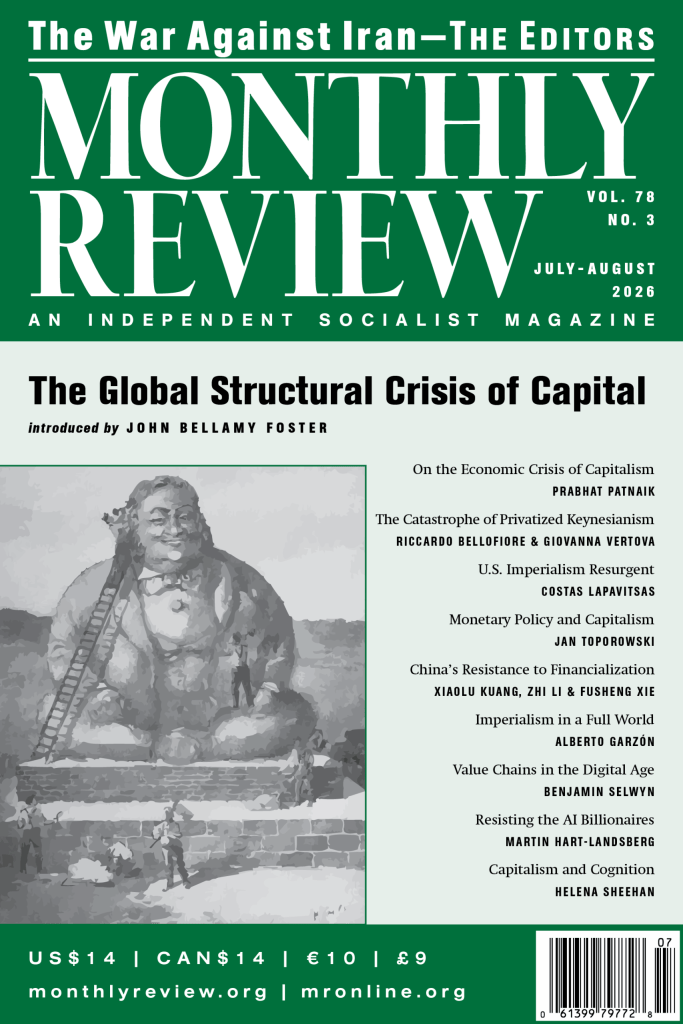
The notion of a “global structural crisis of capital” defining our times was first introduced by István Mészáros in the third edition of his Marx’s Theory of Alienation in 1971, and in his Isaac Deutscher Memorial Lecture, “The Necessity of Social Control” that same year.2 In 1995 in Beyond Capital, Mészáros distinguished the emerging, epochal structural crisis of capital from the cyclical and conjunctural crises that are “capital’s natural mode of existence.”
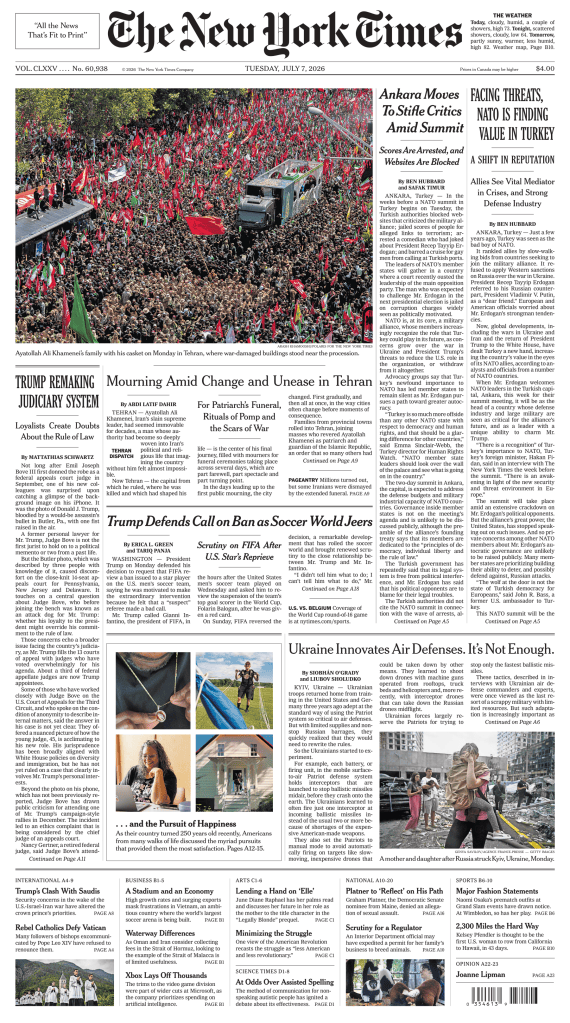
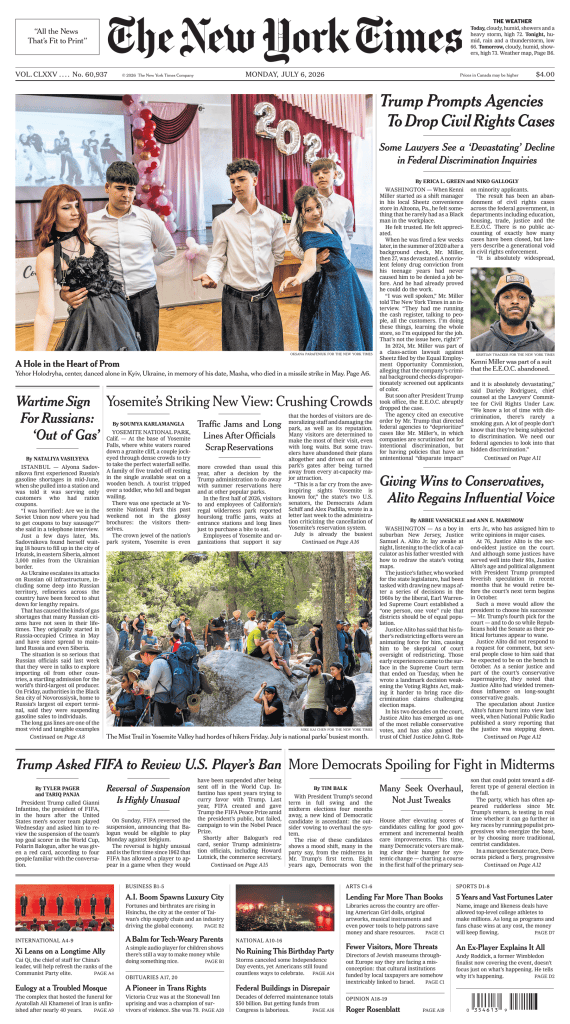
The focus of the summit is expected to be on what other countries in the alliance have done about President Trump’s demand to increase military spending.
The focus at a leaders’ summit in Turkey this week will be on building a new model for the alliance, as President Trump pushes to do less and pressures others do more.
Beijing had long tested nuclear missiles only within its borders. A rare launch over an ocean shows it is determined to narrow the gap with the United States.
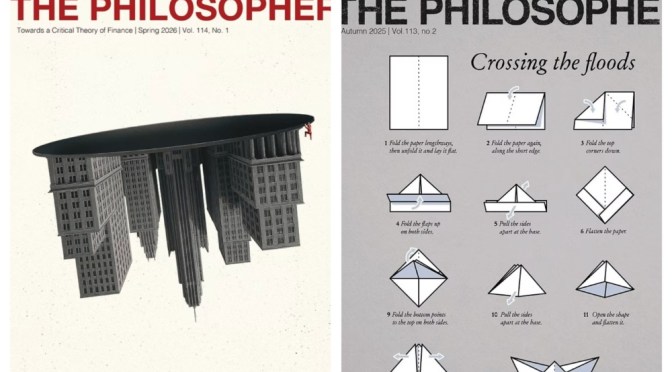
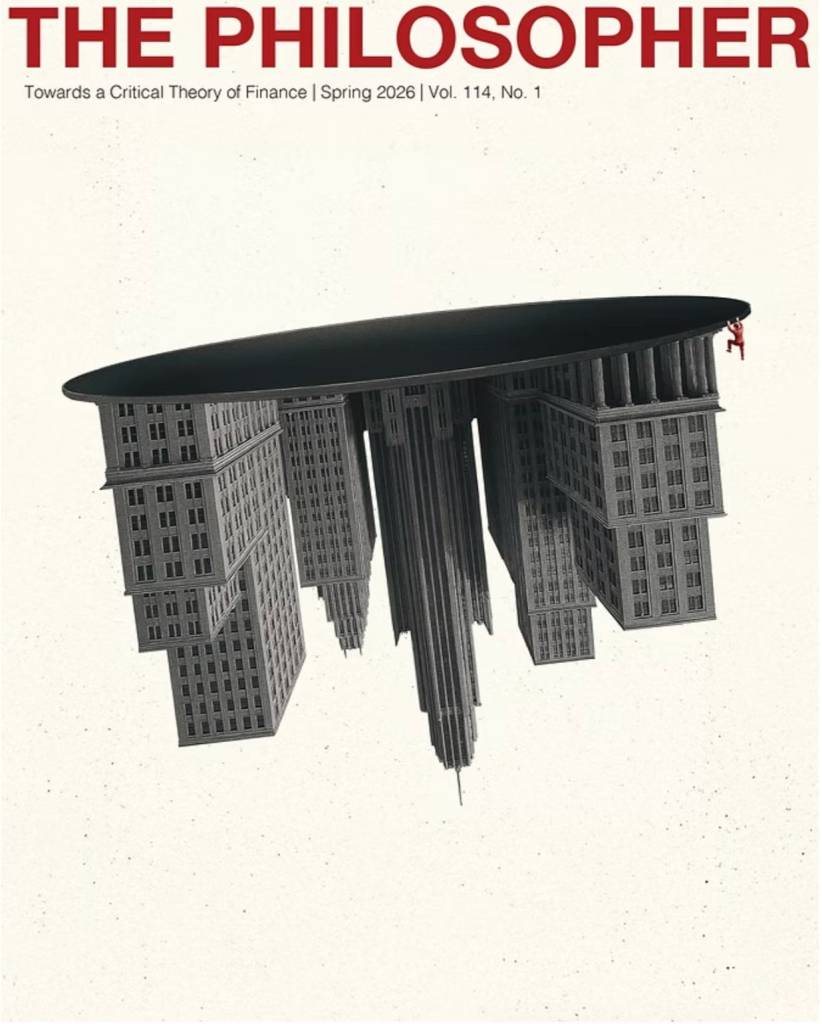
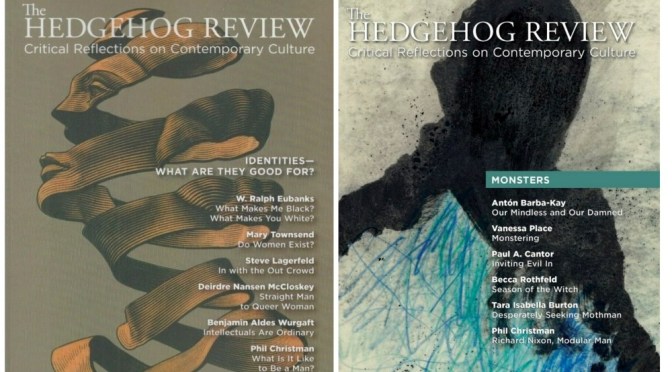
Hegel turned the world onto its head and Marx turned it back on its feet, and now finance is turning the world on its head again. In the early 19th century, Hegel proposed that human history was shaped by consciousness, by human spirit, by the head. Marx argued, in turn, that history was actually determined by practical social conditions, by the way people make their means of living, standing on their feet. It was capitalism that made it seem like heads, owners of industry and leaders of states and their apologists, intellectuals, made history happen, and not workers. The feet were the source of power while the heads claimed all the power for themselves. It is harder to believe this is true now. Industry does not matter much to finance, and labor even less. Finance packages up the productive economy to resell it according to its own rules. A few prescient people have been studying the way the new rules ruin living conditions, pervert political possibilities, and increasingly dominate the global order. Yet, there is still no field dedicated to theorising the ill effects of the newly upside-down world. We need, in short, a critical theory of finance.
In ‘Money,’ Stefan Eich exposes a paradox. Money needs everyone’s trust to operate, and yet economists and politicians claim that only they can decide on its uses. In ‘What is Monetary Policy,’ Leah Downey explains how the technocratic apparatus of policy prevents democratic decision-making. Melinda Cooper considers the challenge supposedly presented by Schumpeter’s view of the relation between family, capitalism, and democracy. Radhika Desai demonstrates a tradition in Marxist thought that already predicts financialisation and has a strong theory of it. Finally, Paul North briefly evaluates four very general positions from which to critique finance, as a preparation for a critical theory of finance.
Also in this issue, Peter West explores how Plato continues to speak to our present moment, with Angie Hobbs’ recent book offering a timely defence of dialogue against the rise of censorship, polarisation, and performative debate. Meanwhile, Marie Snyder reflects on The End Doesn’t Happen All at Once, a pandemic memoir in letters that traces how friendship, literature, and mutual care sustained lives through the disorientation and inequalities of Covid.
Kristie Miller puzzles over our preference for how our well-being is distributed over time; Alison Stone delves into Victorian philosophy as a distinct tradition in which women philosophers played a significant role; Matthew Sharpe makes the case for reclaiming Stoicism from the manosphere and the far right; Mary Peterson continues a conversation started in her 2024 article in The Philosopher, on restorative justice and sexual misconduct; and Adrian K. Yee asks what ethical issues are raised by the use of machine learning in counterterrorism.
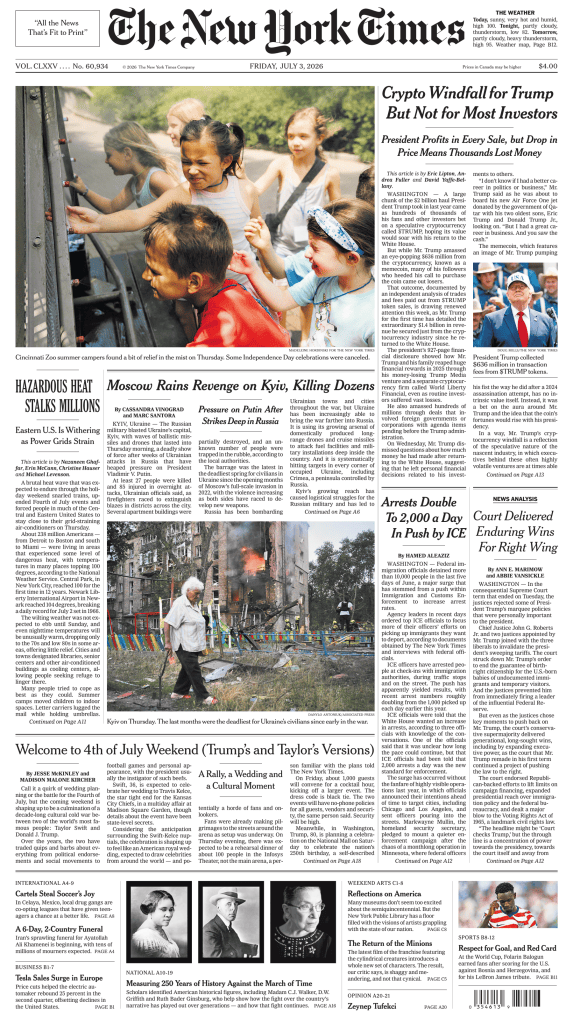
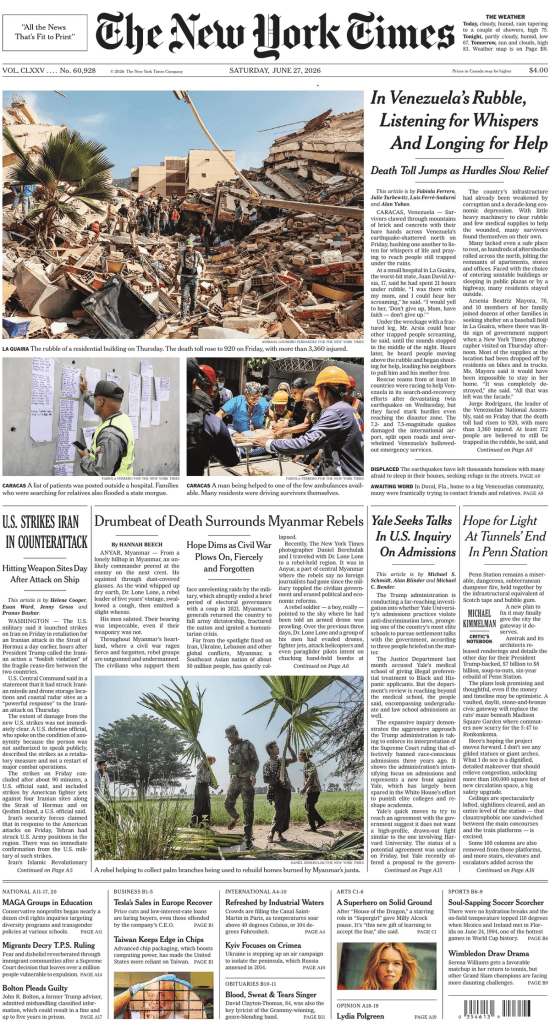
Missiles were fired into Ukraine’s capital as Russia launched its second major attack in less than a week. At least 12 people were killed, officials said.
In an interview, Turkey’s top diplomat, Hakan Fidan, said the relationship between President Recep Tayyip Erdogan and President Trump could ease NATO tensions.
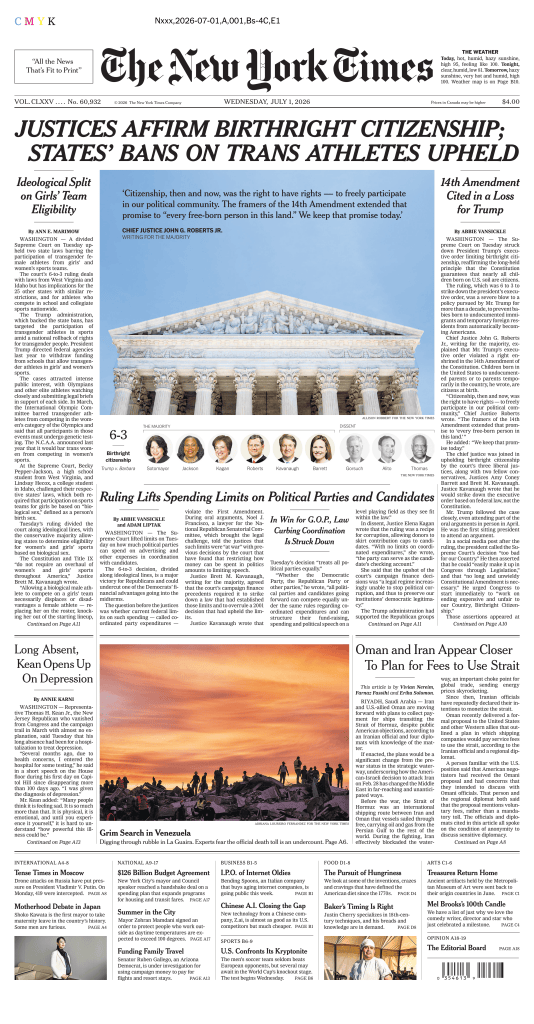
President Trump’s earnings in office are at a level once unimaginable for any leader of a liberal democracy, particularly a sitting American president.
Escalating drone strikes, fuel shortages and power cuts in the region Russia annexed are among the factors turning up the heat on President Vladimir V. Putin.
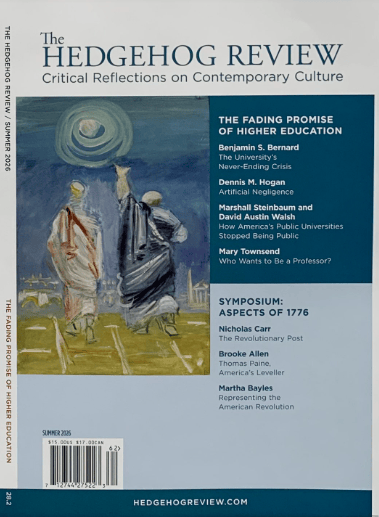
A loss of public faith in higher education and and what it represents for the larger community. This issue also features a Symposium on Aspects of 1776 in commemoration of America at 250.
The University’s Never-Ending Crisis
Higher education has dealt with epistemic revolution before.
Crown Prince Mohammed bin Salman pressed President Trump earlier to cripple Iran, then later urged a cease-fire and is now pursuing his security priorities.
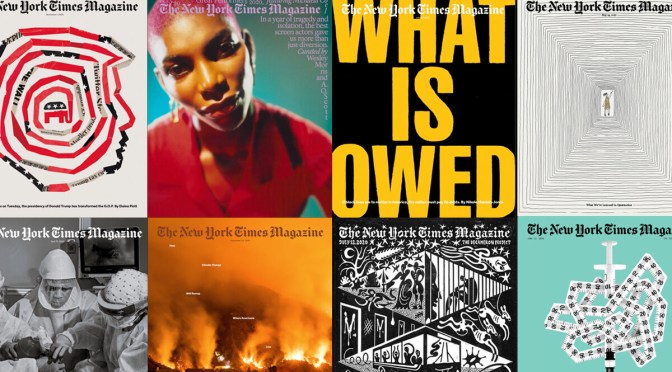
THE NEW YORK TIMES MAGAZINE:The 6.28.6 issue features Charles Homans, Steve Eder, Jan Ransom and Michael Rothfeld on the untold story of Jeffrey Epstein’s death; Katie Engelhart on the pain of caring for a parent who abused you; Dan Brookes on kickboxing in Thailand; and more.
The comedian Robby Hoffman seems to be everywhere these days, including her scene-stealing role in “Hacks” as a former Hasidic Jew from Crown Heights, Brooklyn, who becomes a Hollywood assistant and her part in the HBO comedy “Rooster” as the blunt, protective roommate of a student having an affair with a professor.
For the 250th anniversary, The Times Magazine asked leading historians to profile founding-era Americans whose roles in the drama have been often overlooked.
Secretary of State Marco Rubio acknowledged that the agreement marked only “the beginning of the beginning” of negotiations between Israel and Lebanon.



 Intellicurious