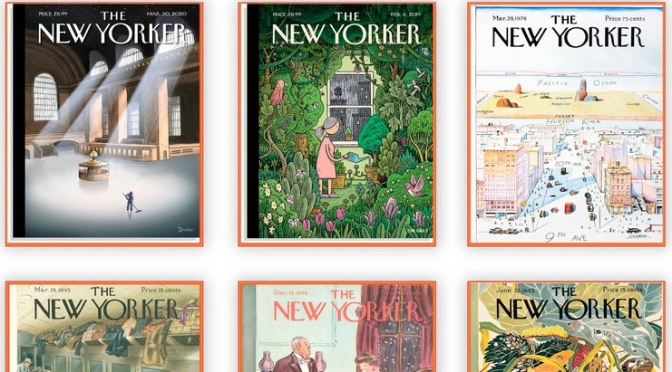
THE NEW YORKER MAGAZINE: The latest issue features The Anniversary Issue: Dhruv Khullar on Ozempic, David Remnick on Joe Rogan, Ava Kofman on a surrogacy scandal, and more.
Until now, Trump always seemed unembarrassed to crow about his side hustles. But, if the Emirati payment was kept secret, what else might be? By David D. Kirkpatrick
Can Ozempic Cure Addiction?
GLP-1 drugs, which have helped some people curb drug and alcohol use, may unlock a pathway to moderation. By Dhruv Khullar
What Is Claude? Anthropic Doesn’t Know, Either
Researchers at the company are trying to understand their A.I. system’s mind—examining its neurons, running it through psychology experiments, and putting it on the therapy couch. By Gideon Lewis-Kraus
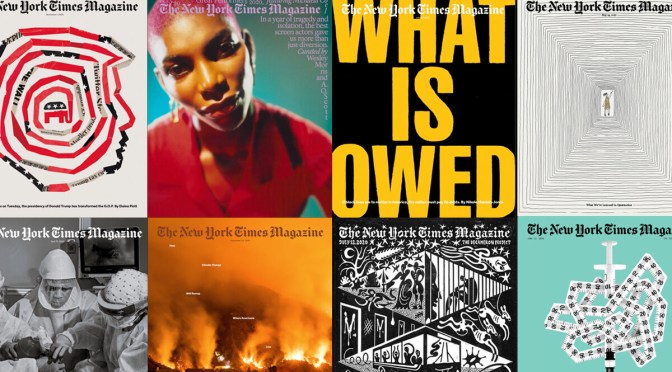
THE NEW YORK TIMES MAGAZINE:The 2.8.26 Issue features Charles Homans on Minneapolis under siege; Dan Kaufman on Trump’s war on federal workers; Hugo Lindgren on the intersection of Wall Street strategies and golf; and more.
What I saw, as federal agents stormed the city and residents banded together to protect themselves, was a dark, dystopian future becoming reality. By Charles Homans and Philip Montgomery
With 300,000 employees gone and collective-bargaining rights eliminated, the administration has hobbled organized labor. Did it also start a movement? By Dan Kaufman
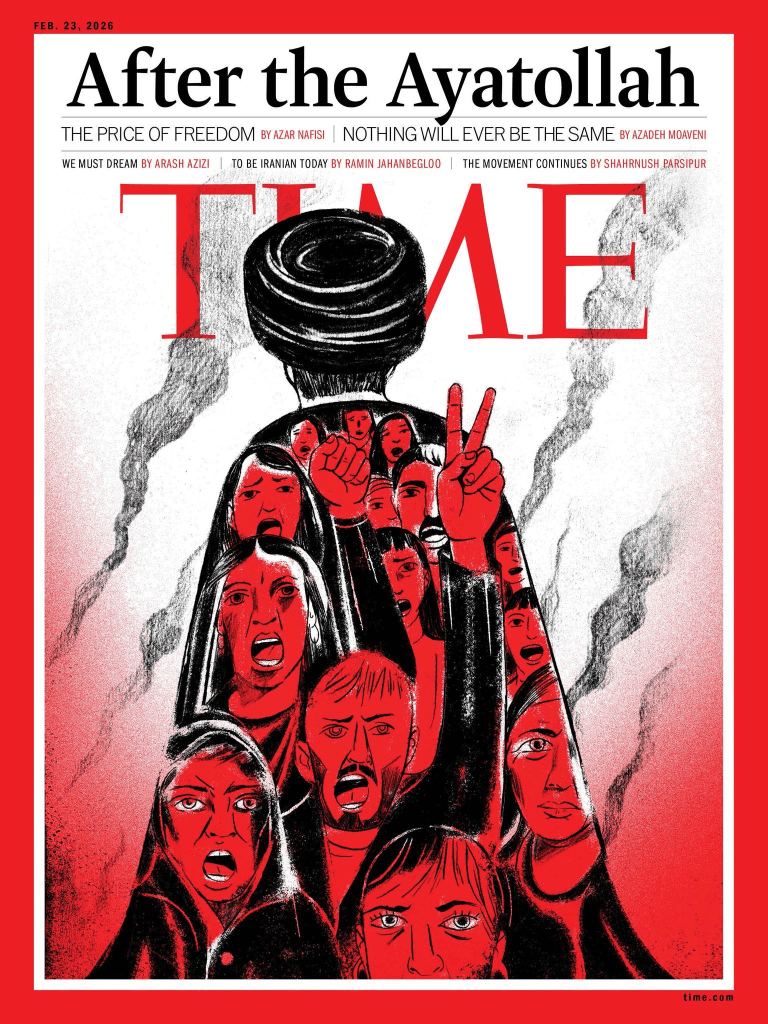
After the Islamic Republic regime unleashed lethal force to quell nationwide protests against its rule, five leading Iranian writers reflect on how the country arrived at this pivotal moment—and where it might go from here.
The Islamic Republic’s Founding Myth
he Islamic Republic’s already lengthy catalogue of fears has ballooned of late: alongside the possibility of being overthrown by its own citizens, it is haunted by the prospect of a full accounting of the massacres it has carried out; by the tenuous loyalty of its army, and its empty coffers; and by the shadow of Israeli spies and Islamic State militants. What terrifies Iran’s theocrats the most, the fear that eclipses all their fears, is the ability of the people at largeto clearly see the essential realities of the present regime.
Iranian Progress Cannot Be Stopped
Today, the Islamic Republic of Iran resembles a half-lifeless body collapsed on the ground, yet still possessing powerful arms. With the support of the Islamic Revolutionary Guard Corps and other military forces, it has attacked the people of Iran and, through widespread killings, has delivered a brutal blow to the popular uprising. Yet this is only a temporary success. The republic is already dead morally, economically, and socially.
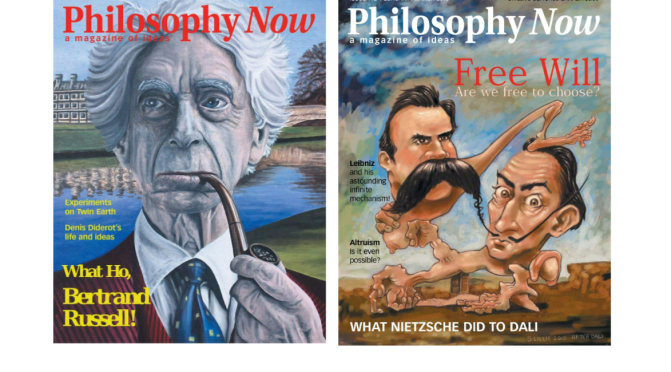
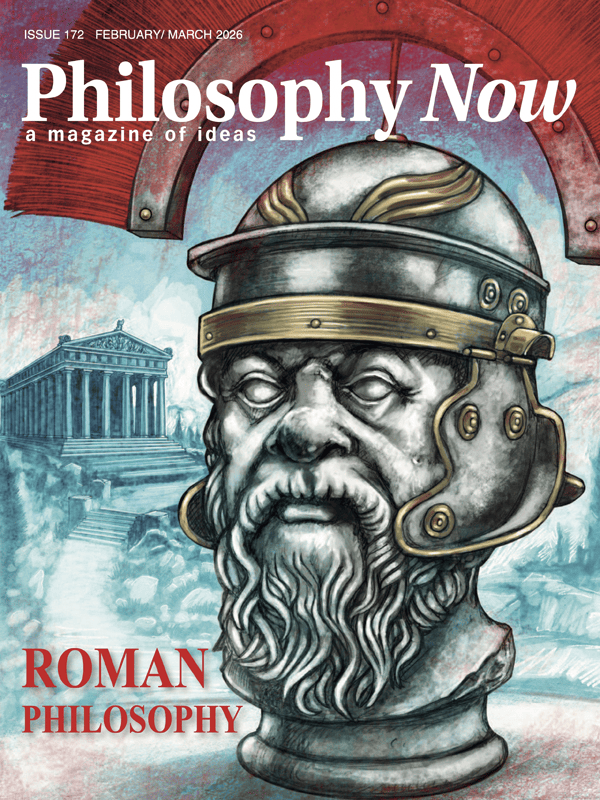
Texas Prof Banned from Teaching Plato • Chatbots Have Favourite Philosophers • Singer Fears AI Doesn’t ‘Get’ Animal Rights — News reports by Anja Steinbauer
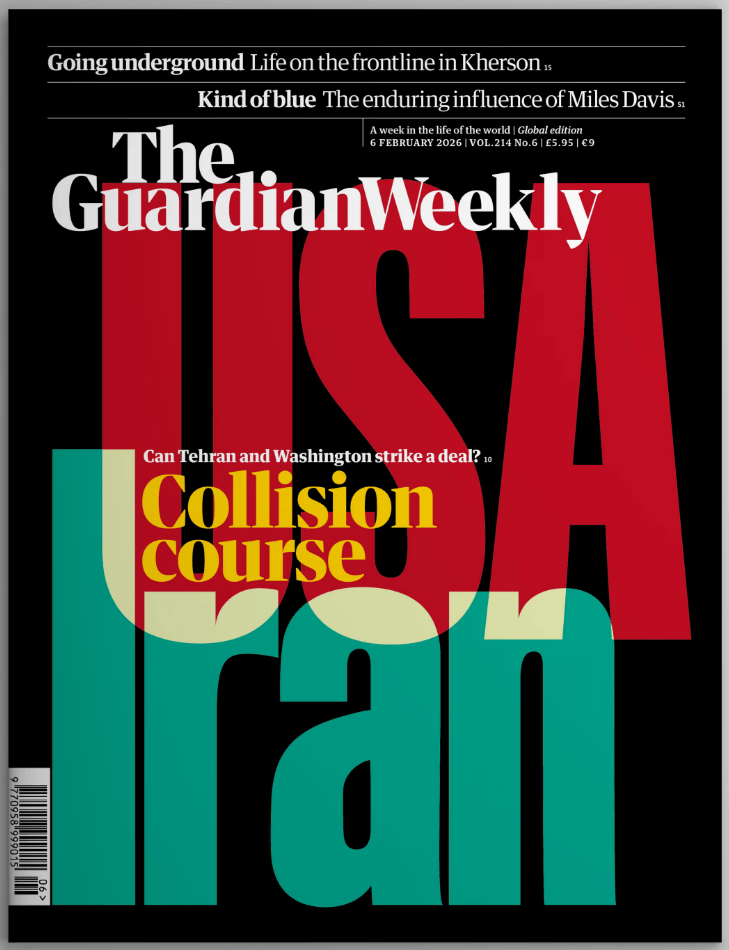
Have Donald Trump’s hard talk and the arrival of a strike-ready flotilla finally made Tehran blink? It certainly seemed so by Monday evening, when Iran said it was willing to talk. A week of trading threats turned to strong indications that Steve Witkoff, Trump’s envoy, and Abbas Araghchi, Iran’s minister for foreign affairs, were readying to meet in Istanbul on Friday. In this week’s big story, Ashifa Kassam and Andrew Roth chart how momentum to war slowed and fears of a wider regional conflict eased, albeit marginally.
The background to Trump’s war of words against Tehran was the huge protests that rocked Iran last month, until they were brutally repressed by the regime. Analysts suggest a fragile domestic security situation prompted the Iranian government’s softening towards US demands. Our diplomatic editor and longtime Iran watcher, Patrick Wintour, explains that while the streets are now quiet, a shift in the balance of power between the people and the government has emboldened domestic demands for a full investigation of the killing and imprisonment of protesters.
Spotlight | The Epstein files, part two Daniel Boffey details the biggest bombshell among the 3m newly released documents: disgraced former minister Peter Mandelson’s deep and compromising relationship with the convicted paedophile
Environment | Nature runs wild in Fukushima Free of human habitation after the 2011 earthquake, tsunami and nuclear meltdown, Fukushima is now teeming with wildlife. But this haven could vanish if people come back, finds Justin McCurry
Features | From hope to despair The postwar new town of Newton Aycliffe with its boarded up shops is a symbol of the Britain’s economic gloom – and a warning for Labour as it battles the rise of Reform UK, reports Josh Halliday
Opinion | Art, groceries, Greenland – thieves are everywhere Jonathan Liew reflects on how we all seem to live in a world defined by petty theft and no one, whether it’s the pickpocket or the big AI company, seems to get punished
Culture | Small acts of magic Mackenzie Crook tells Zoe Williams how his approach to comedy has mellowed with age. Gone is the nervous, awkward energy of Gareth from The Office, to be replaced by the gentle curiosity that animates his new series Small Prophets
THE NEW YORKER MAGAZINE: The latest issue features Nathan Heller on Gavin Newsom, Joshua Yaffa on Russia’s single-use agents, Michael Schulman on A.I. in film, and more.
California’s governor has been touted as the Democrats’ best shot in 2028. But first he’ll need to convince voters that he’s not just a slick establishment politician. By Nathan Heller
How Russian military intelligence is recruiting young people online to carry out espionage, arson, and other attacks across the Continent. By Joshua Yaffa












 Intellicurious