Category Archives: Stories

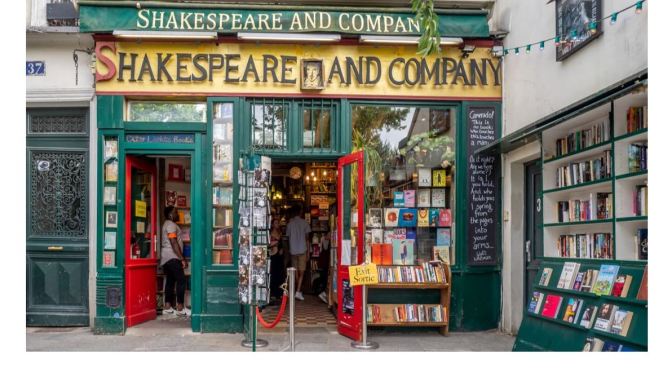
Shakespeare & Company: Author Aysegul Savas On Her Book ‘White On White’

A “marvelous” (Lauren Groff) and “gentle, mysterious and profound” (Marina Abramović) novel about a woman who has come undone.

A student moves to the city to research Gothic nudes, renting an apartment from a painter, Agnes, who lives in another town with her husband. One day, Agnes arrives in the city and settles into the upstairs studio.

In their meetings on the stairs, in the studio, at the corner café, the kitchen at dawn, Agnes tells stories of her youth, her family, her marriage, and ideas for her art – which is always just about to be created. As the months pass, it becomes clear that Agnes might not have a place to return to. The student is increasingly aware of Agnes’s disintegration. Her stories are frenetic; her art scattered and unfinished, white paint on a white canvas.

What emerges is the menacing sense that every life is always at the edge of disaster, no matter its seeming stability. Alongside the research into human figures, the student is learning, from a cool distance, about the narrow divide between happiness and resentment, creativity and madness, contentment and chaos.

White on White is a sharp exploration of empathy and cruelty, and the stunning discovery of what it means to be truly vulnerable, and laid bare.
Wildfires: The Alder Creek Giant Sequoia Graveyard

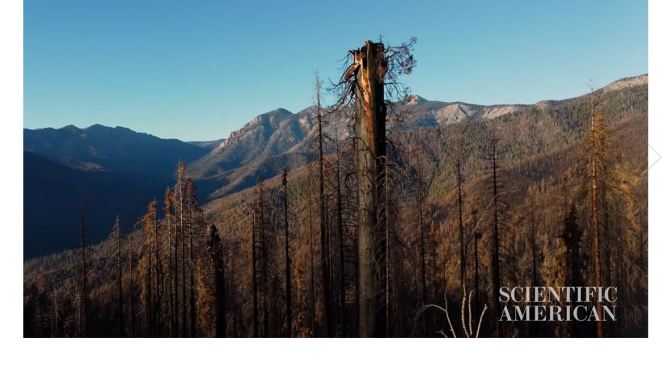
On a dead still November morning in the Sierra Nevada, two researchers walk through a graveyard of giants. Below their feet: a layer of ash and coal. Above their heads: a charnel house of endangered trees.

This is Alder Creek Grove, a once idyllic environment for a majestic and massive specimen: the giant sequoia. It is now a blackened monument to a massive wildfire—and humankind’s far-reaching impact on the environment. But these two researchers have come to do more than pay their respects.

Linnea Hardlund and Alexis Bernal, both of the University of California, Berkeley, are studying the effects of record-breaking fires such as the one that destroyed large swaths of Alder Creek Grove in the hopes that their findings will inform forest management that might preserve giant sequoias for future generations.

So far, those findings are grim: mortality in Alder Creek Grove is near 100 percent. Of the mighty trees that stood watch for thousands of years, only charred skeletons remain. About a century of aggressive fire suppression and a warming, drier climate have created a perfect environment for unprecedented fire.

On August 19, 2020, it came to the Giant Sequoia National Monument. The SQF Complex was two fires—the Castle and Shotgun fires—that burned for more than four months, affecting nearly 175,000 acres. And a preliminary report on the Castle Fire estimated that 10 to 14 percent of all living giant sequoias were destroyed.

Hardlund, who is also at the nonprofit Save the Redwoods League, and Bernal fear that, without scientifically informed intervention, such fires will continue to return to the Sierra Nevada—leaving the once proud guardians of the forest a memory and another casualty of our ecological failure.

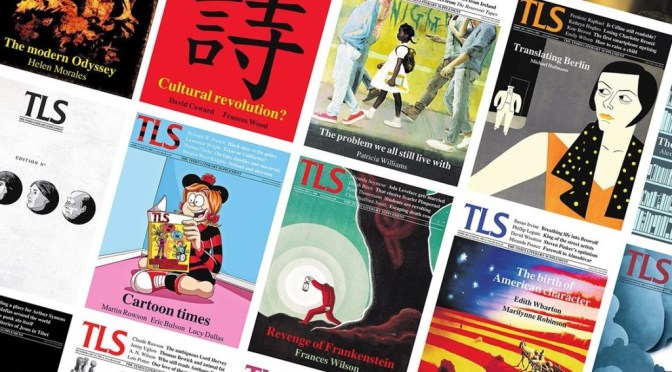
Previews: Times Literary Supplement – December 17

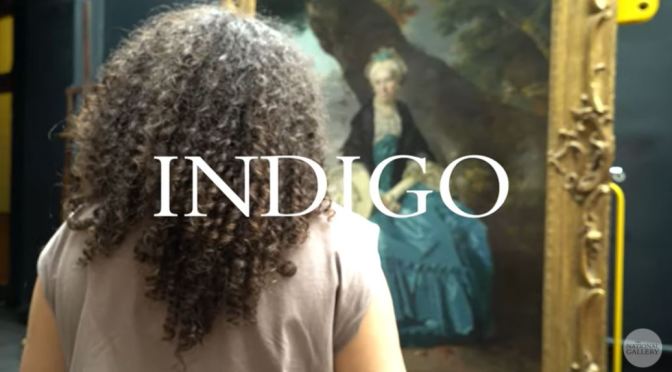
Art & Culture: History Of Indigo (National Gallery)

Our Conservation Fellow, Kendall Francis takes a closer look at indigo, a blue dye and pigment extracted from the leaves of plants, and how it is used and represented in paintings in our collection.

Kendall’s research reveals histories that are not explicitly portrayed in the paintings and highlights the important contributions from a wider range of people, including the enslaved people who cultivated the crops and extracted the indigo against their will. Supported using public funding by Arts Council England.

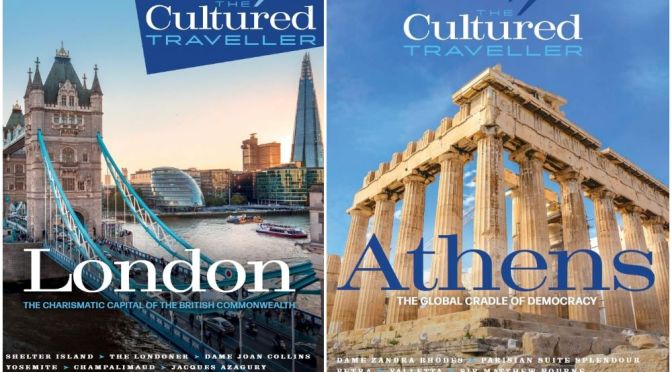
Magazines: The Cultured Traveller – December 2021

The Cultured Traveller, December 2021-February 2022 Issue 36

The seat of the world’s longest living monarch, brimming with culture and theatrics in every facet of its being and constantly moving forwards to adapt to the ever-changing planet, the multicultural heart of the British Commonwealth is undoubtedly one of the world’s greatest cities. In issue 36 of The Cultured Traveller, the team explores charismatic LONDON to provide the ultimate insider guide to the great British capital. Permanently glamorous British actress DAME JOAN COLLINS finds time in her hectic schedule to chat about her devilish new book, while interior designer ALEXANDRA CHAMPALIMAUD speaks to The Cultured Traveller about transforming some of the world’s most iconic hotels. Sam Henderson explores the otherworldly landscapes of YELLOWSTONE NATIONAL PARK, complete with its steaming geysers and bubbling mud pools. Alex Benasuli enjoys the unassuming sophistication of laidback SHELTER ISLAND in the Hamptons. And Joe Mortimer visits GLENMORANGIE’s innovative new distillery in Scotland. 

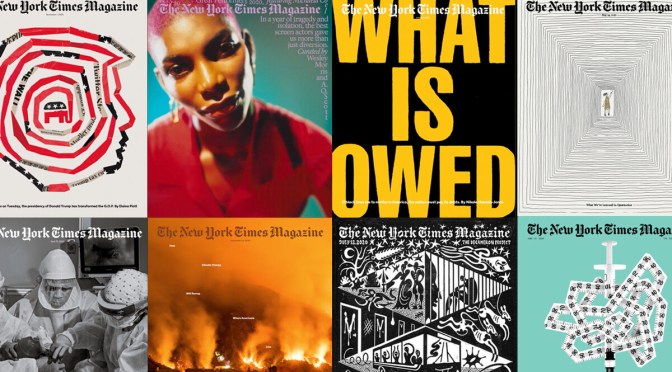
Front Cover Preview: NYT Magazine – December 19

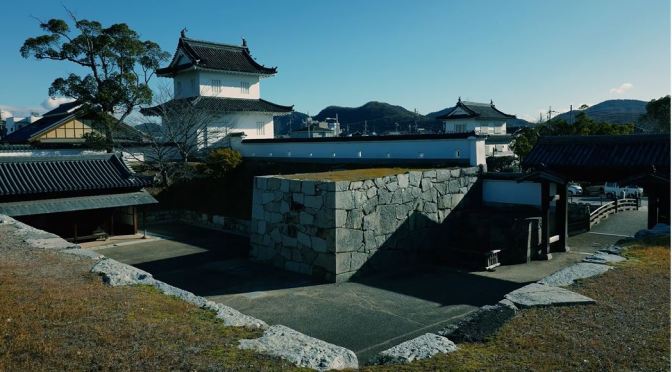
Japan Views: Akō Castle & Story Of The 47 Samurai

There is a very well-known story called “Chushingura” in Japan. It is the story of 47 samurai who gave their lives to avenge the honor of their lord. It inspired over 4,000 ukiyo-e woodblock prints. Performed on stage over 7,000 times in various genres. More than 300 years later, the story continues to inspire novelists and filmmakers. Ako Castle is where the story began. The 47 samurai were the retainers of the Ako clan. The video starts off with this side story, then focuses on the characteristics, the structure of the castle, and the financial support achieved by innovative salt production.

Film Director: Tadahiro Konoe
Film Producer: Tadahiro Konoe
Production Company: curioswitch Inc.
Client: Ako City (Hyogo prefecture, Japan)

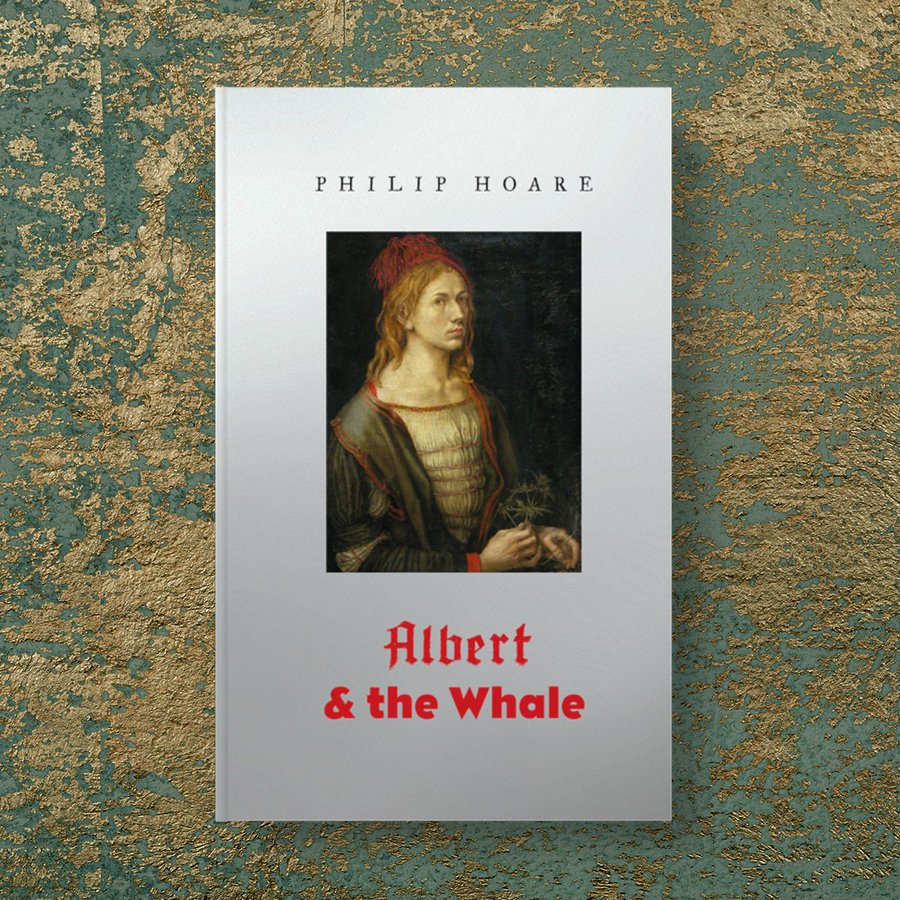
Shakespeare & Company: Author Philip Hoare On ‘Albert & The Whale’ (2021)

Image

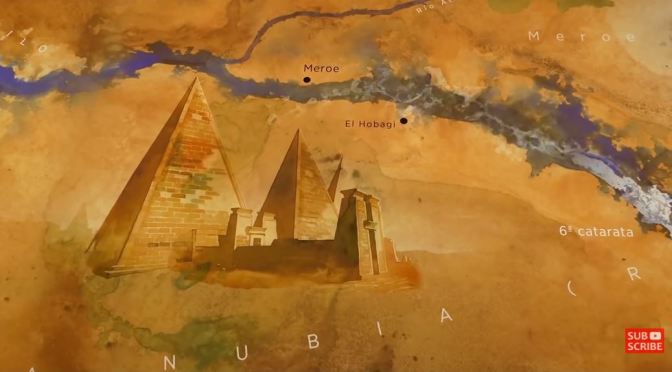
Egyptian History: Saving The Temples On The Nile

A timeless treasure, nearly lost forever. Without the UNESCO‘s unprecedented rescue operation, future generations might have only seen the stunning temples of Ramses II and Cleopatra in the pages of history books. Majestic stone colossi rising from the desert sands, structures like these kept their secrets for generations.

For centuries, Abu Simbel, Dendur, Amada and other monuments faced threats from looters, earthquakes, and floods. Ultimately, it was the waters of the Aswan Dam that nearly sealed their fate. In 1960, then Egyptian President Nasser ordered the dam‘s construction. In order to save the temples of Ramses II and Cleopatra, among others, UNESCO reached out to over 50 countries, and raised $80 million.

After receiving multiple proposals to save the structure, it was one from Sweden that proved successful. The plan: dismantling the complex and rebuilding it on higher ground. Between November 1963 and September 1968, saws were used to cut the two temples into 1,036 blocks, each weighing between seven and 30 tons.

Their new location was 64 meters above the old site and 180 meters further inland. After five years of construction, this major undertaking was completed on September 22, 1968. The Nubian temples of Abu Simbel are now a UNESCO World Heritage Site.