Tag Archives: Scientific American

DO ANT WARS EXPLAIN OURS?

The Intellitake
One argument · Two sides · One verdict · Daily
Monday, September 21, 2026 · The Nature of War Debate
“

A world war is raging at this moment, with millions dying every week on fronts that never make the news. The soldiers are ants — and their war may explain our own.

The Thesis — Mark W. Moffett, The Washington Post

THE ARGUMENT

In the Washington Post, Smithsonian entomologist Mark W. Moffett — who earned his doctorate under E.O. Wilson — opens with a jolt: a world war is raging at this very moment, millions dying each week along battlefronts that never make front-page news. He means the Argentine ants, whose wars, he argues, cast surprising light on human conflict. As Moffett documented in The Human Swarm, one of their supercolonies stretches from the Mexican border past San Francisco, with others along some 2,000 miles of European coast — and where rival supercolonies meet, the borders are battlefronts. His larger claim: ants and humans are the rare species that form anonymous societies, strangers cooperating under shared markers — chemical for them, cultural for us — and with sharply marked societies come sharply defended borders. The us-versus-them that fuels war, on this view, runs deeper than politics.

vs

THE ANSWER

Rutgers anthropologist R. Brian Ferguson, after four decades studying war’s origins, argues in “War Is Not Part of Human Nature” (Scientific American) that the biological story fails on the evidence. Humans have an obvious capacity for war, he writes, but no hardwired propensity: homicide is not war — war is social, groups organized to kill other groups — and if it expressed an inborn tendency, the archaeological record should show it everywhere, always. It doesn’t: whole regions, including the American Southwest and Great Plains, show no evidence of war until roughly 2,000 years ago. On this view, war emerged with changing social conditions in recent millennia — an institution, not an instinct. Ants may be prisoners of their chemistry; we are not.

iC

THE INTELLITAKE

Nobody disputes that the ants are at war; the fight is over whether the analogy travels. Moffett’s case is structural: ants and humans solved the same problem — cooperation among strangers — and inherited the same shadow, the defended border. Ferguson’s case is historical: a true instinct doesn’t skip whole continents for millennia. And the stakes are the largest imaginable. If Moffett is right, hostility to outsiders is the standing price of anonymous society, and peace is a discipline we must maintain against our grain. If Ferguson is right, war is an invention — and what was invented can, in principle, be unmade. Read Moffett for the vertigo; read Ferguson for the reprieve; then decide which one you find harder to believe.

TODAY’S PROVOCATION

When you feel that flash of us-versus-them — at a border, a stadium, a comment section — is that the ant in you, or a habit you were taught?

— THE EDITORS, INTELLICURIOUS —
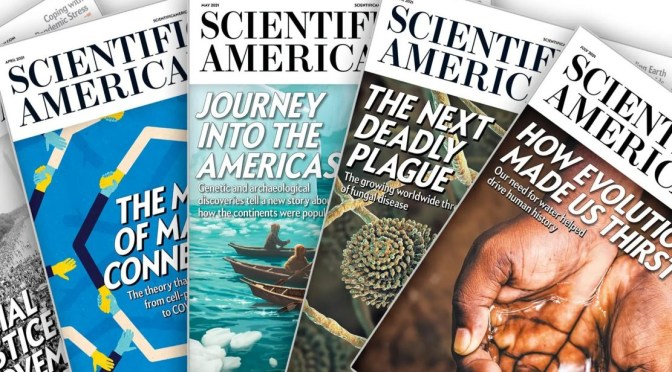
SCIENTIFIC AMERICAN – SUMMER 2025 PREVIEW

Scientific American

SCIENTIFIC AMERICAN (June 3, 2025): The special edition issue features ‘Into The Quantum Realm’….

The Secret to the Strongest Force in the Universe

New discoveries demystify the bizarre force that binds atomic nuclei together

Tomorrow’s Quantum Computers Threaten Today’s Secrets. Here’s How to Protect Them

Researchers are racing to create codes so complex that even quantum computers can’t break them

Quantum Weirdness in New Materials Bends the Rules of Physics

Electrons swarm in a soup of quantum entanglement in a new class of materials called strange metals

Scientific American Magazine – May 2025

How Can We Know If an Asteroid Will Hit Earth? | Scientific American

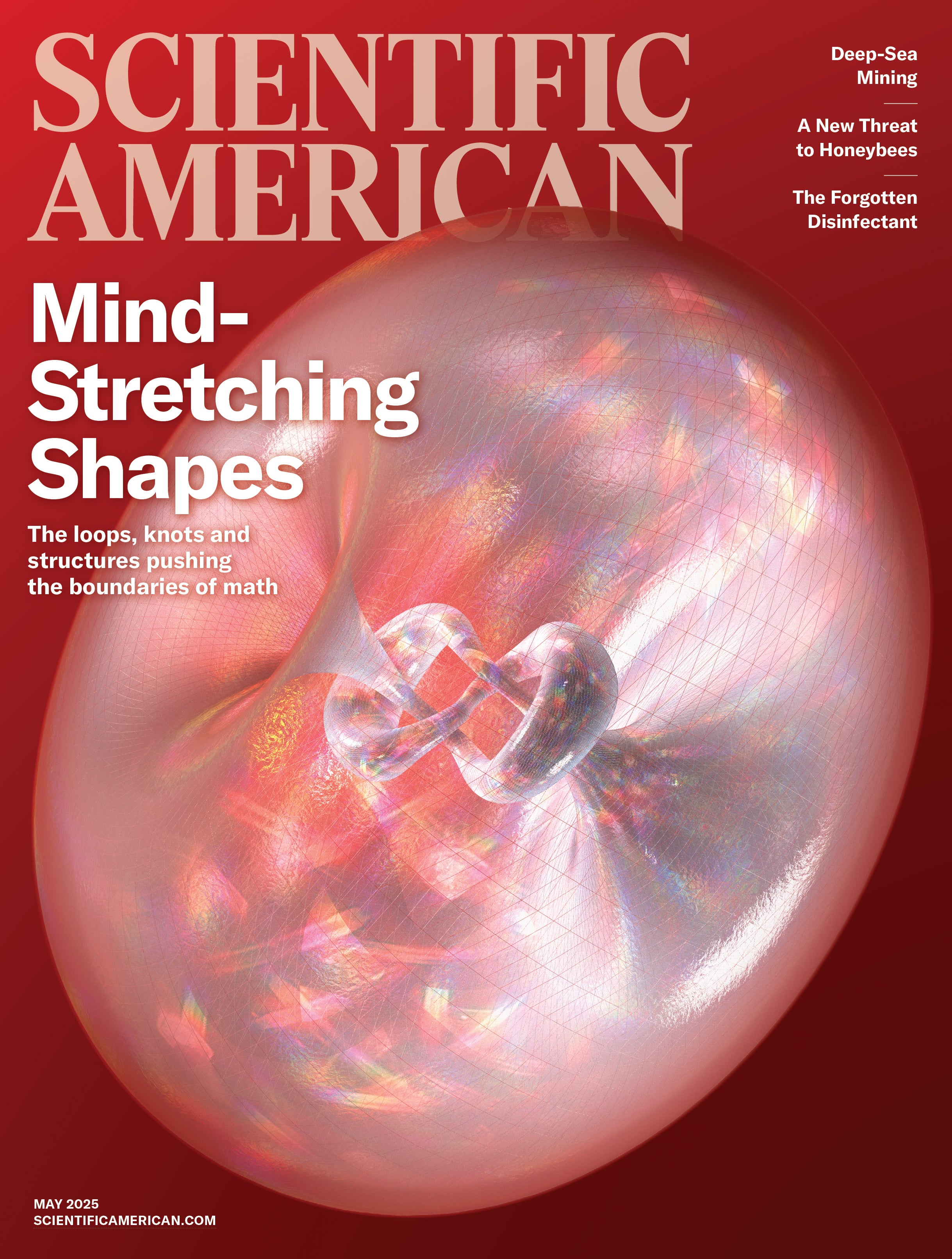
SCIENTIFIC AMERICAN MAGAZINE (April 15, 2025): The latest issue features ‘Mind Stretching Shapes’ – The loops, knots and structures pushing the boundaries of math…

How Can We Know If an Asteroid Will Hit Earth?

Suddenly Miners Are Tearing Up the Seafloor for Critical Metals

Willem Marx

Mathematicians’ Favorite Shapes Hold the Key to Big Mathematical Mysteries

Rachel Crowell, Violet Frances

A Deadly Parasite Threatens Bees and 130 Crops They Help Grow

Hannah Nordhaus

Scientific American Magazine – February 2025

Scientific American

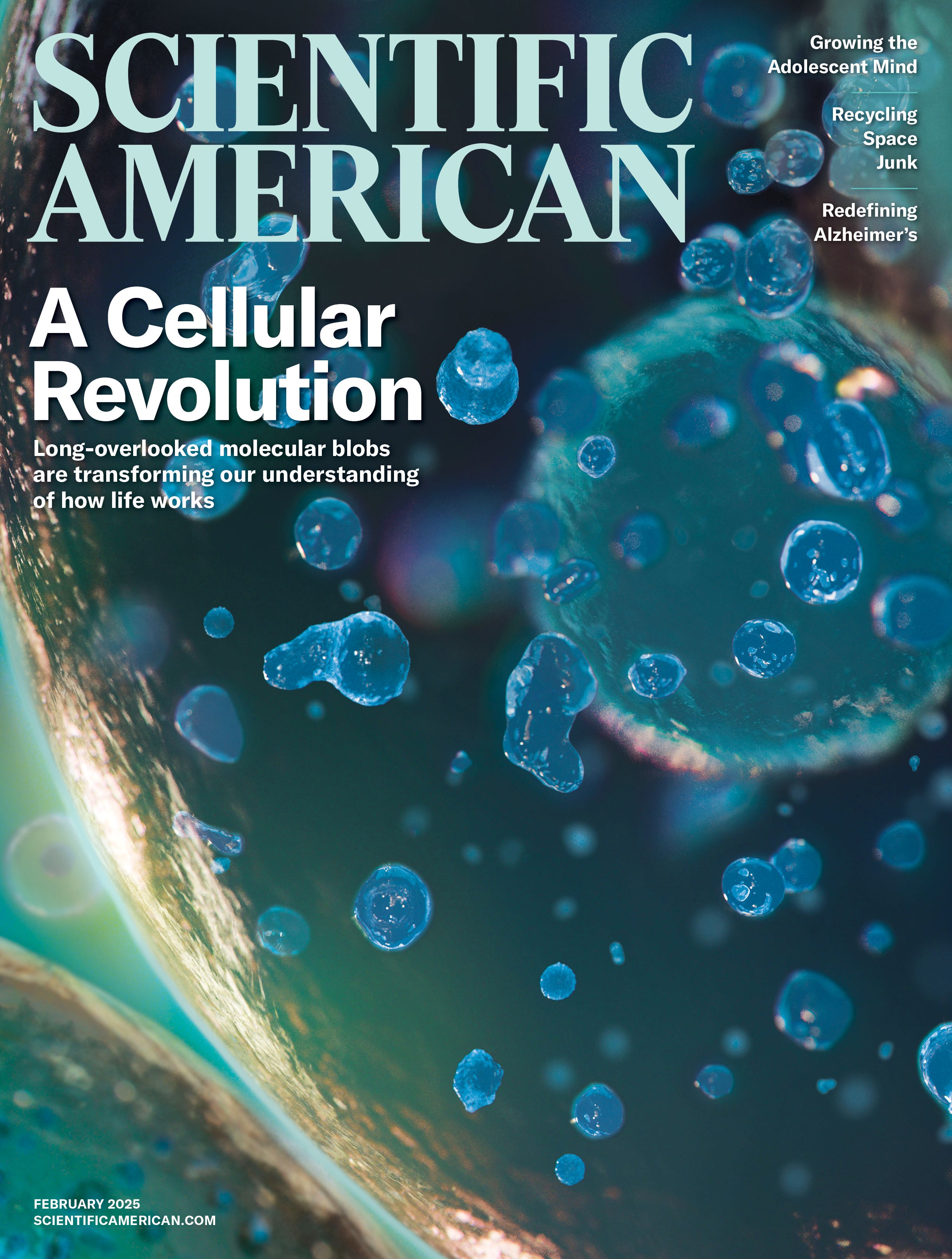
SCIENTIFIC AMERICAN MAGAZINE (January 21, 2025): The latest issue features ‘A Cellular Revolution’ – Long-overlooked molecular blobs are transforming our understanding of how life works….

Mysterious Blobs Found inside Cells Are Rewriting the Story of How Life Works

Tiny specks called biomolecular condensates are leading to a new understanding of the cell

Why We Need to Reduce, Reuse and Recycle in Space

Crushed Rocks Could Be the Next Climate Solution

How Neandertal DNA May Affect the Way We Think

Transcendent Thinking May Boost Teen Brains

Controversial New Guidelines Would Diagnose Alzheimer’s before Symptoms Appear

Scientific American Magazine – January 2025

Image

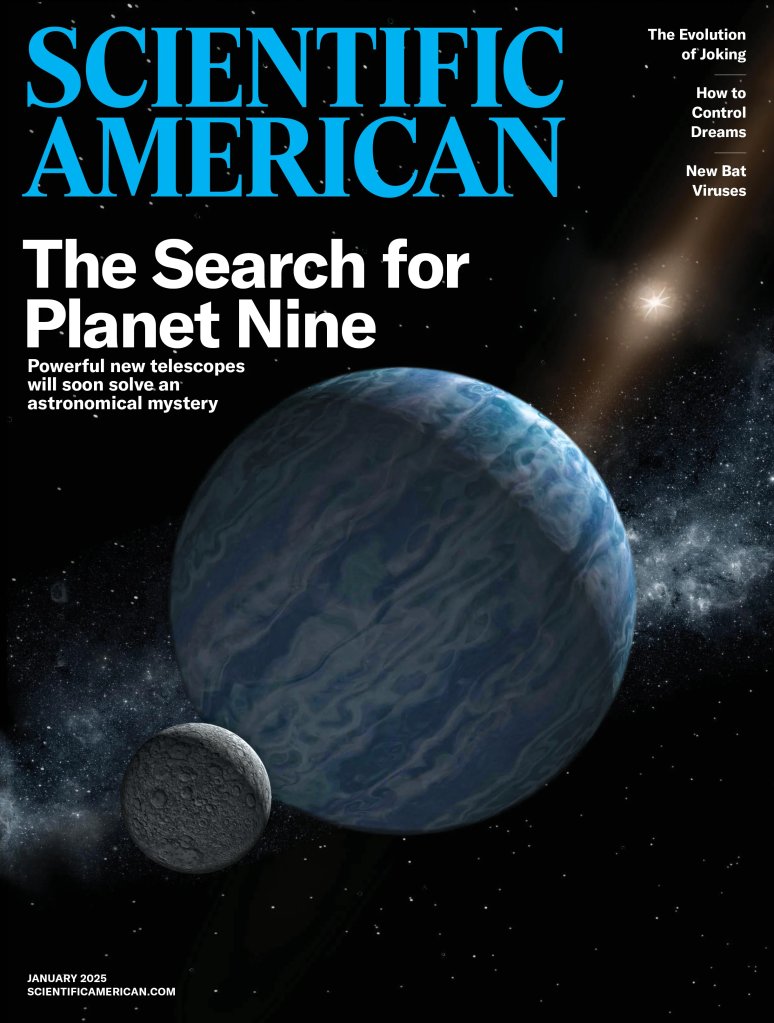
Scientific American (December 17, 2024): The latest issue features ‘The Search for Planet Nine’….

We May Be on the Brink of Finding the Real Planet Nine

If there’s a hidden world in the solar system, a new telescope should find it

Engineering Lucid Dreams Could Improve Sleep and Defuse Nightmares

Great Apes Joke Around, Suggesting Humor Is Older Than Humans

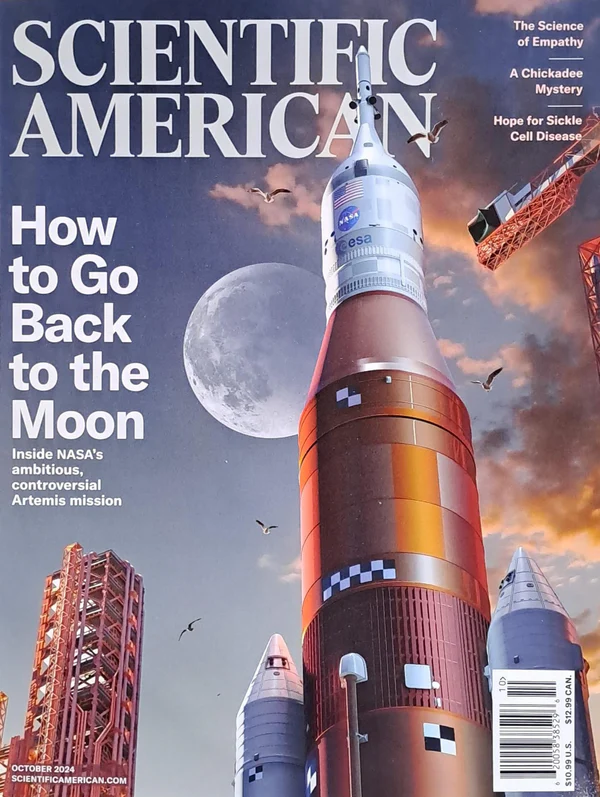
Ideas: Scientific American Magazine – October 2024

Image

Scientific American (September 16, 2024): The October 2024 issue features ‘How To Go Back To The Moon’ – Inside NASA’s ambitious, controversial Artemis mission; The science of Empathy and Hope for Sickle Cell Disease…

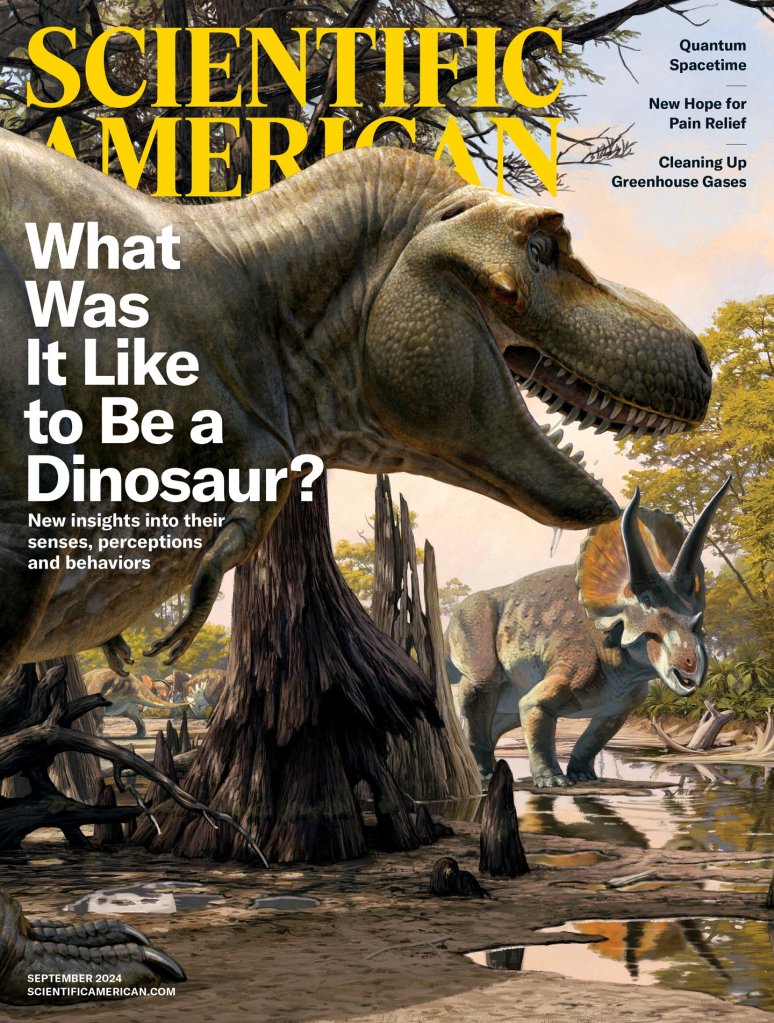
Ideas: Scientific American Magazine – September 2024

Image

Scientific American (August 21, 2024): The September 2024 issue features ‘What Was It Like To Be A Dinosaur? – New insights into their senses, perceptions and behaviors…

What Was It Like to Be a Dinosaur?

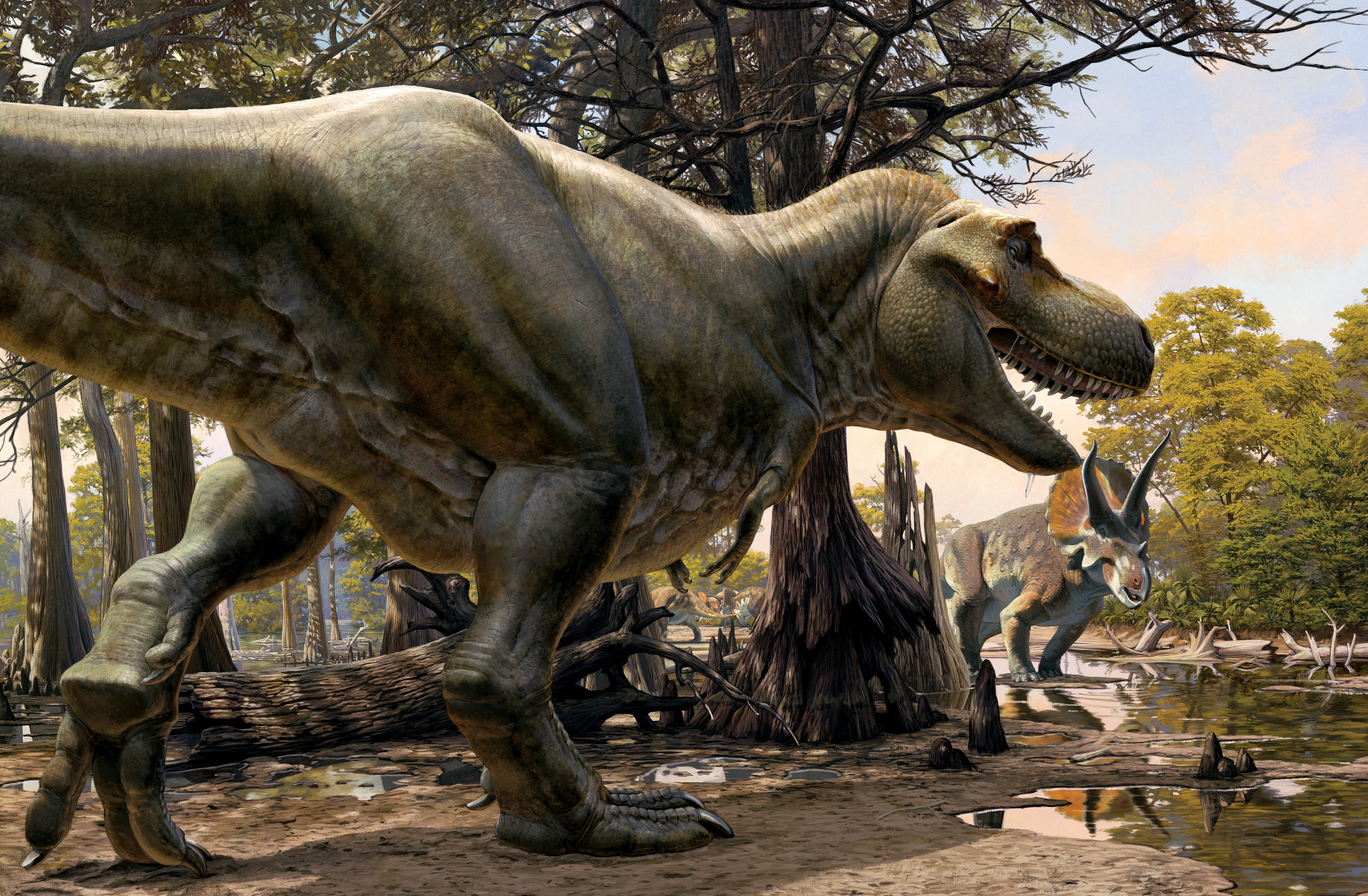
Illustration depicting a t-rex

New fossils and analytical tools provide unprecedented insights into dinosaur sensory perception by Amy M. Balanoff, Daniel T. Ksepka

Alone Tyrannosaurus rexsniffs the humid Cretaceous air, scenting a herd of Triceratops grazing beyond the tree line. As the predator scans the floodplain, its vision suddenly snaps into focus. A single Triceratops has broken off from the herd and wandered within striking distance. Standing motionless, the T. rex formulates a plan of attack, anticipating the precise angle at which it must intersect its target before the Triceratops can regain the safety of the herd. The afternoon silence is shattered as the predator crashes though the low branches at the edge of the forest in hot pursuit.

T. rex has hunted Triceratops in so many books, games and movies that the encounter has become a cliché. But did a scene like this one ever unfold in real life? Would T. rex identify its prey by vision or by smell? Would the Triceratops be warned by a loudly cracking branch or remain oblivious because it was unable to locate the source of the sound? Could T. rex plan its attack like a cat, or would it lash out indiscriminately like a shark?

What If We Never Find Dark Matter?

The inside of a plant facility with gray and yellow equipment

Dark matter has turned out to be more elusive than physicists had hoped by Tracy R. Slatyer, Tim M. P. Tait

Can Pulling Carbon from Thin Air Slow Climate Change?

Alec Luhn

The End of the Lab Rat?

Rachel Nuwer

New Painkiller Could Bring Relief to Millions—Without Addiction Risk

Marla Broadfoot

Can Space and Time Exist as Two Shapes at Once? Mind-Bending Experiments Aim to Find Out

Nick Huggett, Carlo Rovelli

Scientific American Magazine – July/Aug 2024

Scientific American Volume 331, Issue 1 | Scientific American

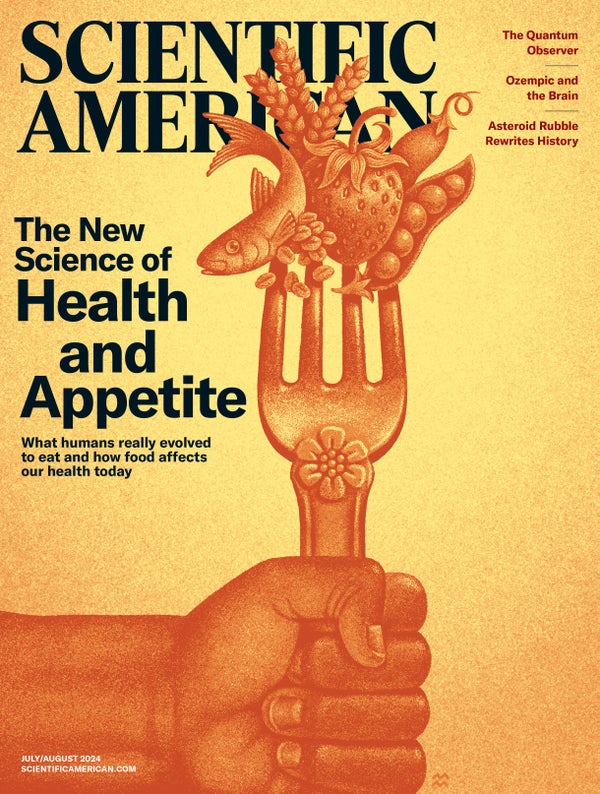
Scientific American (June 26, 2024): The July/August 2024 issue features The New Science of Health and Appetite – What humans really evolved to eat and how food affects our health today…

To Follow the Real Early Human Diet, Eat Everything

Nutrition influencers claim we should eat meat-heavy diets like our ancestors did. But our ancestors didn’t actually eat that way

People Who Are Fat and Healthy May Hold Keys to Understanding Obesity

“Heavy and healthy” can be a rare or common condition. But either way it may signal that some excess weight is just fine

Ozempic Quiets Food Noise in the Brain—But How?

Blockbuster weight-loss drugs are revealing how appetite, pleasure and addiction work in the brain

Scientific American Magazine – June 2024

Readers Respond to the February 2024 Issue | Scientific American

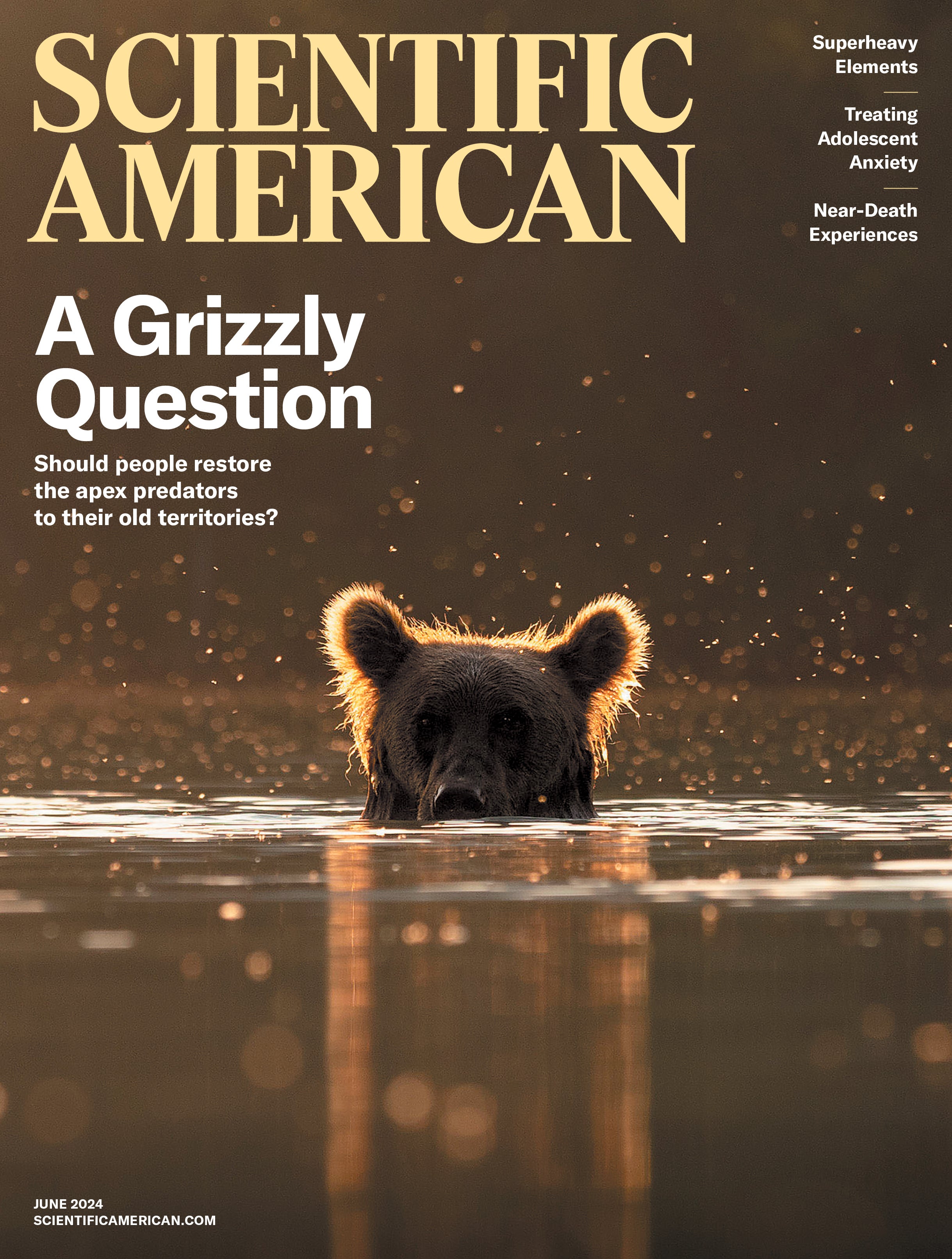
Scientific American (May 15, 2024): The June 2024 issue features:

Grizzly Bears Will Finally Return to Washington State. Humans Aren’t Sure How to Greet Them

BENJAMIN CASSIDY

Lifting the Veil on Near-Death Experiences

RACHEL NUWER

Scientific American Magazine – May 2024

Scientific American Volume 330, Issue 5 | Scientific American

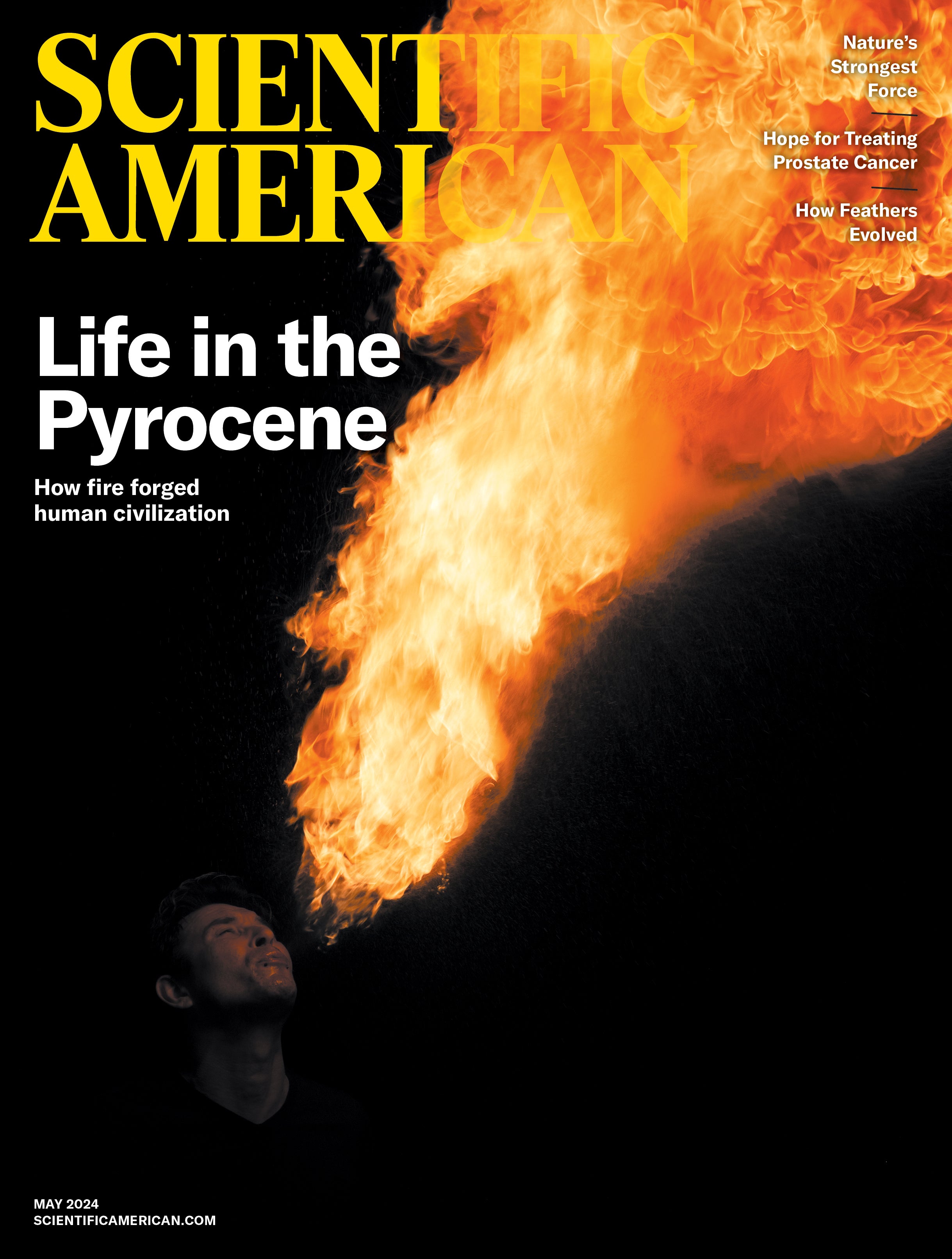
Scientific American (April 17, 2024): The May 2024 issue features:

Fire Forged Humanity. Now It Threatens Everything

Ancient prophecies of worlds destroyed by fire are becoming realities. How will we respond?

The Secret to the Strongest Force in the Universe

New discoveries demystify the bizarre force that binds atomic nuclei together