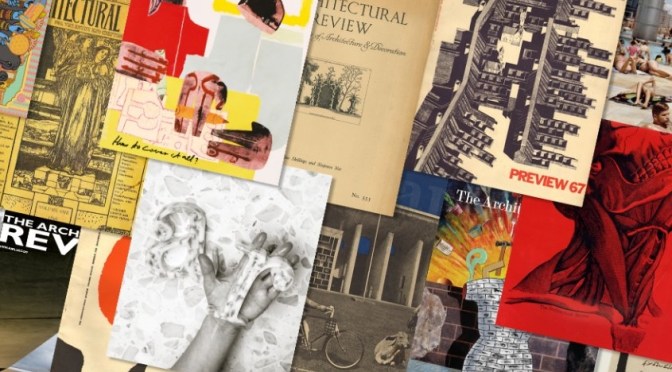

AR June 2022: France
Amelia Tavella Architectes | Kristell Filotico | Atelier Roberta | Patrick Bouchain | Iwona Buczkowska | Barrault Pressacco | NP2F | OFFICE Kersten Geers David …

Amelia Tavella Architectes | Kristell Filotico | Atelier Roberta | Patrick Bouchain | Iwona Buczkowska | Barrault Pressacco | NP2F | OFFICE Kersten Geers David …
President of the European Commission, Ursula von der Leyen heads to the Middle East. Plus: Boris Johnson’s plan to alter the Northern Ireland protocol, Wikipedia fights a Russian order to remove information on the conflict in Ukraine and are Vienna’s famous horse-drawn carriages under threat?
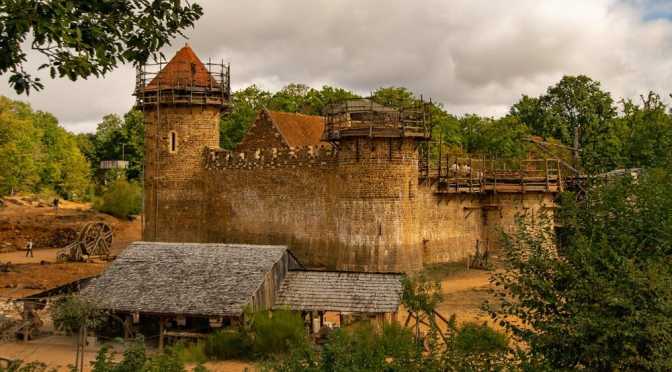
More than 20 years ago, a community of men and women in the French region of Burgundy set themselves a massive challenge: to build a castle using the techniques of the Middle Ages. The site in the town of Guédelon is open to visitors, offering them an immersion into the 13th century. Today, nearly 40 people work every day on this medieval construction site. Stone quarrying is the first step in building a castle. And to transport the stones to the site, modern machines are banned: everything is done like in the 13th century, with horsepower.
A selection of three essential articles read aloud from the latest issue of The Economist. This week, why foundation models are artificial intelligence’s new frontier, the stagnation nation: a chronic British disease (10:30), and why visiting the scenes of stories is an act of imagination (18:20).
Monocle’s editorial director Tyler Brûlé, Benno Zogg and Aleksandra Tirziu discuss the weekend’s biggest news stories. Plus, check-ins with our friends and correspondents in Ljubljana, Berlin and Lausanne.

Control
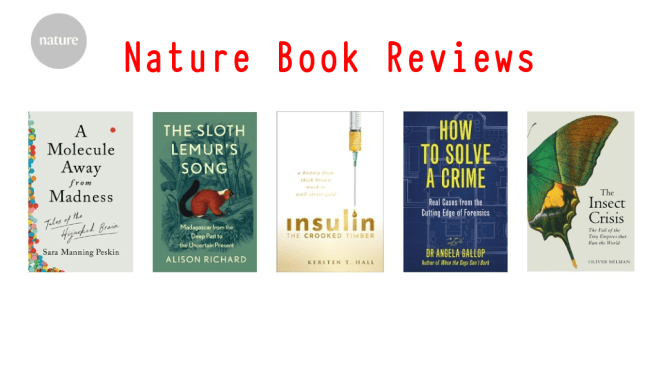
Adam Rutherford Weidenfeld & Nicolson (2022)
When Charles Darwin’s cousin, Francis Galton, coined the word eugenics in 1883, he called it the study of the conditions under which “men of a high type are produced”. This gross idea led to the gates of Auschwitz, reminds broadcaster Adam Rutherford (an alumnus of the Galton Laboratory, former name of University College London’s human‑genetics centre). It hasn’t gone away, he explains in his timely salvo on the politics and history of notions that dog genetics, events up to and after the ‘CRISPR twins’ and the resurgence of white supremacy.
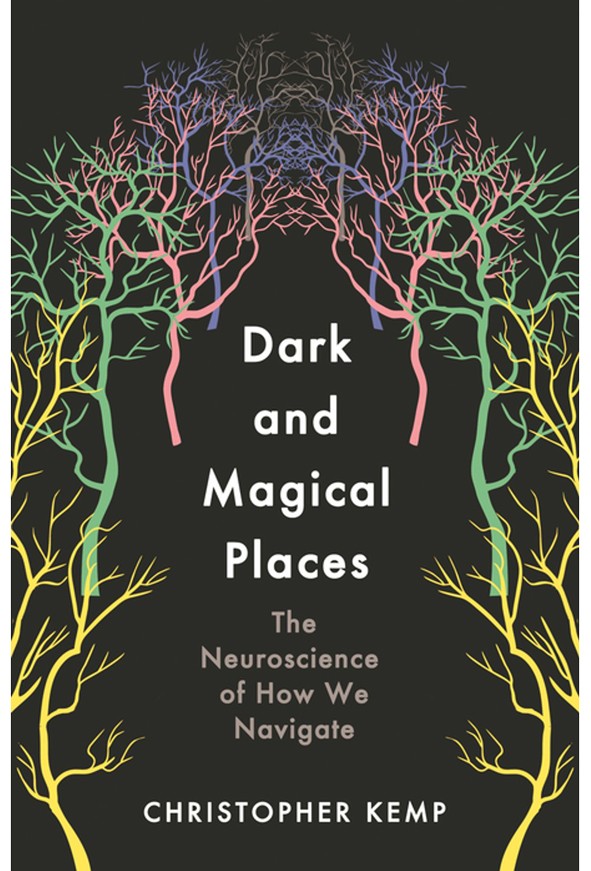
Dark and Magical Places
Christopher Kemp Profile/Wellcome Collection (2022)
“I have no sense of direction,” confesses molecular biologist Christopher Kemp — unlike his wife, “an effortless and intuitive navigator”. Once, in a mirror maze, he was transfixed with alarm, and had to be pulled out by his seven-year-old son. Many others experience similar disorientation, sometimes with disastrous results, as when hikers get lost. Their stories vitalize this compelling study of the brain, memory and navigation, in which one psychologist compares our understanding of parts of the brain with knowledge of black holes.
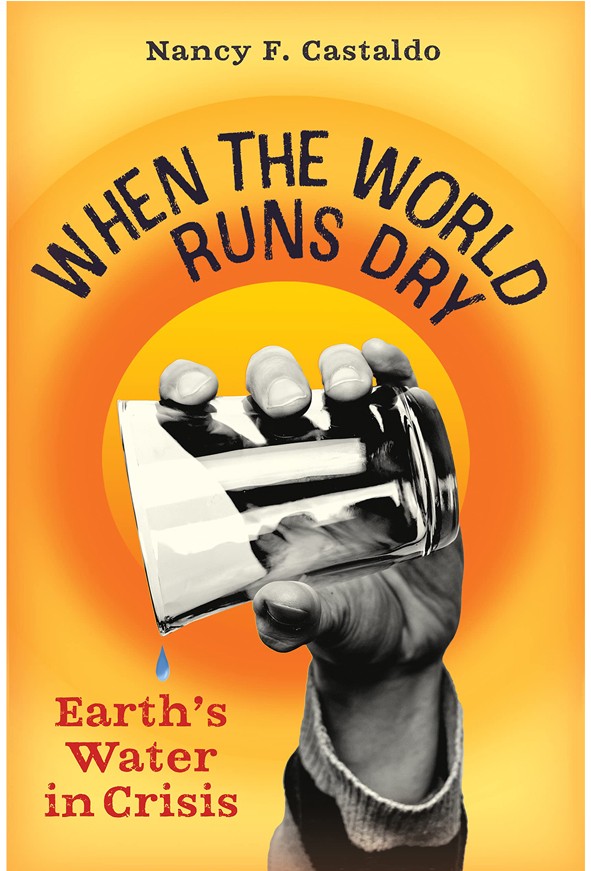
When the World Runs Dry
Nancy F. Castaldo Algonquin (2022)
Globally, millions of people must walk up to 6 kilometres daily to get clean water, says environmental writer Nancy Castaldo. Moreover, each year, more children die as a result of water contamination than from violence, including war, said the United Nations in 2019. Castaldo’s alarming book discusses many examples of shortages and tainting, ranging from drought in Cape Town, South Africa, to lead pollution in Flint, Michigan. She concludes with realistic steps to reduce domestic consumption and contamination.
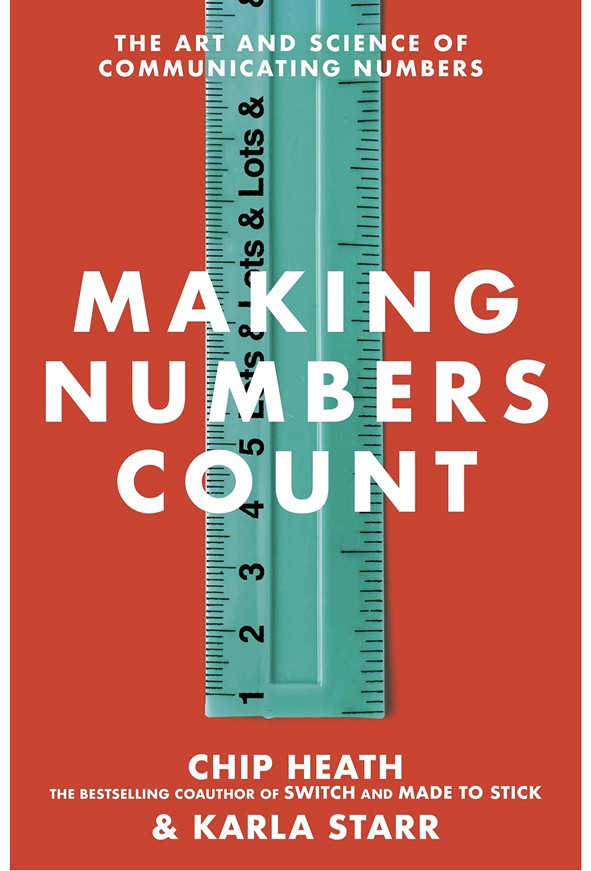
Making Numbers Count
Chip Heath and Karla Starr Avid Reader (2022)
Business scholar Chip Heath and science journalist Karla Starr are familiar with the need to “translate numbers into instinctive human experience”, informatively and memorably. Unable to find a book on the subject, they decided to write their own. Their diverse guide bubbles with translated statistics. For example, there are about 400 million civilian-owned firearms in the United States — that translates into one for every adult and child, with around 70 million left over.
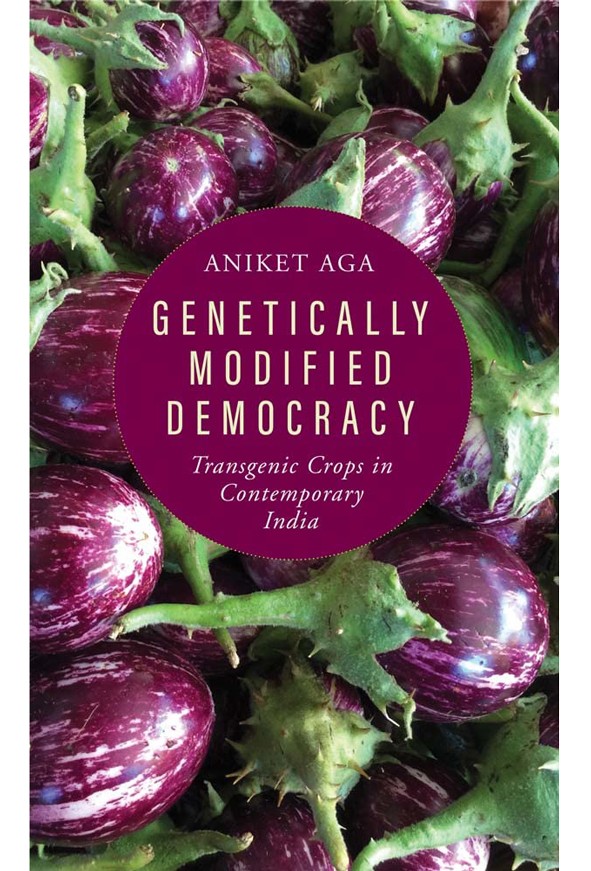
Genetically Modified Democracy
Aniket Aga Yale Univ. Press (2021)
India’s 1960s Green Revolution began without much deliberation. The government promoted high-yielding varieties of wheat and rice, and guaranteed purchase prices. This helped “already well-off, landed farmers”, notes environmentalist Aniket Aga, but led to huge debts for the struggling majority. When genetically modified crops reached India in 2002, they cultivated much more scrutiny, involving scientists, seed companies, farmers, consumers and the state. Aga describes the debate, without claiming to provid
Georgina Godwin sets the tone for the weekend. Simon Brooke reviews the day’s papers and we revisit the world’s largest furniture fair, Salone del Mobile in Milan.
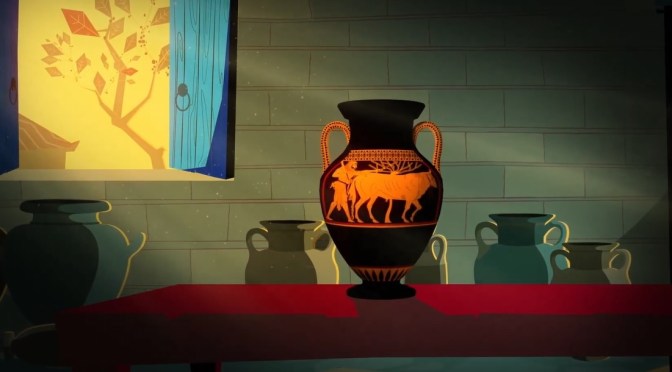
In this five-minute animated video, journey back to the 6th-century BCE workshop of the Athenian master Andokides and witness an ancient artist’s moment of creative ingenuity. For generations Athenian vase painters had employed black-figure technique, in which the figure is painted in a mixture of clay and water called slip and details are incised with a sharp tool.
At some point—we don’t know precisely when or why—a vase painter had the idea to reverse the scheme, leaving the figures the color of the clay and painting details with a brush. We now call this red-figure technique. Learn how ancient vase painters created vases in both styles and marvel at the technical virtuosity of the multi-step firing process that contributed to their distinctive, high-contrast look.