When it comes to knowing yourself, your own perception of your personality doesn’t necessarily align with that of people around you. But which is more accurate? And can discovering your true nature lead to a better life?
The International Liquid Mirror Telescope, perched high in the Himalayas, has finally started making observations. If it succeeds, we could one day put a much larger liquid telescope on the moon
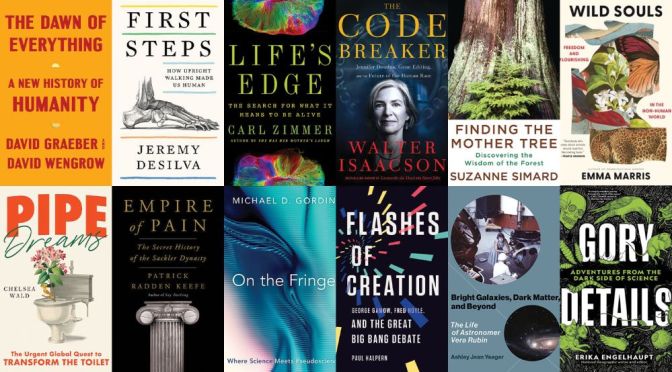
Smithsonian Magazine – Ten Best Science Books of 2022 – December 7, 2022: From a detective story on the origins of Covid-19 to a narrative that imagines a fateful day for dinosaurs, these works affected us the most this year
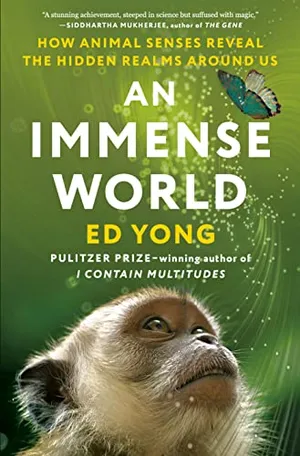
An Immense World: How Animal Senses Reveal the Hidden Realms Around Us by Ed Yong
In An Immense World, science journalist Ed Yong dives into the vast variety of animal senses with a seemingly endless supply of awe-inspiring facts. As humans, we move through the world within our Umwelt—a term for subjective sensory experience Yong borrows from the Baltic German biologist Jakob von Uexküll. But every creature on Earth has its own Umwelt that we can scarcely imagine. Through interviews with scientists around the globe, Yong teases out the astonishing details of other animals’ perceptions, introducing us to their fantastic Umwelten. Scallops, for example, have up to 200 eyes with impressive resolution, but their brains are likely not complex enough to receive and process such crisp images. Some butterflies can perceive ultraviolet color patterns on their wings that distinguish them from other species. And hammerhead sharks have receptors that scan the seafloor for the electric fields emitted by hidden prey, “as one might use metal detectors,” Yong writes. But many creatures’ senses have been thrown off by human activity, he notes. For example, our visually centered society has erected artificial lights that disorient migrating birds and hatchling sea turtles.
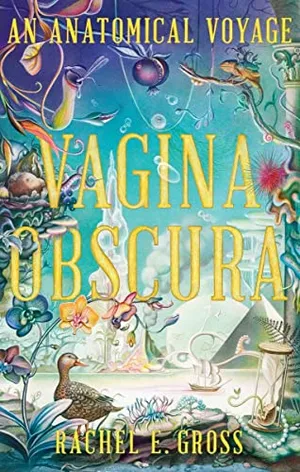
Vagina Obscura: An Anatomical Voyage by Rachel E. Gross
Perhaps no aspect of our anatomy is both more fascinating and misunderstood than the vagina—down to the very common usage of what that word means. A vagina isn’t the whole of a woman’s reproductive anatomy. Instead, the vagina is a muscular canal that’s part of many people’s reproductive systems, of varying genders, whether they were born with it or had it surgically constructed. Nuance exists in this territory that is so often overwhelmed by a tangle of science, myth and cultural perceptions, and journalist Rachel E. Gross has composed an enthralling, sensitive book that’s relevant to everyone no matter what your personal topography looks like.
The pages of Vagina Obscura contain plenty of cutting-edge popular science and historic reflection on everything from how ovaries were once miscategorized as female testicles to how operations for individuals injured in war paved the way for gender-affirming surgeries. The book is arranged by anatomical part, and Gross details the function each part carries out. Gross’ work stands out because the unfolding story is couched in what we’ve been wrong about, how our ideas have changed, and how every person—no matter their sex—shares far more in common than we often recognize. Everyone’s reproductive anatomy, as Gross notes, is made up of the same parts in different arrangements, a quirk of human development that underscores commonality. Gross’ exploration is far more than a natural history of human anatomy, but a narrative that busts myths and celebrates all that we’ve come to know about vaginas and their associated parts during a time when such clarity on sex, gender and bodily autonomy is more needed than ever. Where the popular understanding of human anatomy is sometimes shallow, Vagina Obscura brings depth. (Riley Black)
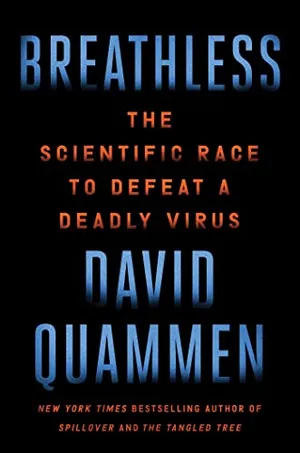
Breathless: The Scientific Race to Defeat a Deadly Virus by David Quammen
In Breathless, David Quammen has constructed a masterful book about scientists’ efforts to understand SARS-CoV-2, the virus that causes Covid-19. Make no mistake, the book is not about healthcare and our response to Covid-19. The main character in this tale is the virus, and Quammen crafts a detective tale about the coronavirus SARS-CoV-2 by chronicling the efforts of scientists around the world to identify it, search for its origins, understand how it mutates and respond to it. He interviewed 95 scientists and allows readers to look over the shoulders of many of them as they use their specialized expertise to study the virus. To show how the scientific process works on a global scale, he details the work of a genomic epidemiologist here, an evolutionary virologist there and a computational biologist somewhere else. Each expert adds or refutes some important detail about the rapidly evolving virus that has created a pandemic. Each discovery builds on those that came before.
Quammen has said he wrote the book with no outline, instead allowing each addition to naturally form on the next, in the way a crystal forms. He has the skills and knowledge to do this thanks to decades spent writing captivating science books, on everything including evolution and the spillover of disease from animals into humans. What results from his immense effort is a solid, reliable and entertaining scientific thriller about a shifty and prolific virus that is still very much evolving. (Joe Spring)
Now, I understand that their gift is their song, but that wasn’t really what I had expected as a housewarming present when I invited Elton John and Bernie Taupin to a party at my new home, especially after I specifically asked them to bring ice.
Felix had an accident during nap time and doesn’t have a spare pair of pants at school. If Felix’s father is listed as the primary point of contact on all documents, how many times does the school call his mother?
Two million year-old DNA found in frozen soil has been sequenced, revealing a surprising picture of an ancient landscape. Extinct creatures including, unexpectedly, elephant-like mastadons turn out to be among the beasts roaming Greenland. Researcher Eske Willerslev explains how DNA found in the environment can be used to reconstruct the past as so-called ‘eDNA’ becomes a vital tool for palaeontologists.
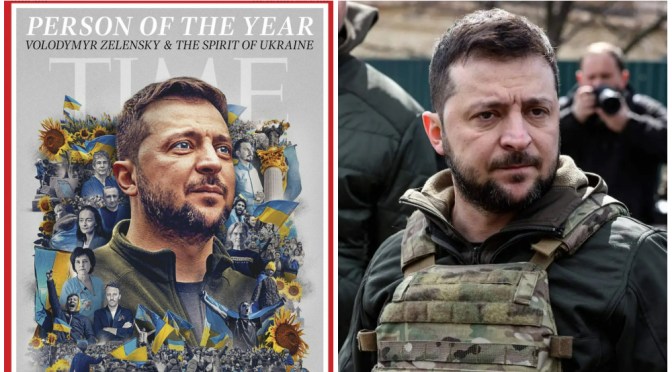
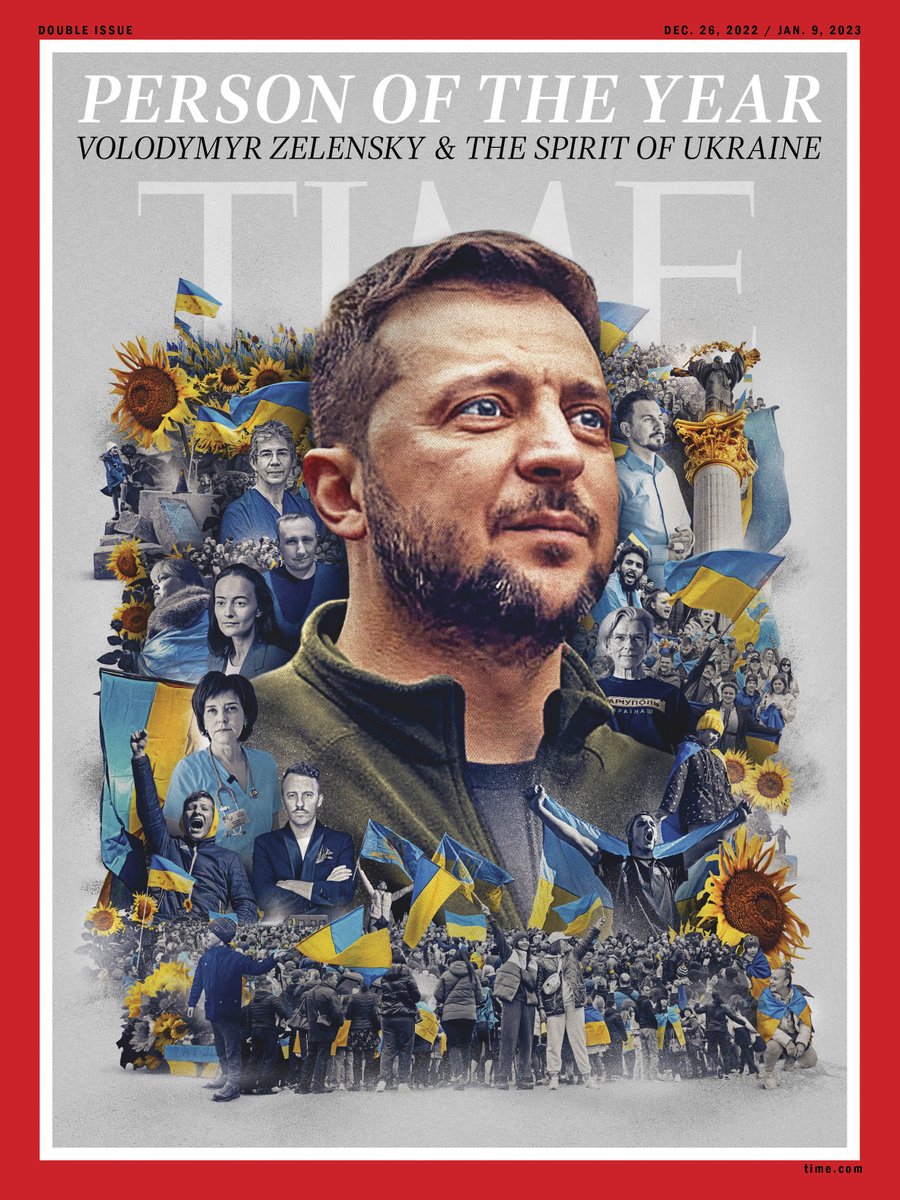
Zelensky has led Ukraine as it has worked to hold off a full-scale Russian invasion of the country since late February, becoming a leader on the world stage. He has overseen a series of victories in the war that has largely halted Russia from advancing and allowed Ukraine to retake captured territory.
An exhibition at the Metropolitan Museum of Art displays the extravagant Tudor taste for jewels, artworks, tapestries, and other finery.
The Tudors: Art and Majesty in Renaissance England an exhibition at the Metropolitan Museum of Art, New York City, October 10, 2022–January 8, 2023; the Cleveland Museum of Art, February 26–May 14, 2023; and the Legion of Honor, San Francisco, June 24–September 24, 2023
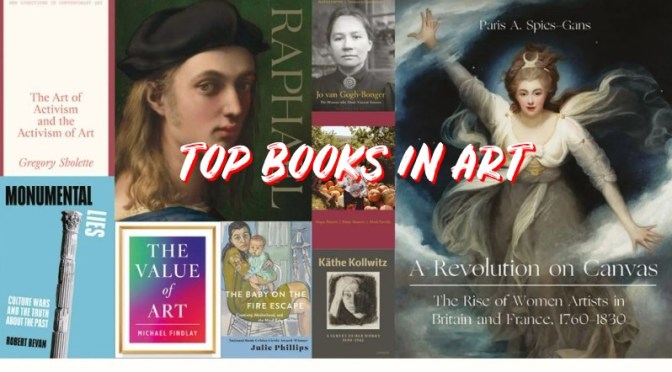
The Art Newspaper (December 6, 2022) – The books team at The Art Newspaper has waded through the piles of art tomes published this year so you don’t have too. Below, each editor has picked three publications that shone through in 2022.
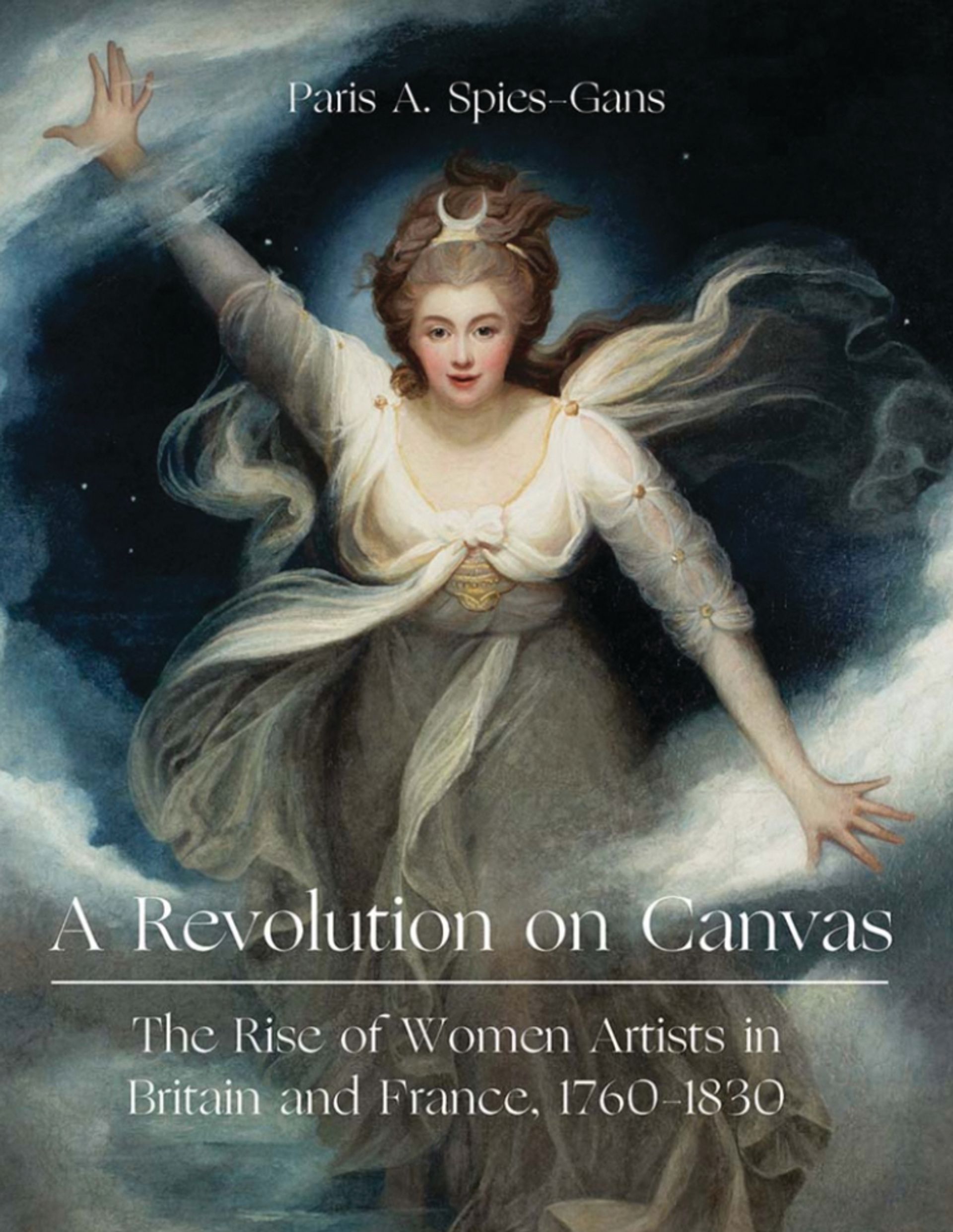
A Revolution on Canvas: The Rise of Women Artists in Britain and France 1760-1830 by Paris A. Spies-Gans (Paul Mellon Centre/Yale)
The miniaturist Sarah Biffen (subject of the excellent Without Hands show at Philip Mould gallery in London, until 12 December, and accompanying publication), born with no arms or legs, was one of many professional women artists to exhibit in major venues in Paris and London between 1760 and 1830, beyond the few currently celebrated (Angelica Kauffman, Élisabeth Vigée Le Brun, etc.), as Spies-Gans’s exhaustive, groundbreaking research reveals in this beautifully produced book.
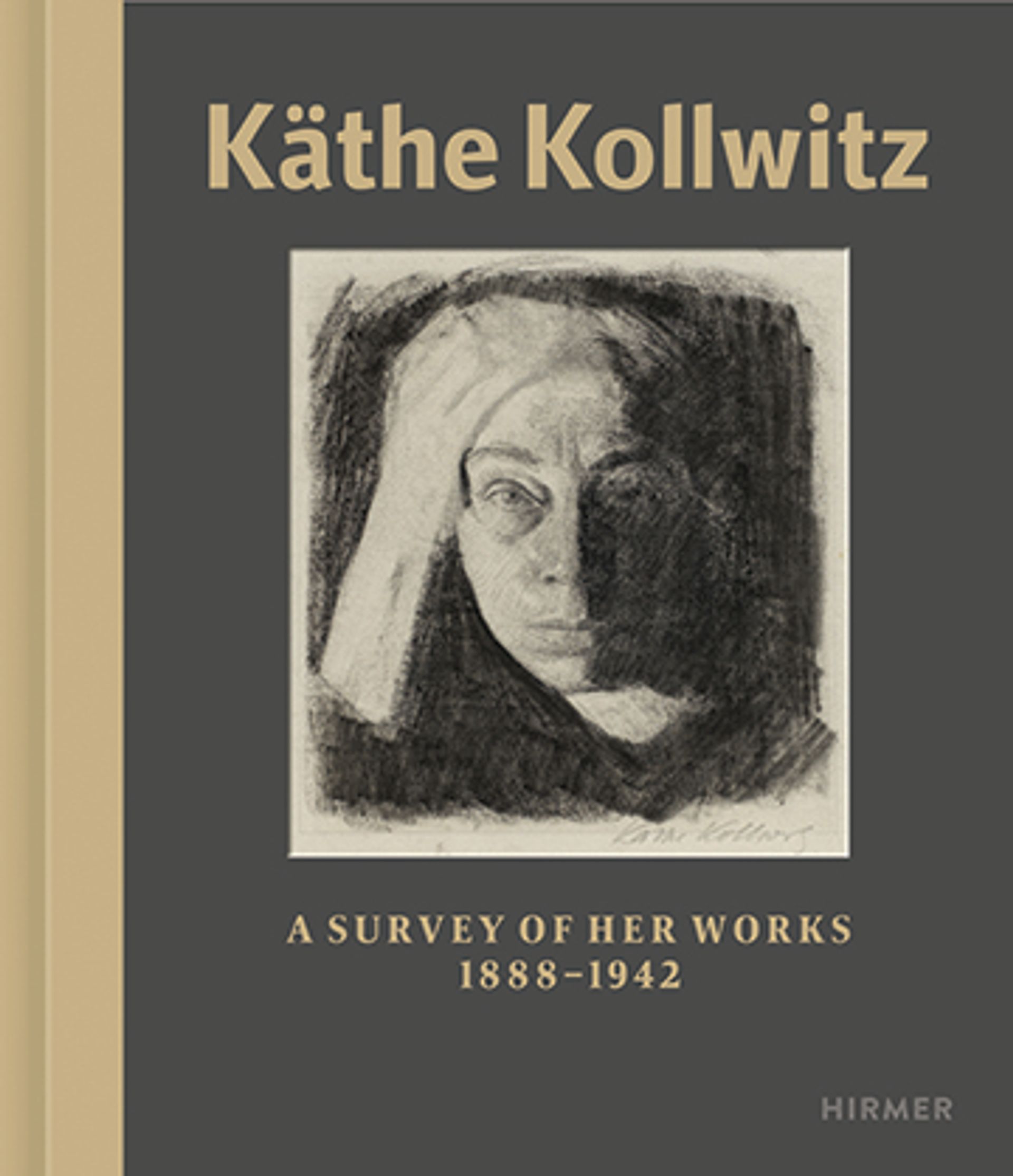
Käthe Kollwitz: A Survey of Her Works 1888-1942, edited by Hannelore Fischer (Hirmer/Käthe Kollwitz Museum)
This year has been a particularly good one for stand-alone publishing on historic and Modern women artists, and women’s significant influence within the international art world—fingers crossed this signals a shift (at last) from niche to mainstream. Honourable mention goes to Lund Humphries’s Illuminating Women Artists series, with two books in the bag (Luisa Roldán and Artemisia Gentileschi) and two more scheduled for 2023 (Elisabetta Sirani and Rosalba Carriera). It was a brutal selection process, but the first of my top three, from the many excellent books we reviewed over the last year, is Fischer’s Käthe Kollwitz. Kollwitz’s brilliance requires no introduction, but this exquisitely illustrated survey, while exploring her many iconic works, draws attention to lesser-known imagery including her subtly erotic subjects.
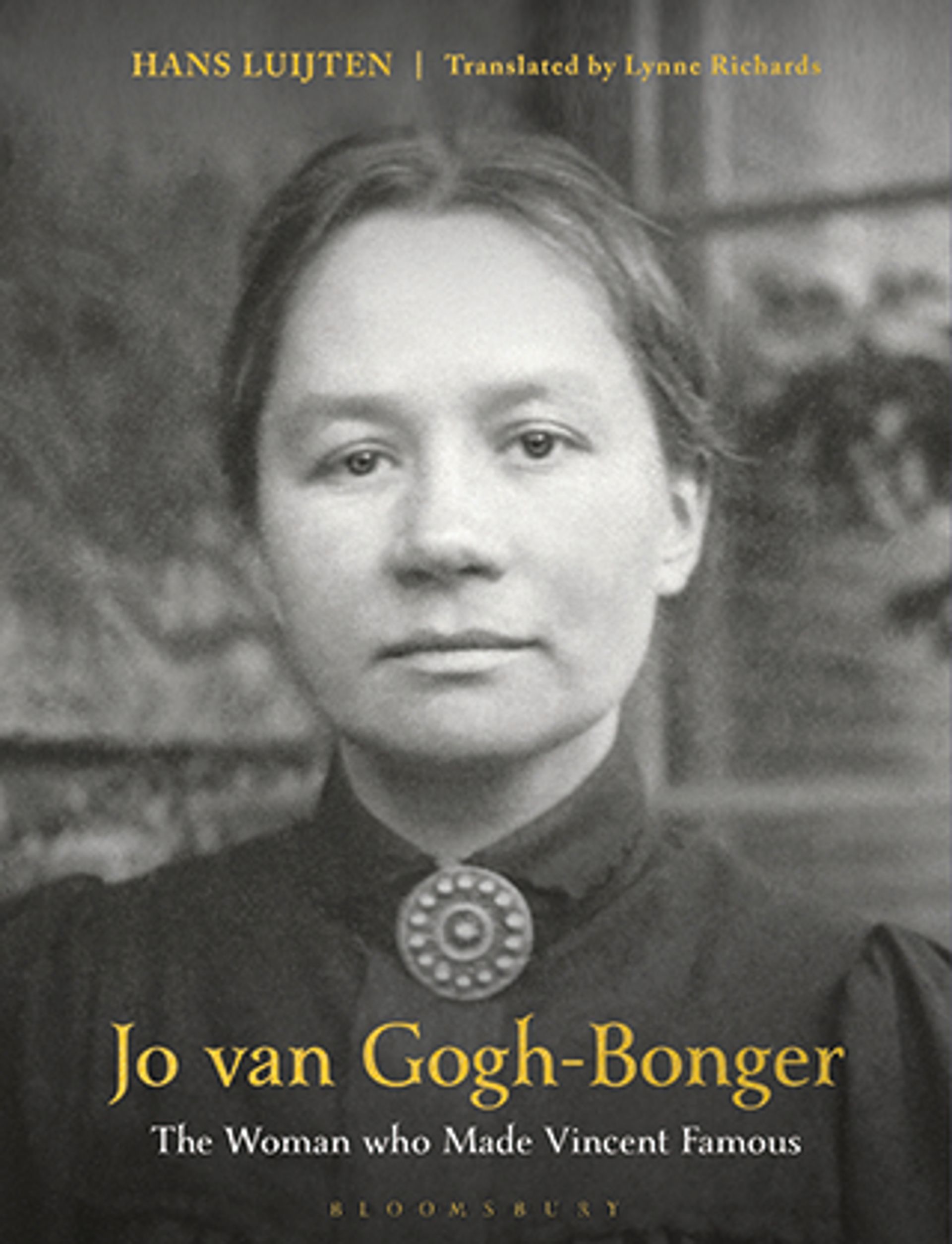
Jo van Gogh-Bonger: The Woman Who Made Vincent Famous by Hans Luijten, translated by Lynne Richards (Bloomsbury)
Chicago University Press’s first English translation of the Parisian art dealer Berthe Weill’s 1933 memoir was pipped to the post by this superb biography of the equally extraordinary Jo van Gogh-Bonger. So much has been written on Vincent van Gogh that you wonder what more can be said. It turns out much more on the woman who was the early driving force behind the Dutch artist’s legacy.
Gareth Harris, book club co-editor and chief contributing editor
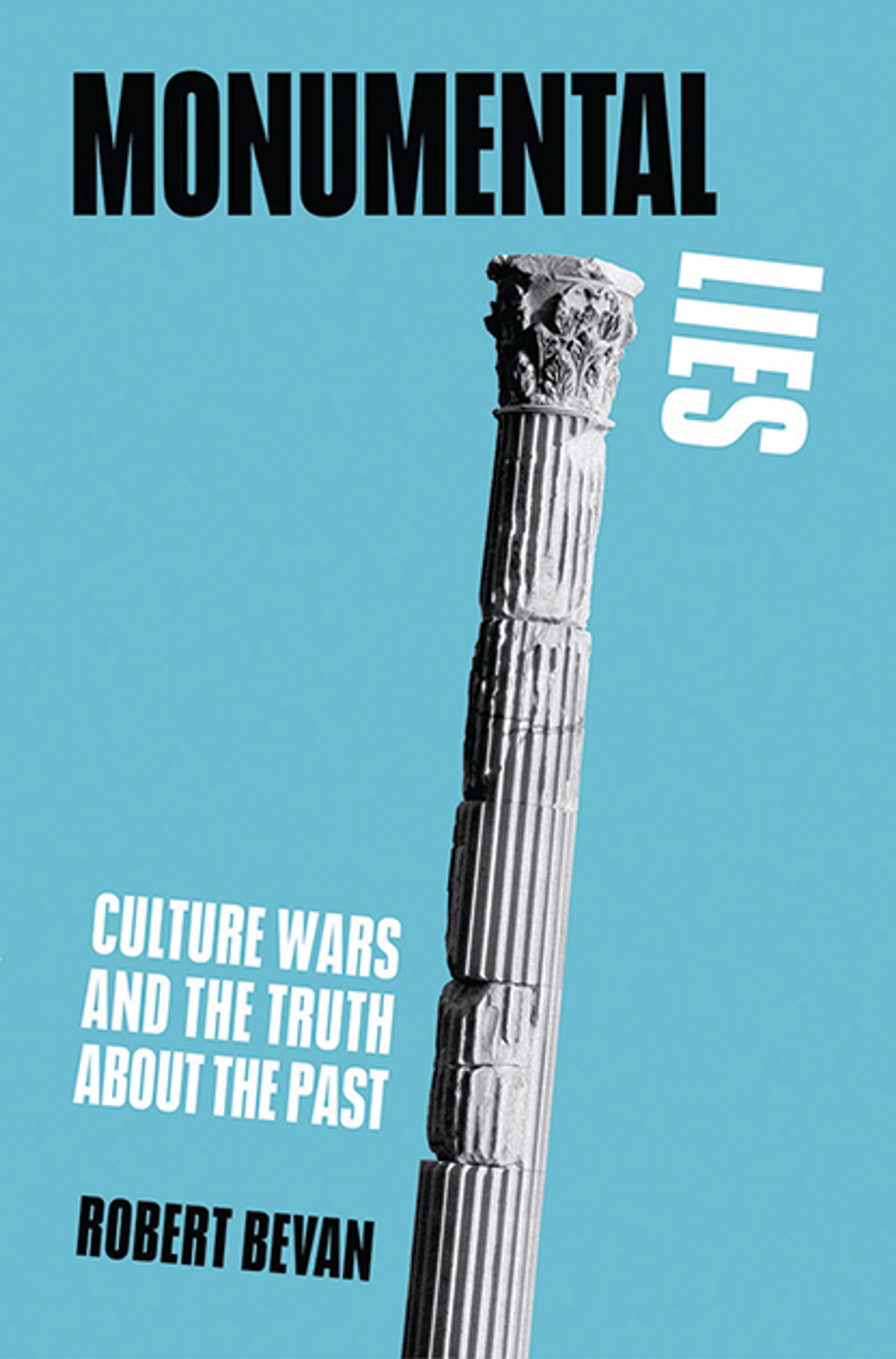
Monumental Lies: Culture Wars and the Truth About the Past by Robert Bevan (Verso)
More and more commentators are making their voices heard in the clamour around today’s so-called “culture wars”, outlining the ideologies behind the destruction of, for instance, historic statues. Bevan astutely argues that those who manipulate our cultural past are shaping our future, making the case that historic buildings have become battlegrounds for right-wing and nationalist political arguments. Interestingly, he also questions the authority of Unesco. In one of many polemics, he says: “At the same time as its role in protecting culture has become suffocated by national interests, Unesco now appears to operate on the premise that any wartime damage should be undone.”
The Value of Art by Michael Findlay (Prestel)
This updated version of The Value of Art, first published in 2012, features important new material, focusing on, for instance, the rise of NFTs. Findlay asks, “where are the NFT art critics?… there is little discourse on the relative aesthetic qualities of the images themselves”. He also has strong opinions on “protest art”, saying: “In very broad terms, artists represent the protesting class while collectors represent the museum trustee class, and while the cultural ecosystem needs both, on issues of social justice they are often on different sides of the barricades.”
The Art of Activism and the Activism of Art by Gregory Sholette (Lund Humphries)
As a key member of the activist group Gulf Labor Coalition, Gregory Sholette has a unique perspective. Sholette examines this fascinating subject “from the perspective of an artist and activist who has been active in the field since the 1980s,” writes the art historian Marcus Verhagen in the introduction. This informed analysis spans more than 60 years of art activism, from the Situationist International group of social revolutionaries (1957-72), which directly engaged with the student uprisings in Paris in May 1968, to Black Lives Matter today, which has “unquestionably set a new high bar for protest aesthetics”, Sholette says.
José da Silva, book club co-editor and exhibitions editor
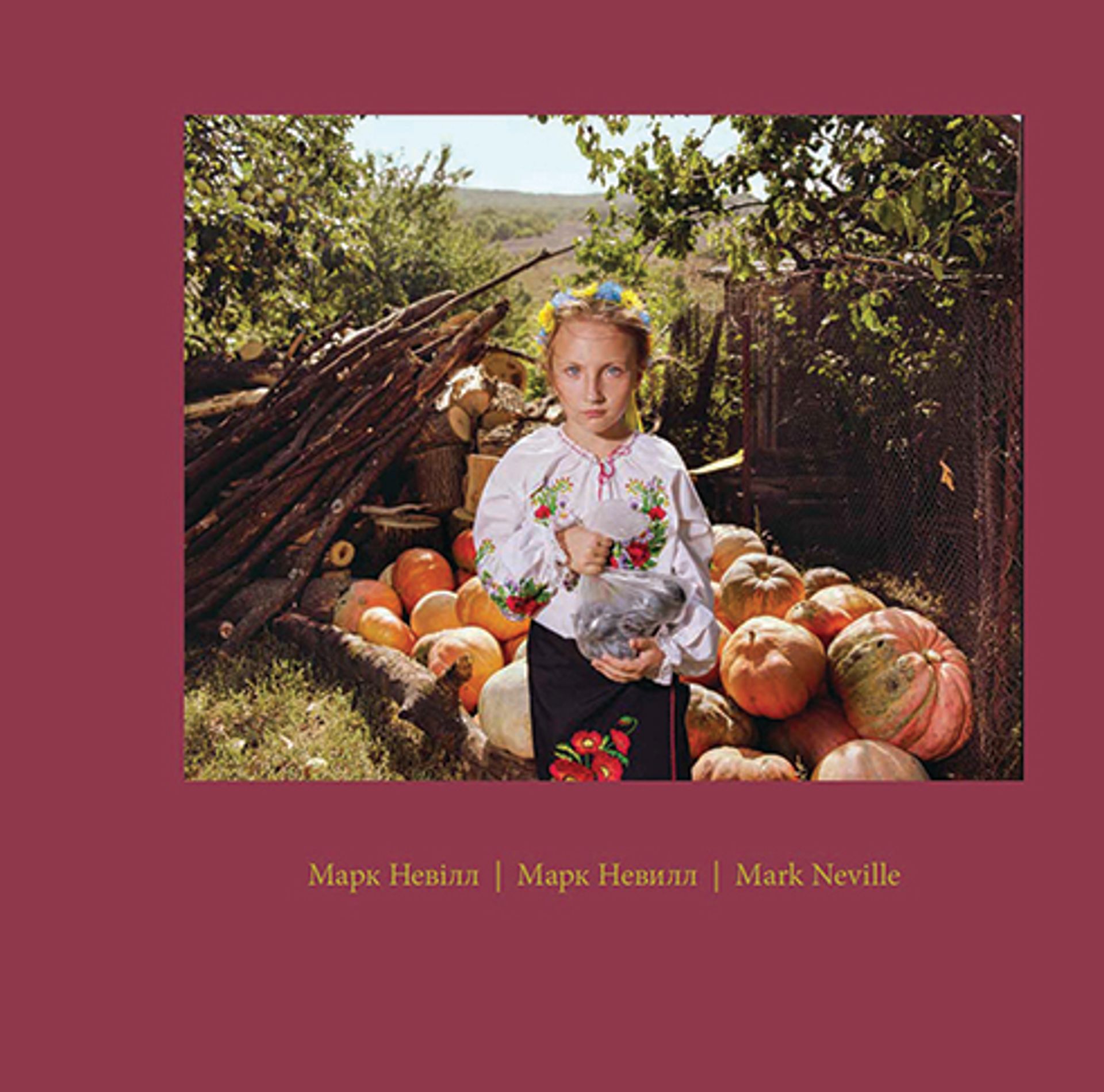
Stop Tanks With Books by Mark Neville (Nazraeli Press)
Neville’s photobook of Ukrainian life before Russia’s invasion in February is both a call to arms—the photographer sent 750 free copies to influential people who might “have it in their power to help Ukraine”—and a stark reminder that Ukraine was already at war in its east, as depicted in the photographs of soldiers manning trenches and checkpoints. However, it is the tender portraits of everyday life—people at the beach, in school, at a rave, eating ice cream—that really bring home the tragedy that has unfolded in Ukraine.
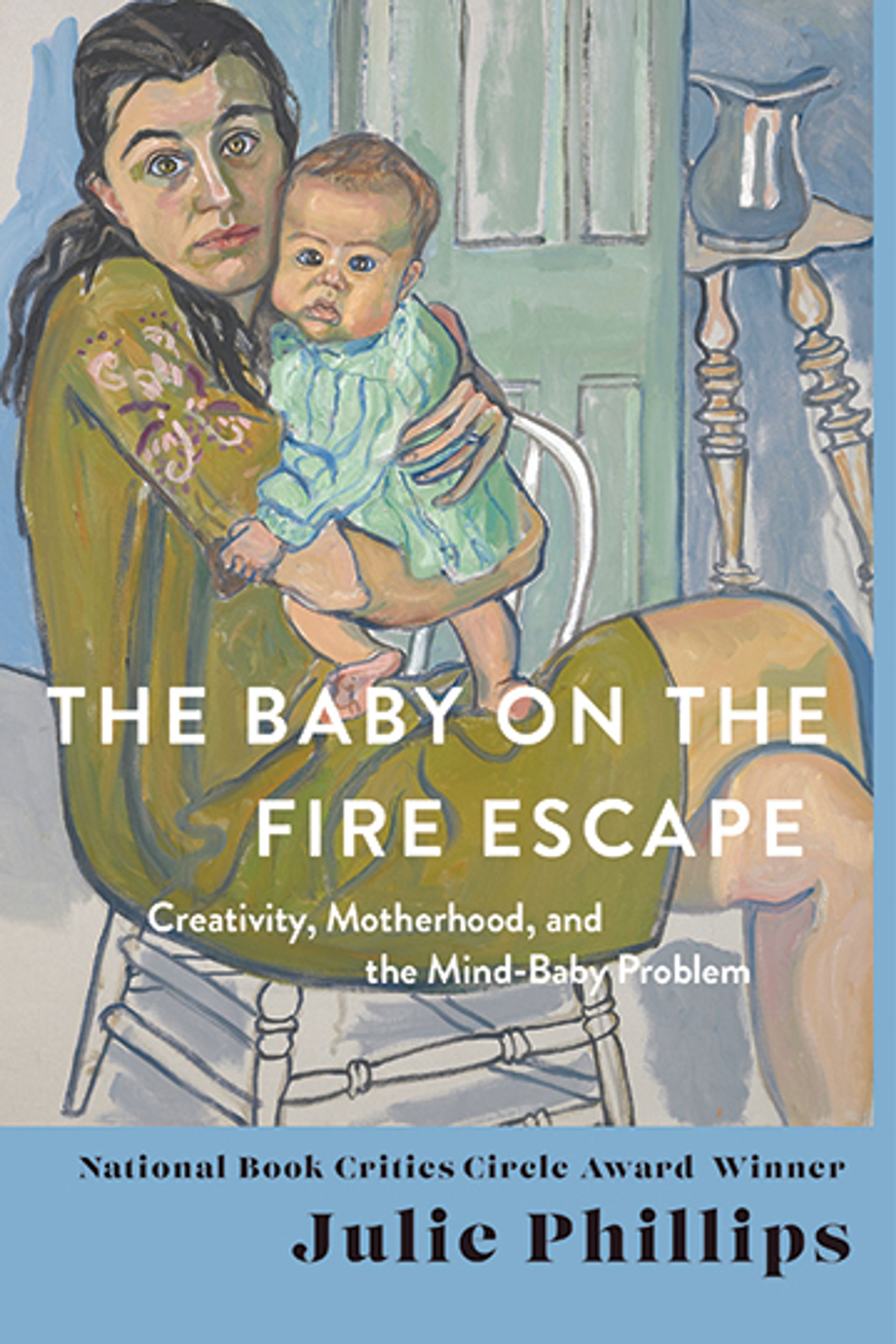
The Baby on the Fire Escape: Creativity, Motherhood and the Mind-Baby Problem by Julie Phillips (W. W. Norton & Company)
While most of the case studies in this book are from the literary world, the opening section on Alice Neel is a searing account of the complexities of balancing (or not) being a mother and an artist—and the often heavy price women pay. Neel, for example, can sometimes come across as brutal and uncaring, but these labels would rarely be used to describe an artist father in the same situation. Neel said that for much of her life she felt she “didn’t have the right to paint because I had two sons”. The book explores the difficult issues around the subject with no judgment and or neat conclusions—and is all the richer for it.
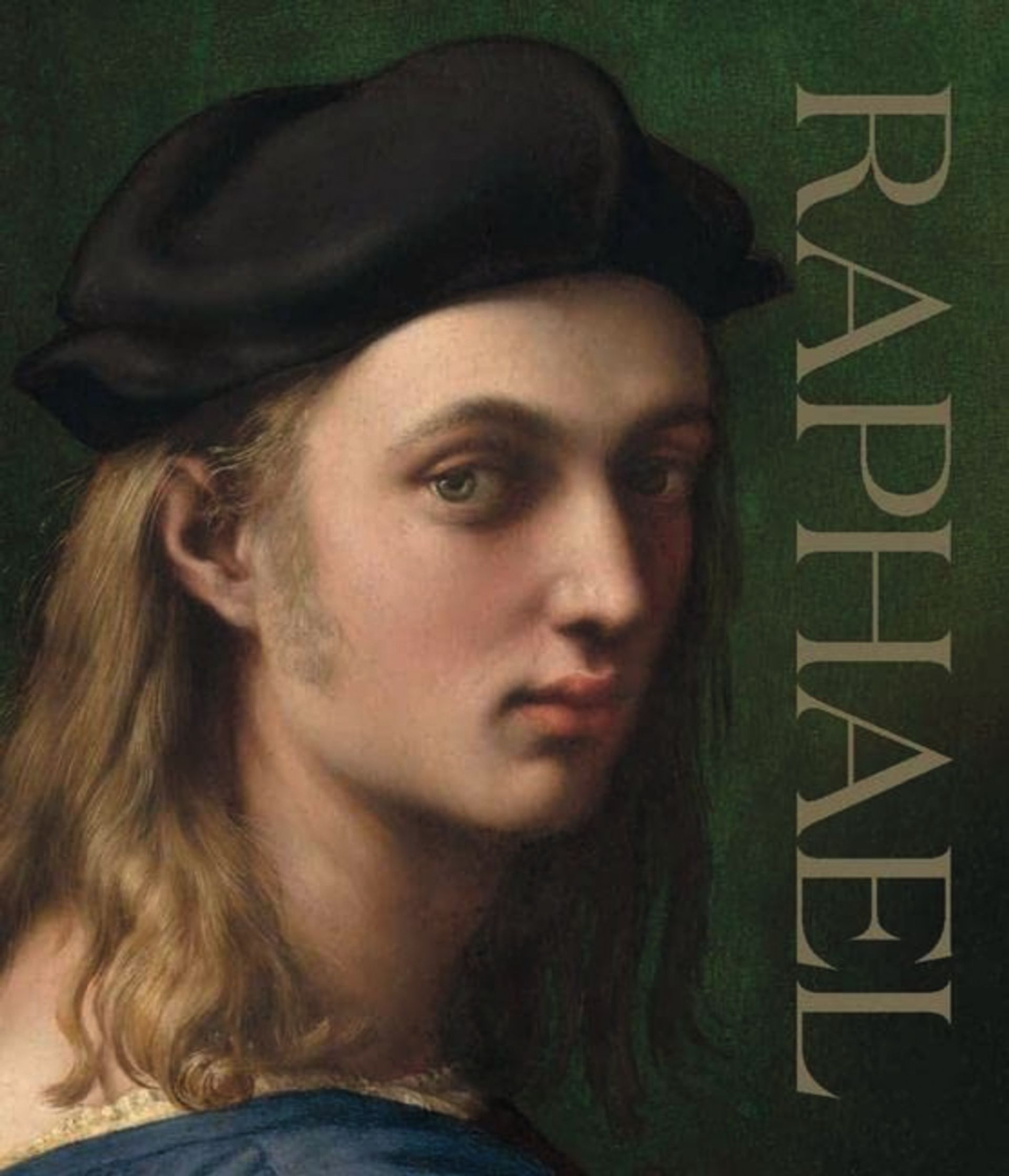
Raphael by David Ekserdjian, Tom Henry et al. (National Gallery Global Ltd)
If you missed the standout Raphael show at London’s National Gallery earlier this year, its catalogue is the next best thing. The rich imagery and texts make it the perfect coffee table book for art history buffs to dip into over the holiday season. There are also tasty titbits to tell the family over Christmas lunch, such as the belief that the Vatican’s foundations began cracking at news of Raphael’s death. Or when Munich’s Alte Pinakothek sold Raphael’s masterpiece Bindo Altoviti because it was believed at the time to have been painted by his assistant Giulio Romano, to buy what turned out to be a discredited Matthias Grünewald…
News, Views and Reviews For The Intellectually Curious








 TIME – Ukrainian President