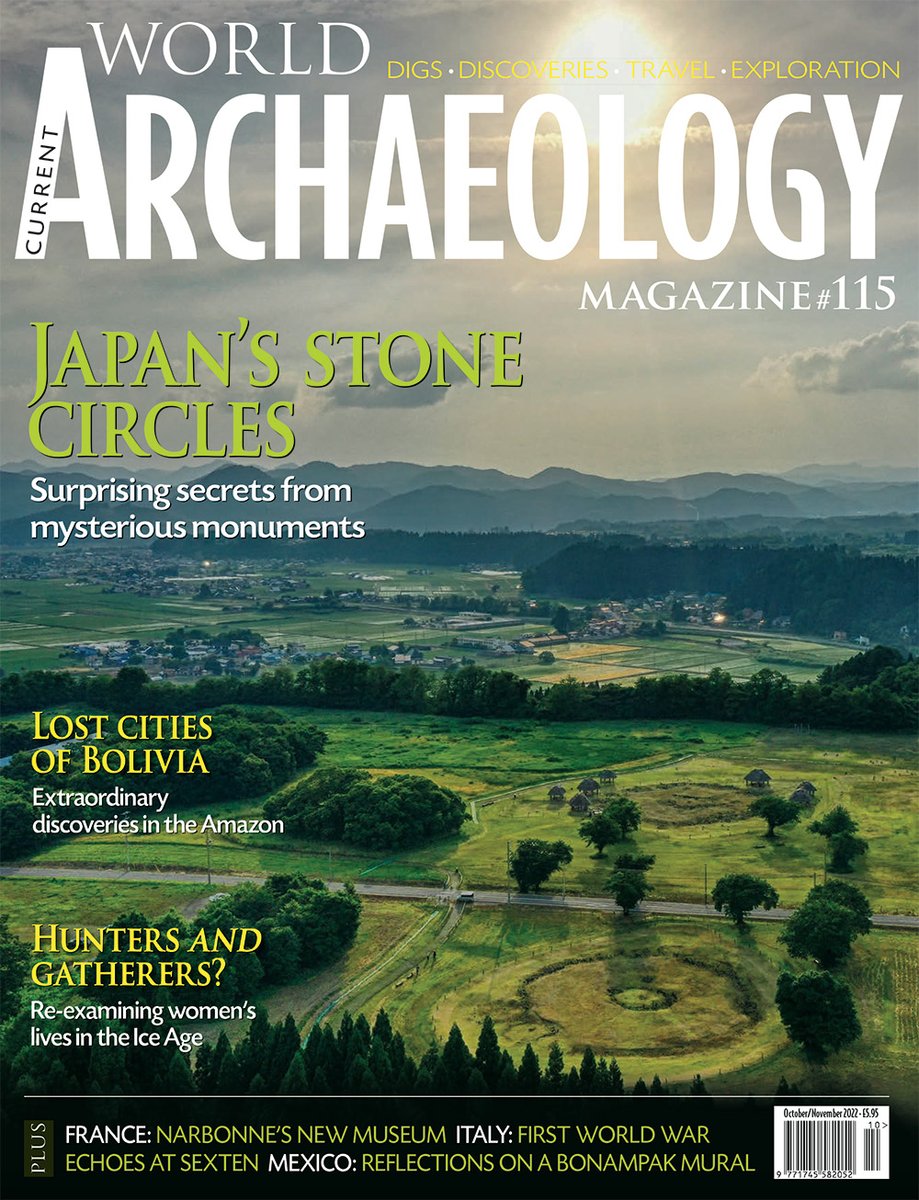
The World Archaeology October 2022 issue explores the secrets of Japan’s stone circles, the lost prehistoric cities of Bolivia, women’s everyday lives in the Ice Age, an idyllic alpine region that saw fierce fighting during the First World War, and much more.
The stone circles of Japan are enigmatic monuments. These structures were created by Jomon hunter-gatherers, mostly from roughly 2500-300 BC, and can be associated with burials, seasonal ceremonies, and solar alignments. Such preoccupations are far from being restricted to Jomon Japan, with study of these circles proving influential when it came to early 20th-century attempts to understand Stonehenge. In our cover feature, we take a detailed look at some of the Jomon stone circles, examining both the monuments themselves, and wider activity in the period.
A family tree of sea cows suggests that the dugong traversed an ocean to reach its present habitat.
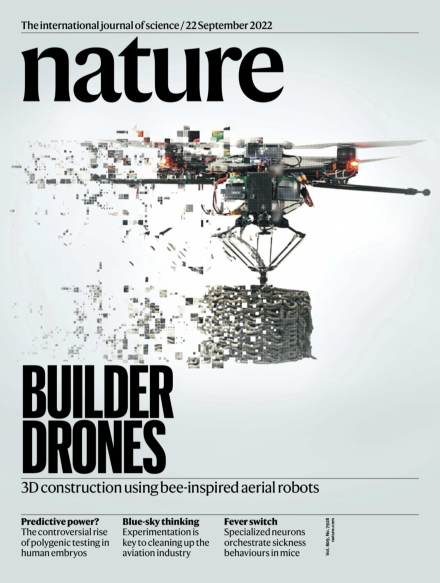
Builder drones
Ground-based robots have potential for helping in the construction industry, but they are limited by their height. In this week’s issue, Mirko Kovac, Robert Stuart-Smith and their colleagues introduce highly manoeuvrable aerial robots that can perform additive 3D construction tasks. Inspired by natural builders such as wasps and bees, the researchers created BuilDrones (as shown on the cover) that can work in an autonomous team to perform 3D printing tasks using foam- or cement-based materials. They also created ScanDrones to assess the quality of the structures
being built. The team hopes that this approach of ‘aerial additive manufacturing’ could help to build structures in difficult to access areas.
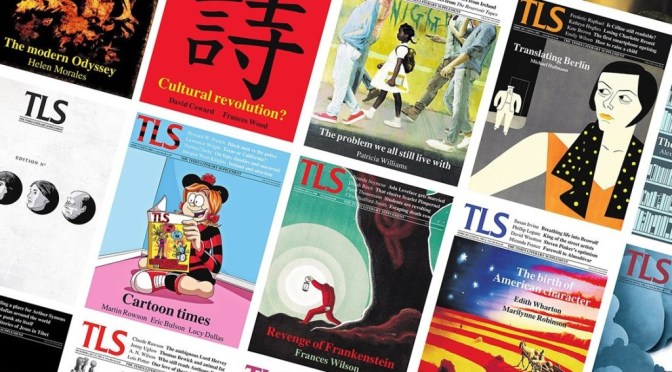
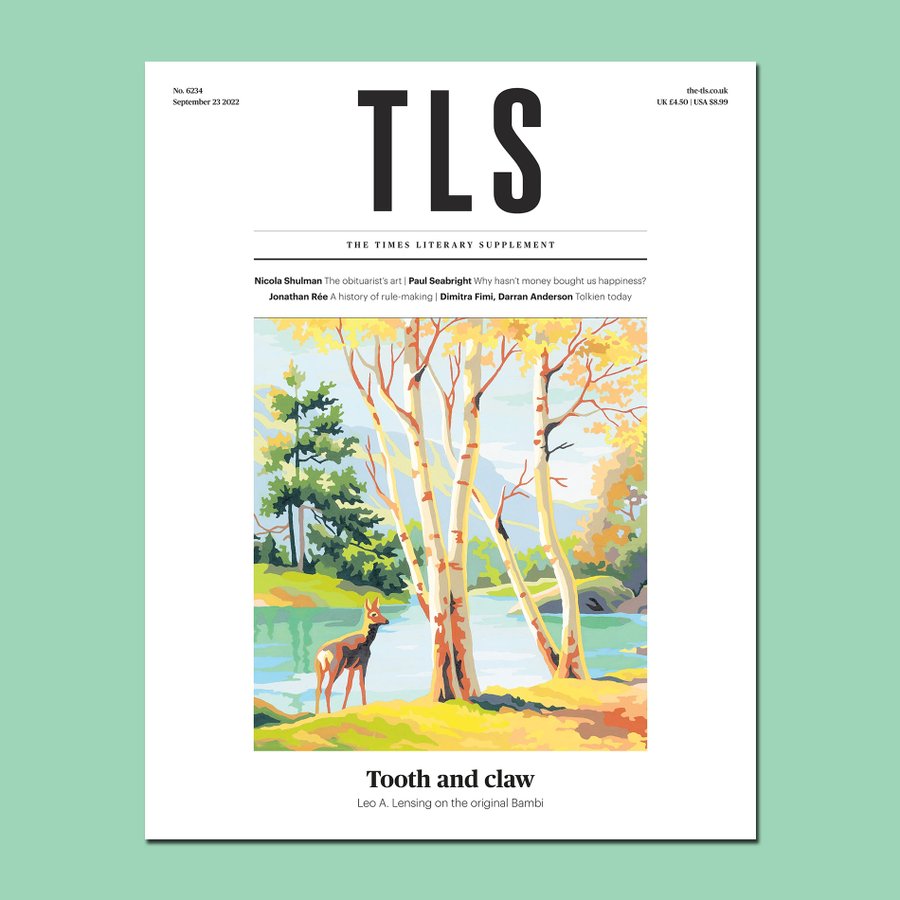
This September 23, 2022 @TheTLS:Nicola Shulman on the obituarist’s art; @LeoLensing on Bambi; Jonathan Rée on rules; @Dr_Dimitra_Fimi on The Rings of Power; Eric Naiman on Yuri Felsen – and more.
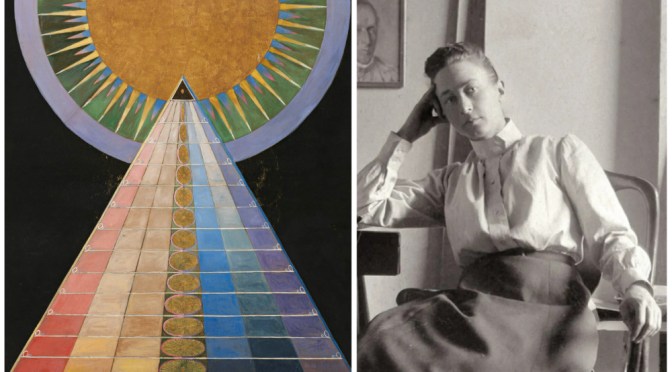
Hilma af Klint dreamt of a spiral-shaped building to house her most important works. According to her notebooks, she wanted it to be built on an island in Sweden but the idea never materialized, and the temple remained an imaginary creation – until now.
More than a century later, af Klint’s vision has been translated into an immersive VR experience. It takes you on a cosmic journey from the Milky Way, through spirals in nature and into a few of the artist’s most important paintings, some of them even coming alive.
Hilma af Klint sometimes referred to her temple as a church for a new era and at other times called it a museum. The exact meaning remains open to interpretation. At the same time, her paintings were clearly intended to lead the viewer to levels of awareness beyond that of everyday life. Was it really a physical building she had in mind? Or was it a spiritual site – something existing in another dimension?
Perhaps her temple, simultaneously spiritual and physical, could not be realised because she did not have access to the right medium. She had no knowledge about the technological possibilities that were to come, and the idea remained on paper. Today things are different. Hilma af Klint’s temple, inspired by the teachings of Christian Rosenkreutz, has arrived with the help of VR. You are invited to enter another world.
Hilma af Klint The Temple was conceived by Daniel Birnbaum and Kurt Almqvist and directed by Marika Stolpe. The experience was produced by Acute Art and published by Stolpe Publishing. Creative Director – Rodrigo Marques. Music – Andrew Sheriff.
is curious, outgoing, affectionate, and highly responsive to human emotion. He’s also talkative: Say his name, he purrs. In this portrait, his forward-tilted ears show he’s alert and his narrowed pupils that he’s relaxed.
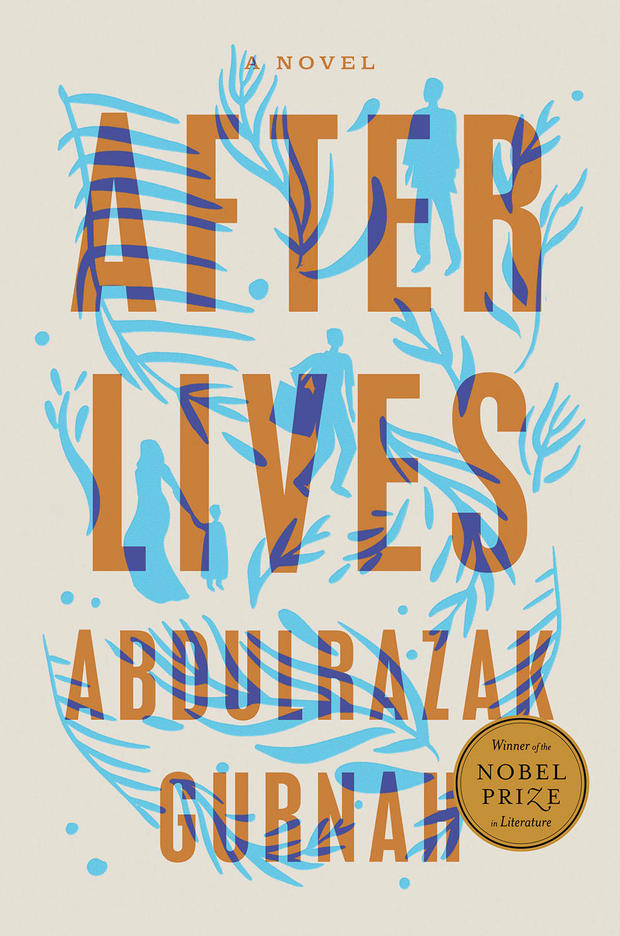
When Abdulrazak Gurnah won the Nobel Prize in literature last year, most Americans had never read anything by this fascinating author.
Born in 1948 in Tanzania, Gurnah fled to England after the 1964 uprising in Zanzibar. Over the years, he’s written 10 critically-acclaimed novels.
The latest, “Afterlives” (Riverhead), offers an intimate look at village life in East Africa during the period of German colonialism at the start of the 20th century. This is a book that reclaims forgotten history and honors lost people in a way that’s heartbreaking and revelatory.
Maggie O’Farrell’s novel “Hamnet,” about the death of William Shakespeare’s only son, was one of the best books of 2020.
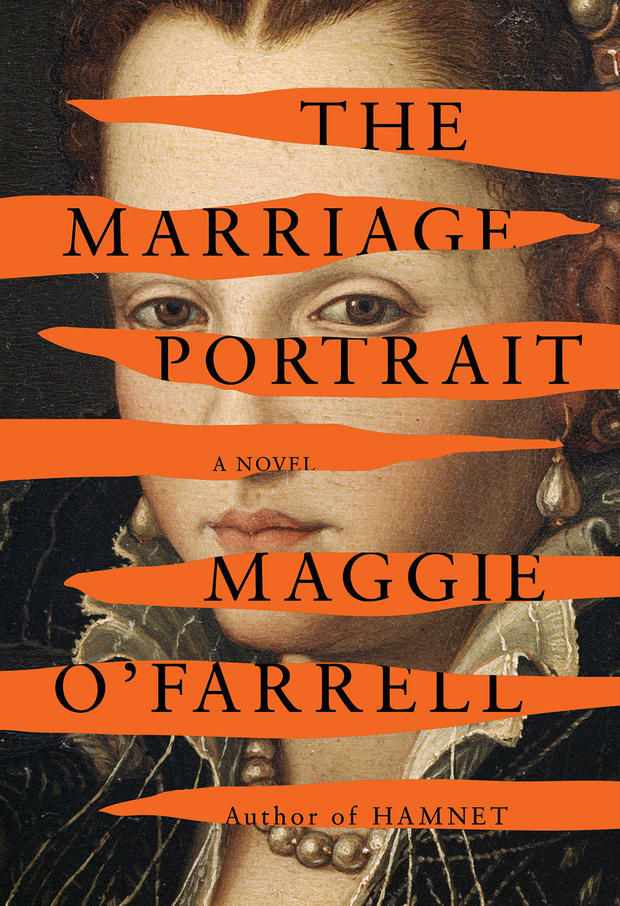
Now O’Farrell is back with “The Marriage Portrait” (Knopf), a terrific historical thriller that drops us into the panicked mind of a teenage girl who knows her husband is plotting to kill her.
The girl is Lucrezia de’ Medici, immortalized by Robert Browning’s poem, “My Last Duchess.” History tells us she died in 1561 before she could celebrate her first anniversary, but O’Farrell will have you guessing ’til the very last page.
What if Americans elected a narcissistic psychopath to the White House?
Some people might say we’ve already seen what that would be like. But James Patterson’s breathless new thriller, “Blowback” (Little, Brown), takes that scenario to the brink of World War III.
Written with Brendan DuBois, “Blowback” imagines a president determined to defeat America’s enemies once and for all.
A pair of secret agents are honored to help the president’s plan – until they realize he’s about to destroy the country.
“Blowback” by James Patterson and Brendan DuBois (Little, Brown and Company), in Hardcover, Large Print Trade Paperback, eBook and Audio formats, available via Amazon, Barnes & Noble and Indiebound
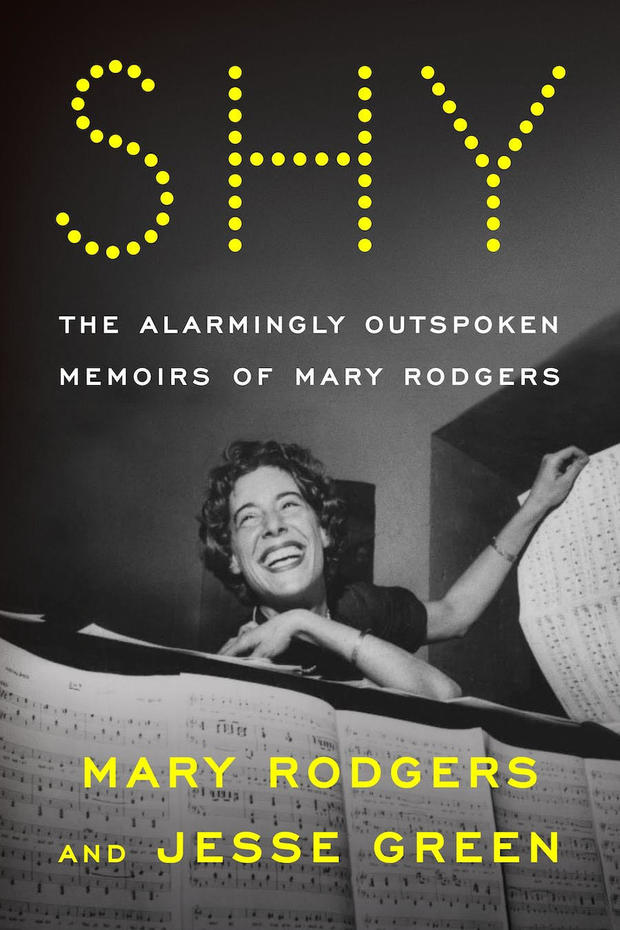
Mary Rodgers, who died in 2014, lived her life in the melodies of American musical theater. She was Richard Rodgers’ daughter, composer Adam Guettel’s mother, and Stephen Sondheim’s friend – and she was an accomplished composer and author herself.
Through painful relationships and happy ones, disappointments and successes, Rodgers is never anything but candid, forgiving and witty. So, take a seat and let the curtain rise.
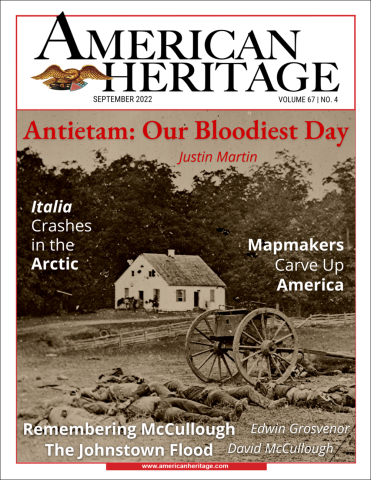
In September 1862 the South hoped to end the war by invading Maryland just before the mid-term elections. But its hopes were dashed after the bloodiest day in American history. By Justin Martin
In the hills above Johnstown, the old South Fork dam had failed. Down the Little Conemaugh came the torrent, sweeping away everything in its path. By David McCullough
By artfully illustrating the boundaries of colonial powers, mapmakers in the 1700s helped define what our New World would become. By Neal Asbury, Jean-Pierre Isbouts
News, Views and Reviews For The Intellectually Curious







 Intellicurious