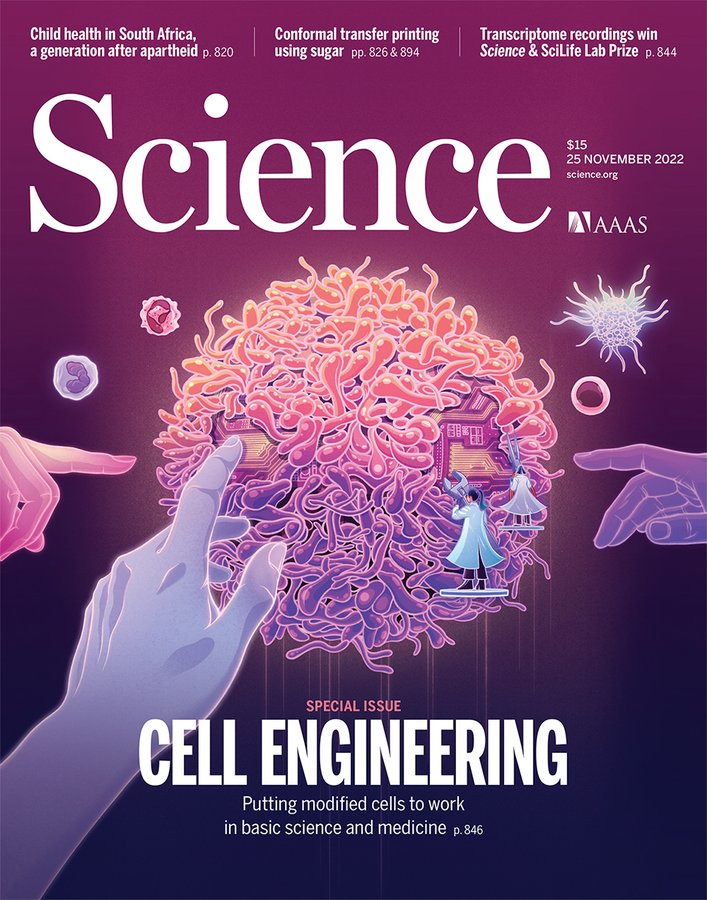
The successful use of engineered white blood cells (cells that are removed from the human body, modified with receptors that allow them to recognize cancer cells, and then returned to the body) to fight and eliminate tumor cells has frequently been called revolutionary and has even allowed researchers the rare opportunity to refer to a cure for certain cancers.
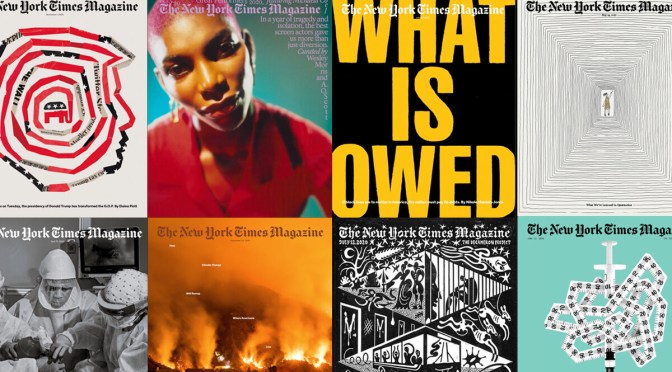
November 27, 2022: In this issue, Jesse Barron on the San Francisco judge whose ruling in juvenile court came back to haunt him; Caity Weaver on her stay in the “world’s quietest room”; Jon Mooallem on the director Noah Baumbach and his new movie, “White Noise”; and more.
In 1981, Anthony Kline helped send a juvenile offender to prison for four decades. This year, in a twist of fate, he had a chance to decide her case again.
When the world shut down in 2020, the filmmaker found solace in Don DeLillo’s supposedly unadaptable novel — and turned it into a film that speaks to our deepest fears.
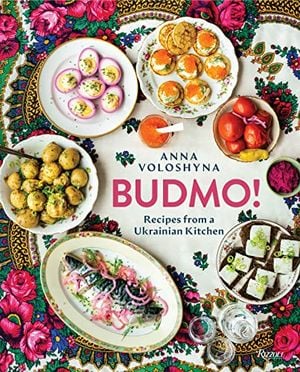
In this colorful cookbook you’ll find recipes for dishes like cold borscht, dark cherry varenyky and sweet pumpkin rice kasha from Ukrainian native Anna Voloshyna, who moved to California in 2011. Known for hosting pop-up dinners and cooking classes, Voloshyna is also a food stylist, photographer and blogger. In her debut cookbook, she offers modern and American spins on the typical dishes she grew up with, and she also includes details like food origins, customs and traditions in each recipe’s headnote. Budmo, which is how Ukrainians say “cheers,” shares the country’s complicated history that has led up to the current war, while simultaneously celebrating its varied and vibrant cuisine.
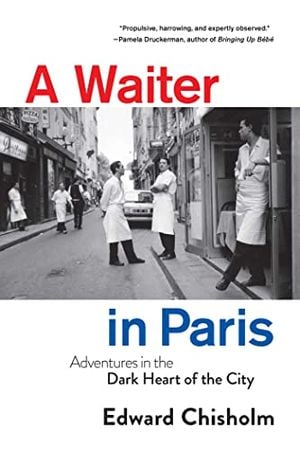
“It’s the boundary between two worlds: the Paris you see and the Paris you don’t,” writes Edward Chisholm, an Englishman who moved to Paris in 2012 and spent several years as a waiter while trying to build up his writing career. Now, his debut book, a no-holds-barred memoir detailing his time waiting tables in one of the world’s hottest restaurant cities, reveals what really goes on behind the scenes of fine dining establishments. This book is the next generation of Anthony Bourdain’s Kitchen Confidentialand Stephanie Danler’s Sweetbitter, with Chisholm exposing the often-shocking mayhem of the restaurant kitchen in visceral detail. He deftly uses the Parisian restaurant as a microcosm for France as a whole, with immigrants, people of color and blue-collar workers at the bottom of the food chain.
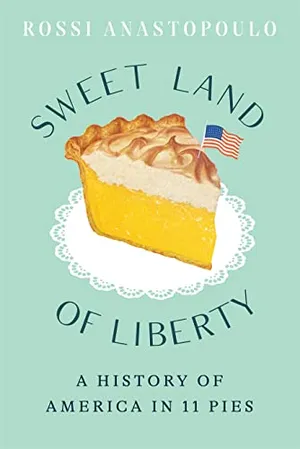
Ever wonder how apple pie became a symbol of America? Food writer and editor Rossi Anastopoulo slices into the history of pie in the good ol’ US of A, from pumpkin pie on Thanksgiving to apple pie on Independence Day, using the iconic American dessert to tell the story of a country. Still, it’s not all sweet, as she details how molasses pie traces its origin to slavery and Jell-O pie reveals the history of gender disparity in our country. All in all, Anastopoulo shares interesting facts behind 11 all-American pies, like how the first recipe for American apple pie appeared in a 1796 cookbook called American Cookery, which is believed to be the first cookbook ever published in the newly minted United States. The book includes a recipe for each pie, too.
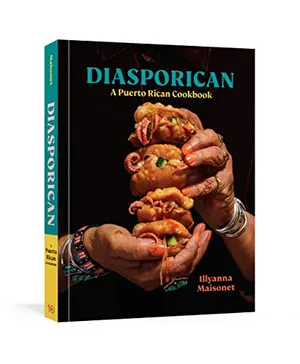
Part memoir and part cookbook, this debut from our country’s first Puerto Rican food columnist Illyanna Maisonet dives into the author’s personal family recipes, which she painstakingly documented from her extended relatives through the years, and also includes her interpretation of dishes by Puerto Rican friends, chefs and roadside food vendors. There are 90 recipes including traditional Puerto Rican dishes like tostones, pernil and mofongo. Other highlights include sloppy joes and sancocho. But more than just the recipes, Maisonet shares how migration and colonization have influenced and progressed Puerto Rican food, ingredients and techniques. In explaining why her family wraps their pasteles in foil, Maisonet writes in her intimate, conversational style, “When you think of my grandma coming to Sacramento as a 17-year-old mother of two in 1956, you have to wonder where the hell would she have found banana leaves in Northern California?” She posits that this progression is no less authentic than the original method, and that the resourcefulness of Puerto Ricans has evolved their cuisine into what it is today: dynamic and delicious.
Cop27 ended in a now-traditional blur of last-minute horse-trading, resulting in the welcome agreement of a finance deal for developing countries affected by global heating. But progress on eliminating fossil fuel usage – the key to slowing climate change – again seemed beyond the international community.
As winter descends on Ukraine, we focus on some of the war’s ripples around Europe. Jennifer Rankin reports from Antwerp, where the continued trade in Russian diamonds shines a light on loopholes in EU sanctions on Moscow. And Emma Graham-Harrison is in eastern Poland, where people’s proximity to the war is helping people to put aside past differences.
Then, in features, Luke Harding speaks to the Ukrainian defenders of Snake Island – who famously sent an expletive-laden rebuttal to a Russian warship at the start of the conflict – and finds out what happened next.
Isabel Allen’s Editorial for AT322 discusses how the Architecture Today Awards subverted the traditional role of the crit, transforming it into powerful tool for judging the merits and performance of buildings that already exist.
A sharp, trapezoidal marquee hoisted on spindly pilot is points the way towards the primary pedestrian entrance on the long eastern front.
‘This is what Biden and his advisers are counting on: a grinding and volatile battle with a weakened Trump and his increasingly unhinged movement in 2024.’
There is no way to offset the fact that a gigantic dose of hydrocarbon wealth is being used to stage an immensely carbon-intensive spectacle, in a place that is already getting hotter faster than almost anywhere else on the planet. In the narrowing window of opportunity that remains, can we justify burning this much of our carbon budget on international football?
Act of Oblivion, the title of Robert Harris’s novel, refers to the Act of Free and General Pardon, Indemnity and Oblivion, introduced to the Convention Parliament in May 1660 and given royal assent on 29 August.
News, Views and Reviews For The Intellectually Curious