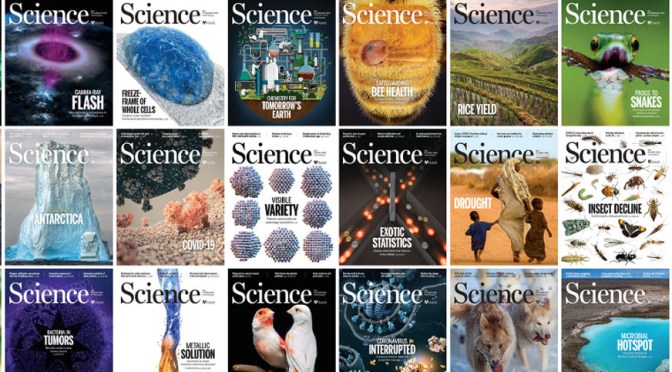
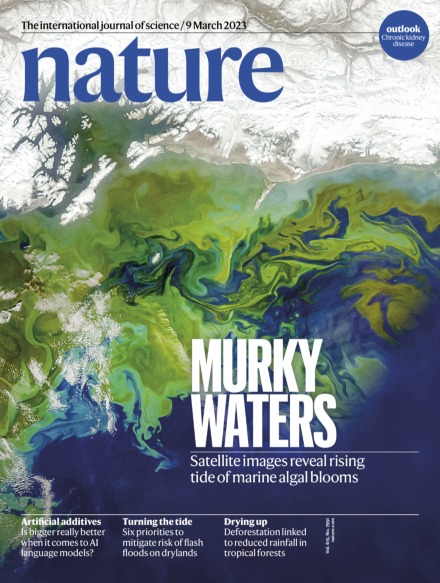
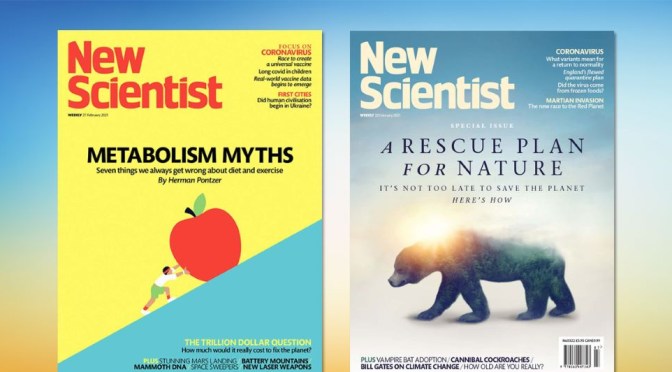
Science Magazine – March 10, 2023 issue: A honey bee (Apis mellifera) performs a complex dance to communicate resource location and value. Research now shows that novice bees dance better and communicate location more accurately if they were previously able to follow and socially learn from more experienced dancers.
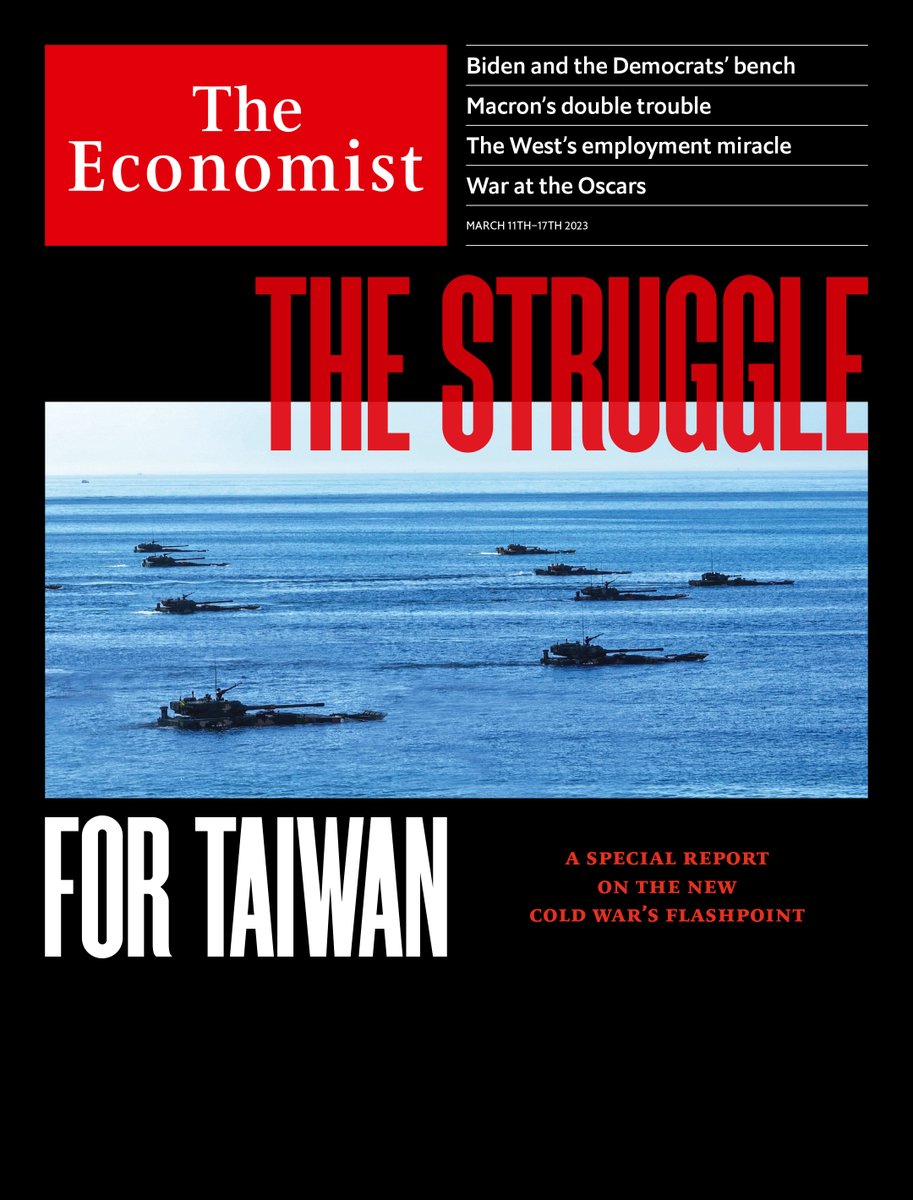
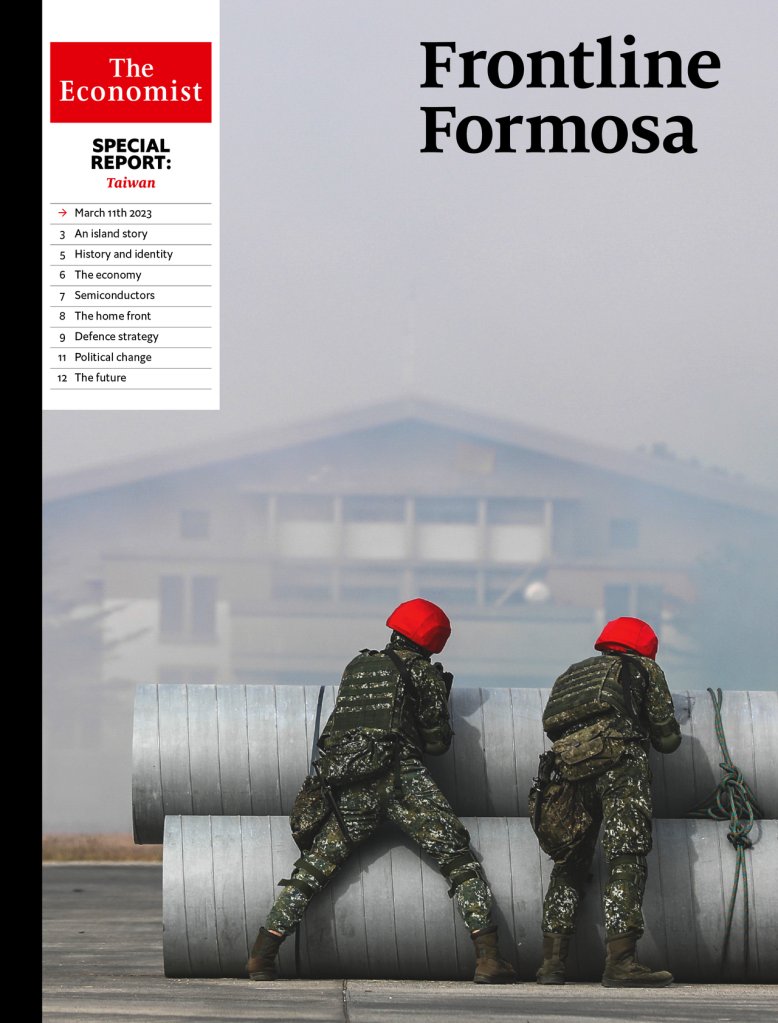
Europe is witnessing its bloodiest cross-border war since 1945, but Asia risks something even worse: conflict between America and China over Taiwan. Tensions are high, as American forces pivot to a new doctrine known as “distributed lethality” designed to blunt Chinese missile attacks. Last week dozens of Chinese jets breached Taiwan’s “air defence identification zone”. This week China’s foreign minister condemned what he called America’s strategy of “all-round containment and suppression, a zero-sum game of life and death”.
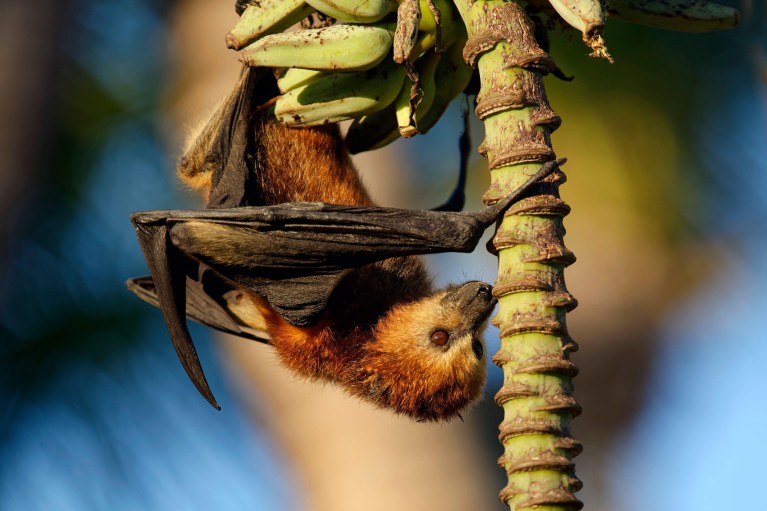
Human hunt at least 19% of bat species worldwide — especially flying foxes, which can have wingspans of 1.5 metres.
The Mauritian flying fox (Pteroptus niger). As relatively large bats, flying foxes are hunted more heavily than other species. Credit: Fabrice Bettex Photography/Alamy
Large tropical bats with narrow home ranges are disproportionately likely to be hunted by humans, according to a global analysis of 1,320 bat species — nearly all of the 1,400 known to science1.
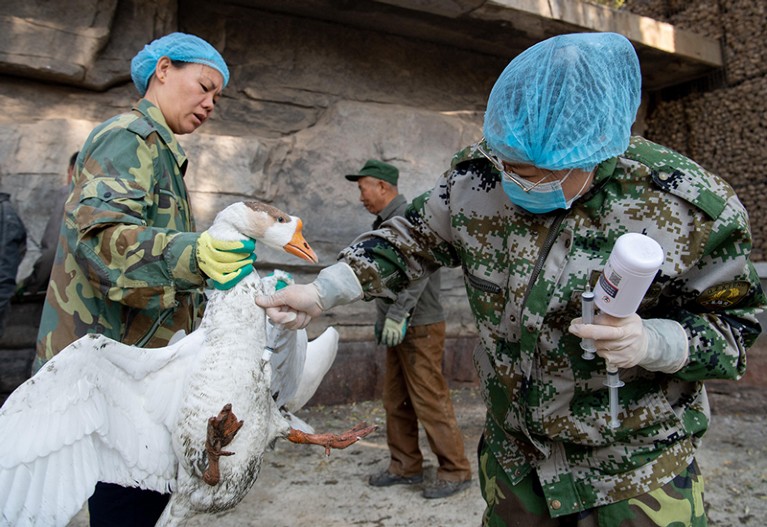
From tracking the disease’s spread in wild birds to updating human vaccines, there are measures that could help keep avian influenza in check.
A goose being vaccinated against avian influenza in China.Credit: Wei Liang/China News Service/Getty
Fears are rising about bird flu’s potential to spark a human pandemic, as well as its destruction of wildlife and farmed birds. An 11-year-old girl tragically died in Cambodia last week after catching avian influenza. That followed reports earlier this year of the virus spreading from mammal to mammal through a mink farm, and causing mass mortality in Peruvian birds and sea lions. Since the beginning of 2022, more than 50 million poultry birds in the United States, and a similar number in Europe, have either died of the disease or been killed in efforts to stem its spread. Can bird flu be stopped, and if yes, how?
Ancient philosopher Anaximander’s discoveries about rain, wind and the cosmos may make him the true force behind modern science, argues physicist Carlo Rovelli in his newly republished first book
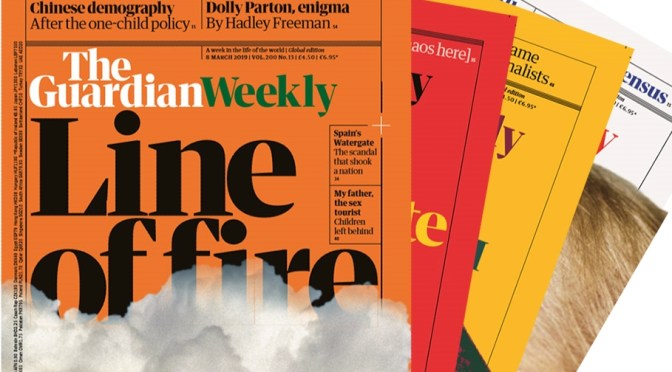
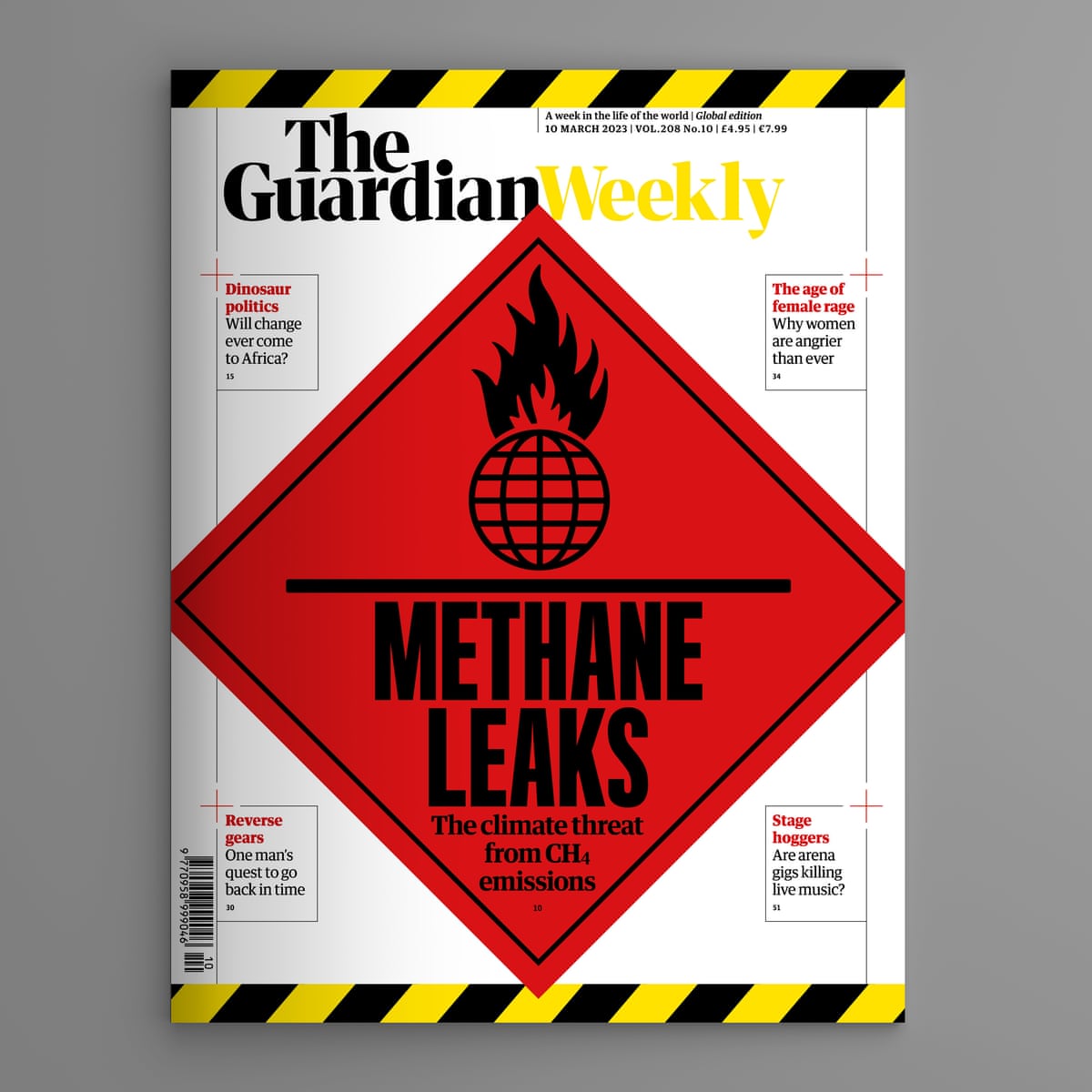
It’s no secret that methane is one of the most potent greenhouse gases, with scientists attributing 25% of global heating to its atmospheric release. A new Guardian analysis by environment editor Damian Carrington lays bare the extent of the problem, identifying more than 1,000 of the world’s worst emitters.
But methane is also a double-edged sword: while it traps 80 times more heat than carbon dioxide, it fades from the atmosphere in about a decade, far faster than the century or more taken by CO2, which is why urgent action to tackle leaks would be so effective in the push to limit global heating. Find out more in Damian’s Big Story report for us this week.
Every city has its historic center, but none can compare to Rome’s. Walking through the beloved centro storico – the Second Unesco World Heritage Site in Italy – is unlike any other stroll.
Latium is not only known for being the region hosting the eternal city of Rome, but also for its picturesque landscapes, beautiful mountain ranges, and stunning natural reserves. One of the best ways to explore its beauty is by trekking: here are five of the most impressive trails the region has to offer, just a stone’s throw from the centre of Rome!
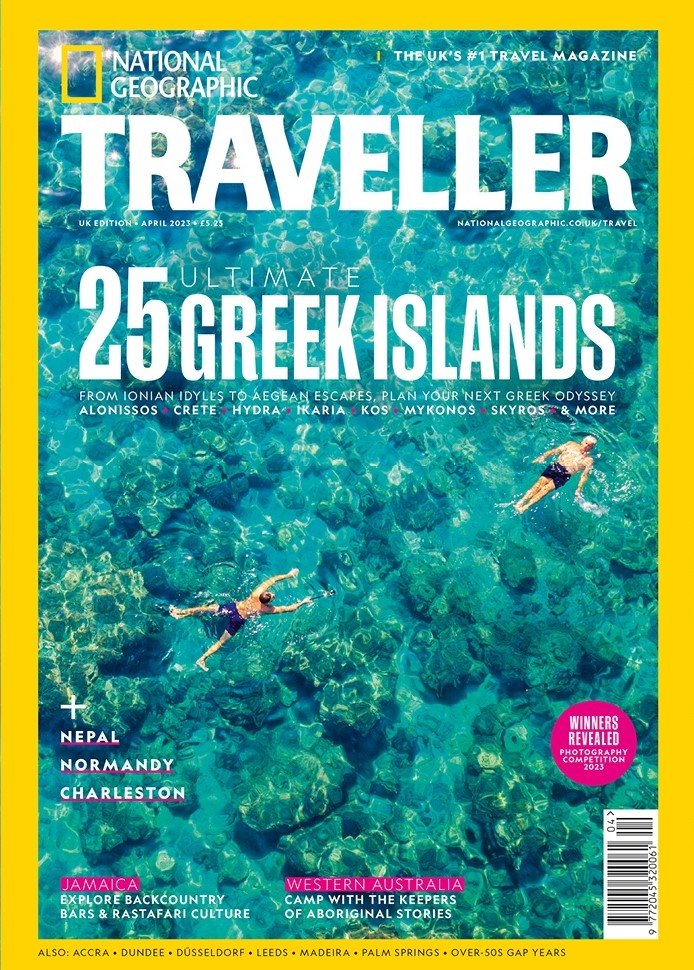
National Geographic Traveller (April 2023) – Our April 2023 is all about 25 Greek islands, from big-hitters like Crete and Santorini to lesser-known spots including Agistri and Kythera. Clifftop villages, local markets and secret stretches of sand await…
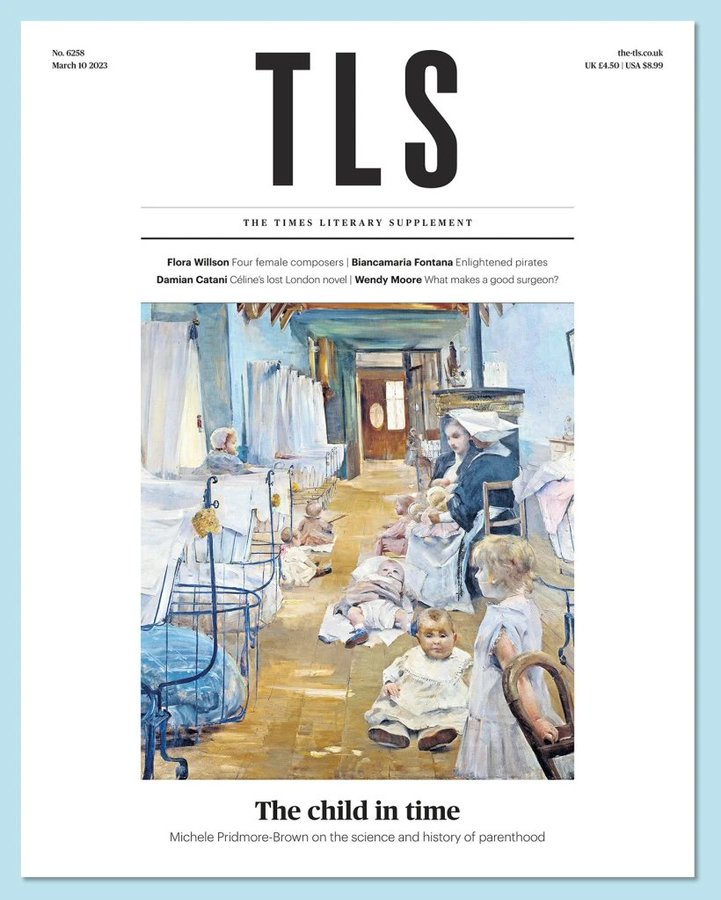
This week’s @TheTLS, features Michele Pridmore-Brown on parenthood; @noosarowiwa on paradise; @TobyLichtig on documentaries; Carlos Fonseca on Pilar Quintana; @wendymoore99 on surgery; new poems by Karen Solie, @RomalynAnte and Steve Ely – and more.
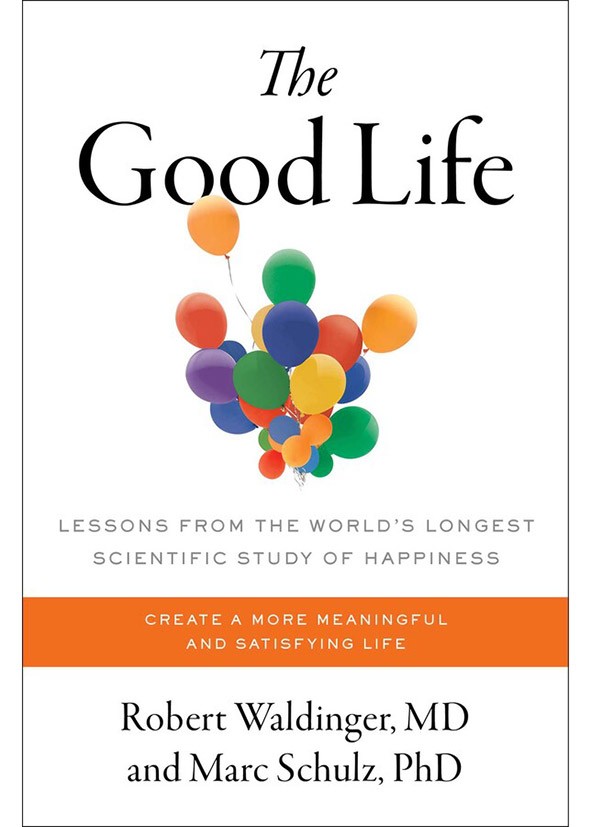
Robert Waldinger & Marc Schulz Simon & Schuster (2023)
Isolation during the COVID-19 pandemic highlighted the link between happiness and good relationships. Scientific evidence for the importance of relationships motivates this always engrossing, sometimes moving, study of happiness, grounded in the Harvard Study of Adult Development. Beginning in 1938, the project has followed two generations of the same families. Current director Robert Waldinger and associate director Marc Schulz show in detail how “the good life is a complicated life. For everybody.”
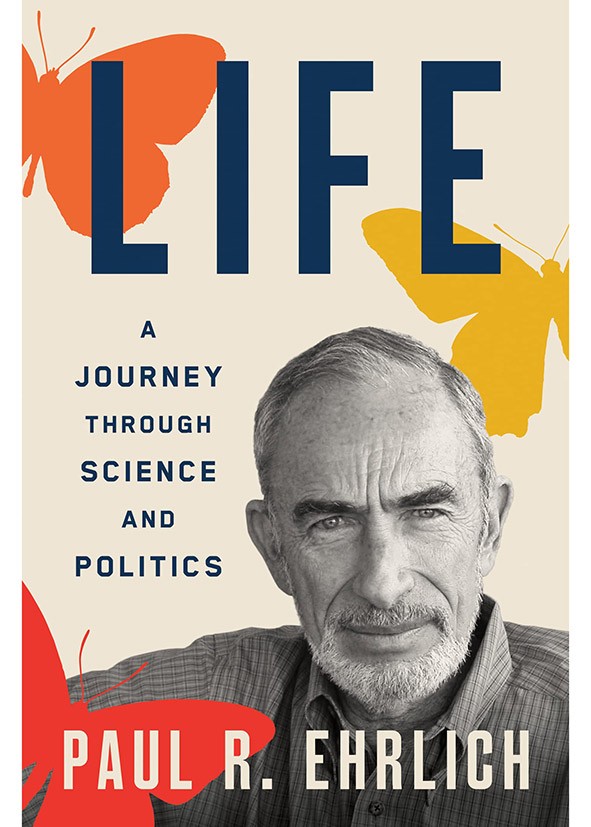
Life
Paul R. Ehrlich Yale Univ. Press (2023)
Biologist Paul Ehrlich is best known for writing — with his wife, conservation biologist Anne Ehrlich — the 1968 book The Population Bomb, which sold two million copies and was widely translated. Its controversial warning of a crisis of overpopulation gave him global exposure. He became a public scholar working with people from many disciplines: economics, political science, history, law, aviation, military intelligence and dentistry “to name a few”, he remarks in his frank, polyphonic autobiography, dedicated “For Anne: Sine Qua Non”.
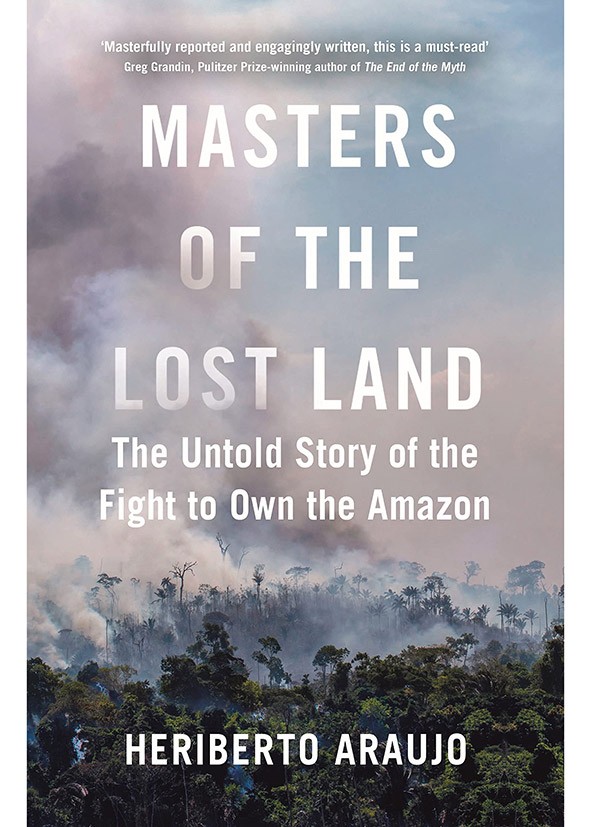
Masters of the Lost Land
Heriberto Araujo Atlantic (2023)
Since 2000, more than 2,000 people worldwide have been murdered for defending their lands or the environment. About one-third were Brazilian, mostly from the Amazon rainforest, notes investigative journalist Heriberto Araujo. He tells the story of the courageous Maria Joel, widow of Dezinho, the leader of a small Amazonian farmworkers’ union. Joel has fought to bring to justice the land baron who ordered her husband’s death. Based on four years of research in Brazil, the book is original, detailed and persuasive.
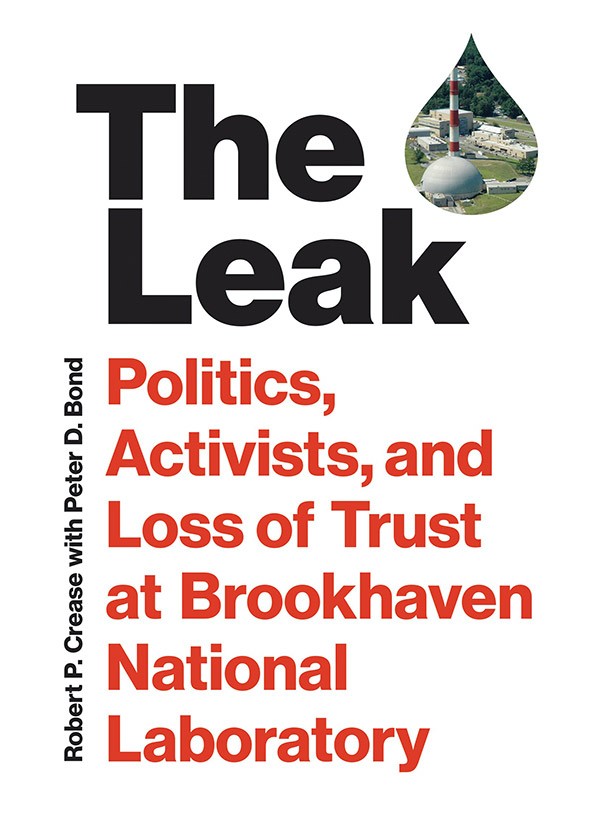
The Leak
Robert P. Crease & Peter D. Bond MIT Press (2022)
Seven Nobel prizes have been awarded for work at Brookhaven National Laboratory in Upton, New York. Yet a leak of radioactive water from the facility turned its 50th anniversary in 1997 into a year of “chaos rather than celebration”, write philosopher of science Robert Crease — author of a history of the lab — and former Brookhaven physicist Peter Bond. Although the incident posed no health hazard, according to federal, state and local officials, it sparked a “firestorm” of activism and politics, captured in this vivid first-hand account.
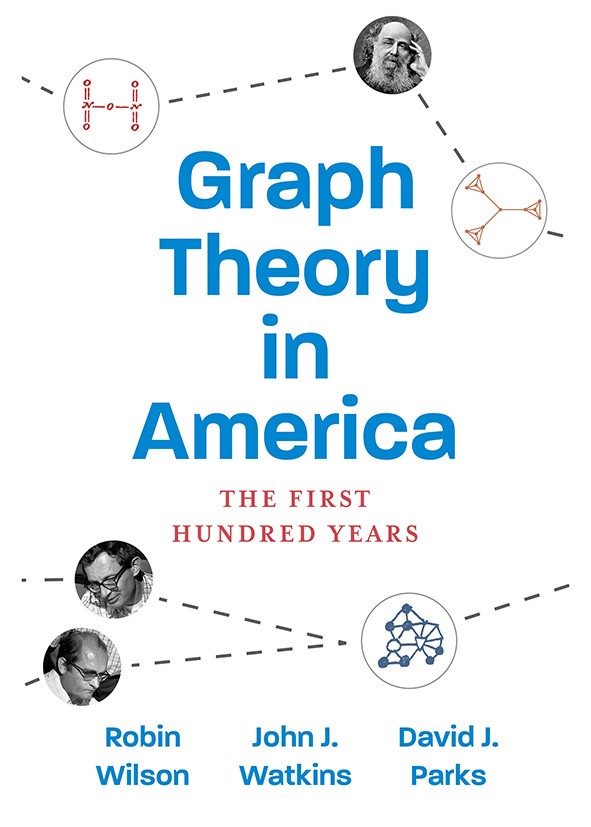
Graph Theory in America
Robin Wilson et al. Princeton Univ. Press (2023)
The modern development of graph theory — which models relationships between pairs of objects in groups — began in 1876 with James Joseph Sylvester, a British mathematician then in the United States. His work was first published in Nature. In 1976, US mathematicians Kenneth Appel and Wolfgang Haken solved a long-standing conundrum in the field, the four-colour problem. The intervening century is described in this graphically illustrated historical treatise by three British and US mathematicians.