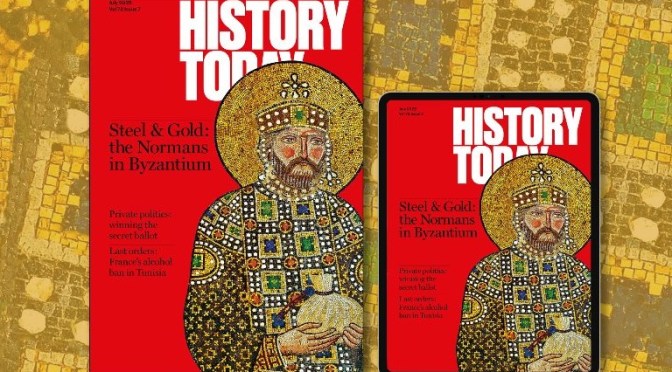
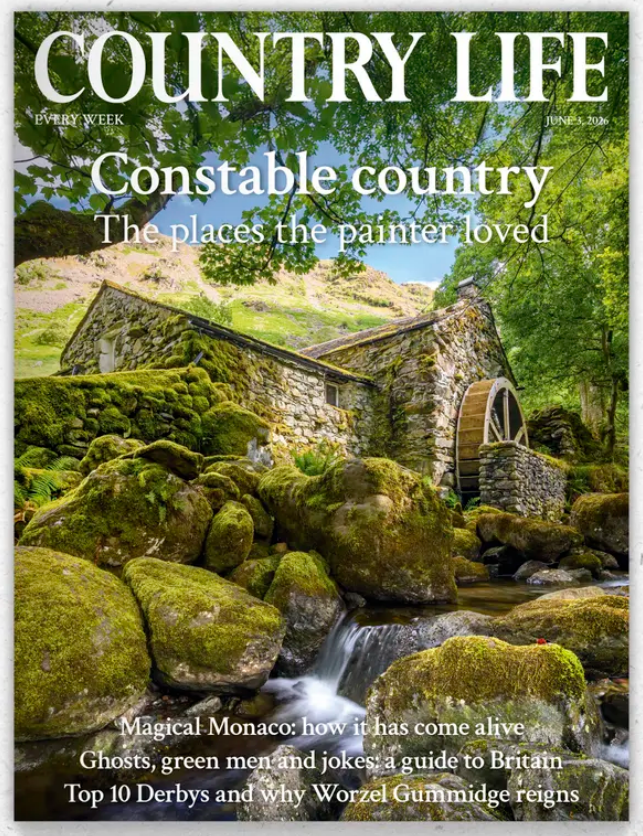
HISTORY TODAY MAGAZINE: The latest issue features ‘The Declaration of Independence’, Black Loyalists, how England learned Old English, sacrifice and early Christianity, and the Hans Crescent strike.
That the United States declared its independence in July 1776 is well known; that the British state commissioned, but never published, a counter-declaration is not.
Hoping to weaken the rebels’ cause, Britain offered freedom to enslaved people who joined the British army. At the end of the American Revolutionary War that promised freedom had to be honoured – but how and where?
FOREIGN POLICY MAGAZINE: The latest issue features ‘the End of…The U.S.-Israel alliance…Neo liberalism…Trans-Atlanticism…Climate Politics…The United Nations…Asylum…Political parties…Chinese growth…Morality…The future….
George Washington’s announcement that he wouldn’t seek a third presidential term helped define modern statesmanship: The Republic had no need for a king, even an American one. Writing from Europe, John Quincy Adams prayed the president’s retirement might “serve as the foundation upon which the whole system of [America’s] future policy may rise.” Washington’s decision set an informal precedent that largely held until term limits were codified by the 22nd Constitutional Amendment, ratified in 1951. Still, at the time of his farewell address, Washington’s opponents had serious complaints. Though Washington belonged to no party, he was associated with the Federalists—and many Anti-Federalist thinkers chastised the outgoing president for disparaging his ideological rivals while claiming neutrality. This dispute played out in newspapers and pamphlets—back when publishers always chose a side.
Silence Dogood. Richard Saunders. Benevolus. Sidi Mehemet Ibrahim. All were pen names that allowed Franklin to say things he couldn’t have otherwise said
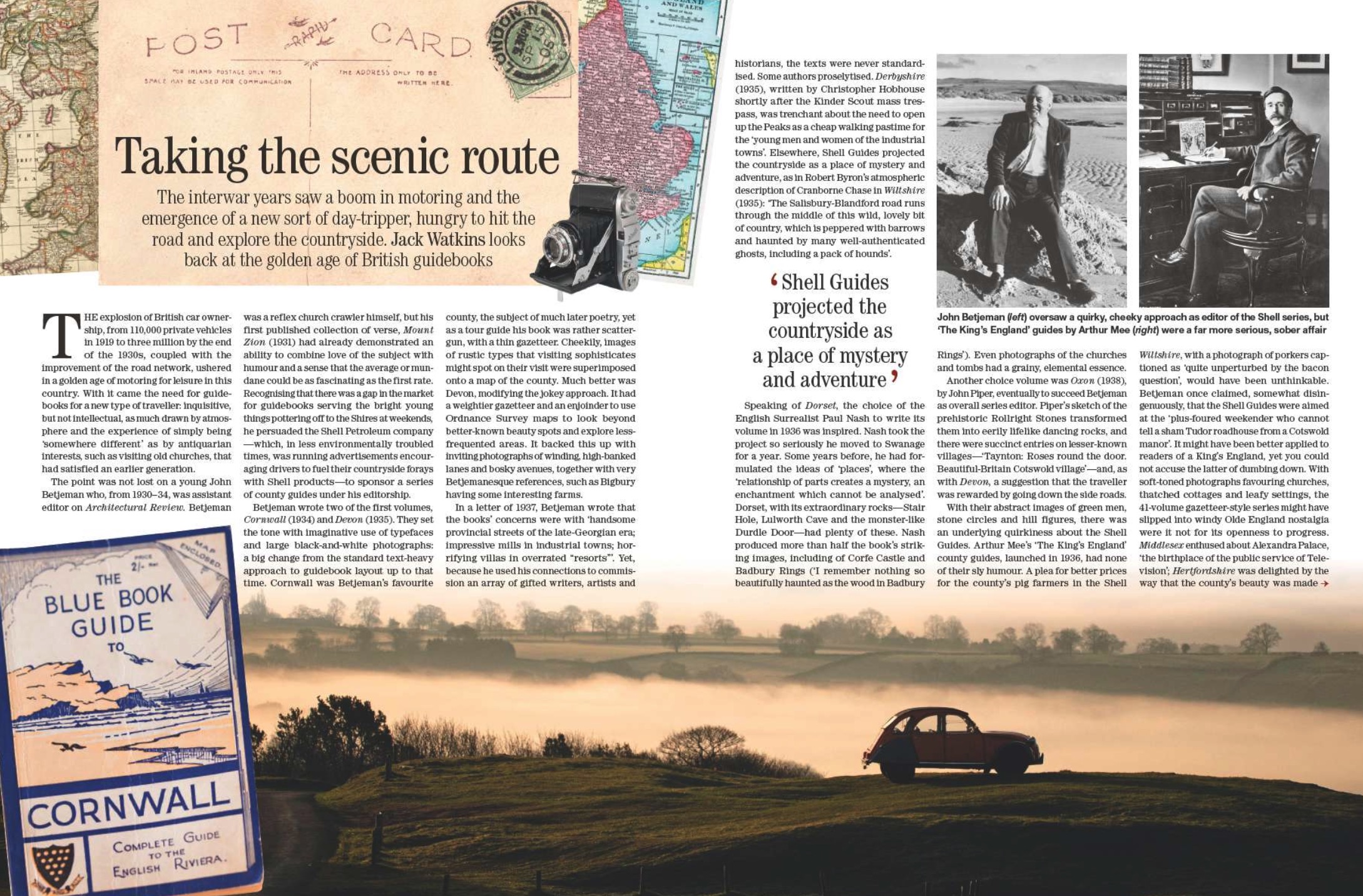
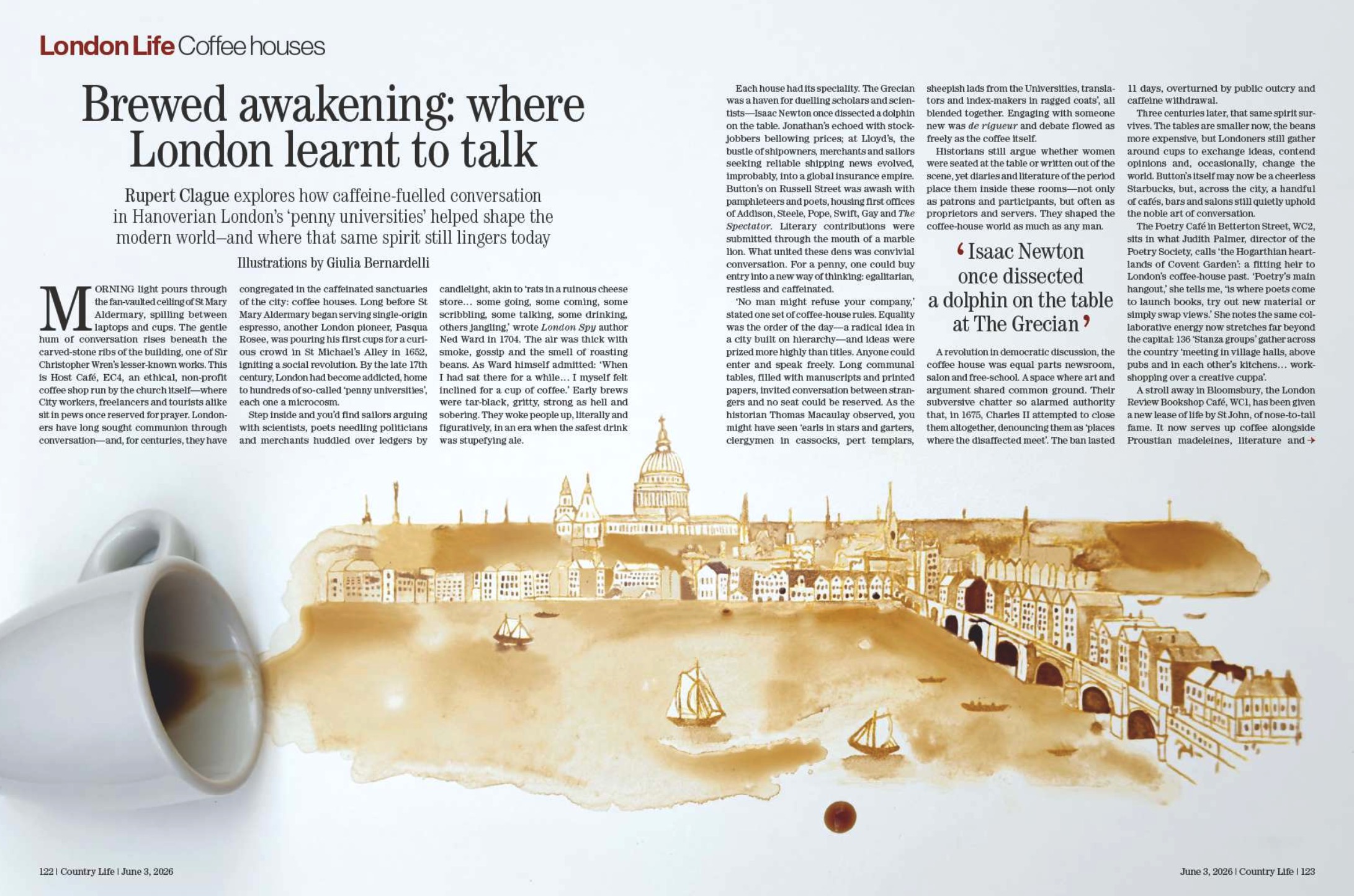
History, hauntings and high-jinx figured in Britain’s first motoring guides, finds Jack Watkins
What a Derby day
Epsom hosts one of racing’s most thrilling spectacles. Jack Watkins picks 10 of the best winners
Monaco
Adam Hay-Nicholls explores the changing face of Monaco, Steven King treads the Prince Rainier III sculpture trail, Arabella Youens seeks out the best properties for sale in the Principality and Mark Hedges cruises serenely into town
His green and pleasant land
John Constable painted places he knew and loved the best. Susan Owens examines how insight influenced his landscapes
Outstanding in their fields
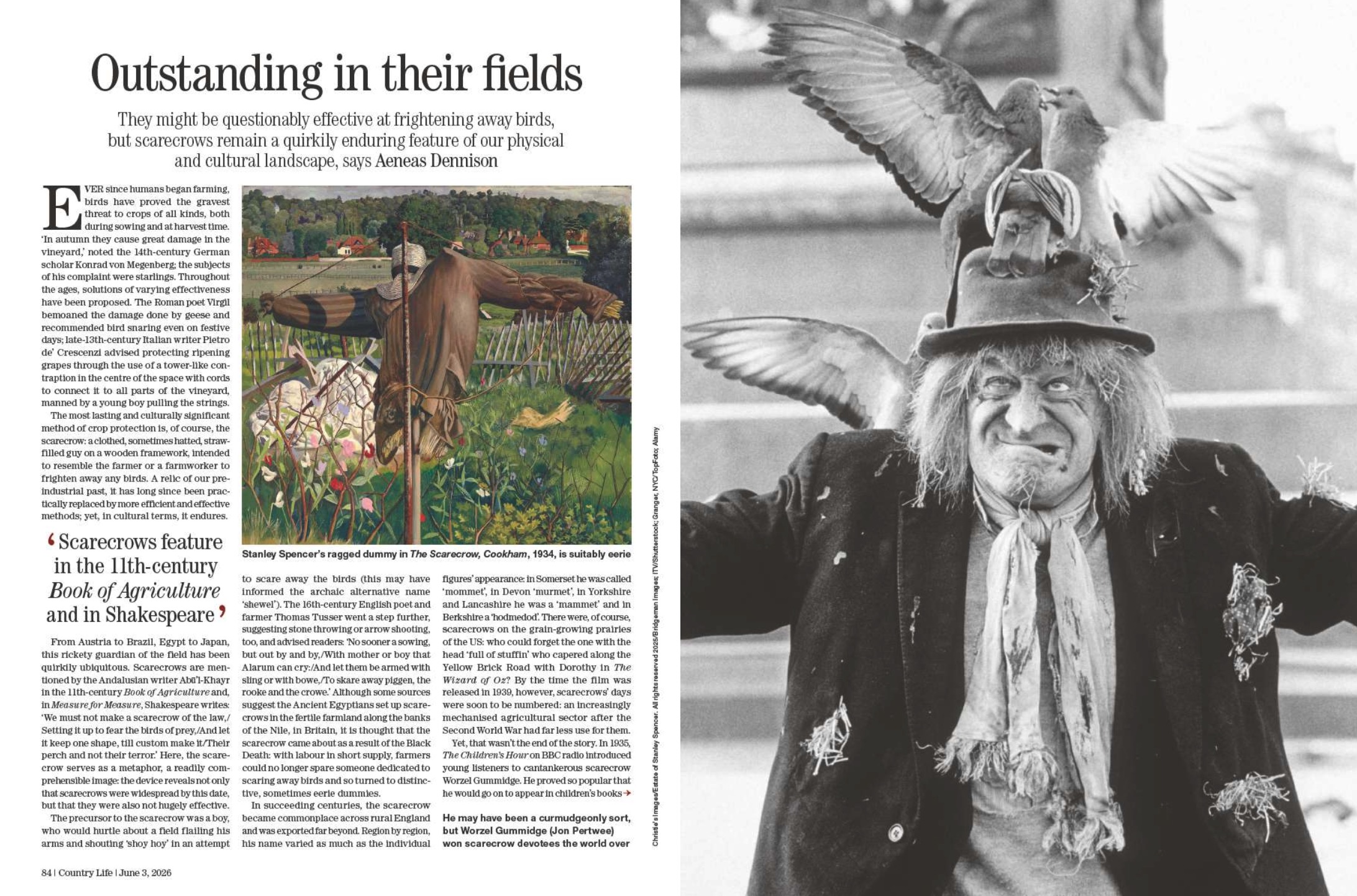
From ‘shoy hoys’ to Worzel Gummidge, Aeneas Dennison traces the story of scarecrows
Andy Wilman’s favourite painting
The television producer chooses a work that reveals a human response to the brutality of war
Country-house treasure
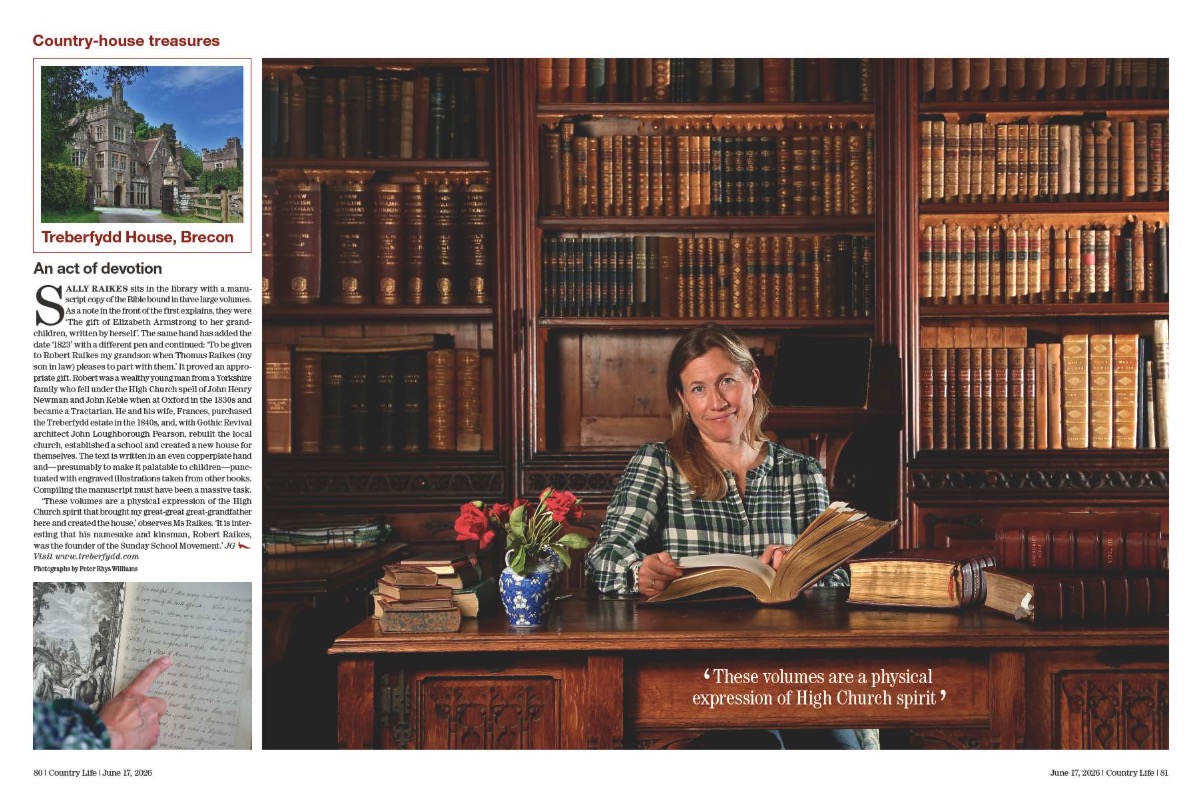
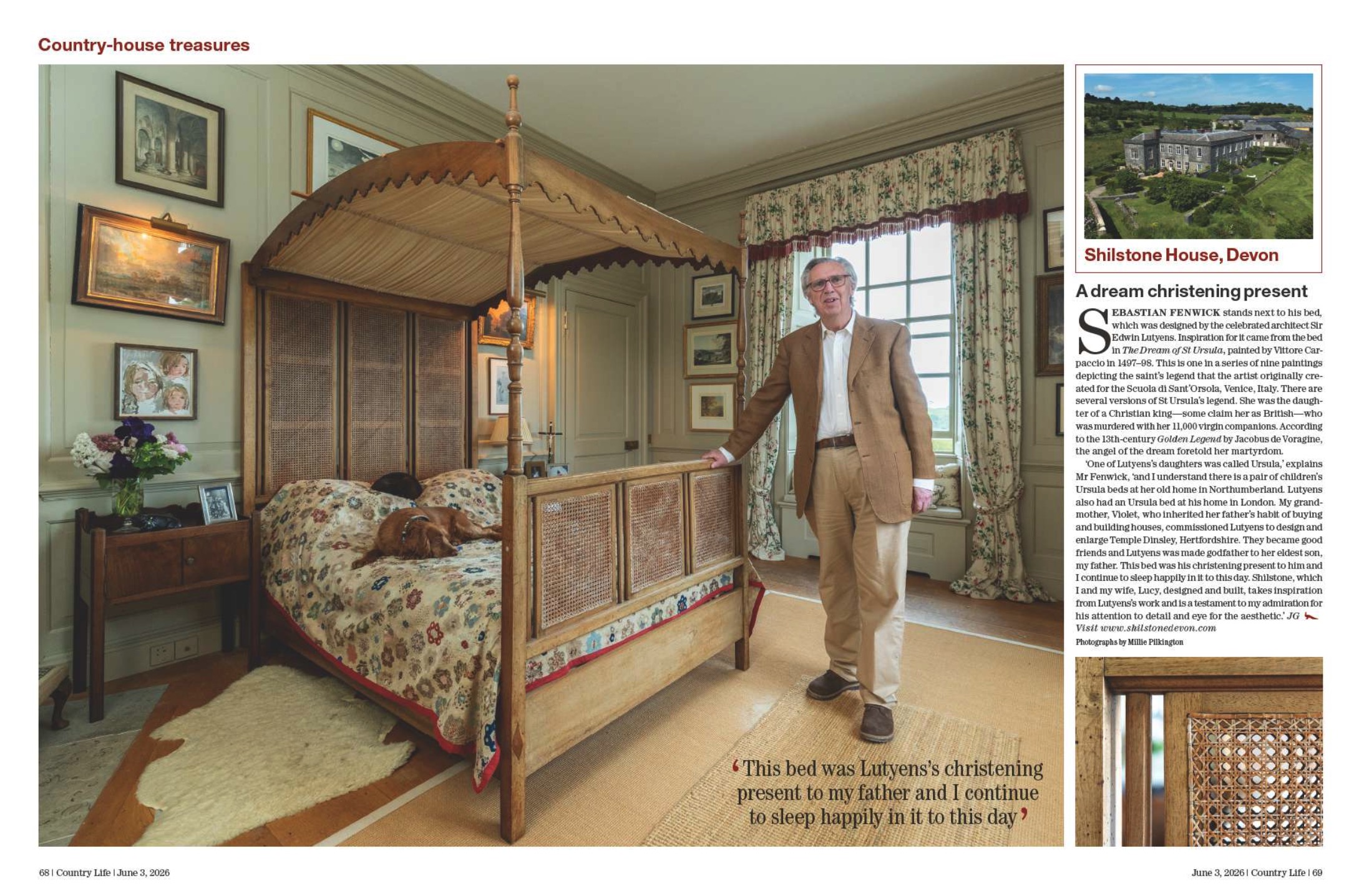
A godfatherly gift ensures that Sir Edwin Lutyens and Shilstone House in Devon are happy bed-fellows, discovers John Goodall
Building on the past
In the second of two articles, John Goodall reveals how Elizabethan Doddington Hall is thriving into the 21st century
The legacy
Octavia Pollock profiles Percy Shaw, the inventor of cat’s eyes, the 20th century’s top design
Winging it
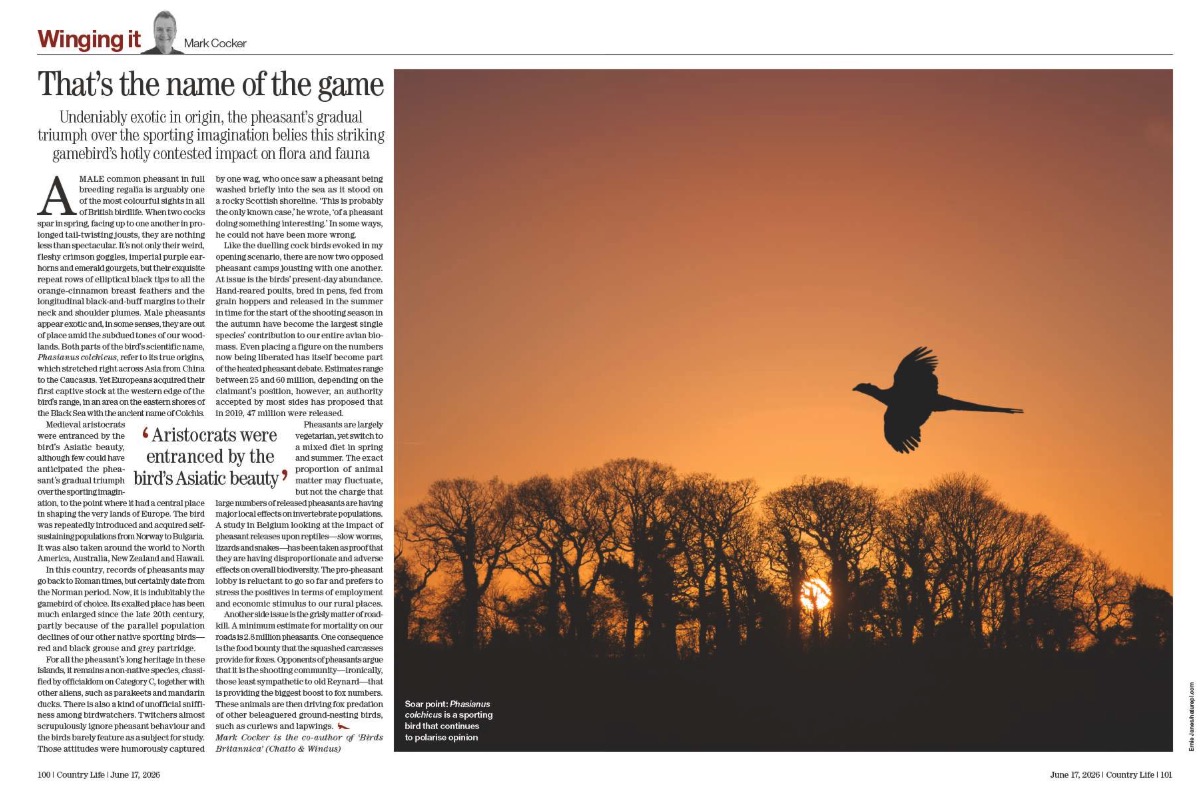
The feral pigeon’s modern-day scavenging masks a more valiant history, suggests Mark Cocker
Drawn to the land
Katharine Freeland meets artists who are mapping estates in an echo of traditional landowners
Jack Watkins strolls the streets that became an artist’s muse, our writers have all you need to know this month, Will Hosie shares seven of the best homes on the market and Rupert Clague charts the rise of the capital’s coffee houses
Death, taxes and Tests with New Zealand
What next for England’s Bazball approach, asks James Fisher
Luxury
Amie Elizabeth White is on red alert — and gives pearl a whirl
Interiors
Arabella Youens admires an extended Cotswolds cottage and Giles Kime ponders going it alone
Dreaming of roses
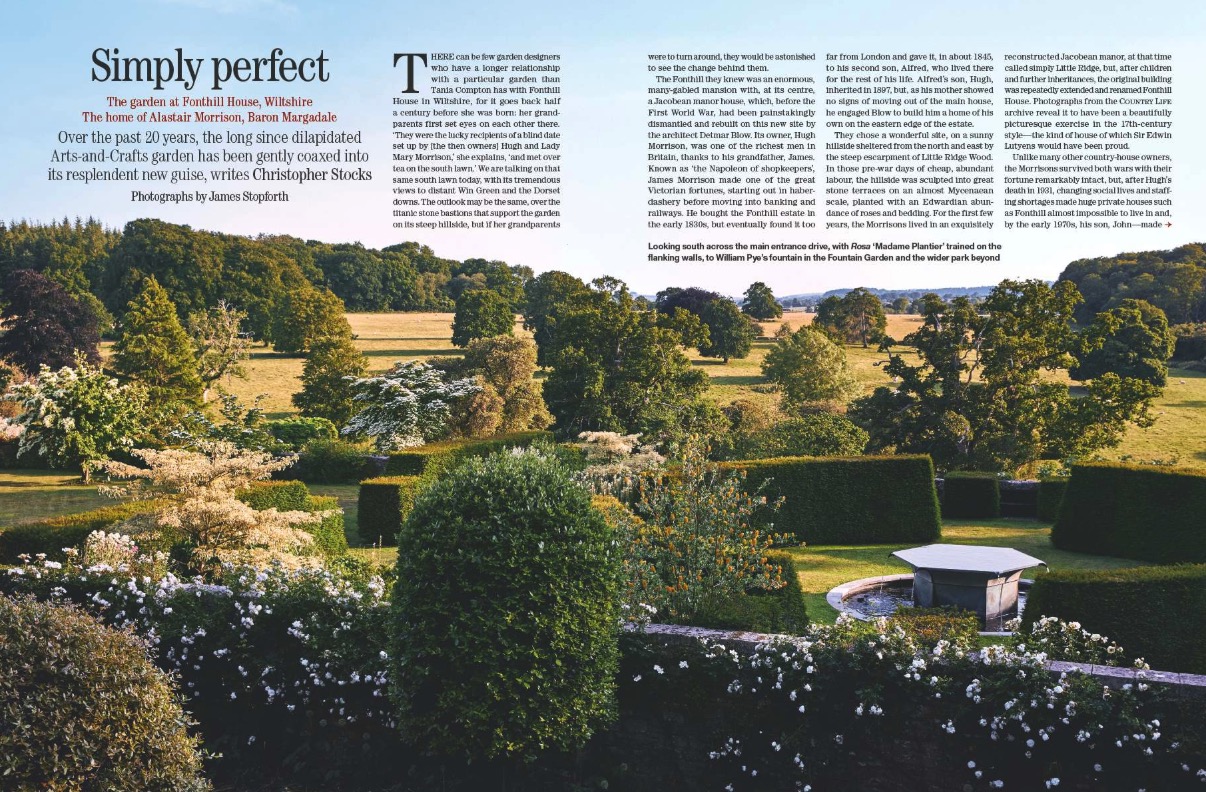
Charles Quest-Ritson shares 1,000 reasons to fall in love with the restored walled garden at Dummer House, Hampshire
Arts & antiques
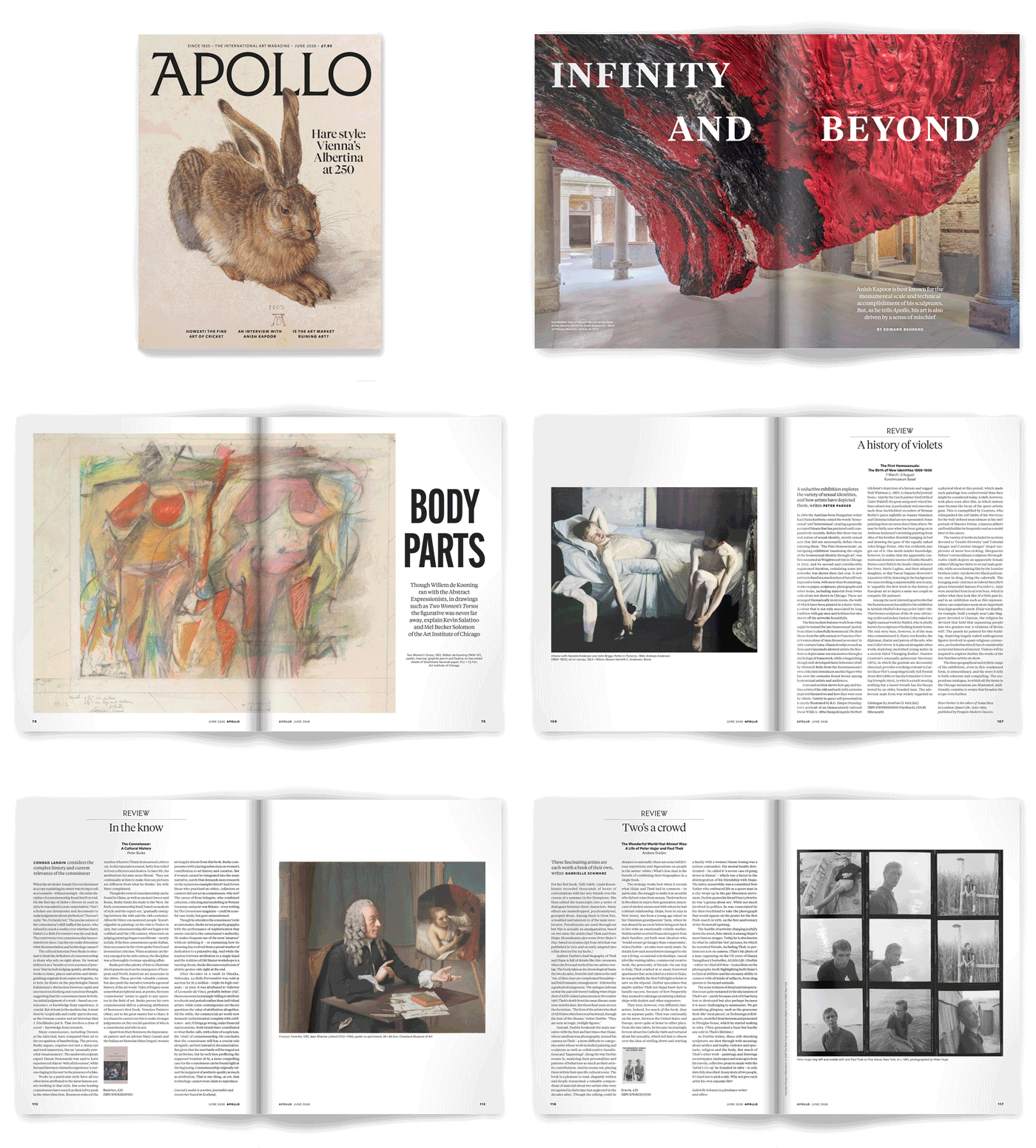
Rebecca Salter, president of the Royal Academy, outlines her ambitions to Carla Passino
Travel
A mountain-top encounter rings a bell with Pamela Goodman
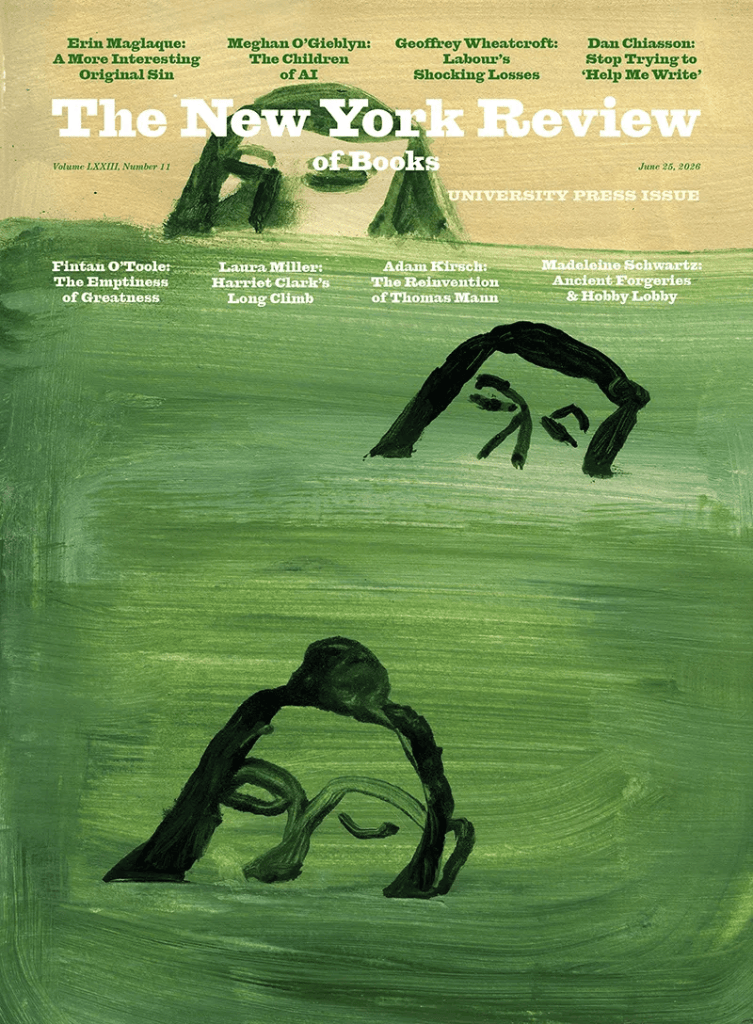
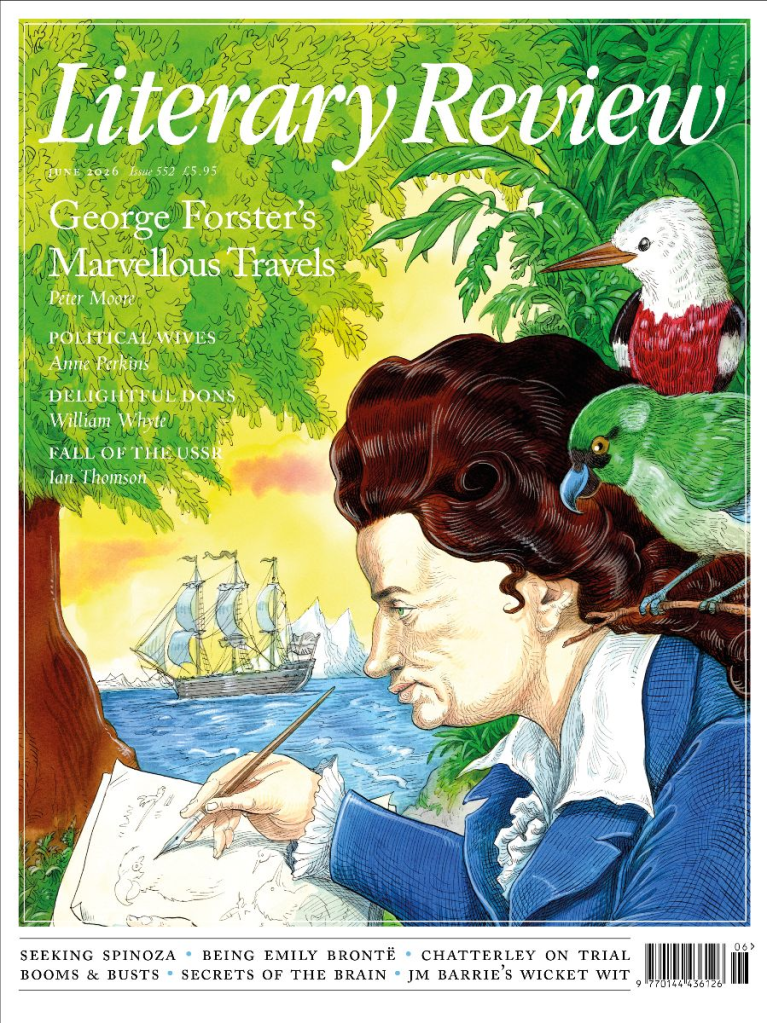
The Traveller: The Revolutionary Life of George Forster and his Search for Humanity
By Andrea Wulf
An exemplary tour of the High Enlightenment might go something like this. You’d begin in the streets of 1760s London to feel the pulse of Georgian commerce. You’d then hop aboard one of Captain Cook’s colliers and cruise through the Pacific, having encounters every day. Returning to Europe you might watch Benjamin Franklin in diplomatic action at Passy and dine with Casanova in Vienna, before sailing up the Rhine with Humboldt. Having inspected the Soho Manufactory in Birmingham and admired the picturesque scenery of the Peak District, you’d cross the Channel just in time for the grand and bloody finale in Paris.
Twilight of the Dons: British Intellectuals from World War II to Thatcherism
By Colin Kidd
Arriving as an undergraduate at Cambridge in 1961, Terry Eagleton was both overawed and underwhelmed by his supervisor, a man he calls Greenway in his memoir. ‘Greenway was the first truly civilised man I had ever encountered,’ Eagleton recalls.
This Dark Night: The Life of Emily Brontë
By Deborah Lutz
We know so little about Emily Brontë. There are just a few snapshots, like the vivid recollection of her sister Charlotte’s great friend Ellen Nussey: ‘Her extreme reserve seemed impenetrable, yet she was intensely loveable … one of her rare expressive looks was something to remember through life, there was such a depth of soul and feeling..