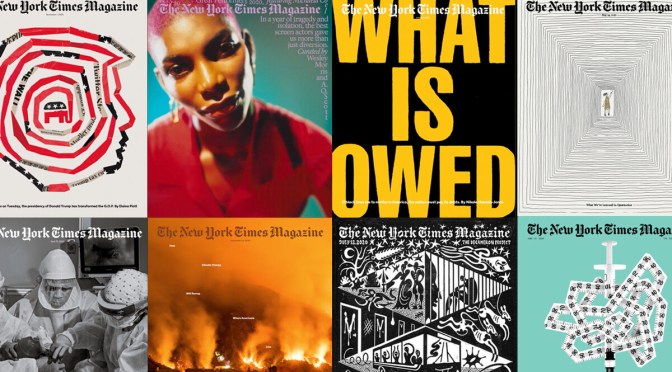
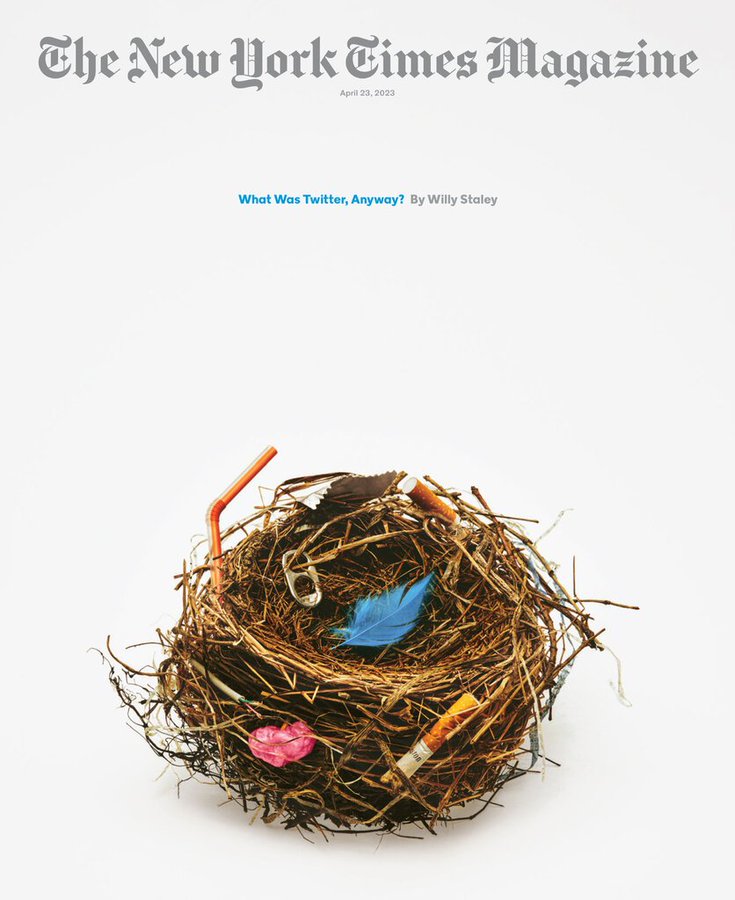
Detectives Art Walkley, left, and Karoline Keith and Sgt. Jeff Covello, crime-scene investigators for the Connecticut State Police.Credit…Elinor Carucci for The New York Times
The crime-scene investigators are the ones who document, and remember, the unimaginable. This is what they saw at Sandy Hook.
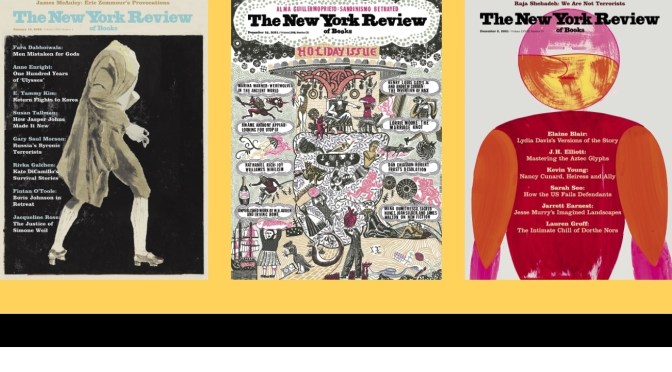
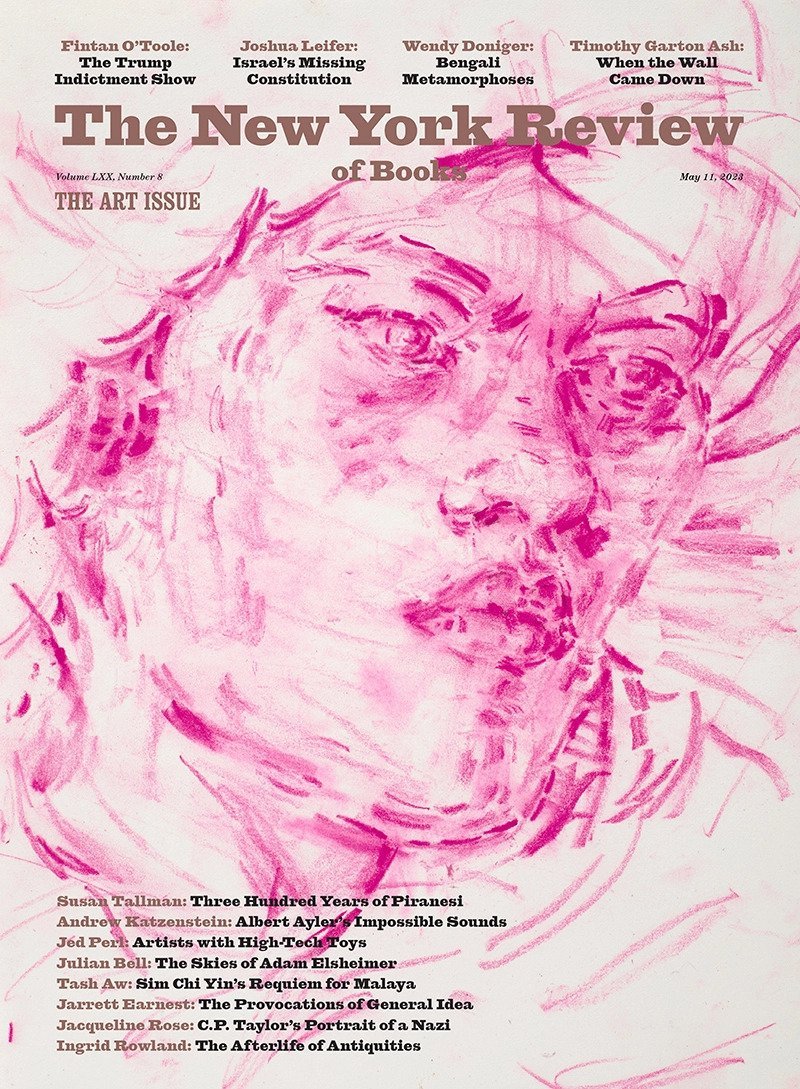
The New York Review of Books – May 11, 2023 issue: The Art Issue features Fintan O’Toole on the return of the Trump circus, Susan Tallman on why Piranesi still speaks to us, Joshua Leifer on democracy deferred in Israel, Ingrid D. Rowland on recycling antiquity, and Julian Bell on Adam Elsheimer’s oceanic immensity.
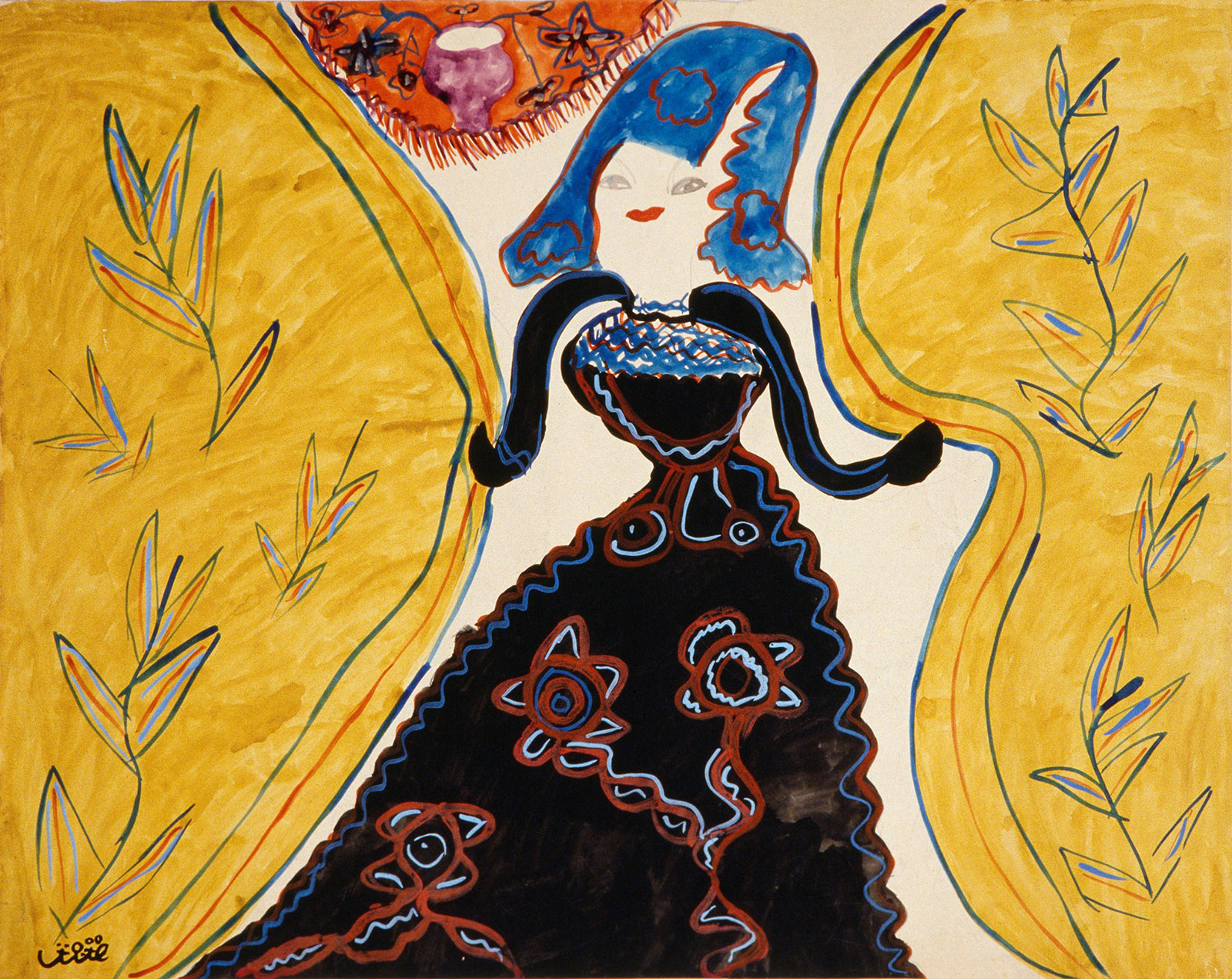
Bachir Mahieddine/Institut du Monde Arabe, ParisBaya: The Yellow Curtains, 1947
An exhibition of the Algerian painter’s work liberates it from the political symbolism of late colonialism.
In November 1947 a fifteen-year-old prodigy from colonial Algeria named Baya, described variously as Kabyle, Berber, Muslim, and Arab, exhibited her gouaches and clay sculptures at the Parisian gallery of the art dealer Aimé Maeght. Yves Chataigneau, the French governor of Algeria, and Si Kaddour Benghabrit, the rector of the Paris Mosque, were the sponsors of the exhibition, and the opening attracted some of the most influential cultural figures of postwar Paris: the writers Albert Camus, François Mauriac, and André Breton; the painters Henri Matisse and Georges Braque; the designer Christian “Bebè” Bérard.
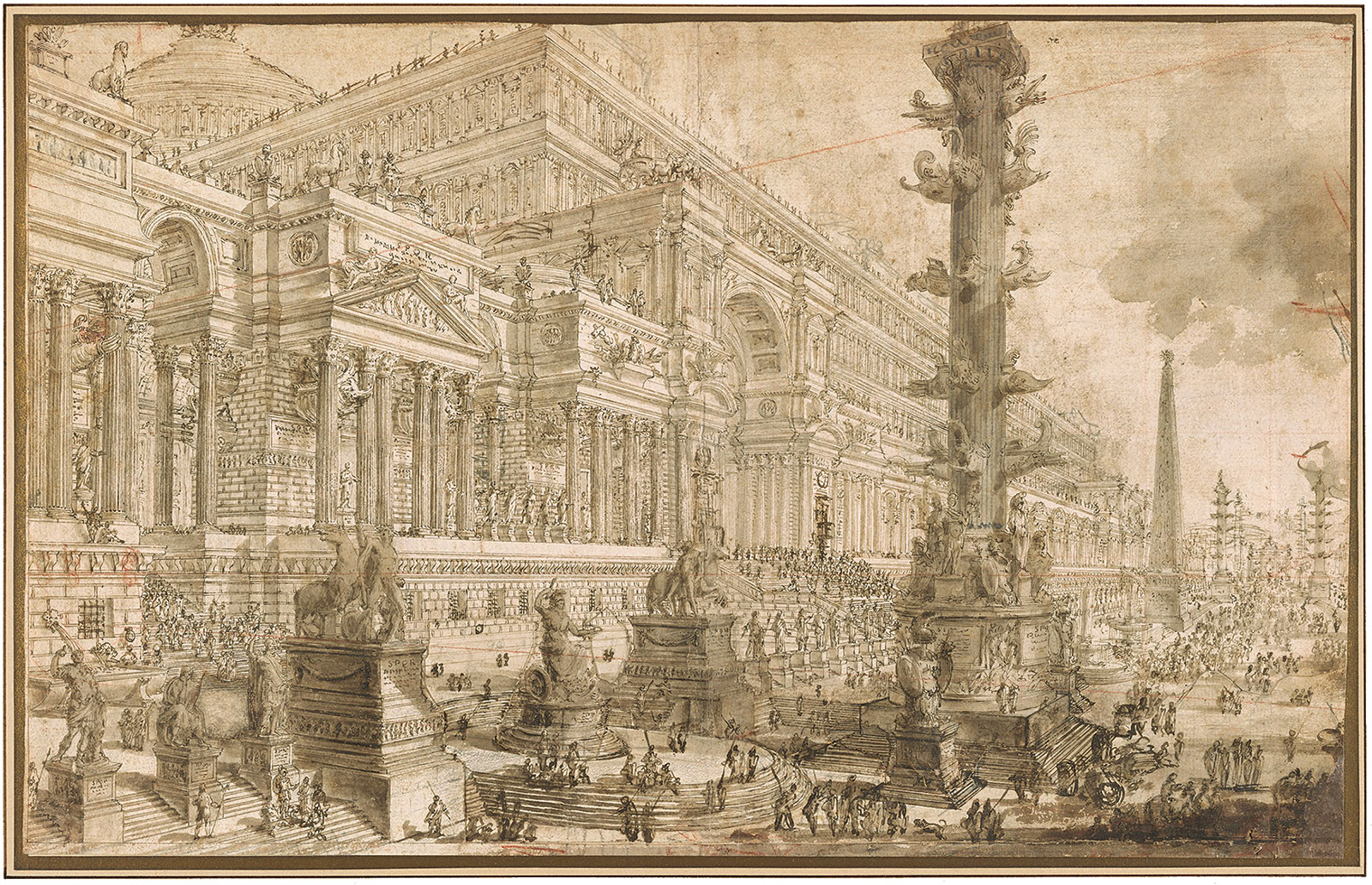
Giovanni Battista Piranesi: Architectural Fantasy with a Colossal Façade, circa 1743–1745; Morgan Library and Museum, New York
For generations, Giovanni Battista Piranesi’s prints of Roman views defined the popular image of the Eternal City. A profusion of new exhibitions and publications shows why he still speaks to us.
Also in the issue: Jacqueline Rose on C. P. Taylor’s final play, Colin B. Bailey on the Impressionists’ decorations, Wendy Doniger on Bengali tales from the mangrove forests, Christopher Benfey on the Black American potters of the nineteenth century, Jed Perl on high-tech high art, poems by Sasha Debevec-McKenney, Mosab Abu Toha, and Cyrus Console, and much more.
The Globalist, April 7, 2023: Ukraine clarifies its stance on Crimea. Plus: an eventful week in Chinese foreign policy, depictions of mafia in the media and the latest theatre news.
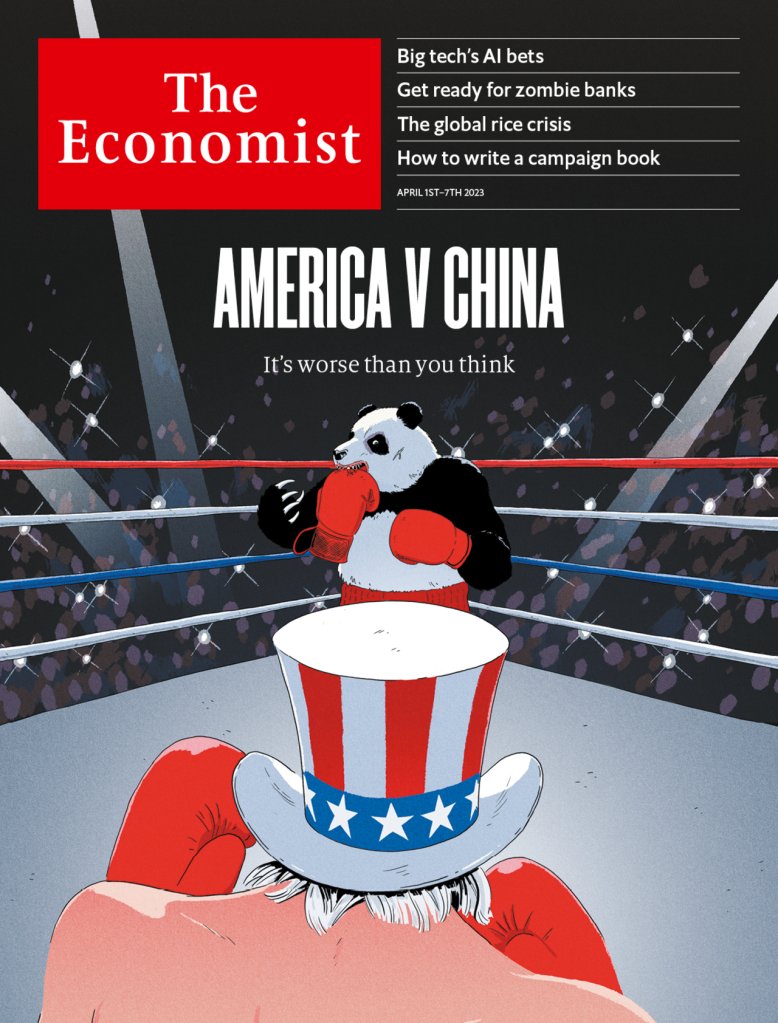
Chinese officials rage at what they see as American bullying
You may have hoped that when China reopened and face-to-face contact resumed between politicians, diplomats and businesspeople, Sino-American tensions would ease in a flurry of dinners, summits and small talk. But the atmosphere in Beijing just now reveals that the world’s most important relationship has become more embittered and hostile than ever.
The world’s most important crop is fuelling climate change and diabetes
The green revolution was one of the greatest feats of human ingenuity. By promoting higher-yielding varieties of wheat and, especially, rice, plant-breeders in India, Mexico and the Philippines helped China emerge from a famine and India avoid one. From 1965 to 1995 Asia’s rice yields doubled and its poverty almost halved, even as its population soared.
The government’s retreat has pulled Israel back from the brink. But its people remain deeply divided
Israel’s citizens have won a rare victory after marching, week after week, to defend judicial independence and the character of their democracy. On March 27th they forced their prime minister, Binyamin Netanyahu, to suspend his plan to rein in the courts. Yet, although the crisis has abated, it has not passed.
Also in the programme: notorious Russian paramilitary organisation the Wagner Group increases its activities in Africa, while Hungary decides on Finland’s Nato bid. Plus: why Greenland has decided to stick to daylight saving time.
March 27, 2023: A selection of three essential articles read aloud from the latest issue of The Economist. This week, we explore the world according to XI. Also, we look at the excruciating trade-off central bankers face (09:56) and why editing Roald Dahl for sensitivity was silly (17:28).
March 24, 2023: Benjamin Netanyahu’s UK visit. Plus: Emmanuel Macron digs in his heels as pension-reform rallies erupt across France, Honduras switches ties from Taiwan to China and the latest business news.
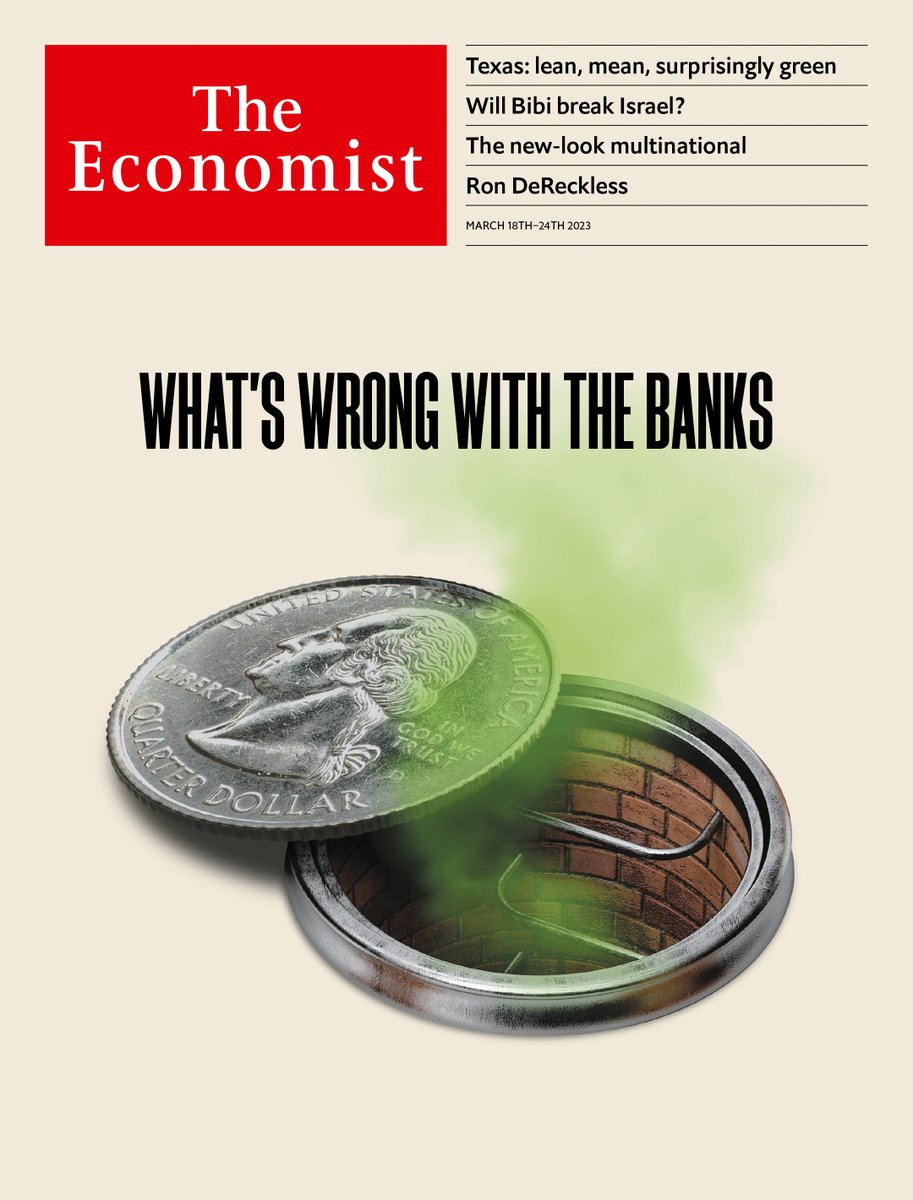
March 20, 2023: A selection of three essential articles read aloud from the latest issue of The Economist. This week, what’s wrong with the banks? Also, we ask whether Bibi will break Israel (10:39) and why men should get a good night’s sleep to ensure vaccines work properly (19:03).
Rising interest rates have left banks exposed. Time to fix the system—again
Only ten days ago you might have thought that the banks had been fixed after the nightmare of the financial crisis in 2007-09. Now it is clear that they still have the power to cause a heart-stopping scare. A ferocious run at Silicon Valley Bank on March 9th saw $42bn in deposits flee in a day. svb was just one of three American lenders to collapse in the space of a week. Regulators worked frantically over the weekend to devise a rescue. Even so, customers are asking once again if their money is safe.
When Israel’s best and brightest are up in arms it is time to worry
This should have been Israel’s moment. As it approaches its 75th birthday in April the risk of a conventional war with neighbouring Arab states, for decades an existential danger, is at its lowest since 1948. The last Palestinian intifada, or uprising against occupation, ended 18 years ago. Israel’s tech-powered economy is more successful and globally relevant than ever. Last year gdp per person hit $55,000, making it richer than the eu.
Vaccines get all the glory, but it is really the immune system that does the heavy lifting. Indeed, those with weak immune systems often benefit little from vaccines. Aware of this, researchers have long thought that people deprived of sleep also ought to benefit less from vaccines, as sleeping less is thought to reduce immune function. A new analysis reveals that this is clearly the case—though only in men.
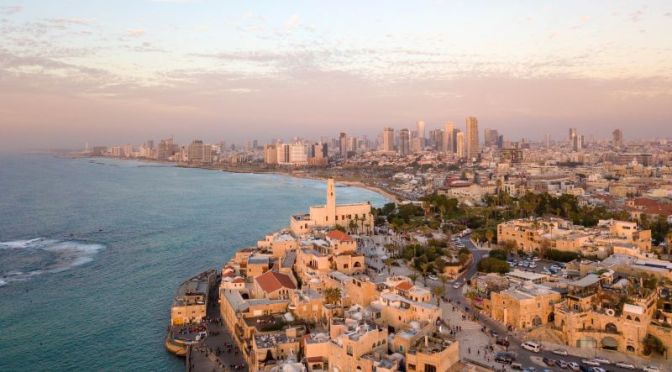
March 19, 2023 – A walking tour of Carmel Market, King George St., Dizengoff Center, Habima Theatre, Rothschild Blvd., and South Tel Aviv.
Video timeline: 00:00 Carmel Market 13:03 King George St. 24:40 Dizengoff Center 27:24 Dizengoff St. 30:26 Dizengoff Square 32:08 Dizengoff St. 43:00 Habima Theatre 45:21 Rothschild Blvd. 01:09:16 South Tel Aviv
Tel Aviv–Yafo, Yafo also spelled Jaffa or Joppa, Arabic Yāfā, major city and economic centre in Israel, situated on the Mediterranean coast some 40 miles (60 km) northwest of Jerusalem.
Tel Aviv was founded in 1909 as a Jewish garden suburb of the ancient Mediterranean port of Jaffa (now Yafo), with which it was joined in 1950. By the beginning of the 21st century, the modern city of Tel Aviv had developed into a major economic and cultural centre. Tel Aviv is headquarters for a number of government ministries, including the Ministry of Defense, as well as other public organizations, such as the Histadrut (General Federation of Labour). Most of the foreign embassies in Israel are also located in the city. In addition, most of Israel’s large corporations are headquartered in Tel Aviv.
Rising interest rates have left banks exposed. Time to fix the system—again
Only ten days ago you might have thought that the banks had been fixed after the nightmare of the financial crisis in 2007-09. Now it is clear that they still have the power to cause a heart-stopping scare. A ferocious run at Silicon Valley Bank on March 9th saw $42bn in deposits flee in a day. svb was just one of three American lenders to collapse in the space of a week.