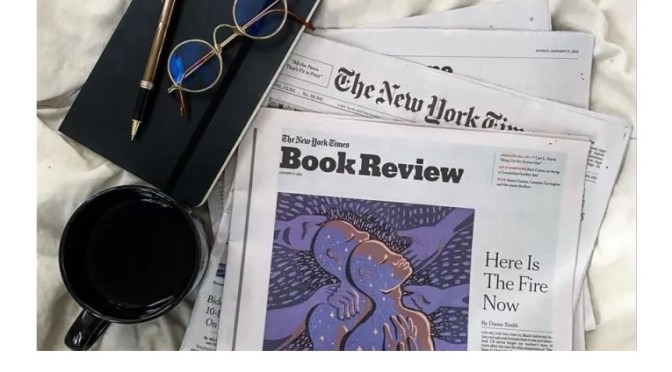
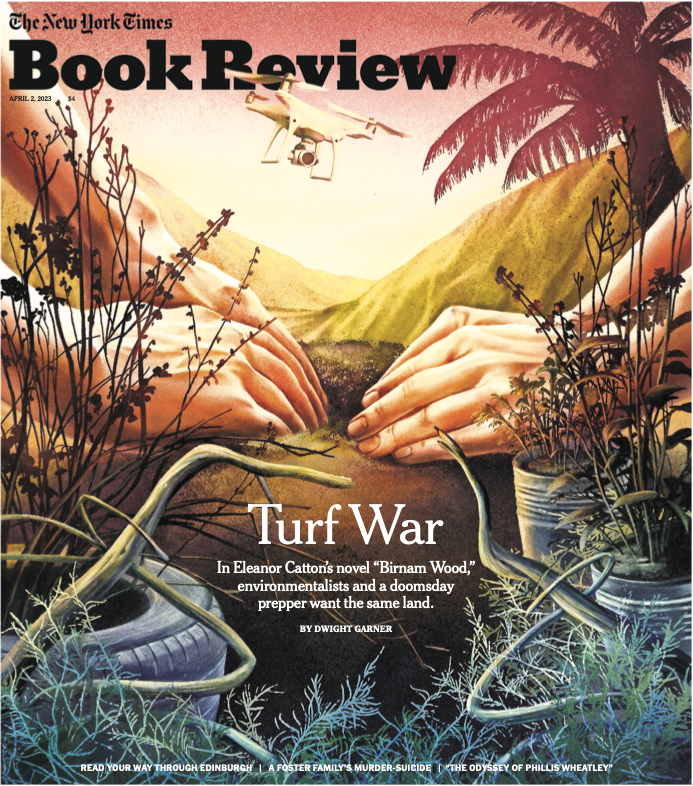
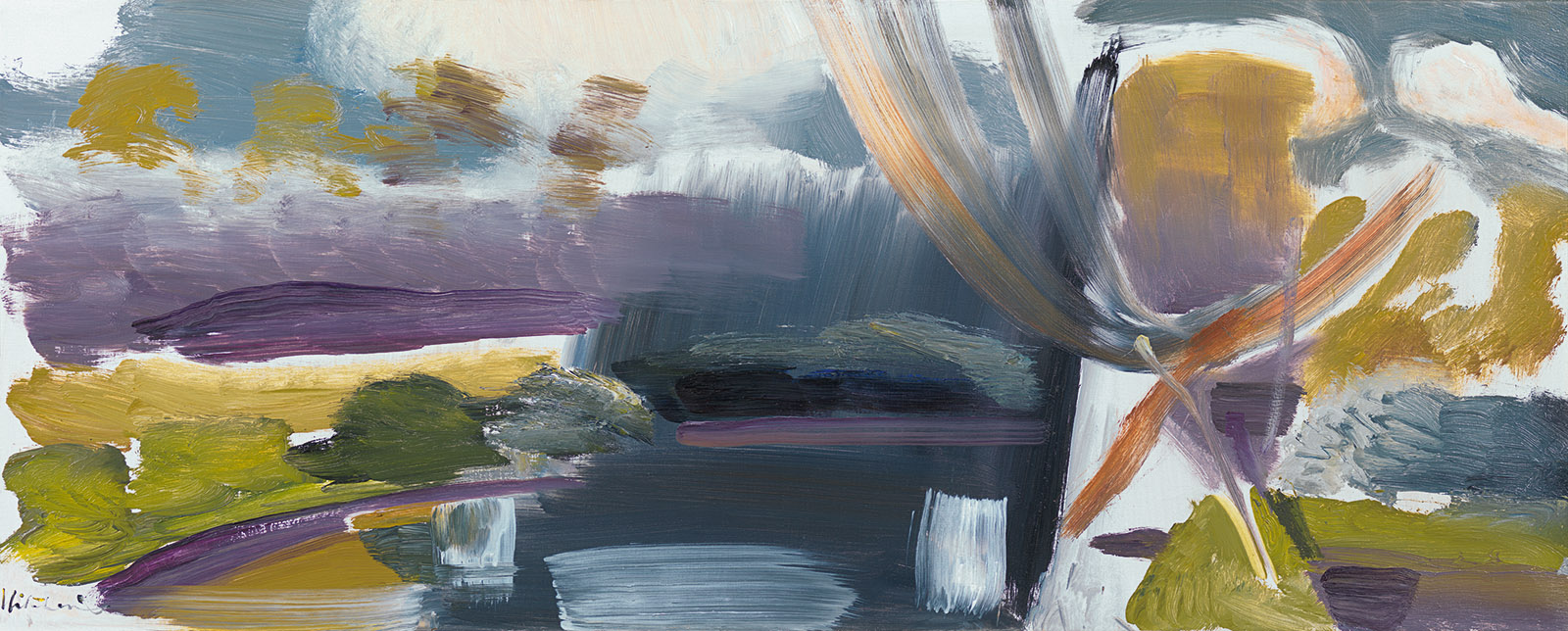
Edinburgh calls to readers, its pearl-grey skies urging them to curl up with a book. Maggie O’Farrell, the author of “Hamnet,” suggests reading that best reflects her city.
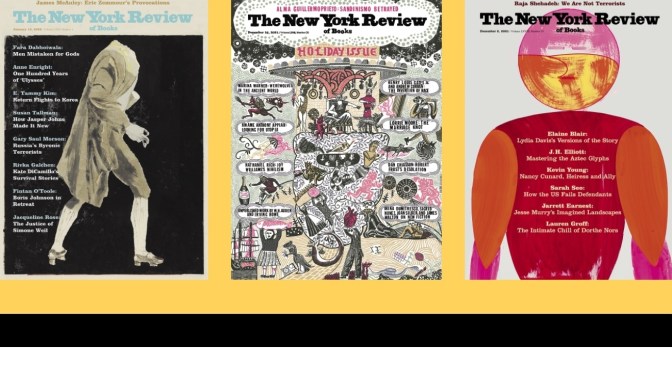
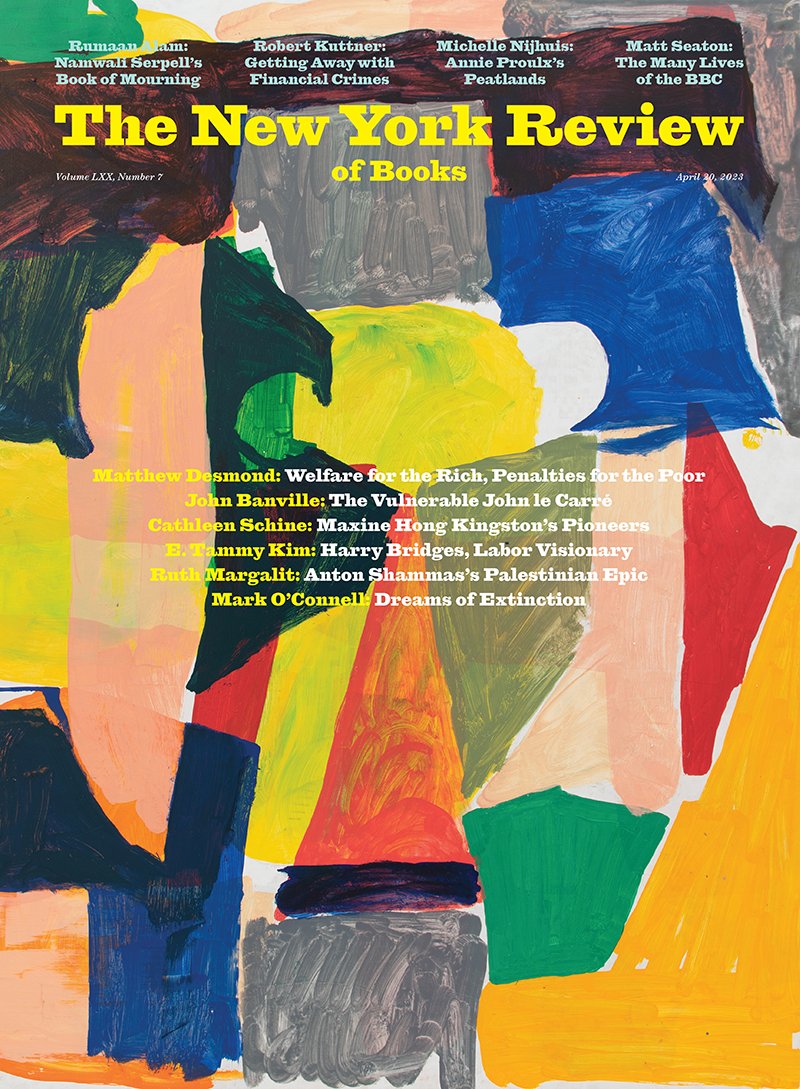
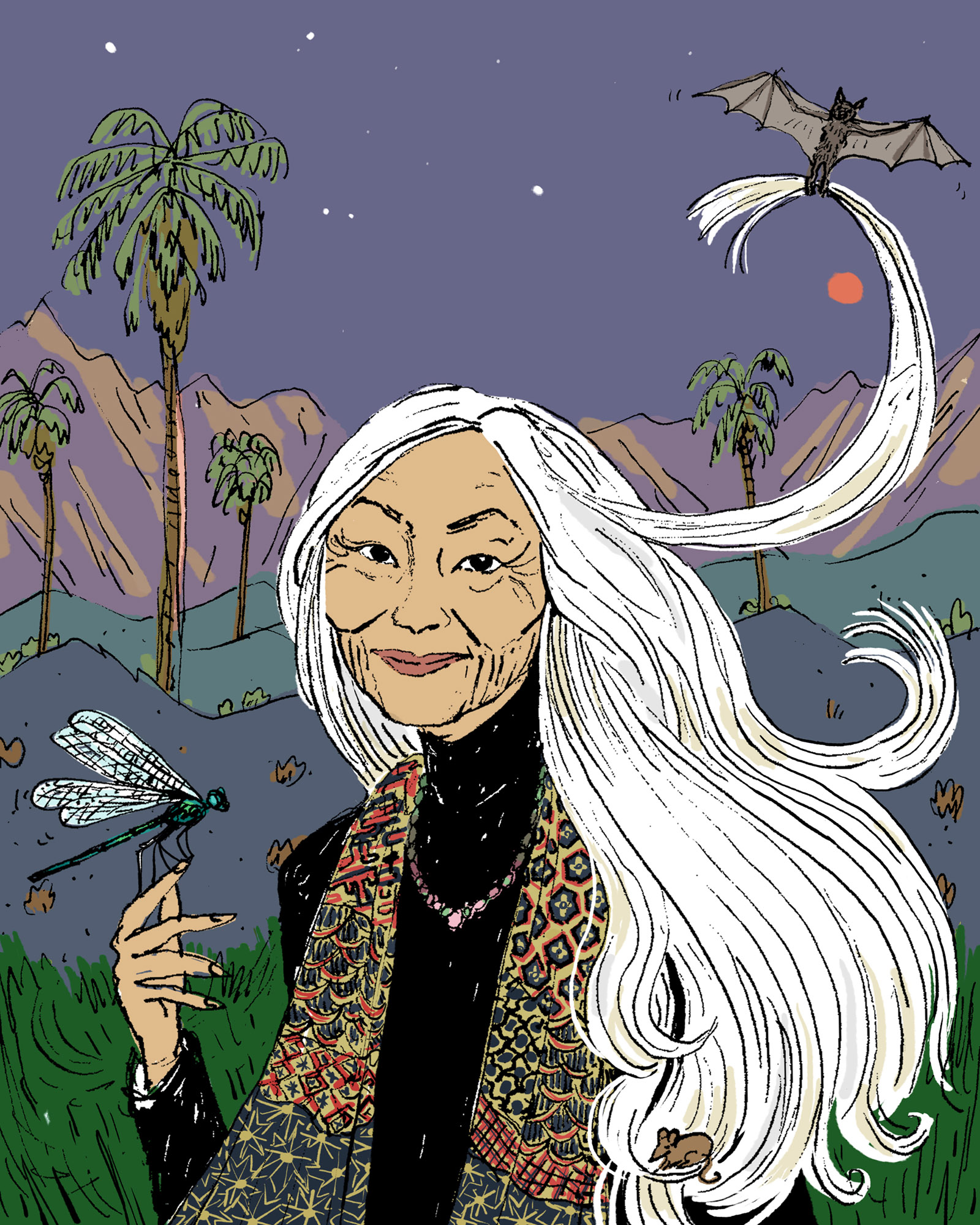
The New York Review of Books – April 20, 2023 issue:The London Book Fair Issue—is online now, with Cathleen Schine on Maxine Hong Kingston’s talking-stories, Jameel Jaffer on the “ethical train wreck” at the Office of Legal Counsel, Rumaan Alam on Namwali Serpell, Geoffrey O’Brien remembers Joe Brainard, Michelle Nijhuis on swamps and bogs, E. Tammy Kim on the legend of Harry Bridges, John Banville on John le Carré, Mark O’Connell on the world without us, Manisha Sinha on antebellum Black citizens, Matthew Desmond on handouts for the rich, poems by Homer and Isabel Galleymore, and much more.
Two recent books show that the concept of ecological restoration is a fuzzy one: even practitioners rarely agree on what is being restored, or to what end.
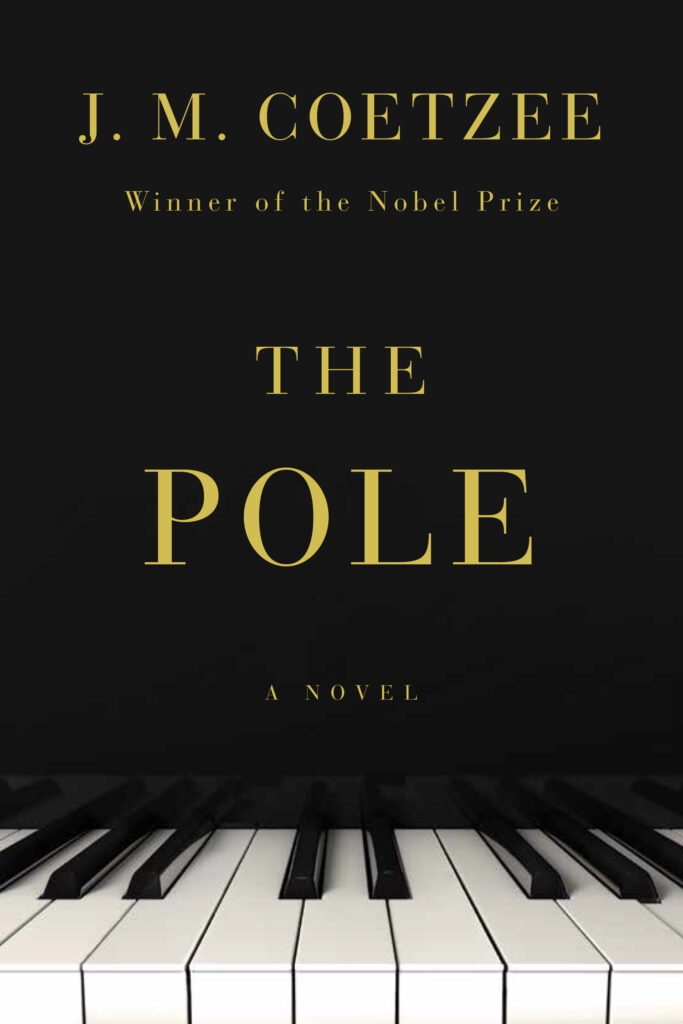
LitHub (March 28, 2023): Literary Hub is very pleased to reveal the cover for Nobel Prize winner J. M. Coetzee’s new novel The Pole, which will be published by Liveright this September. Here’s more about the book from the publisher:
Exacting yet maddeningly unpredictable, J. M. Coetzee’s The Pole tells the story of Wittold Walccyzkiecz, a vigorous, “extravagantly white-haired” Polish pianist who becomes infatuated with Beatriz, a stylish patron of the arts, after she helps organize his Barcelona concert. Although Beatriz, a married woman, is initially unimpressed by Wittold, she soon finds herself pursued and ineluctably swept into the world of the journeyman performer. As he sends her letters, extends countless invitations to travel, and even visits her husband’s summer home in Mallorca, their unlikely relationship blossoms, though, it seems, only on her terms. The power struggle between them intensifies—Is it Beatriz who limits their passion by controlling her emotions? Or is it Wittold, trying to force into life his dream of love?
Love Novel by Ivana Sajko, translated by Mima Simić
Paradais by Fernanda Melchor, translated by Sophie Hughes
Marzahn, Mon Amour by Katja Oskamp, translated by Jo Heinrich
Em by Kim Thúy, translated by Sheila Fischman
The Dublin Literary Award is presented annually for a novel written or translated into English. Books are nominated for the award by invited public libraries in cities throughout the world, making the award unique in its coverage of international fiction.
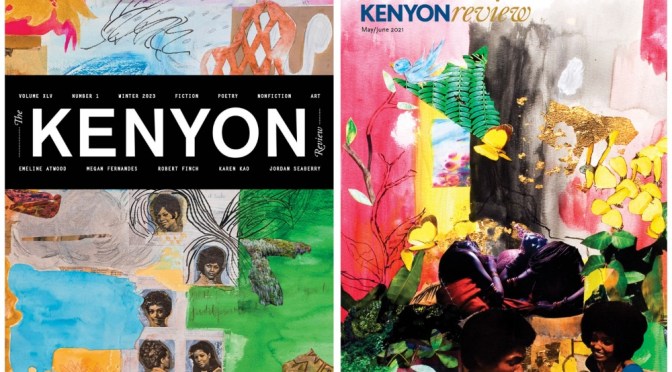
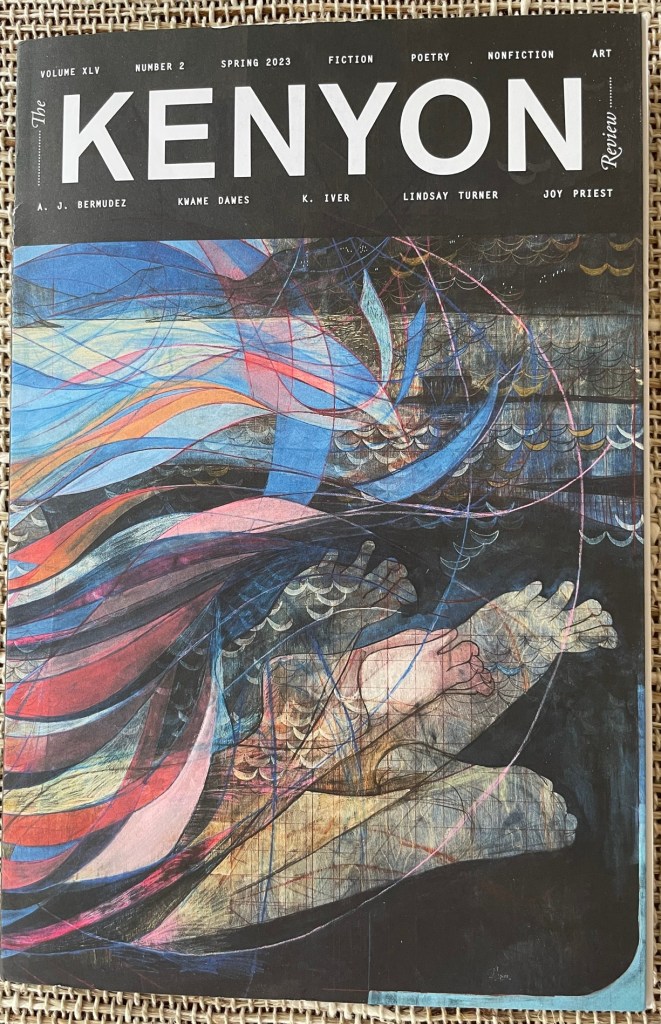
Kenyon Review – Spring 2023 issue includes a folio of literature in translation guest edited by award-winning translators Jennifer Croft, Anton Hur, and Jeremy Tiang. The issue also includes poetry by Kwame Dawes, Timothy Donnelly, K. Iver, and Danusha Lameris; fiction by Sam J. Miller, Michael Tod Powers, J. T. Sutlive, and Lindsay Turner; nonfiction by A. J. Bermudez; and the winner of the 2022 Short Fiction Contest, judged by Karen Russell. The cover art is by Pamela Phatsimo Sunstrum.
“A Field Guide to the Bear-Men of Leningrad” : a rare non-speculative thing from me, about boyhood & masculinity & human monstrosity in 1930s Russi… https://instagr.am/p/CqDkW1jsCI5/
Margaret Atwood’s new book is “Old Babes in the Wood.”Credit…Arden Wray for The New York Times
Her new story collection, “Old Babes in the Wood,” offers elegiac scenes from a marriage plus a grab bag of curious fables.
There are authors we turn to because they can uncannily predict our future; there are authors we need for their skillful diagnosis of our present; and there are authors we love because they can explain our past. And then there are the outliers: those who gift us with timelines other than the one we’re stuck in, realities far from home. If anyone has proved, over the course of a long and wildly diverse career, that she can be all four, it’s Margaret Atwood.
Michael Lesy’s book of historical photographs and found text offers a singular portrait of American life.
Michael Lesy’s 1973 book “Wisconsin Death Trip” is an American oddity, a cult classic for a reason. In a way that few documentary texts do, it makes us leave the baggage of modernity at the trailhead. It forces us back into the inconceivably long nights in rural and small-town America before the widespread use of electricity, before radio, before antibiotics for dying children and antidepressants for anxiety bordering on mania, when events could make a family feel that some nocturnal beast had chalked its door.
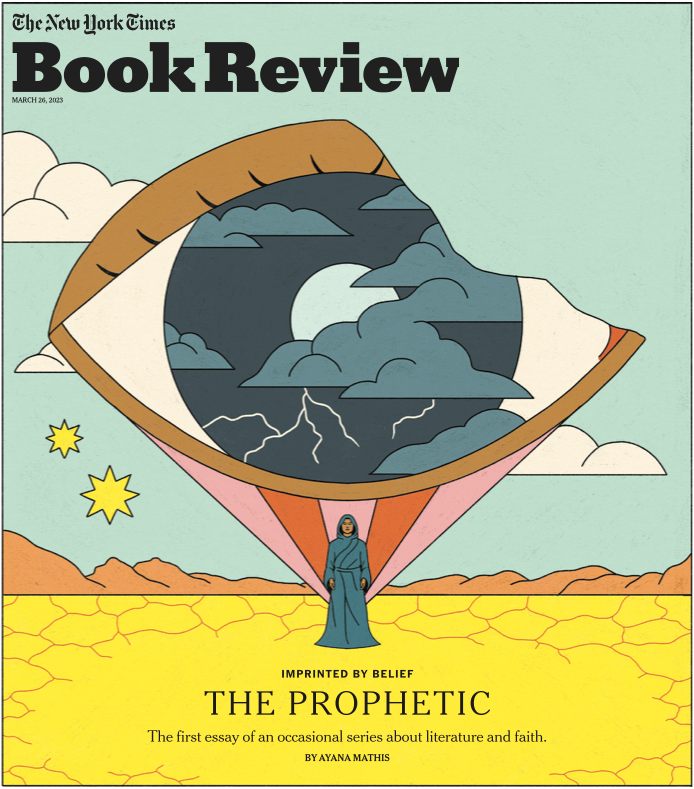
The first installment of an essay series on American literature and faith.
I am a child of the church. In an early memory, I am 6 years old, half-asleep in the back of my grandparents’ station wagon on the way home from a revival…
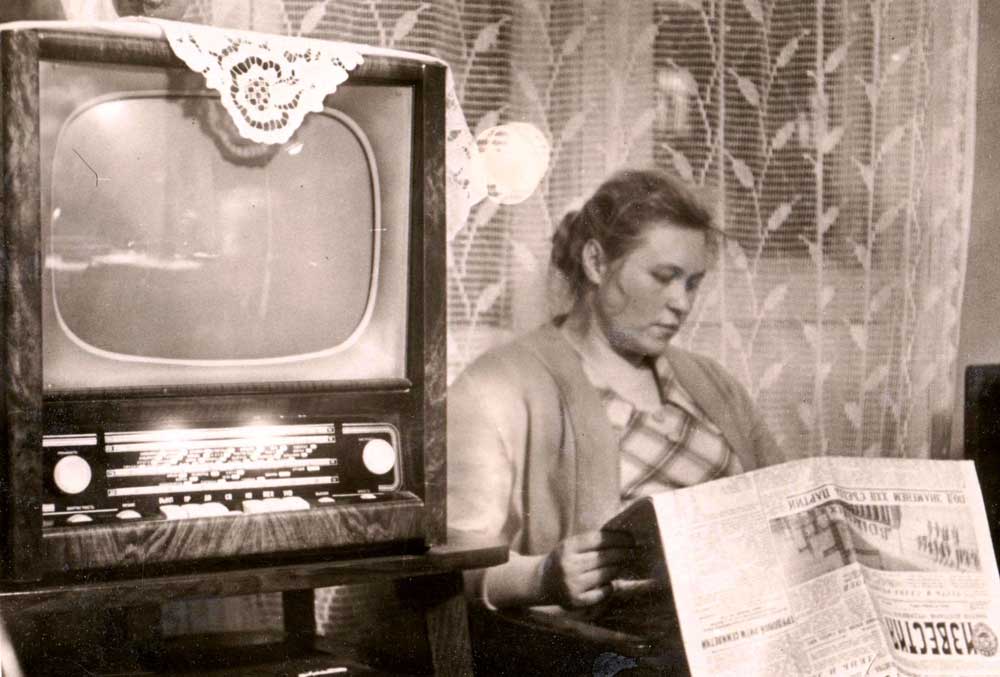
‘The ‘Belarus-5’ in an ordinary Soviet house,’ photographed in the 1960s.
Americanised globalisation and the new world of Russian business in the 1990s.
In the 1990s, a version of the satirical puppet show Spitting Image arrived on Russian television. A Muscovite once told the story of his father, who took great care to record every episode on VHS.
A Nation of Descendants: Politics and the Practice of Genealogy in US History by Francesca Morgan.
In A Nation of Descendants: Politics and the Practice of Genealogy in U.S. History(University of North Carolina Press, 2021), historian Francesca Morgan tracks Americans’ obsession with tracing family ancestry. Morgan sheds light on the evolution of genealogical knowledge from the early republic to the present day. Although our New Books Network conversation concentrates on African Americans, in her text, she looks explicitly at how Anglo-American white, Mormon, Jewish, African American, and Native American people wrestled with locating and documenting their kin and ultimately shaped the practice of genealogy. A Nation of Descendants also explores the transformation of genealogical practices as it becomes commercialized and commodified.
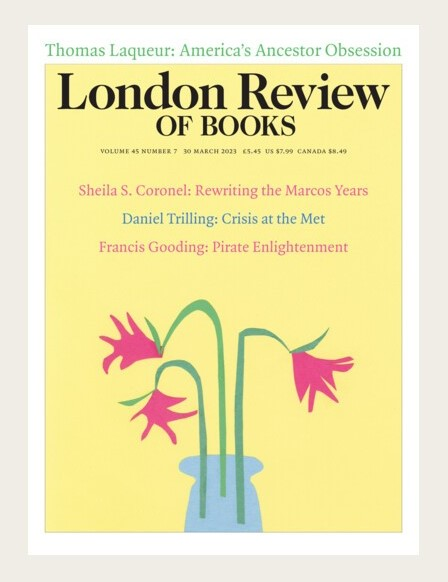
Pirates have long lived in the realm of romance and fantasy, symbolizing risk, lawlessness, and radical visions of freedom. But at the root of this mythology is a rich history of pirate societies―vibrant, imaginative experiments in self-governance and alternative social formations at the edges of the European empire.