A Venice Biennale special: we give you a flavour of the 59th edition of the Biennale which, as ever, brings a deluge of contemporary art to the historic Italian city.
We talk to four artists in the national pavilions – Francis Alÿs in the Belgian Pavilion, Sonia Boyce in the British pavilion, Shubigi Rao in the Singapore pavilion and Na Chainkua Reindorf in the Ghana pavilion – about their presentations and how, if at all, they relate to the idea of nationhood. Louisa Buck and Jane Morris join host Ben Luke to review the main exhibition, The Milk of Dreams, curated by Cecilia Alemani, and pick their highlights of the Biennale so far. And while most visitors to Venice this week are immersed in contemporary art, for this episode’s Work of the Week, we take a look at a masterpiece that remains exactly where it was intended to hang. The art historian Ben Street joins Ben Luke in San Giovanni Crisostomo, a church near Venice’s Rialto bridge, to look at Saints Christopher, Jerome and Louis of Toulouse, a late painting by the Venetian Renaissance artist Giovanni Bellini.
This week The World Economic Forum are highlighting 4 top stories – new solar panels that work at night, how Lithuania has cut Russian gas imports, first aid training in Ukraine, and how new e-chopsticks can add taste to your food.
Chapters: 00:15 Solar panels that work at night 01:45 Lithuania axes Russian gas 03:21 First aid training in Ukraine 05:46 E-Chopsticks add taste
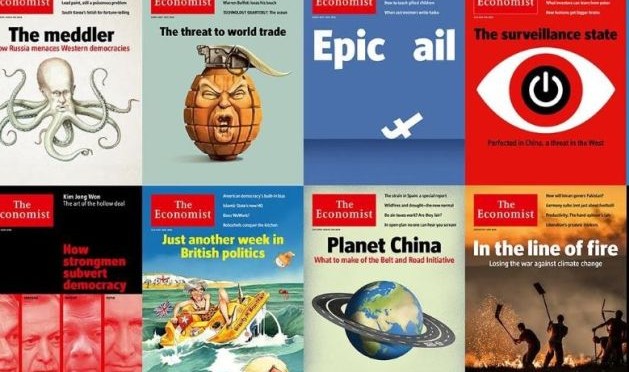
Central banks are supposed to inspire confidence in the economy by keeping inflation low and stable. In America, however, there has been a hair-raising loss of control. Our latest cover https://t.co/7mImcEP3wmpic.twitter.com/2c7JzMGg1i
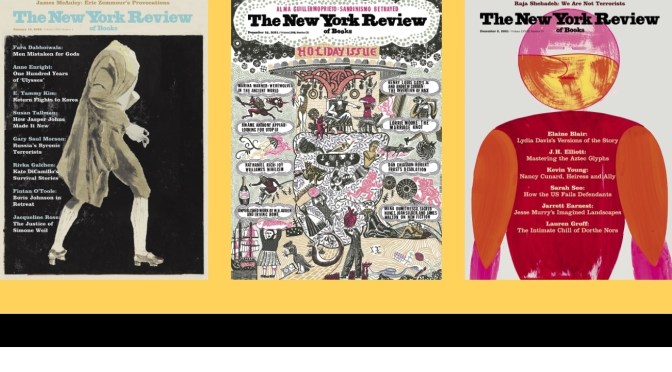
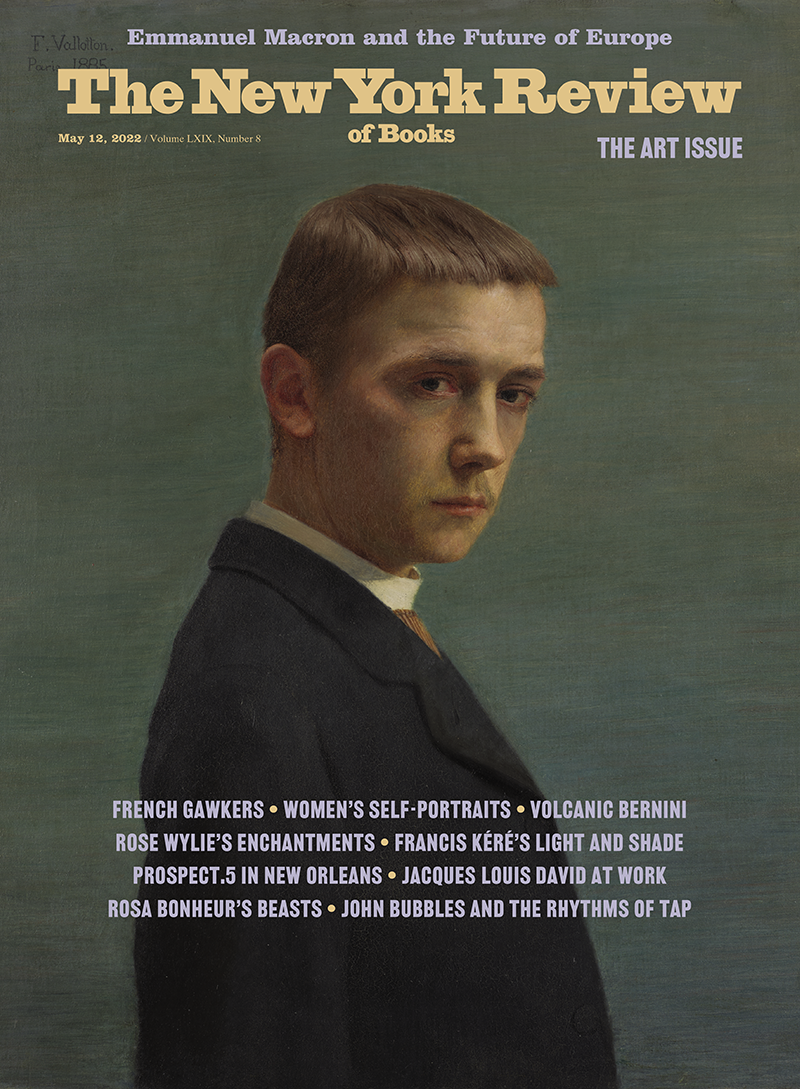
Our May 12 issue—the Art Issue—is online now, featuring articles from Ruth Bernard Yeazell, Julian Barnes, Martin Filler, Carolina A. Miranda, David Salle, Gary Saul Morson, Ingrid D. Rowland, Adam Hochschild, and much more. https://t.co/rmufOVCOcMpic.twitter.com/Ai0fhY9zMh
— The New York Review of Books (@nybooks) April 21, 2022
From the beginning, female self-portraitists have chosen to show themselves at work, as if to demonstrate that they could handle a brush as well as male artists.
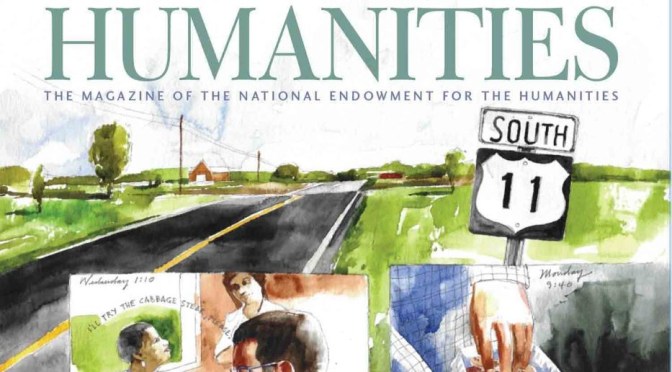
The Mirror and the Palette: Rebellion, Revolution, and Resilience: Five Hundred Years of Women’s Self Portraits
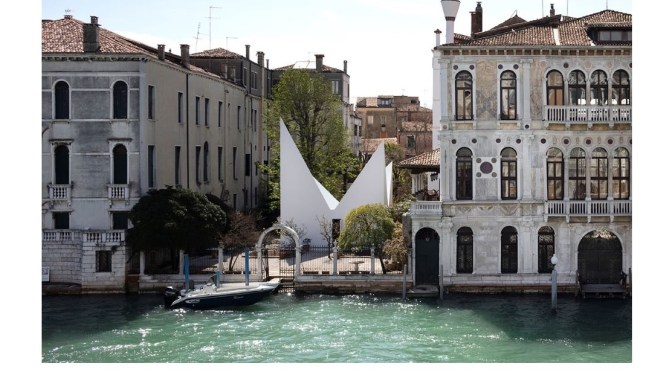
The pavilion, called Hanji House, is visible from the Grand Canal of Venice with its four-pyramidal roofs. The pavilion was designed to be in dialogue with an exhibition, titled Chun Kwang Young: Times Reimagined, as part of the Art Biennale.
The exhibition features 40 large-scale mulberry-paper reliefs, sculptures and installations created by the Korean artist Chun Kwang Young at the Palazzo Contarini Polignac in Venice.
“Hanji” is the name of a traditional Korean paper made technique deriving from mulberry, also known as the “thousand years paper” due to its great resistance.
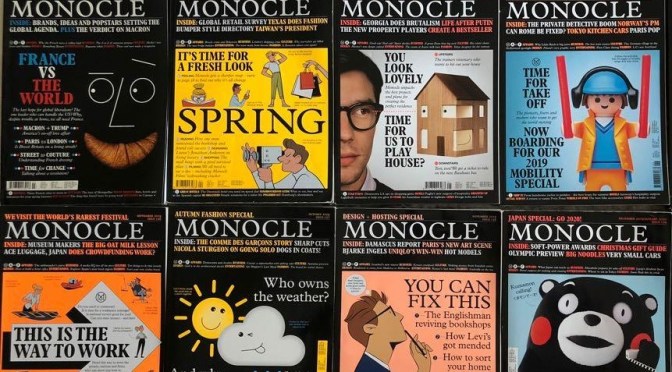
Monocle’s latest issue sets out the benchmarks (and benches) for a better world as we put the 50 recipients of this year’s Monocle Design Awards in the spotlight. Elsewhere, we visit the rugged terrain of northern Norway to witness one of the biggest military drills in Nato’s history and George Town to explore how Malaysia’s tropical tech hub is booming.
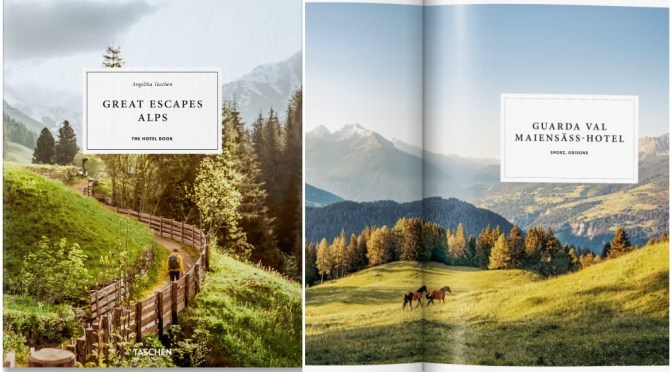
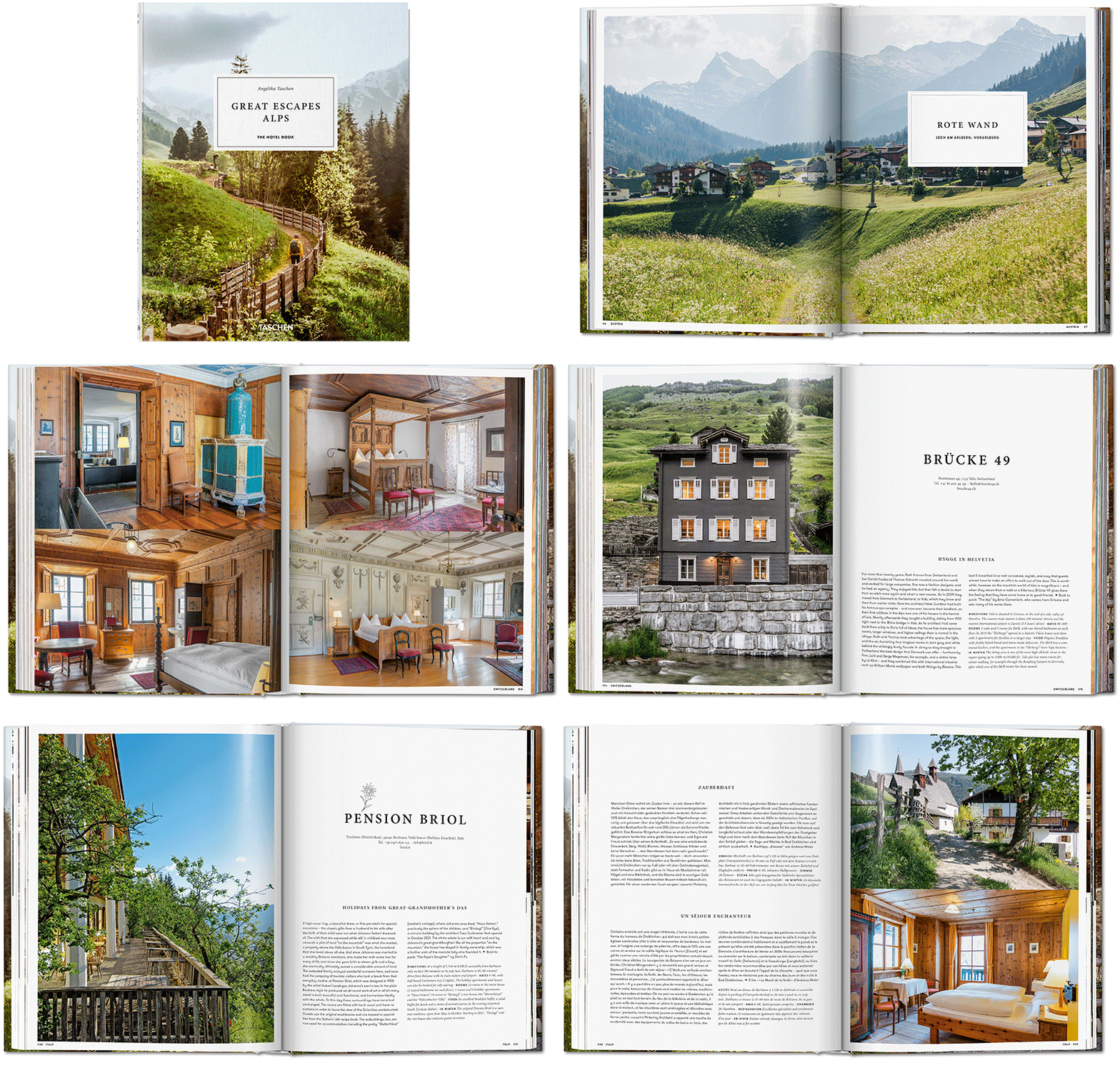
Flowering mountain slopes and traditional meadows. Icy glaciers and majestic summits. With their untouched nature and raw beauty, the Alps have always been a source of fascination. Angelika Taschen presents the best accommodation for Alpinists – historic inns, guesthouses, monasteries, mountain huts, chalets, palazzi, design hotels, even a youth hostel.
A Mountain Tour of the Alps
The Alps are Europe’s biggest and greatest mountain range. Formed millions of years ago, they became a popular destination for travelers in the late eighteenth century – first for adventurers and explorers, then for artists and writers, and finally for everyone who wanted to spend summer in the fresh air of this wonderful scenery or take part in winter sports. Angelika Taschen has followed in their footsteps and collected the finest hotels in the Alpine nations of Germany, Austria, Switzerland, France, and Italy.
They include the Kranzbach near Garmisch-Partenkirchen, built for a British aristocrat, Gasthof Hirschen in the Bregenzerwald, where art-loving visitors have been welcomed since 1755, and the Seehof near Salzburg with its emphasis on contemporary art and fine cuisine. The journey goes to Waldhaus Sils in Sils Maria, where many creative guests have found inspiration, to the Schatzalp in Davos, which Thomas Mann immortalized in literature in “The Magic Mountain”, and to picturesque bed & breakfasts with a personal touch such as Brücke49 in Vals and Maison Bergdorf in Interlaken.
High above Chamonix, mountaineers have stayed overnight for more than 140 years at Refuge du Montenvers with its view of the Mer de Glace, the largest glacier in France. In the exclusive Megève, too, which Baroness Noémie de Rothschild put on the tourist map, travelers experience the Alps à la française in the chalet hotel L’Alpaga; and a bit of Italian dolce vita is provided by stunning addresses in the South Tyrol such as the Ottmangut in Merano, Villa Arnica in Lana with its nostalgic atmosphere, and Pension Briol near Barbiano, constructed in 1928 in the Bauhaus style and extended in 2021 with the addition of two extremely modern buildings.
This opulent book of photographs presents the Alpine range and accommodation in large-format images, short texts, and useful details on prices and how to get there. Walkers, skiers, gourmets, and lovers of good living will find valuable tips and very special accommodation: former monasteries where guests still find peace and seclusion, a mountain hut at the heart of the Dolomites, and a youth hostel occupying what was once a sanatorium, a rare example of modern architecture in Switzerland that was declared a heritage monument in 2002.
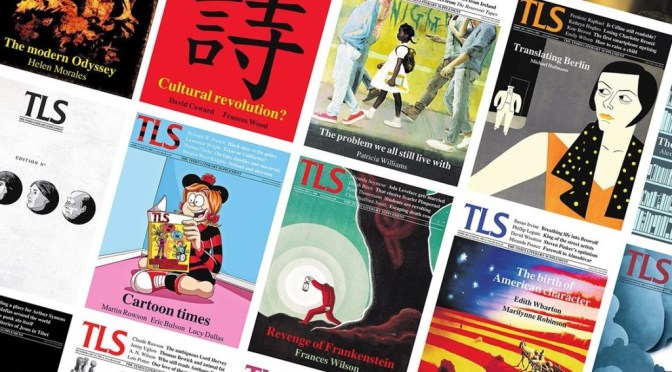
Gambling in the digital age; Russian literature after Bucha; repackaging the Bard; Hollywood, Israel and China; how Derrida was haunted by Freud – and much more.
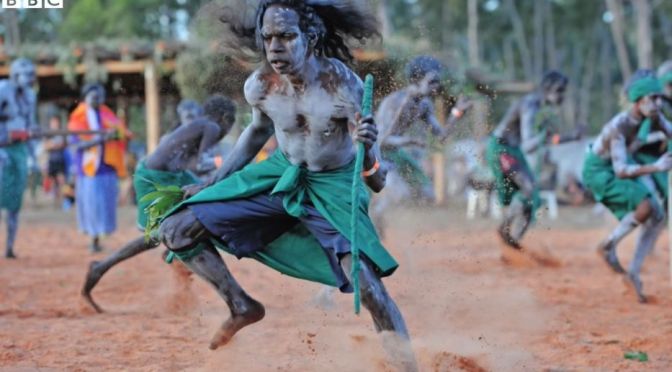
Aboriginal photographer Wayne Quilliam has been travelling across Australia for 30 years, documenting its hundreds of Aboriginal and Torres Strait Islander groups. He shares people’s stories, he says, so others can better understand the diversity of Aboriginal cultures. “I don’t generally reflect on the negatives of what’s happening in our communities because there are so many that do so,” he says. A warning for Aboriginal and Torres Strait Islander viewers: This video contains images of people who may have died.
News, Views and Reviews For The Intellectually Curious