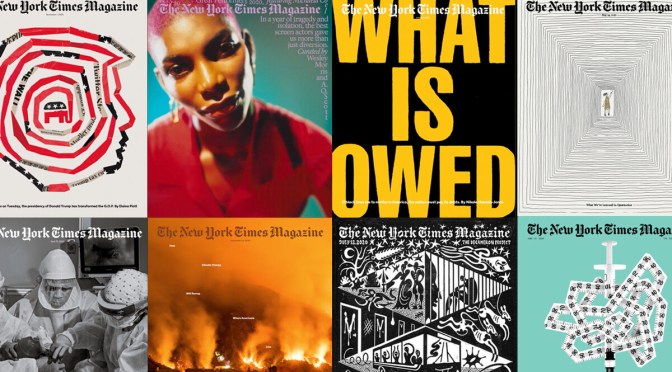
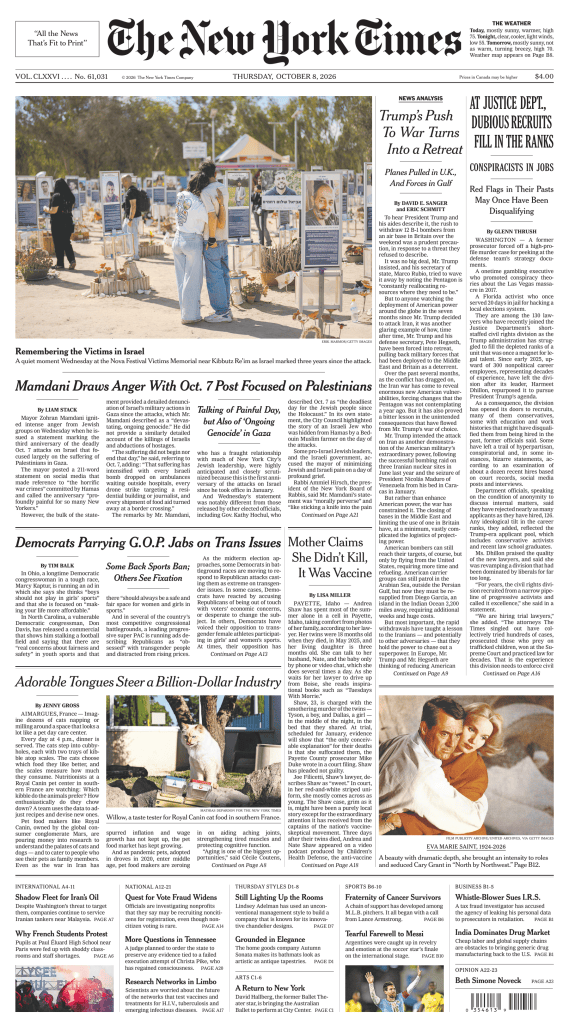
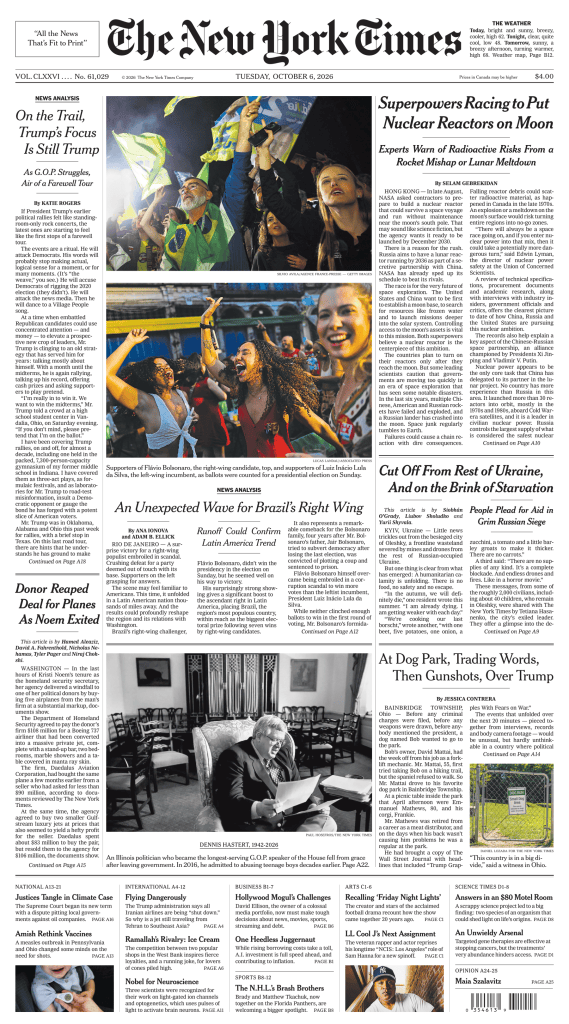
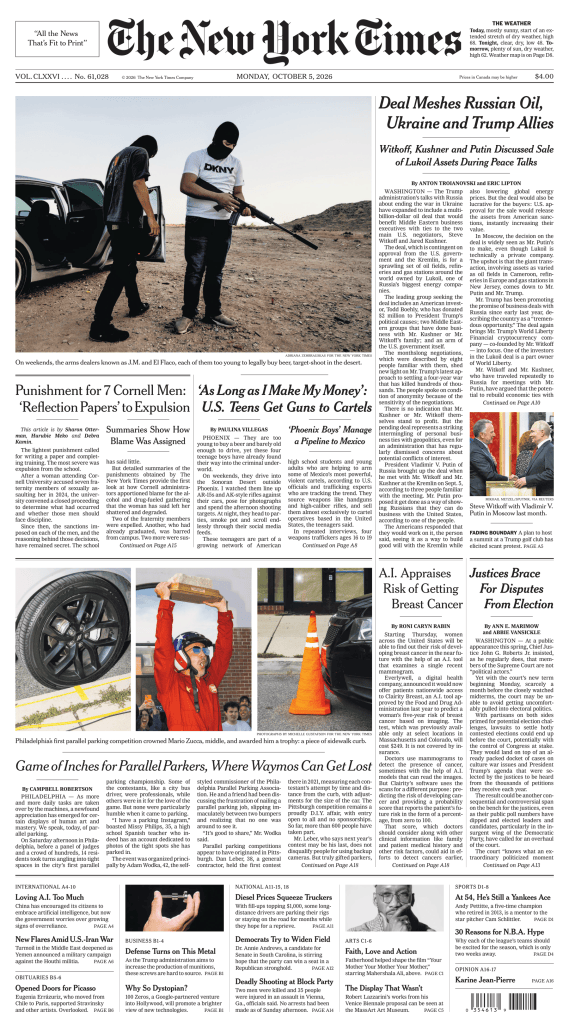
THE NEW YORK TIMES MAGAZINE: The 10.11.26 Issue features Daniel Kolitz on the rise of microdramas; Janet Reitman on a group of Texans accused of being Antifa terrorists; Marcela Valdes on the author Min Jin Lee; and more.
The Cockroach Janta Party said senior members of the youth activist group were detained amid large protests against the expunging of names from India’s voter roll.
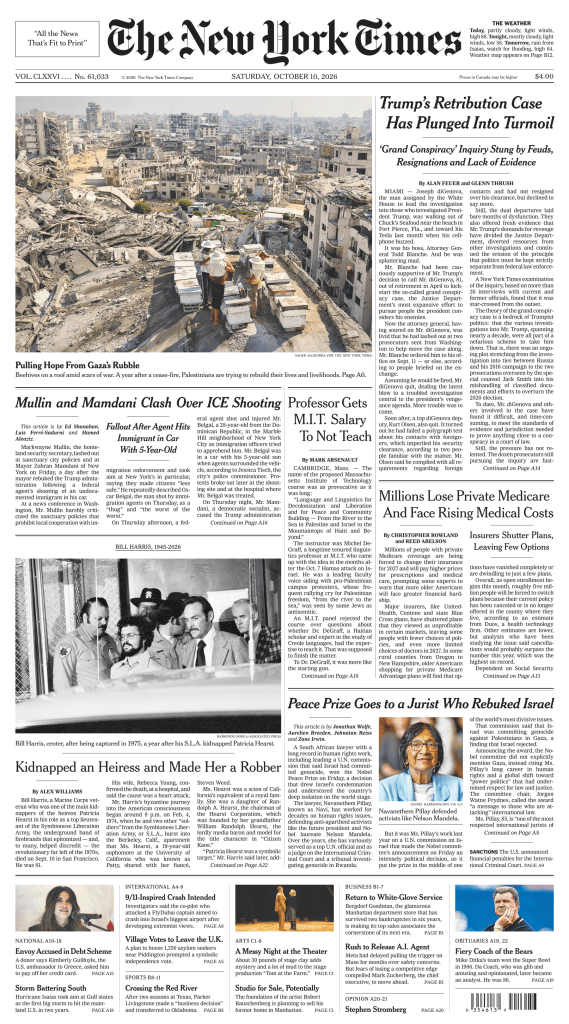
After an agent shot an immigrant in New York, some of Mayor Zohran Mamdani’s allies questioned his attitude toward President Trump and his own police department.
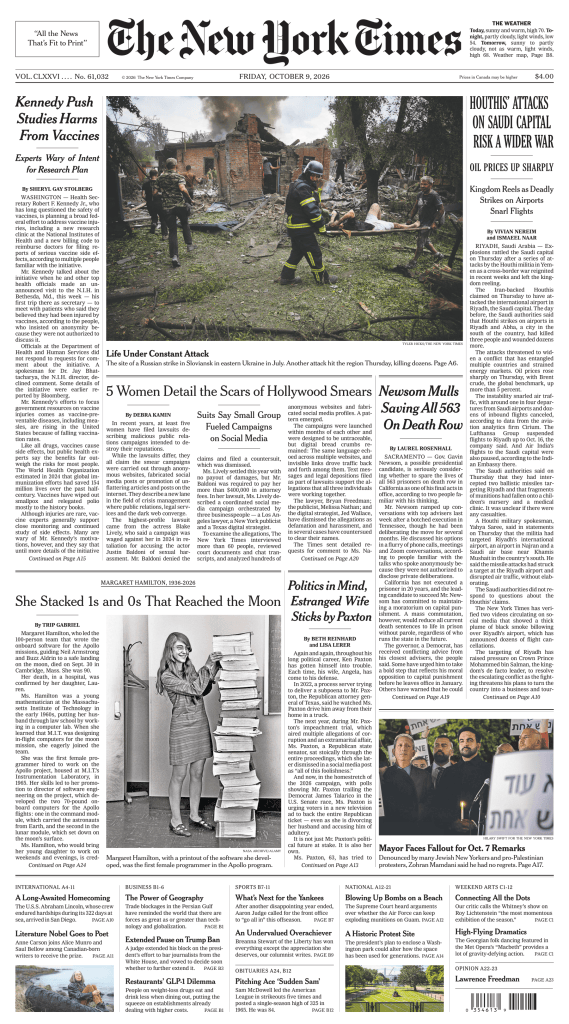
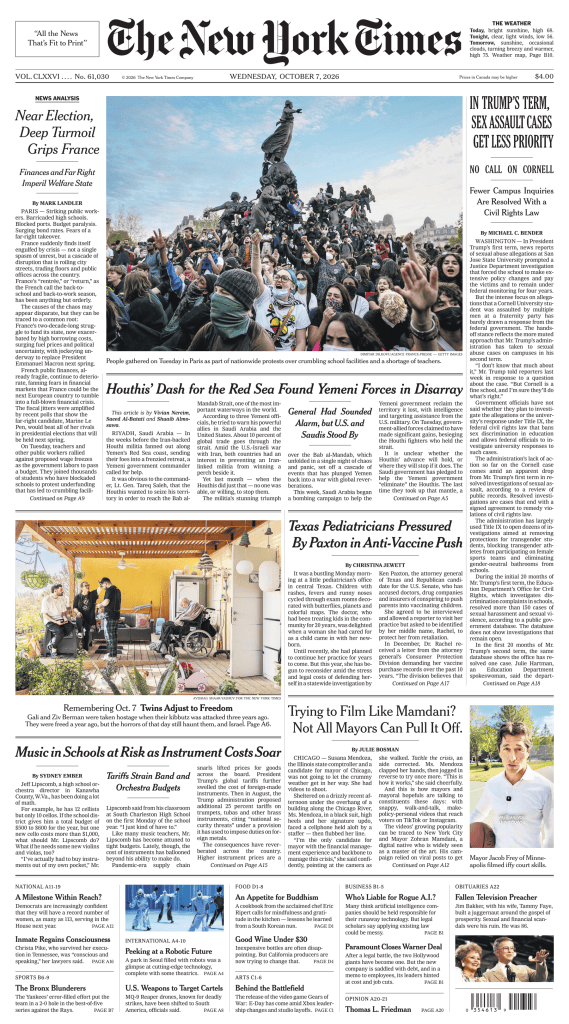
The escalating violence has brought the conflict in Yemen to the doorstep of the Saudi capital, and the kingdom has no easy options to curtail the increasingly sophisticated and targeted strikes.
President Trump’s allies have sought to prove a conspiracy through a Justice Department inquiry, which has faced internal disputes and trouble finding evidence.
The man was in a car with a 5-year-old when he was shot and wounded, the authorities said. Mayor Zohran Mamdani said the Trump administration was “terrorizing our city.”
A top aide to Ambassador Mike Huckabee skewed information to portray the Netanyahu government in a favorable light, according to multiple officials and documents obtained by The Times.
After trading his military uniform for civilian clothes, Myanmar’s strongman president, U Min Aung Hlaing, is in Malaysia, his ninth stop on a search for international legitimacy.
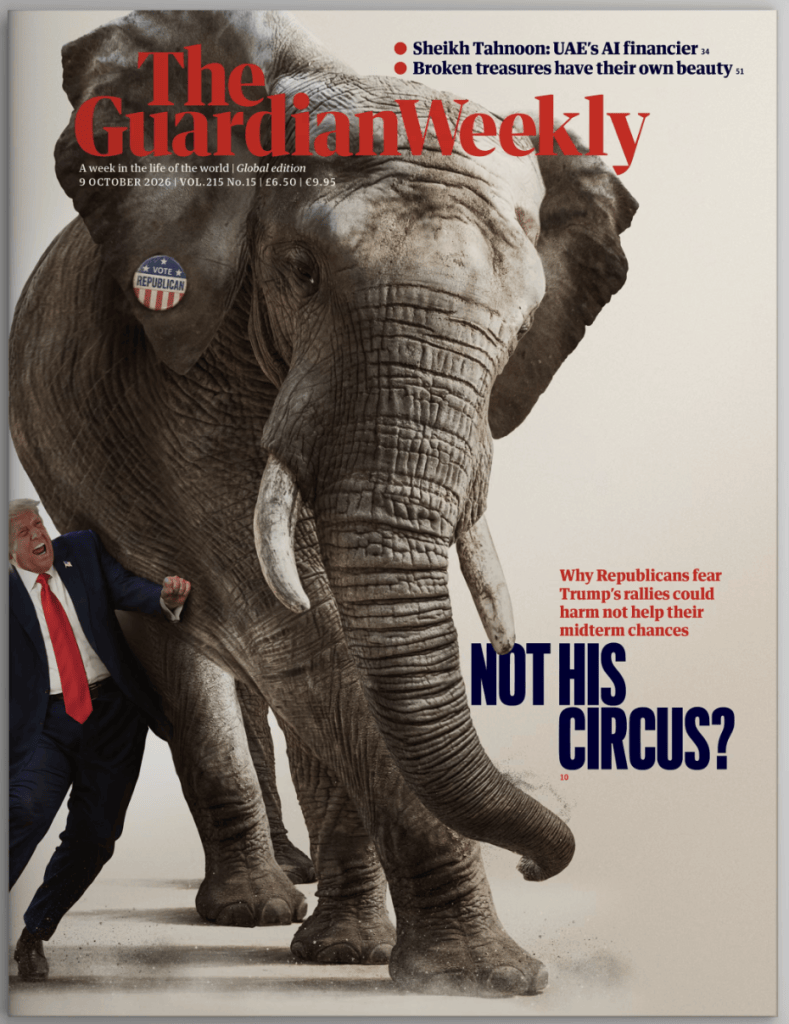
With fewer than 30 days until the US midterm elections, Donald Trump seems determined to still be centre stage despite poll fears that after 3 November he may end up a lame-duck president as a Democratic blue wave sweeps the country. Our Washington bureau chief, David Smith, has been watching how the president is playing to Republican voters at the start of a blitz of cross-country rallies. It’s, at best, a mixed picture.
As David reports, Trump’s self-belief and message to voters to “pretend” his name is on the ballot reveal a man out of touch with ordinary Americans’ worries about the cost of living and whose promises that the war with Iran will soon be over ring ever more hollow. And then there are the candidates, more of whom are shying away from their earlier allegiances to a president whose approval ratings continue to slide.
Spotlight| An education crisis in France As school and university protests intensify, Paris correspondent Angelique Chrisafis finds out why students feel the government is ignoring their complaints about the state of education
Spotlight| Greendivision and diversion Peter Walker reports on the English and Welsh Green party’s annual conference in which a motion equating Zionism with racism was passed, and analyses how this reveals weaknesses in the way the party is run
Feature| The big business of porn Why not analyse the porn industry just like any journalist would the oil business? That was the premise behind Patricia Nilsson’s new book. An approach that, as Amelia Gentleman finds out, yields new insights into how pornography’s imperatives have seeped into all our online lives
Opinion| Putin won’t bomb Ukraine into submission Kyiv may now be under almost constant attack but, says Rajan Menon, history shows that bombing doesn’t crush morale
Culture| There’s beauty in bits and pieces A novel exhibition in Florence puts broken sculptures on display and, as Philip Oltermann discovers, reveals their profound allure
Airfares Have Spiked. Is the Death of Spirit Airlines to Blame?
In the wake of the ultra-low-cost carrier’s closure, and with the cost of fuel and labor rising, domestic fares have become less competitive. But there are ways to parry higher prices.
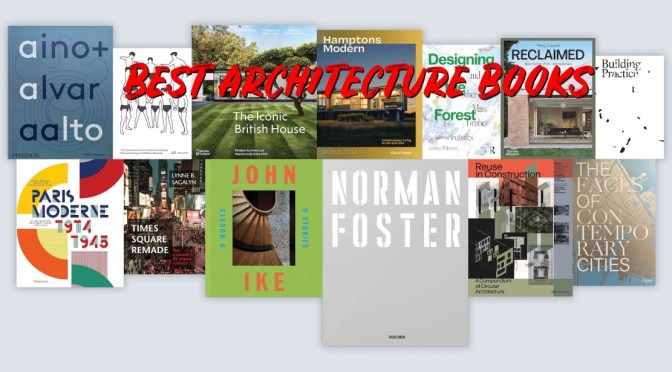
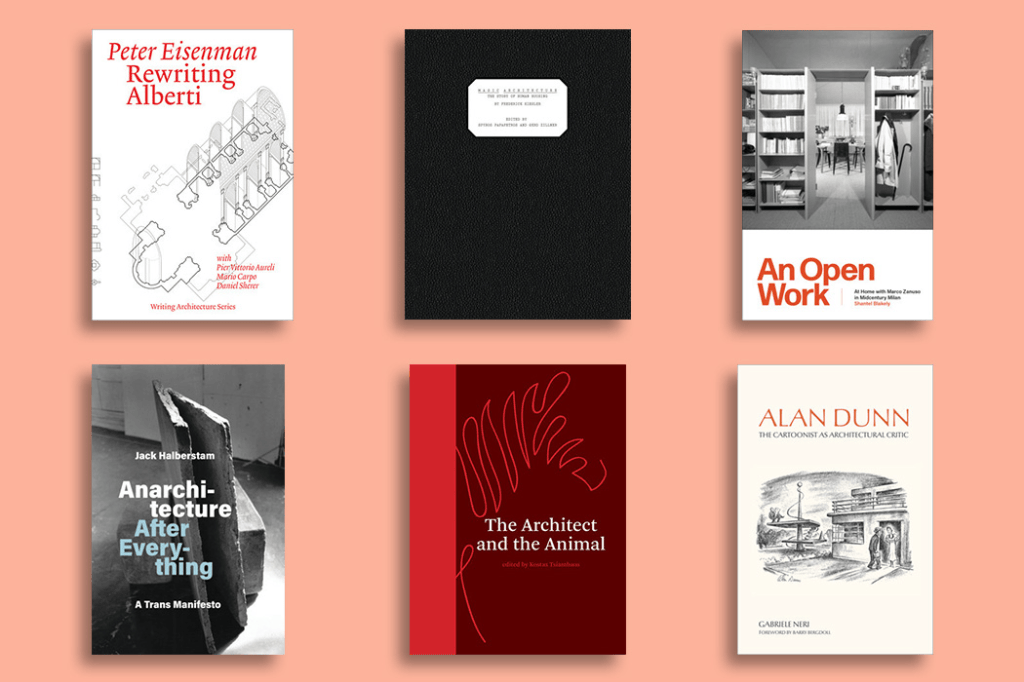
Since our founding in the 1960s, the MIT Press has been considered a premier publisher of architectural scholarship. To celebrate World Architecture Day, this year we are highlighting some of our latest books on architectural theory and practice—including a study of anarchitecture, an investigation of an enigmatic Italian architect-designer, and an abecedarium-style book exploring architect’s intersection with animal life.
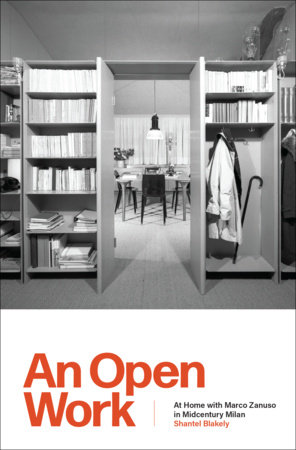
An Open Work investigates the celebrated, enigmatic Italian architect-designer Marco Zanuso (1919–2001). Zanuso’s buildings were widely recognized in Italy, and today his object and furniture designs, which won many awards in their time, can be found in prestigious museums worldwide, yet few scholars have addressed the different scales he worked at as parts of a whole. This beautifully written, lavishly illustrated book opens the door to Zanuso’s acclaimed work, specifically his dual focus on architecture and industrial design, a form of practice that many architects in Milan pursued as the Italian economy rebounded in a surge of industrialization after World War II.
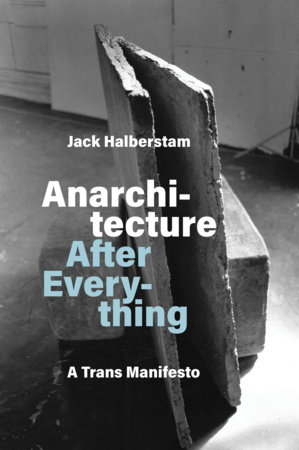
Anarchitecture, a radical aesthetic practice of unmaking the built environment, staged a vigorous confrontation with urban renewal and gentrification projects in the 1970s. In Anarchitecture After Everything, Jack Halberstam identifies a powerful lexicon of transformation within anarchitecture, joining the movement’s practices of cutting and splitting with the destabilizing power of transness to detonate acts of formal violence in our time. By reading anarchitecture through transness and transness through anarchitecture, Halberstam helps us see the trans body as a space of radical unmaking and as a portal to new lexicons for transformation.
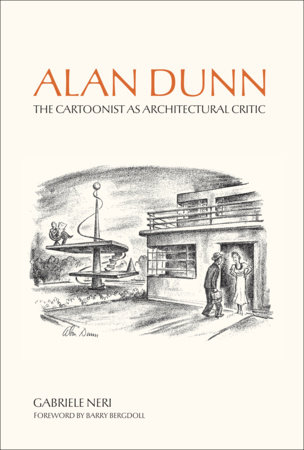
Drawing on his pioneering expertise in the relationship between graphic satire and architecture, Gabriele Neri retraces Alan Dunn’s path from painter to renowned cartoonist, offering an unconventional perspective on architectural and urban transformations—and on their perception within society. Featuring 200 carefully selected images, including Dunn’s correspondence, unpublished cartoons, preliminary sketches, watercolors, and rare photographs, Alan Dunn demonstrates the critical potential of caricature and cartoons for architectural history. Through Neri’s deft analysis, the book also reveals the complex intersections of architecture with media, publishing, commerce, society, art, and politics.
In The Architect and the Animal, 26 different architects look at how 26 different animals, from A to Z, have found their way into modern architectural discourse. The animal was typically approached in this discourse not through its various cultural or symbolic identities but as a body examined under a formalistic scientific lens. In this volume, the authors explore a less operative—and more meaningful—understanding of animal references and representations in twentieth-century architecture. Both playful and serious, there is nothing quite like this book.
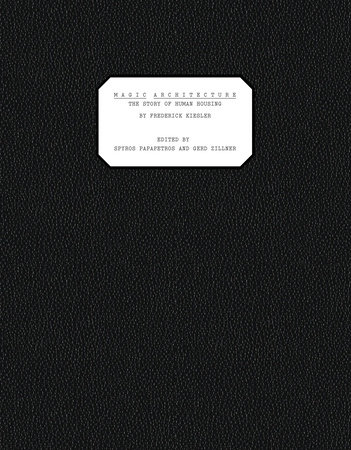
Magic Architecture was the architect Frederick Kiesler’s most ambitious book project, an epoch-spanning history of human housing from prehistory to the atomic era, submitted to editors after World War II but left unpublished. In its holistic view of habitation through the lens of anthropology, ecology, and the life sciences, Magic Architecture is one of the most extraordinary texts on architecture written in the twentieth century, now at last published in the twenty-first. Kiesler’s exploration of the effects of modern technology in combination with the alternative epistemology of “magical” practices associated with cave drawings and the first artifacts of human industry reflects his profoundly interdisciplinary perspective on the development of art, architecture, and design.
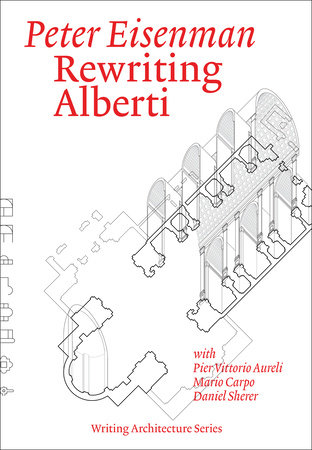
Much has been written about Renaissance architect Leon Battista Alberti’s mantra of part-to-whole as one of the continuing conditions of architecture. While this underlying thesis has often been repeated in the annals of architectural history and theory, architects have rarely questioned the idea. In Rewriting Alberti, architect Peter Eisenman suggests, however, that Alberti provoked a radical discourse beyond the part-to-whole dialogue featured in his Ten Books of Architecture. Eisenman’s in-depth analysis of Alberti’s five built works reveals a disjunction between the architect’s buildings and theoretical writings, suggesting a new relationship of form to meaning based on the fragmentation of homogeneous space.
Chaos in schools, on the streets and in the markets is rooted in France’s struggles to fund its social welfare state, with a presidential election approaching.
The authorities said that the virus had been diagnosed in a man arriving from the Democratic Republic of Congo and that they were taking measures to prevent any spread.
Prime Minister Pedro Sánchez of Spain has faced rising challenges to his authority amid a migration crisis and several corruption scandals involving his inner circle.