“In every stock-jobbing swindle everyone knows that some time or other the crash must come, but everyone hopes that it may fall on the head of his neighbor, after he himself has caught the shower of gold and placed it in safety.”
— Karl Marx, Capital: A Critique of Political Economy (1867)
“Along with a lot of worthless nonsense, the bubbles of the 1920s gave us some durable housing, highways, and a radio broadcasting infrastructure.”
We Have Always Lived in the Casino
John Maynard Keynes warned that when real investment becomes the by-product of speculation, the result is often disaster. But it’s hard to tell where one ends and the other begins.
Money for Nothing
Why the modern financial sector is better at extracting rents than funding the future.
The House Always Wins
The gaming industry is turning every smartphone into a casino — and it’s destroying more lives than ever.
THE NEW YORK TIMES MAGAZINE: The 6.15.25 Issue features Henry Louis Gates Jr. on the ancestry of Pope Leo XIV; Nicholas Casey on how the MAGA right became obsessed with the Romanian presidential election; Irina Aleksander on how Jon Bernthal became Hollywood’s most dependable tough guy; David Marchese interviews Misty Copeland about her retirement; and more.
Treasury-bill ETFs are rapidly gaining in popularity and challenging money-market funds and bank deposits as a place for retail investors to park cash.
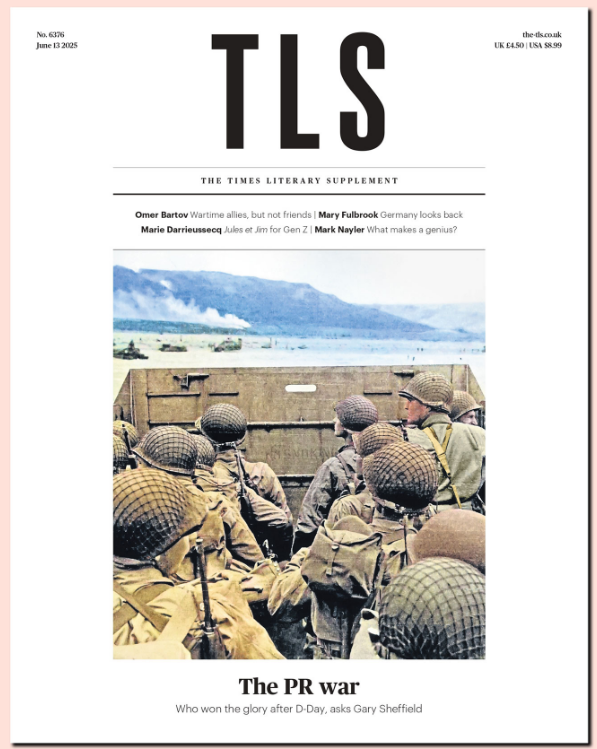
TIMES LITERARY SUPPLEMENT: The latest issue features ‘Who won the war?’ We did, say the Americans, the British and the Russians. Each nation has a long history of claiming a unique role in defeating the Axis powers and diminishing the contribution of its allies. By Martin Ivens
SCIENCE MAGAZINE: The latest issue features the last male northern white rhino socializes with a southern white rhino. Since his death in 2018, the northern subspecies is functionally extinct after decades of illegal killing for their horns. A study from the Greater Kruger region of South Africa offers some hope for remaining rhino species, proving that dehorning operations can achieve poaching reductions under certain circumstances and in conjunction with other interventions.
It’s three years since the murders of the journalist Dom Phillips and the Indigenous activist Bruno Pereira, who were both killed on a visit to the remote Javari valley in the Brazilian Amazon.
Dom was a Guardian contributor based in Brazil, whose reporting often appeared in the Guardian Weekly. Last week his widow, Alessandra Sampaio, came to visit our London offices along with Beto Marubo, an Indigenous leader from the Brazilian Amazon.
From the other side of the world it’s easy to feel far removed from the activities of criminal gangs that threaten the Amazon’s Indigenous people and plunder its natural resources. But hearing Beto and Alessandra speak so powerfully about the impact of Dom and Bruno’s work reminded me why we need to stay focused on a region that defies easy scrutiny.



















 Intellicurious