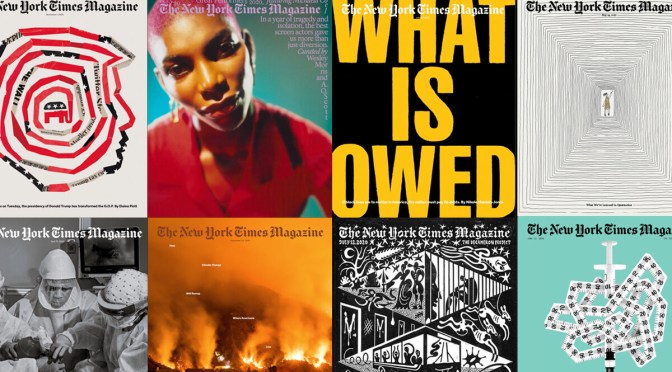
THE NEW YORK TIMES MAGAZINE: The latest issue features Amanda Hess on experiments in extending the life of dogs; Susan Dominus on the quest to master cellular rejuvenation; Devin Gordon on how athletes are extending their careers; Mark O’Connell on the rich and powerful craving eternal life; and more.
Trump has taken an active role in the arts in his second term, which may be evident in the work on display at the Venice Biennale — depending on how you look at it. By M.H. Miller
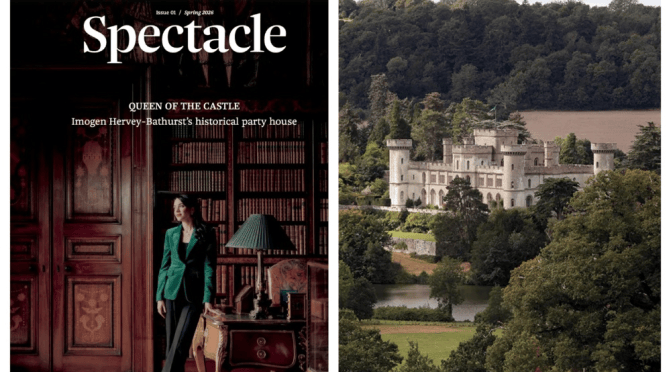
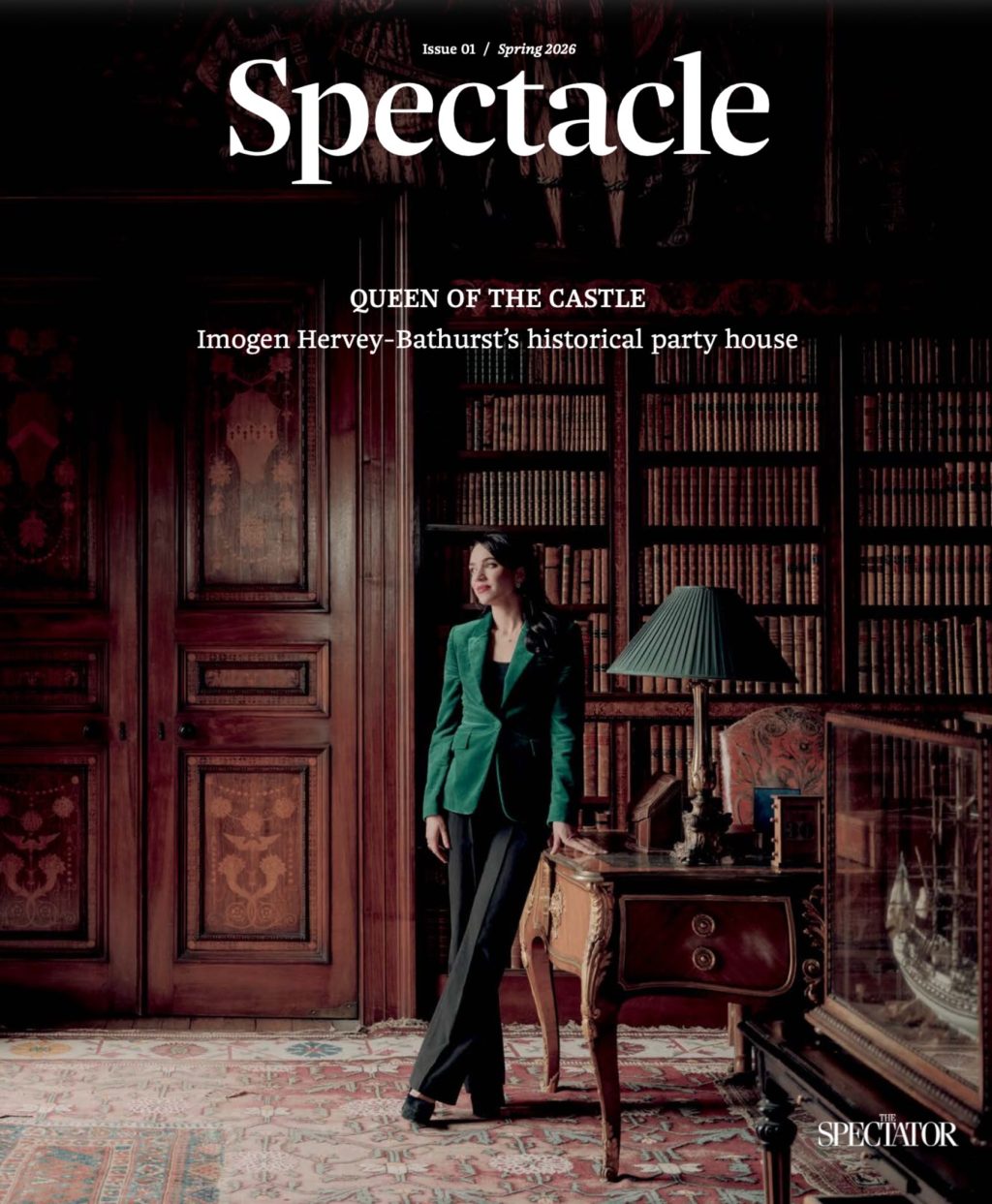
The casa grande could be an ancient chalet in the Austrian Tyrol. A steeply gabled roof to slough off the winter snow, dandelion-yellow paintwork, and inside a treasure trove of all an outdoorsman loves. Antlers jostle for space on every wall. There is a tack room thick with the leathery tang of saddles, a bathroom
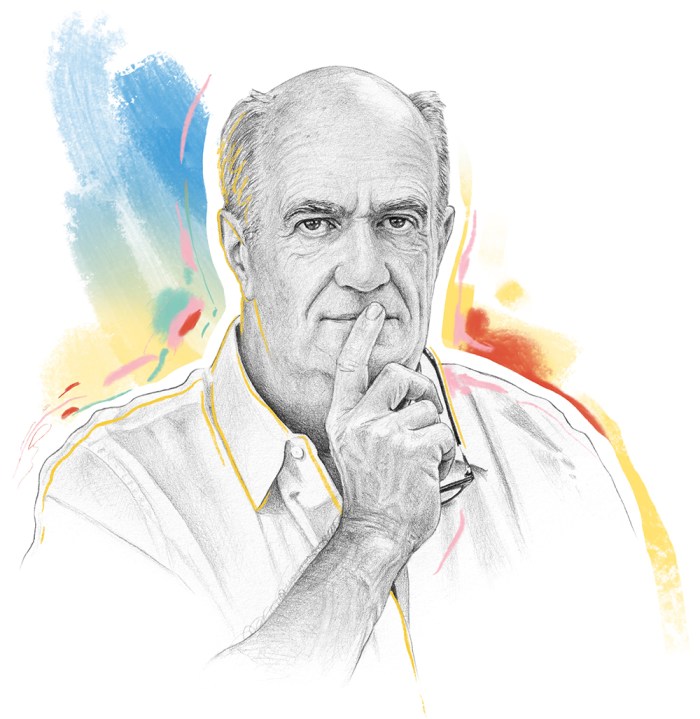
Colm Tóibín explores the art of short story writing
hen I was 20 and tentatively trying to write, every single person I knew read Ian McEwan’s First Love, Last Rites (1975). It not only gave the short story a good name, but it also gave writing a good name. It was like a punk moment converted into fiction. People used the word “macabre,” but there was a sort of excitement about the characters, the strangeness of the stories, the shortness of some of the stories and just how much contemporary urban life was in them.
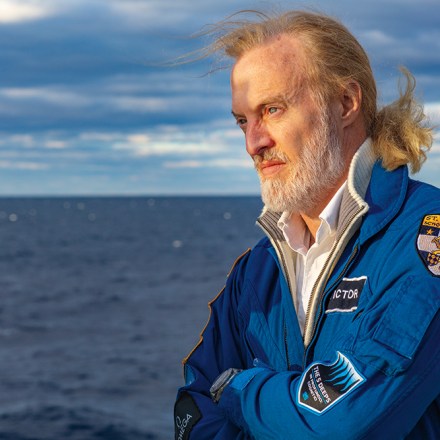
It’s a popular phrase on X, usually in response to someone accomplishing something remarkable, taken to mean that there’s nothing stopping you from doing something out of the ordinary. SpaceX might post video of a rocket landing – “you can just do things.” Victor Vescovo might be the living embodiment of the phrase.
My first introduction to Vescovo was an email from him, extending an invitation to be a guest at his table for the Explorers Club Annual Dinner. The name was vaguely familiar to me but didn’t immediately register. Who was this mysterious correspondent?
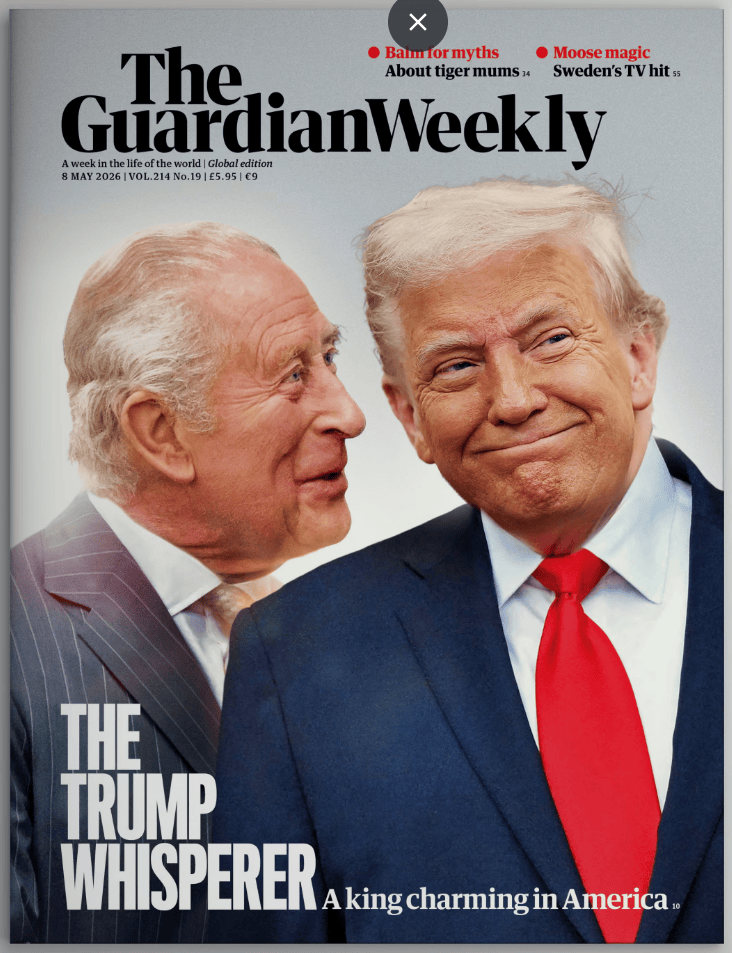
It’s fair to say that the Guardian Weekly does not cover many royal visits, but King Charles III’s US state visit was the most consequential of his reign so far. The king’s ostensible purpose was to celebrate America’s 250 years of independence but last week’s trip was freighted with other agendas, most important of which was to flatter his host, Donald Trump. Washington bureau chief David Smith’s cover story shows how “like a rapier wrapped in ermine, Charles managed to tame Trump while rebuking Trumpism”. Both David and our veteran foreign affairs commentator Simon Tisdall unpick the skill with which Charles spoke truth to this capricious and egotistical president and gave both sides of the heavily divided Congress much to praise. It was a performance of high diplomacy at a time of huge tension in the transatlantic relationship and beyond.
But the charm didn’t wash in New York where, as Adam Gabbatt’s sketch shows, the shadow of Jeffrey Epstein and Andrew Mountbatten-Windsor, Charles’s disgraced brother, lurked while the mayor, Zohran Mamdani, brought up the spectre of colonialism in the shape of the Koh-i-noor diamond, snatched under disputed circumstances.
Spotlight | A small town in Germany Landstuhl, the heart of the largest American military community outside the US, considers its future after Donald Trump’s decision to withdraw 5,000 troops, reports Deborah Cole
Environment | A gift of wings Patrick Barkham takes off for a flight of wonder with The Lost Words duo, who have reunited for a new book on endangered birds
Feature | A balm for tiger mother myths Rebecca Liu explores why a certain image of the tiger mum – strict, cold and demanding – is ubiquitous in popular culture
Opinion | Antiracists need to stand up for us all Another attack on the UK’s Jewish population demands a clear show of solidarity from those who march to protect minorities, argues Jonathan Freedland
Culture | Moose magic on the loose How do cameras capture Sweden’s seasonal TV hit, the Great Moose Migration? Malcolm Jack travels to an uninhabited island in the Ångerman river to ask the show’s makers
Donald Trump’s aversion to admitting fault suggests that we will not likely see events that grapple with the nuanced nature of the nation’s history this July 4th. By Jelani Cobb
Was the Declaration of Independence Better Before the Edits?
Amid contention, criticism, and compromise, a divided nation had to present a unified front. It came at a cost. By Jill Lepore
Barack Obama Considers His Role in the Age of Trump
The former President remains one of the most popular politicians in the country. What are his obligations to it?
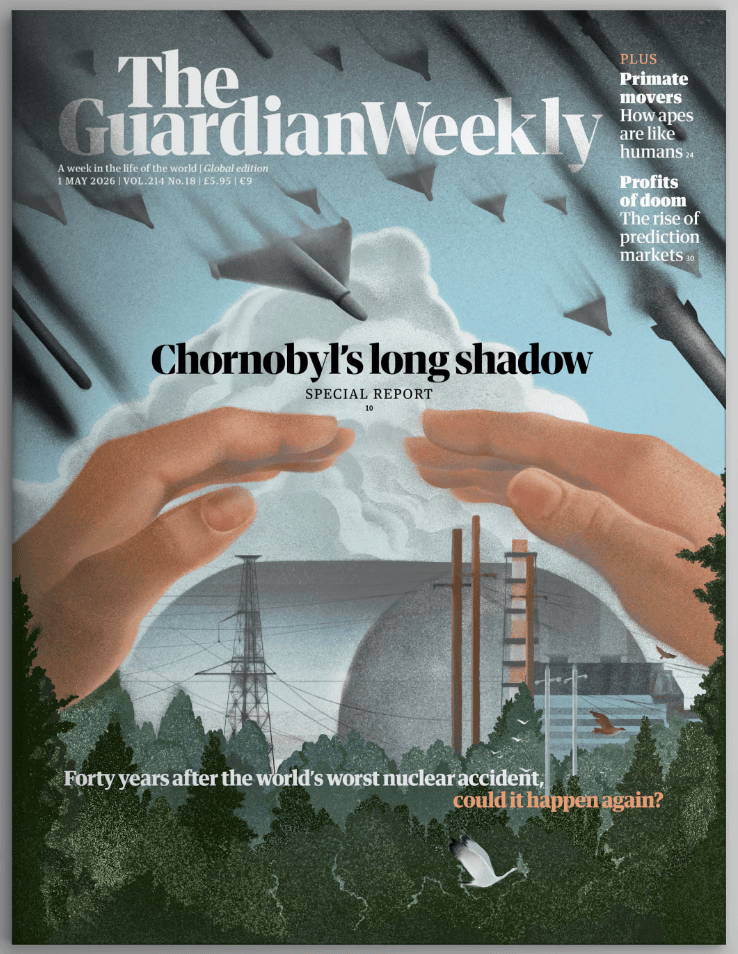
In March 2022, soon after the full-scale Russian invasion of Ukraine began, Kyiv-based illustrator Masha Foya produced what I think is one of the Guardian Weekly’s most powerful covers on the war, concerning the devastation of Mariupol. So it’s a pleasure to feature Masha’s work again for the current edition, this time marking 40 years since the Chornobyl nuclear disaster.
“Since childhood, the story of Chornobyl has always made me feel a strange dissonance – such a tragedy occurring on a beautiful spring day in April,” explains Masha on the thought process behind her design, in which seasonal greens fade away into ominous skies.
It also reflects present-day anxieties. For a special report, Pjotr Sauer visits the site of the world’s worst nuclear accident and sees up close how the giant containment structure around the failed reactor is in urgent need of costly repairs after a Russian drone strike, as fears grow of a possible new catastrophe.
Five essential reads in this week’s edition
Environment | Why apes are more like us than we ever thought Imagination, reason and ability to recognise faces from the past are not the sole preserve of humans, studies show. Gloria Dickie reports
Finance | The wagering of war Once largely siloed to sporting events, betting has now spread to include contracts on news events where insider information could pay handsomely. With over $1bn in perfectly timed bets on the Iran war having recently been seen, Lauren Aratani explores what exactly is going on
Feature | The big game hunters who believe they can save Africa’s wildlife One way to pay for wildlife conservation is to allow the rich to bag a few animals for high prices. But critics see this approach as an exercise in neocolonialism. Cal Flynwent in pursuit of answers
Opinion | Starmer’s listless government shows zombie politics is the new norm Distracted, listless and unambitious – the British PM’s true form has finally emerged. But whatever comes next must end this ruinous cycle for the country, argues Nesrine Malik
Culture | Iron Maiden on 50 years of heavy metal madness As a career-spanning documentary hits cinemas, the legendary rock band revisit their path from pubs to stadiums over half a century of headbanging hits. Harry Sword buckles up
The exact reasons are often left vague and the successors to be determined, but people are leaving the Administration—including three Cabinet secretaries. By Benjamin Wallace-Wells
Can the E.P.A. Survive Lee Zeldin?
The agency, which was founded to protect the environment and human health, has cancelled safety regulations, supported coal, and stopped caring about climate change. By Elizabeth Kolbert
Donald Trump’s Economic Warfare Abroad Comes Home
From tariffs to the war with Iran, the President is blowing up the global economy.
The actor and comedian is keenly aware of humanity’s limitations, but he’s not giving up. By David Marchese
‘I Don’t Know If We Can Come Back From This’: The View From Inside Trump’s D.H.S.
Dozens of agents and officials share their stories about working in the Department of Homeland Security during the harsh crackdown on illegal immigration.
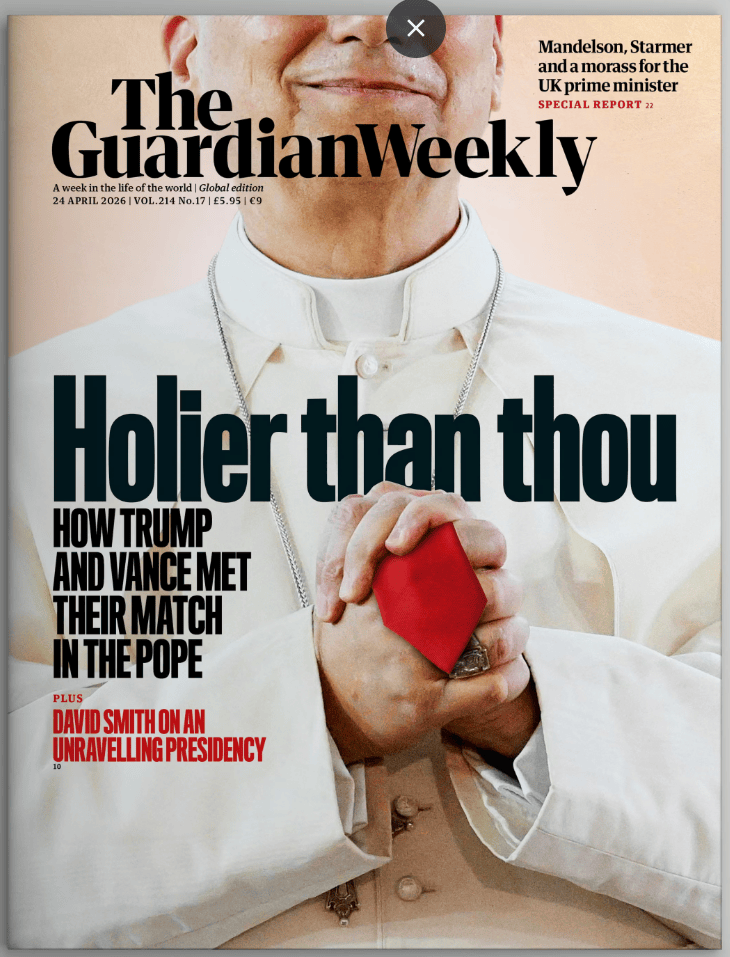
The Trump administration’s efforts to validate their incoherent war on Iran with some sort of Christian moral authority have led to a few, shall we say, interesting moments recently.
After bizarrely berating Pope Leo XIV as “WEAK on Crime, and terrible for Foreign Policy”, Donald Trump posted (and later deleted) a meme of himself as a Christ-like figure healing the sick. The self-styled “secretary of war” Pete Hegseth then confused what he evidently thought was a biblical passage with a bastardised version of a speech from the Quentin Tarantino movie Pulp Fiction.
Perhaps most damagingly of all, the vice-president, JD Vance, took Leo’s carefully considered thoughts on the concept of the “just war” as an opportunity to lecture the pope on theology.
Spotlight | Starmer and the scandal of Mandelson’s vetting The British prime minister came under huge pressure to resign this week over what he knew about Peter Mandelson’s appointment as UK ambassador to the US, even though he had failed Foreign Office security vetting. Pippa Crerar, Jessica Elgot, Paul Lewis and Kiran Stacey spearhead our coverage
Science | The magic of mushrooms Fungi play a key role in ecosystems and storing carbon, so African scientists are championing the preservation of “funga” as much as flora and fauna, writes Whitney Bauck
Feature | When older relatives lurch to the far right It starts with a “back in my day” nostalgic meme – then suddenly your elders are sharing AI-generated “boomerslop” and repeating conspiracy theories … Simon Usborne speaks to families dealing with rightwing political rifts
Opinion | Our governments are woefully underprepared for the AI revolution Every wave of new tech has come with a doomsday scenario. But governments just aren’t planning a human response on the scale required, warns Larry Elliott
Culture | How the female gaze caught the attention of film, TV and fiction From passionate romantasy novels to premium television dramas, culture is bringing the agency, desires and interior lives of women to the fore. It’s proving good for business, but is this a permanent revolution, asks Deborah Linton
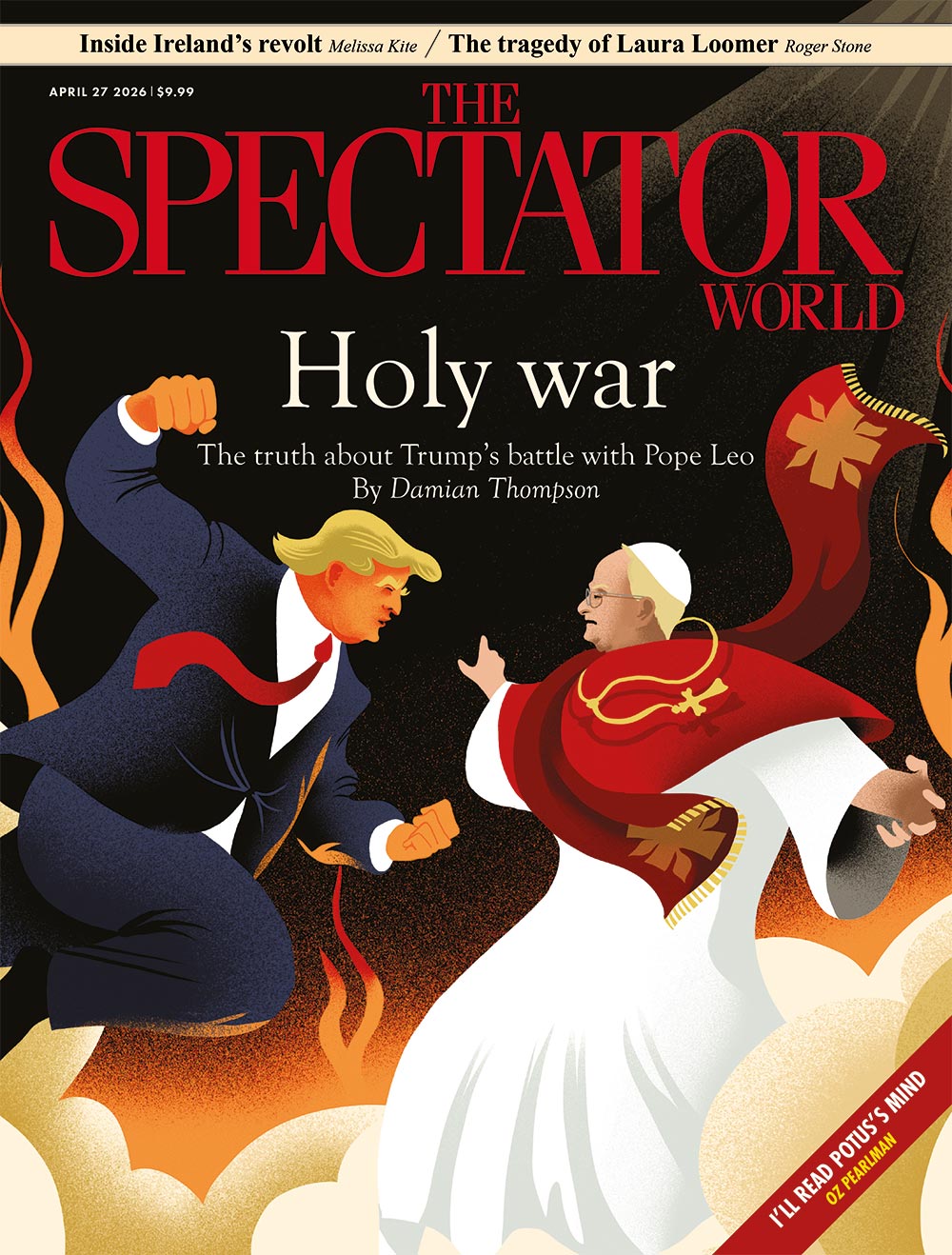
Donald Trump’s latest clash with the Catholic Church stunned even the most hardened veterans of culture-war X. According to the President of the United States, the Chicago-born Pope Leo XIV, the conspicuously holy spiritual leader of 1.3 billion people, is “WEAK on crime and terrible on foreign policy.” He also claimed that, “If I wasn’t in the White House, Leo wouldn’t be in the Vatican.”
Geostrategists used to fret over the “Eastern Question” or the Maginot Line or the Missile Gap. Today there is no doubt that the overriding geostrategic question of our day is whether the President of the United States is playing with a full deck. With the US-Israeli war on Iran failing, and depleting much of both
How Trump loses friends and alienates people
Melania’s mysterious messaging
News, Views and Reviews For The Intellectually Curious






 Intellicurious