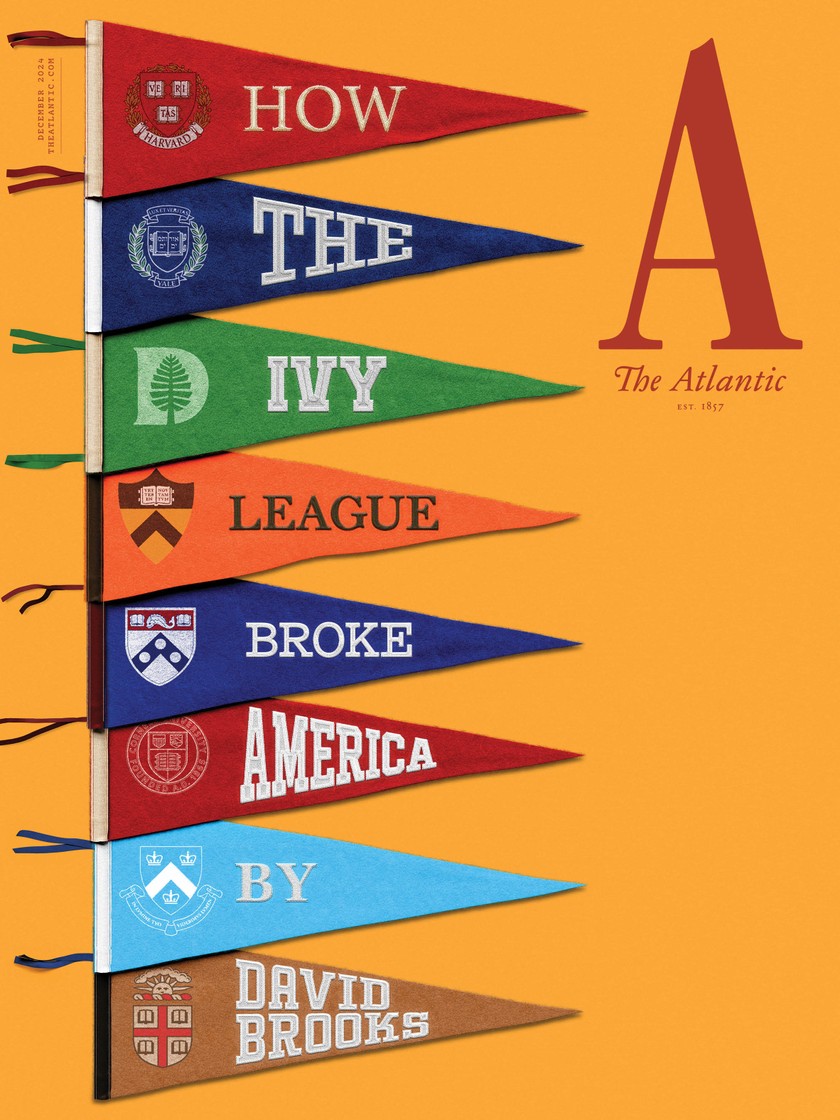
The Atlantic Magazine – November 20, 2024: The latest issue features ‘How the Ivy League Broke America’ – The meritocracy isn’t working. We need something new.
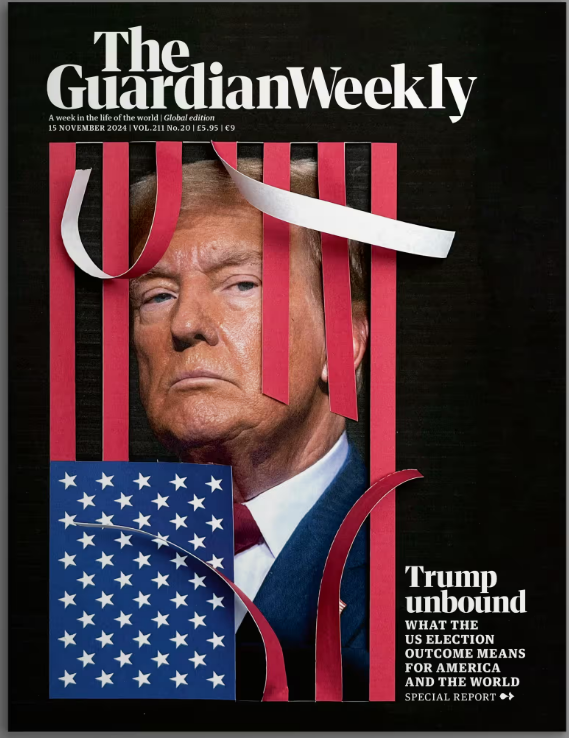
In a special edition of the Guardian Weekly, our Washington bureau chief David Smith and diplomatic editor Patrick Wintour reflect on how Trump 2.0 is likely to play out for the US and for the rest of the world.
We look at the role played by the president-elect’s key supporter, Elon Musk, and ask what the world’s richest man can now expect back in return. We also trace the rise of the vice-president elect JD Vance, who is now just a heartbeat away from the presidency.
And senior US political reporter Joan E Greve considers the Democrats – bereft, broken and facing an internal civil war after a campaign that ended in disaster.
1 Spotlight | Odour of oil and return of Trump hang heavy over Cop29 As the annual UN climate summit got under way in Azerbaijan this week, Fiona Harvey sizes up the hopes for progressThe video player is currently playing an ad. You can skip the ad in 5 sec with a mouse or keyboard
2 Science | Unravelling the paradoxes of plankton Scientists are sequencing the DNA of microscopic marine life – to help us learn more about ourselves, reports Brianna Randall
3 Feature | When adult children cut the cord Grownups who cut of f contact with their family are often trying to break away after a traumatic childhood. But sometimes the estrangement can be totally unexpected for parents. ByGaby Hinsliff
4 Opinion | Trump unleashed will be even worse than last time’s dress reherarsal From a public health crisis to the end of Nato, the threats are clear, writes Jonathan Freedland
5 Culture | Sportswriters and arts critics swap jobs How does the English National Opera compare to the Premier League … or the NFL to a West End musical? Our sports and culture experts found out
In her first extended interview after the election, the former House speaker was not interested in analyzing Democratic losses and was eager to put a sunny spin on the future. By Lulu Garcia-Navarro
He fled brutal repression — only to discover, as so many Uyghur refugees have, that China’s power stretches far beyond its borders.By Nyrola Elimä and Ben Mauk
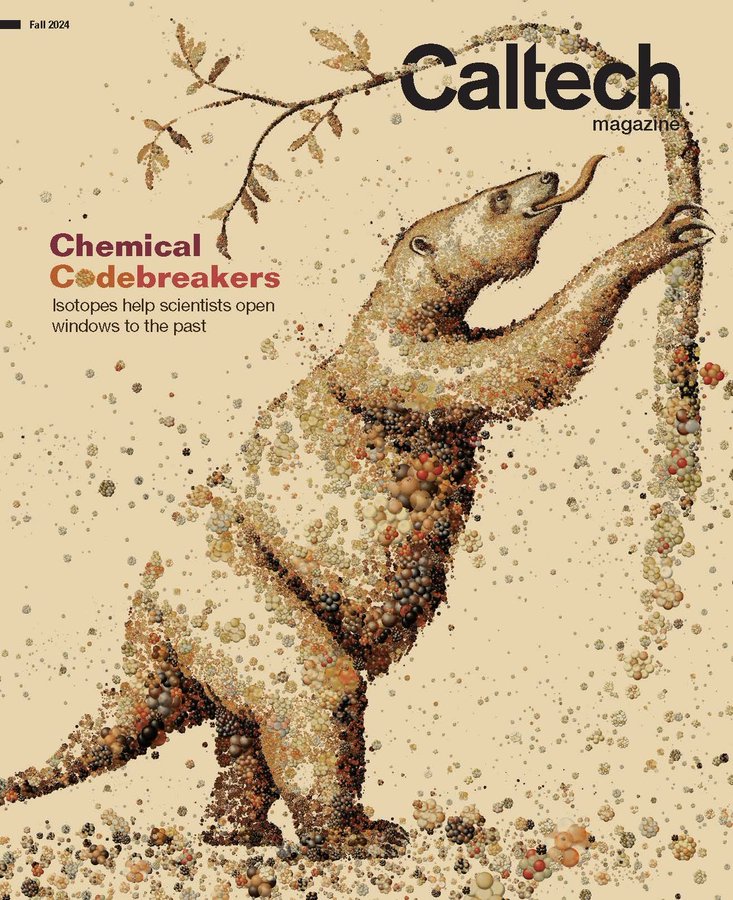
Journeys to the Past: Isotope geochemistry is helping scientists reveal secrets about the molecular histories of Earth, the cosmos, the human body, and more.
An Intriguing Red Planet Rock: The Mars Perseverance rover has found a “compelling” rock that could indicate the planet hosted microbial life billions of years ago.
The 2024 Distinguished Alumni: Meet this year’s awardees: David Brin (BS ’73), Louise Chow (PhD ’73), Bill Coughran (BS, MS ’75), and Timothy M. Swager (PhD ’88).
The Evolution of Trolling: A new theoretical framework explains why social media discourse can be so toxic.
Inside Look: Joe Parker: Step into the office of this evolutionary biologist, whose research nest is filled with real—and illustrated— insects.
Ripples from the Heart: Mory Gharib (PhD ’83) has leveraged his aerospace expertise to tease out some of the heart’s greatest secrets and use them to develop life-saving medical devices.
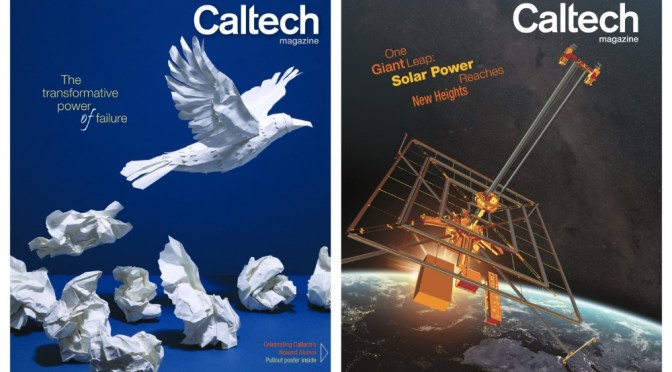
The Lab in the Sky Says Goodbye: A NASA DC-8 airplane that carried Caltech students around the globe for science has been retired.
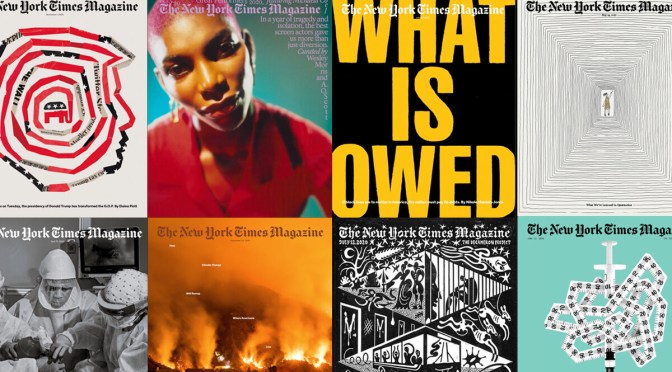
THE NEW YORK TIMES MAGAZINE (November 2, 2024): The 11.3.24 Issue In this issue, Jim Rutenberg on the potential for an election certification crisis in the weeks ahead; Amanda Taub on the game theory of democracy; Ariel Lown Lewiton on her grandparents’ protest pin collection; and more.Read this issue
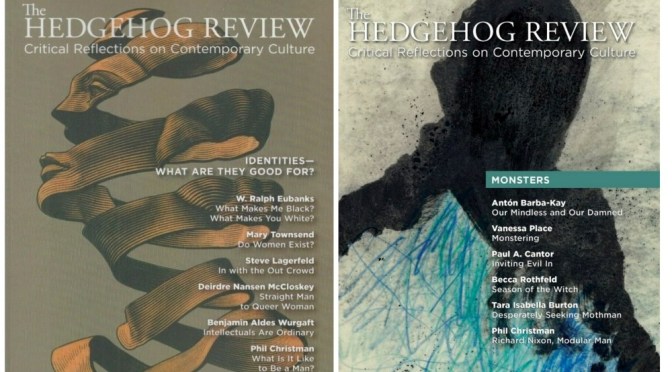
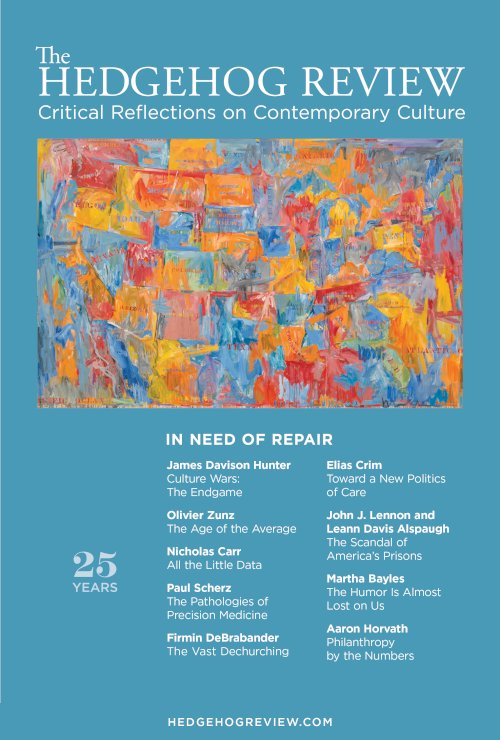
THE HEDGEHOG REVIEW (FALL 2024): This issue’s theme is “In Need of Repair,” and it includes contributions from James Davison Hunter, Nicholas Carr, Martha Bayles, Olivier Zunz, Elias Crim, Aaron Horvath, Paul Scherz, Firmin DeBrabander, and John J. Lennon, as well as other reviews and essays from such contributors as Eugene McCarraher, Alan Jacobs, Paul Nedelisky, Rita Koganzon, Matthew Milliner, and Richard Hughes Gibson.
In Need of Repair
At the bottom of each of our system dysfunctions is a distinctive cultural disorder emerging from the many pressures of our rapidly modernizing world.
Spotlight | Israel and Iran’s war comes out of the shadows The Observer’s Simon Tisdall considers the consequences for the region of Israel’s weekend missile strikes on Iran
2
Environment | The Colombian warlord who reneged on deforestation As the Cop16 nature summit in Colombia comes to a close, Luke Taylor tells a story that highlights the country’s complex relationship between environmental aspiration and political will
3
Feature | The brain collector Using cutting-edge methods, Alexandra Morton-Hayward is unravelling the extraordinary mysteries of grey matter – even as hers betrays her. By Kermit Pattison
4
Opinion | It’s time to tell it how it is: Trump has fascist instincts Those who know him best use the F-word to describe the former president. Every warning light is flashing red, argues Jonathan Freedland
5
Culture | The intersection of art and war in Ukraine Poets, artists, playwrights and musicians are fighting and dying in Ukraine, and their work is capturing the horror and emotion of the conflict, finds Charlotte Higgins
THE NEW YORK TIMES MAGAZINE (October 27, 2024): The latest issue features David Gaubey Herbert on building a cheerleading empire; Elisabeth Zerofsky on the historian Robert Paxton; Jonathan Mahler on the tech billionaires who became major G.O.P. donors; and more.
For decades, the sport has been shaped in large part by one company — and one man.
Nikki Jennings started cheering when she was 4 years old. She was small and flexible and became a flyer, a human baton spinning and twisting through the air before being caught by teammates. Until sometimes she wasn’t: She got her first concussion in the third grade.
Is It Fascism? A Leading Historian Changes His Mind.
Robert Paxton thought the label was overused. But now he’s alarmed by what he sees in global politics — including Trumpism.
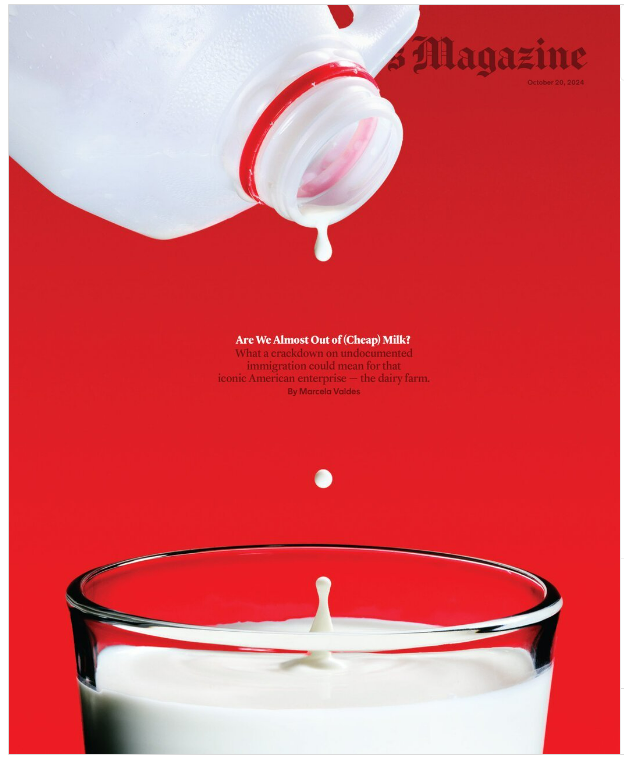
THE NEW YORK TIMES MAGAZINE (October 19, 2024): The latest issue features Undocumented labor quietly props up much of the American economy — nowhere more than on dairy farms. What would a crackdown mean for milk?












 Intellicurious