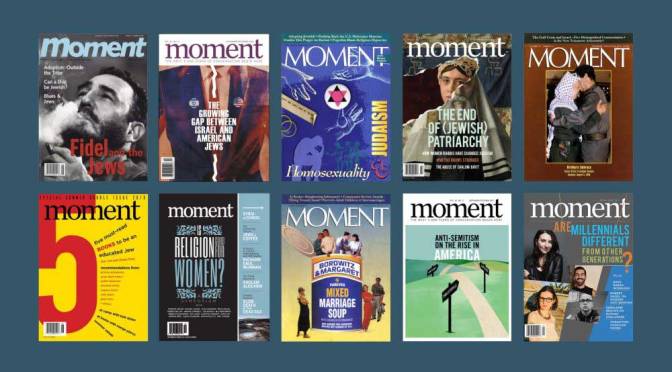
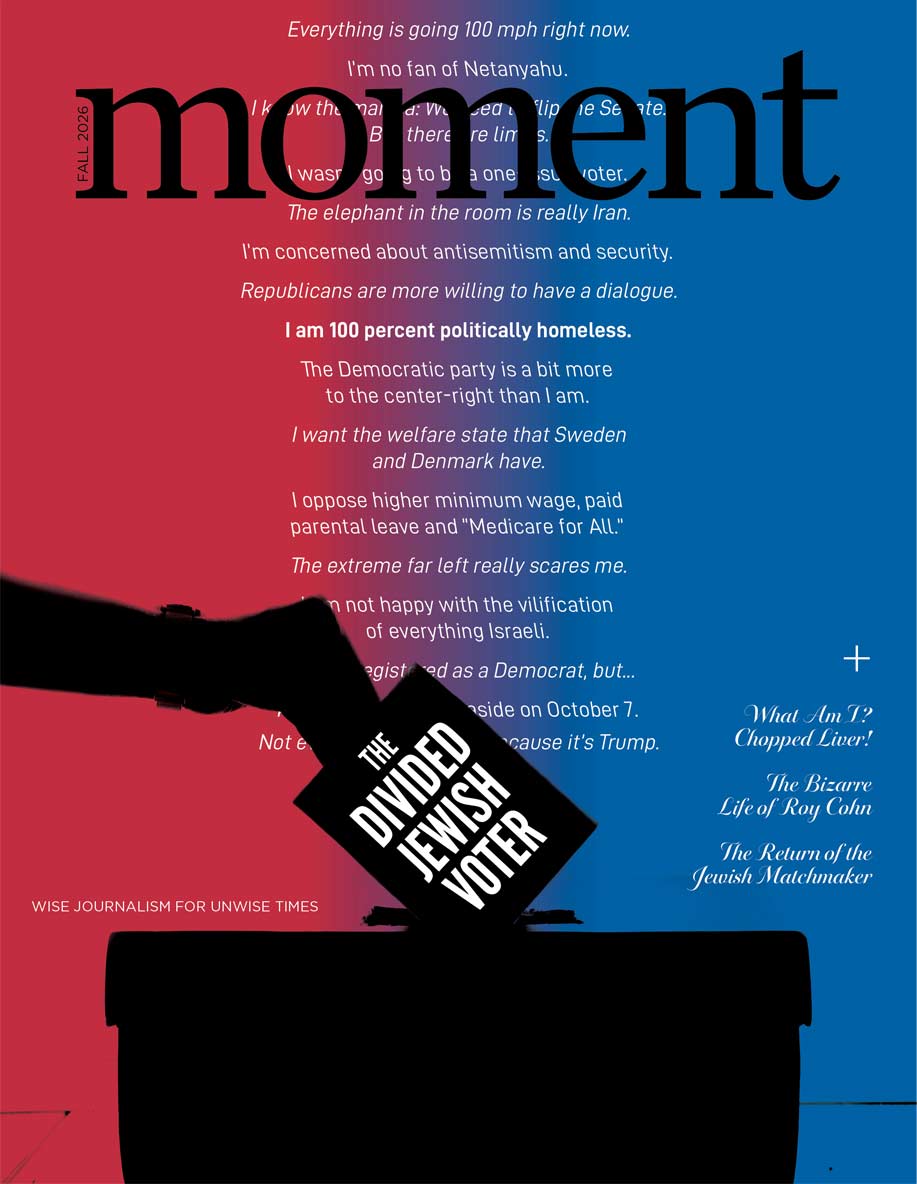
MOMENT MAGAZINE – FALL 2026 ISSUE PREVIEW

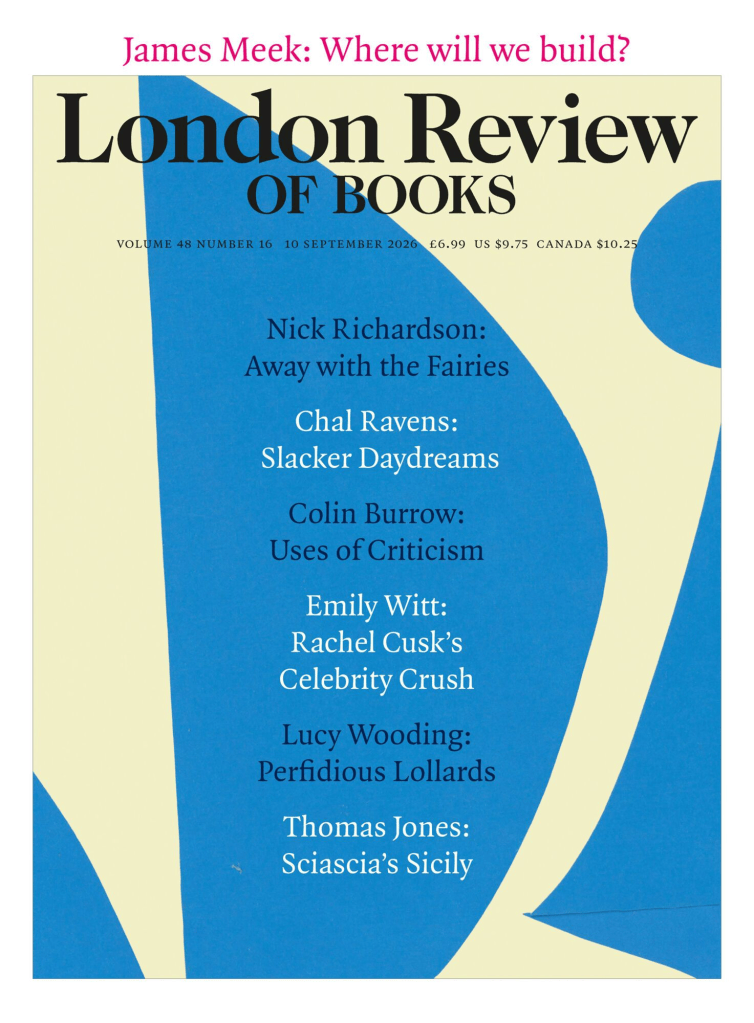
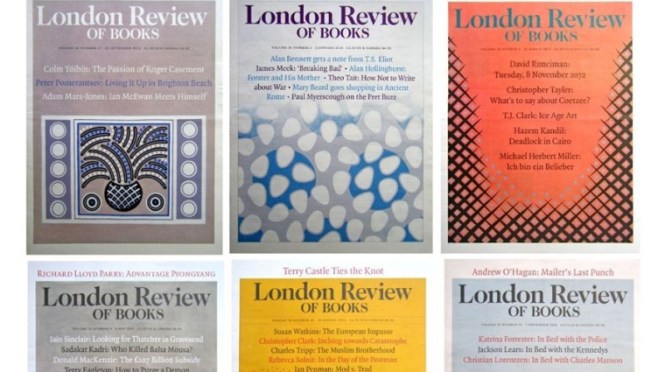
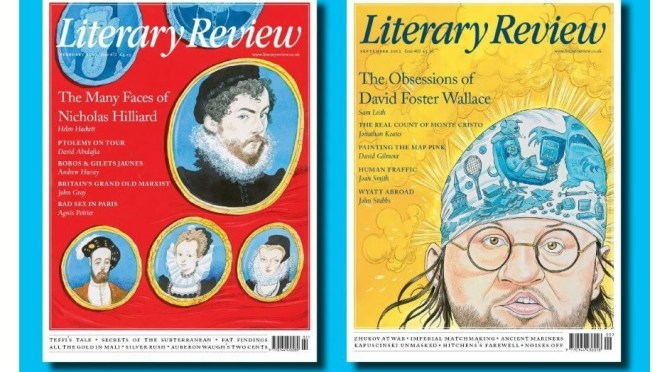
LONDON REVIEW OF BOOKS: The latest issue features…
By Colin Burrow
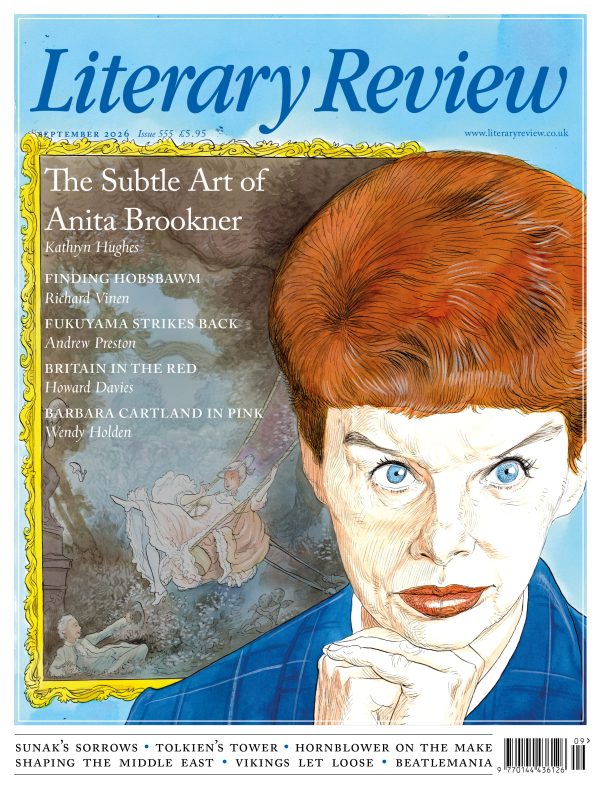
What’s the point of literary criticism? In June the University of Exeter announced plans that might make roughly a third of its English department – one of the best in the country – redundant. Other institutions, including Canterbury Christ Church University, have stopped offering English degrees altogether. Most mainstream publishers now wouldn’t dream of publishing a work of literary criticism, as they happily did in the 1970s and 1980s. Even literary biography, literary criticism’s previously marketable stepsister, no longer brings a gleam to a publisher’s eye. The grassroots of the subject are also suffering badly. Since 2000 the number of people taking A-level English literature in England has dropped by around a third, to around 36,000, with an even higher drop among male students.
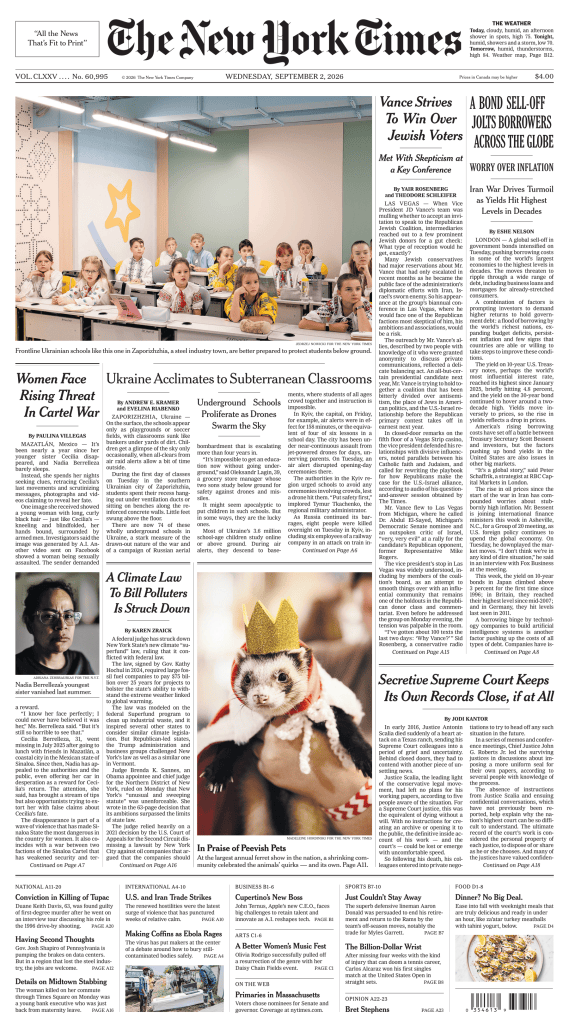
At a summit meant to showcase President Trump’s economic policies as a model for the world, Europeans complained about tariffs and the war with Iran.
Iranian attacks have upended the Navy’s supply chain, causing a strain on the aircraft carriers, ships and destroyers that are being kept in the Middle East indefinitely.
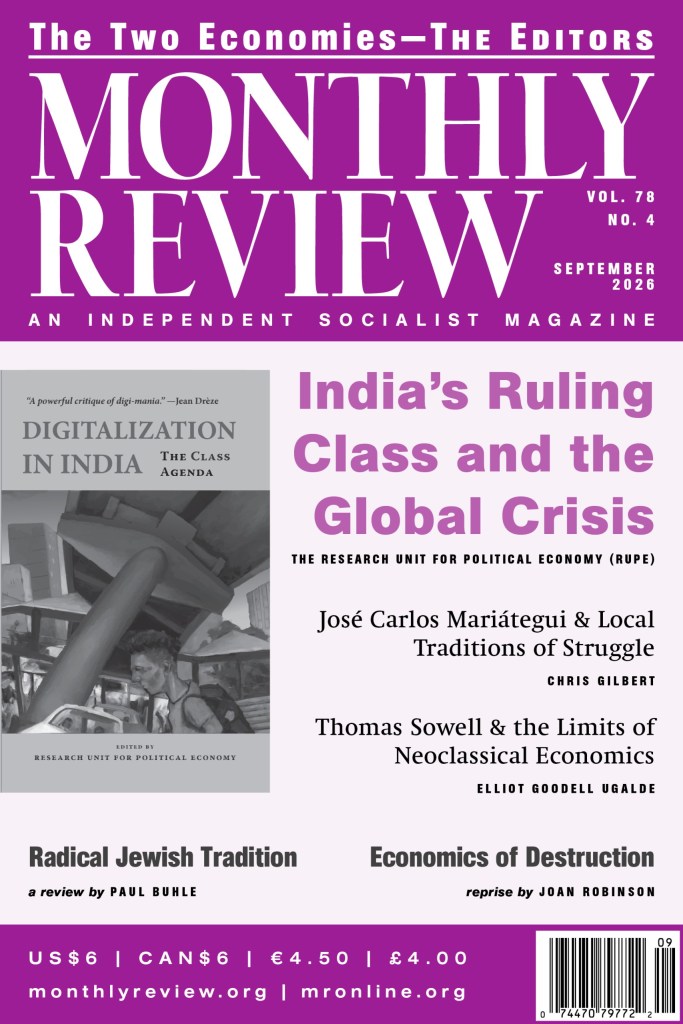
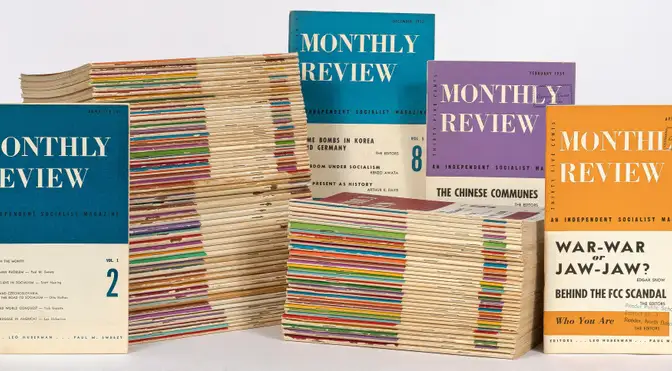
MONTHLY REVIEW MAGAZINE: The latest issue features ‘India’s Ruling Class and the Global Crisis’….
In recent years, India’s ruling classes claimed—and perhaps came to believe—that their time had come on the world stage. India was the fastest-growing major economy, due soon to be the third largest, constituting a new global power. India’s biggest tycoons figured among the world’s top twenty billionaires, part of the transnational elite. Prime Minister Narendra Modi declared that India would be a “developed country” by 2047, the centenary of the end of colonial rule.
It’s getting on for twenty-four years ago that I first read Patricia Highsmith’s The Talented Mr Ripley (1955). Books tend to come to us when we need them, and it’s easy to see why Tom Ripley’s project of self-reinvention and triumphant class resentment was so appealing to me as a twenty-year-old undergraduate.
Few groups in history have been so variously defined, quarrelled over, misrepresented and appropriated as the Vikings. Their identity elusive, they have been passed around like historiographical tokens to the detriment of a deeper understanding of their cultural and political milieu. Neil Price’s The Sea-King and the Sorceress sidesteps these often sterile debates by examining the lives – and deaths – of more than twenty figures from the Viking Age and using them to shed light on wider themes, a bottom-up approach which is both logical and engaging.
A highly readable gallop through one of the world’s most complex political environments, The Cauldron is brilliant on narrative, weaker on analysis. Simon Sebag Montefiore has set himself a formidable task: to compress the modern history of a region extending from Morocco to Iran, and from the fall of the Ottoman Empire to the wars of 2026, into a single volume. The result is an exuberant pageant of sultans, shahs, kings, colonels, spies, revolutionaries and assassins. Few historians could move so confidently from the salons of Cairo to the palaces of Riyadh, from Atatürk’s Ankara to Khomeini’s Najaf, while keeping so many figures vividly in play.
When Donald Trump fired him after just eleven days as his director of communications, Anthony Scaramucci thought his career was over. He had become such an object of ridicule that a crisis PR adviser suggested he lie low for a few years before attempting to start again. Instead, the self-styled ‘front stabber’ from New York – who had naively assumed that a successful Wall Street career could equip him for the toxic political swamp of Washington, DC – launched himself into a round of media interviews, choosing to roll with the punches.
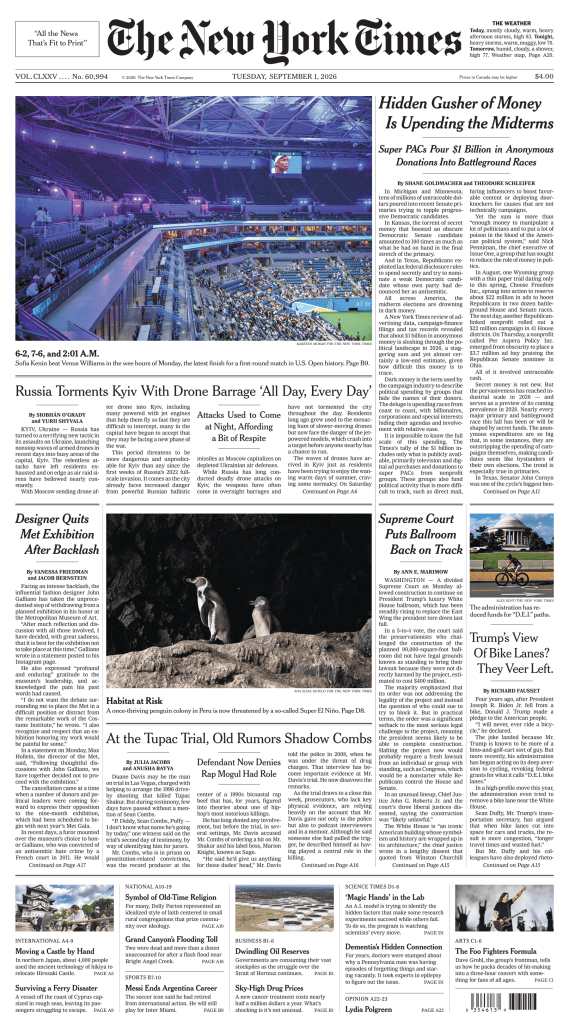
As Xi Jinping gathered with the leaders of Russia and Iran, Europe challenged the Trump administration at the G20, a split-screen view of a changing world.
Government borrowing costs are hitting multi-decade highs around the world, reflecting anxiety about debt levels, deficits and inflation.
While journalists can report freely on grief and anger in Nepal, China’s official media have presented a sanitized disaster aftermath in Tibet.
A Defense Department office, created by the Biden administration to bolster the U.S defense industry, is helping lead President Trump’s oil deal.
A report detailed “grave concerns” that a new system being rushed into use by the U.S. Postal Service could imperil millions of mail ballots.
At least $1 billion from anonymous donors is flowing into the midterm elections. Dark money is not new, but it now permeates nearly every major contest.
The renewed attacks were the latest sign that the war that began six months ago appears far from over.
A growing number of former Israeli generals, intelligence officials and prime ministers are accusing settlers in the West Bank of committing ethnic cleansing with government support. “Once a society behaves this way,” one said, “that society is doomed.”
The nearly constant air raids, a shift from years of largely overnight attacks, have left residents exhausted and on edge.
For years, conservative litigants flocked to Judge Reed O’Connor’s district. Now, North Texas has become a favorite destination of the Justice Department.
The government is struggling to meet a shortfall in fuel and is wary that higher prices at the pump could stir unrest.
The disclosure offered one of the clearest pictures yet of the disaster on the Chinese side of the border, where the authorities have released few details.
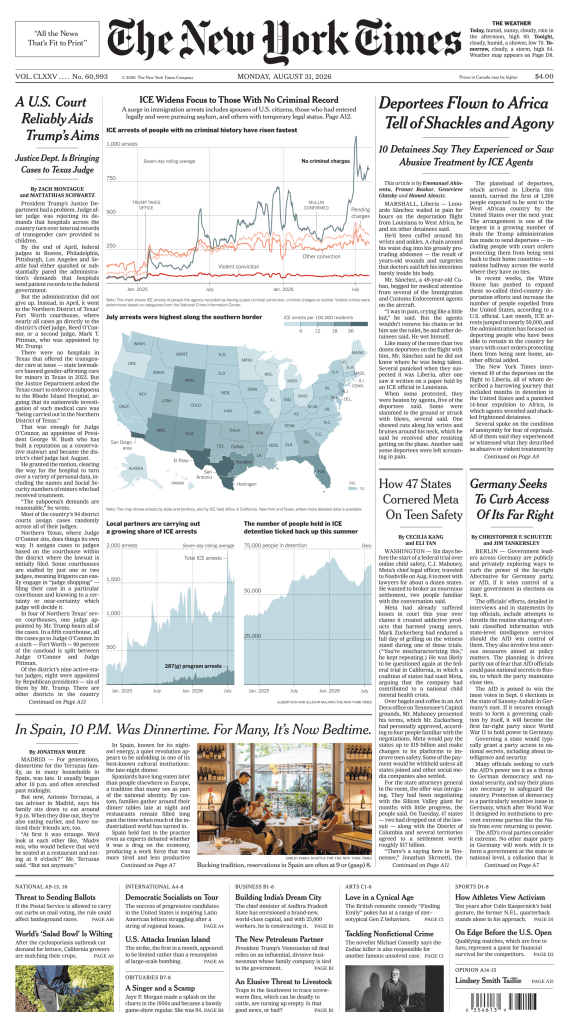
Ten deportees who described violent treatment by ICE said they spent months in detention before being sent to countries where they had no ties.

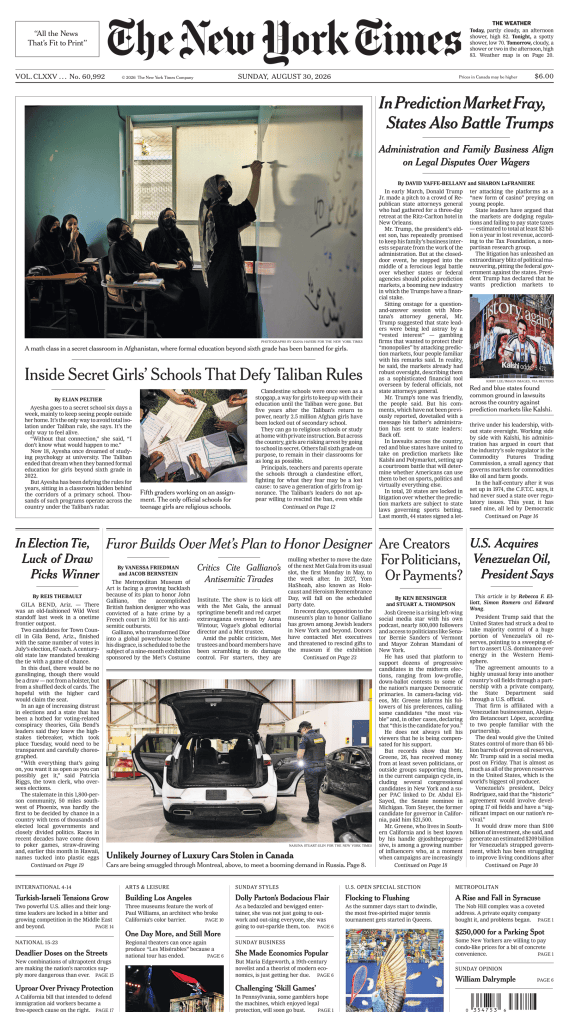
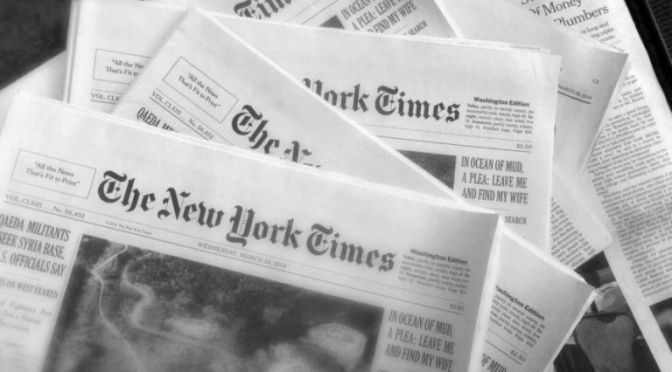
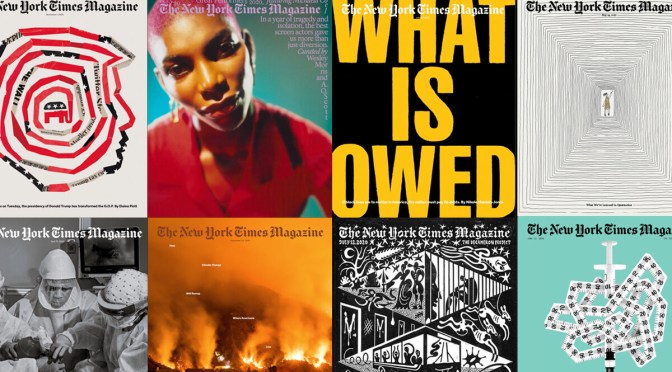
THE NEW YORK TIMES MAGAZINE: The 8.30.26 Issue features Charles Homans on Democratic Socialists; Chien-Chi Chang on civil-defense drills in Taiwan; Jon Ronson on Greg Chism’s strange journey with YouTube; and more.
Her latest novel appears to savage a celebrity. But Cusk has, once again, managed to turn herself into the victim.
In 1980, feminists were often stereotyped as man-hating or out of touch. Then Parton gave the movement a boost — and an anthem. By Susan Dominus
I traveled around the country to find out if “Adventures of Huckleberry Finn” still has a place in the classroom. By Ruth Franklin
The word today applies to more than religious sects, but it says something about our worshipful attitude toward consumption. By Sophie Haigney

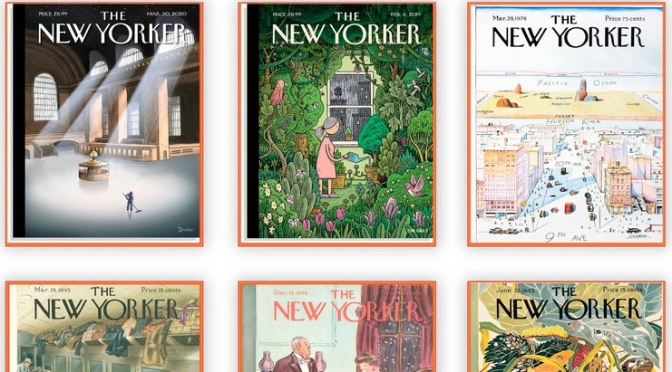
THE NEW YORKER MAGAZINE: The latest issue cover features “Nicole Rifkin’s “Pure Gold” – We will always love you.
Dolly Parton belonged to a beloved category: the outlaw Christian, who loved Jesus and refused to hate anyone else.
Why do we love trash and hate slop? Neil Breen’s so-bad-they’re-great movies elucidate the difference.
Flash floods, triggered by a glacial collapse in the Himalayas, have killed at least five hundred people in a nation that has contributed little to climate change but is disproportionately affected by it. By Ishaan Tharoor
Even while refusing to admit legal fault, the parent company of Facebook and Instagram has accepted, for the first time, that much of its business model is unacceptable for children. By Nathaniel Lubin
The breakneck expansion of settlements in the West Bank has rendered American talk of a two-state solution increasingly irrelevant.
 Intellicurious