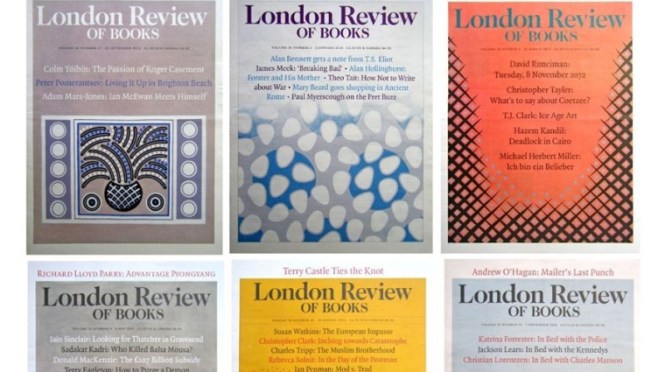

LONDON REVIEW OF BOOKS – APRIL 23, 2026 PREVIEW

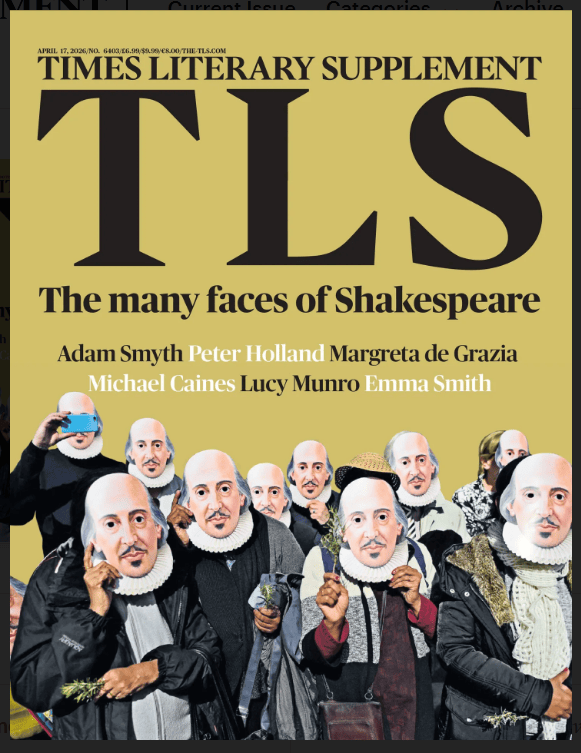
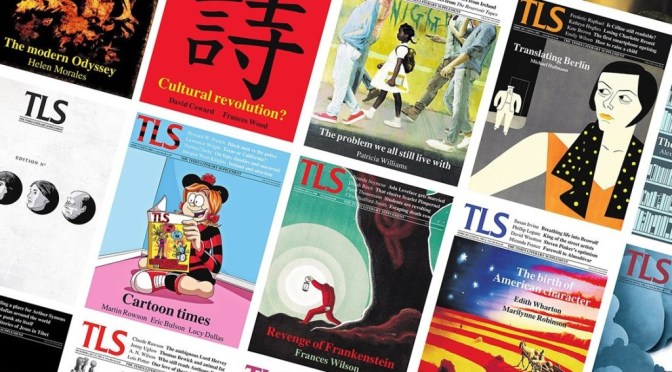
TIMES LITERARY SUPPLEMENT: The latest issue features ‘The many faces of Shakespeare’….
China, America and the danger of war By Philip Zelikow
Discovering exactly what Shakespeare owned By Lucy Munro
Blake Morrison’s guide to life writing By Joyce Carol Oates
Writing about others as a means to write about yourself By Catherine Taylor
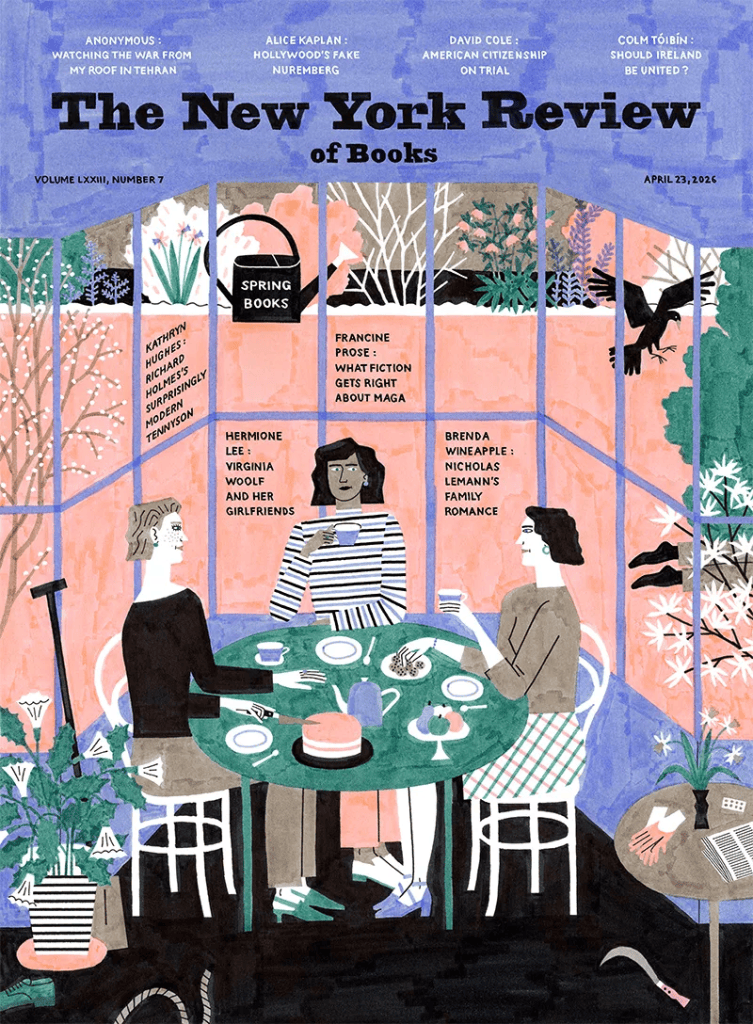
We in Iran own our grief, mourning all by ourselves.
George Templeton Strong’s diaries provide the North’s best record of daily passions and woes during its struggle against the South.
George Templeton Strong: Civil War Diaries edited by Geoff Wisner
In his renovation of Notre-Dame, Eugène Viollet-le-Duc projected his own Romantic vision of the Middle Ages onto the Gothic cathedral.
Viollet-le-Duc: Drawing Worlds an exhibition at the Bard Graduate Center Gallery, New York City, January 28–May 24, 2026
Retirement, like so much of the American economy, is a broken system that benefits private interests and exploits the most vulnerable people.
Golden Years: How Americans Invented and Reinvented Old Age by James Chappel
Work, Retire, Repeat: The Uncertainty of Retirement in the New Economy by Teresa Ghilarducci, with a foreword by E. J. Dionne Jr.
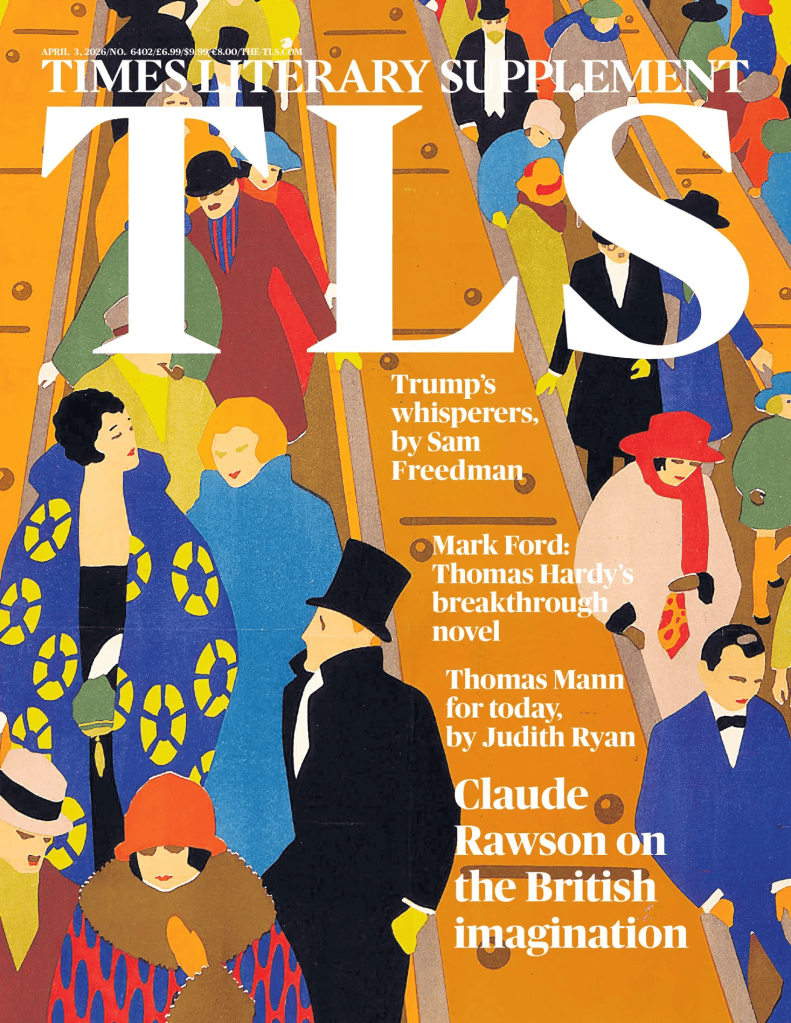
An argument for ‘British is best’
The argument of Peter Watson’s hugely ambitious The British Imagination: A history of ideas from Elizabeth I to Elizabeth II is that “The essential arc of British history – intellectual and creative history, just as much as political, economic and military history – is of a small, indeed tiny, country sequestered on the north-west coast of Europe that over the centuries would forge the largest and most unlikely empire the world has seen”. It may seem odd to be reading this in the present depressed state of the nation, although Watson stresses from the outset that the concept of “the British imagination” embraces its hospitality to foreign influences and eventually to the power of a wider “Anglosphere”.
The genesis of Far from the Madding Crowd
What smartphones can’t record
Modern English translations that do justice to the work

The subject of this excellent biography wished to be remembered as Jan ‘Empire’ Morris, author of the great imperial trilogy Pax Britannica, but she correctly predicted that the valedictory headlines would read ‘Sex Change Author Dies’. As James Morris, he had won early fame as the Times reporter who broke the news of the conquest of Everest on Coronation Day, 1953. And Morris’s real distinction, as Sara Wheeler affirms, was as a travel writer. It was a term she loathed. (Wheeler follows Morris’s own lead in using male pronouns for the author’s early life and female ones after 1970, when transition was nearing completion.) But as a young man James had immersed…
It may be thought that the notorious Cambridge spies – the majority of them members of the Apostles, that university’s secretive, elitist society – had been written out. But, as Stalin’s Apostles makes clear, such is not the case. Most of the books on what the KGB later called their ‘Magnificent Five’ – Kim Philby, Guy Burgess, Donald Maclean, Anthony Blunt and John Cairncross – have dwelt …
Not so long ago, stories about powerful computer viruses apparently spreading around the world and threatening to bring modern life to a halt regularly filled the news. These days, cybercrime rarely makes the headlines, and most of us have become inured to warnings that our passwords have been found in a data leak. Yet ..
In its quiescence to the West’s war on Iran, India is squandering a precious legacy.
In Shenzhen, the successes and failures of China’s remarkable new economy are on full display.
Breakneck: China’s Quest to Engineer the Future by Dan Wang
House of Huawei: The Secret History of China’s Most Powerful Company by Eva Dou
A new history explores France’s empire from the perspective of the indigenous and enslaved people who participated, willingly or not, in its creation.
By Flesh and Toil: How Sex, Race, and Labor Shaped the Early French Empire by Mélanie Lamotte
There has never been a moral and historical reckoning with the horrors inflicted by the Allied firebombing of Japan during World War II.
Black Snow: Curtis LeMay, the Firebombing of Tokyo, and the Road to the Atomic Bomb by James M. Scott
The Bomber Mafia: A Dream, a Temptation, and the Longest Night of the Second World War by Malcolm Gladwell
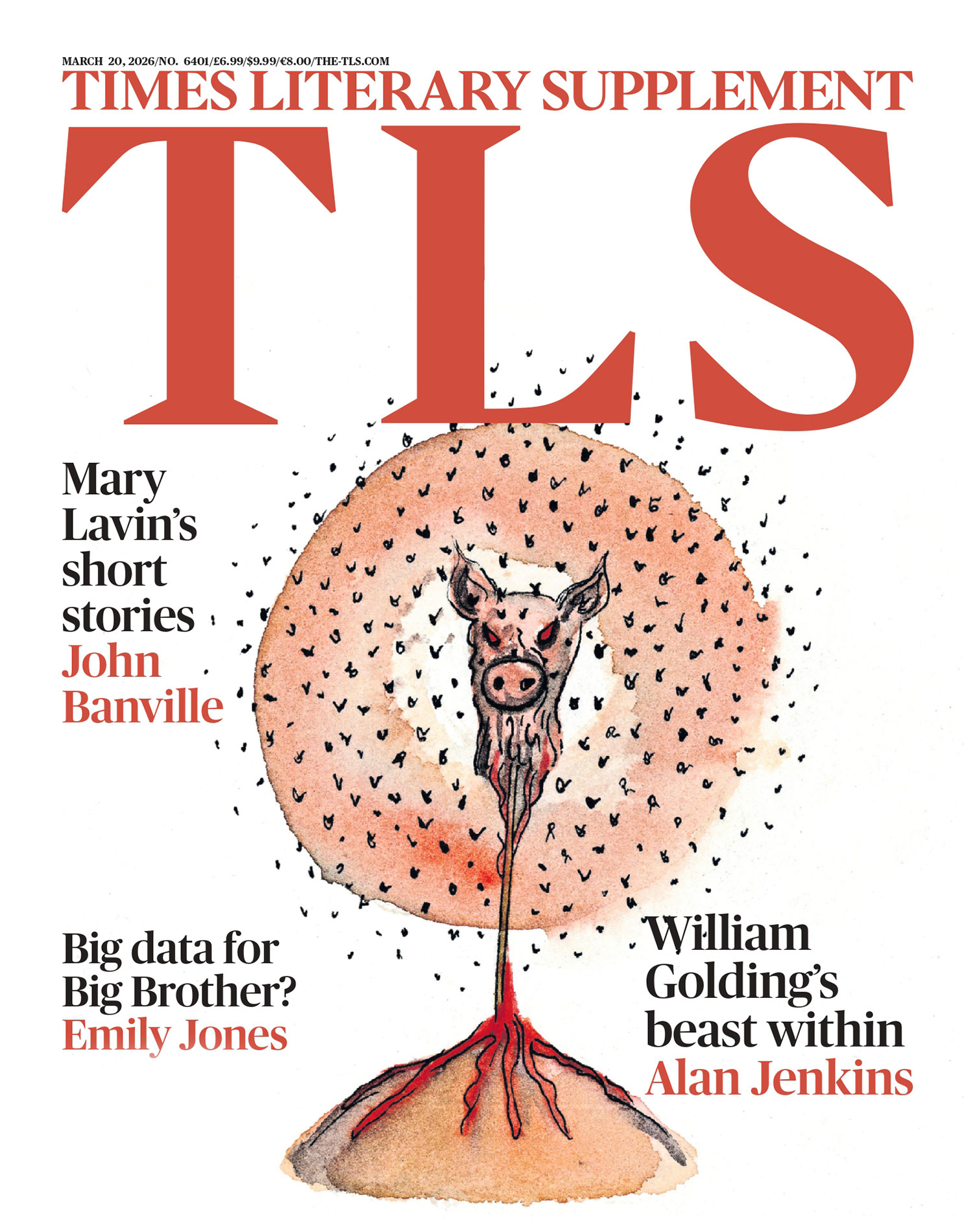
The struggle between good and evil in William Golding’s fiction By Alan Jenkins
The many lives of W. H. Auden By Ian Sansom
Alex Karp, CEO of Palantir, the controversial US tech company By Emily Jones
Why do we experience consciousness?
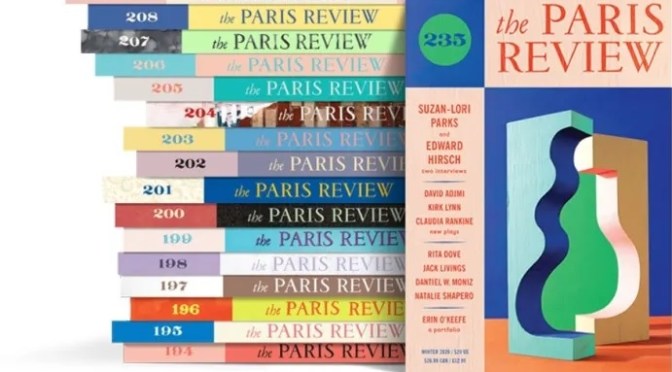
THE PARIS REVIEW : The Spring 2026 issue features Interviews, Prose, Poetry and Art….
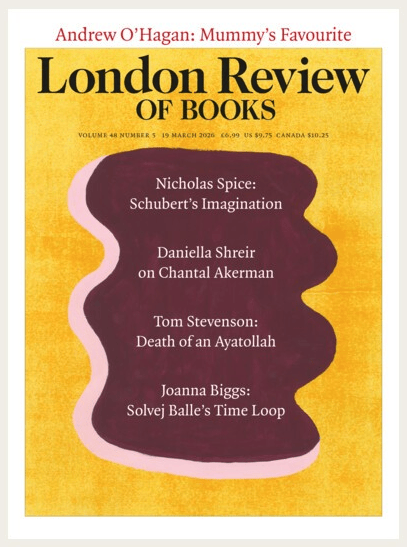
The attack launched on Iran by the US and Israel on 28 February was a textbook case of international aggression, justified in only the most cursory fashion by fictional Iranian threats and undertaken with no clear aims and no clear demands or terms. In announcing the war Donald Trump described it as a wholesale attack on both government and state. The US and Israel would ‘raze their missile industry to the ground’ and ‘annihilate their navy’. Benjamin Netanyahu called on Iranians to ‘come out to the streets and finish the job’. By Tom Stevenson
The late queen can be held responsible for much, but nobody could accuse her of seeming to enjoy her role. For the Yorks, however, enjoyment was everything, and the notion of royal sacrifice, arguably a red herring in the House of Saxe-Coburg and Gotha, was finally obliterated by their actions. By Andrew O’Hagan
As Stephen Greenblatt’s Dark Renaissance shows despite itself, it is not Marlowe’s life story that we still need, but his plays and poems: we might well want to avert our eyes from the bathetically dismal life of the man who wrote them. By Michael Dobson
Entitled: The Rise and Fall of the House of York by Andrew Lownie
Nobody’s Girl: A Memoir of Surviving Abuse and Fighting for Justice by Virginia Roberts Giuffre
Andrew O’Hagan
 Intellicurious