
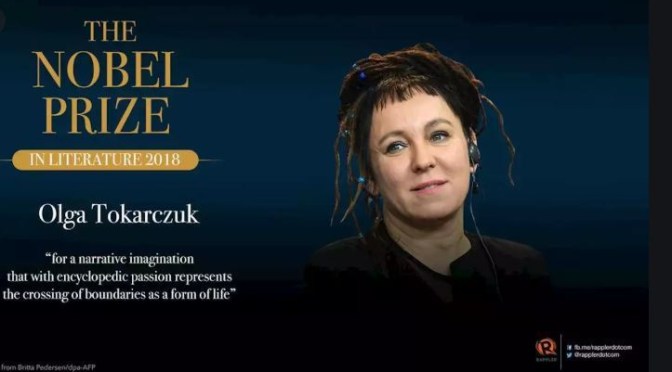
In this interview from the Nobel Banquet on 10 December 2019, Literature Laureate Olga Tokarczuk talks about her childhood dream of being a scientist, curiosity as motivation and the importance of translators.
Olga Tokarczuk, (born January 29, 1962, Sulechów, Poland), Polish writer who was known for her wry and complex novels that leap between centuries, places, perspectives, and mythologies. She received the 2018 Nobel Prize for Literature (awarded belatedly in 2019), lauded for her “narrative imagination that with encyclopedic passion represents the crossing of boundaries as a form of life.” A best-selling author in Poland for decades, Tokarczuk was not well known outside her homeland until she became the country’s first author to win the Man Booker International Prize in 2018 for Flights (2017)—the English translation of her sixth novel, Bieguni (2007).
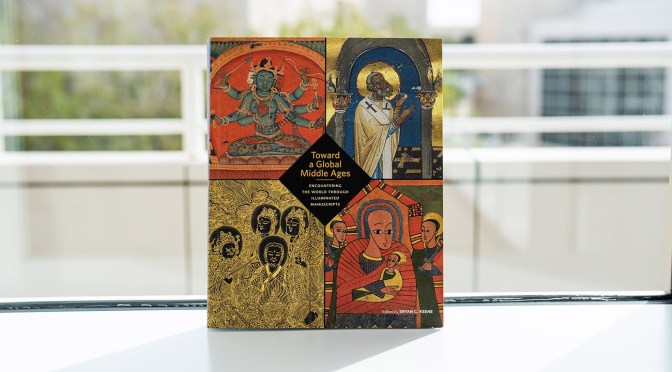
 What was the world like from 500 to 1500 CE? This period, often called medieval or the Middle Ages in European history, saw the rise and fall of empires and the expansion of cross-cultural exchange.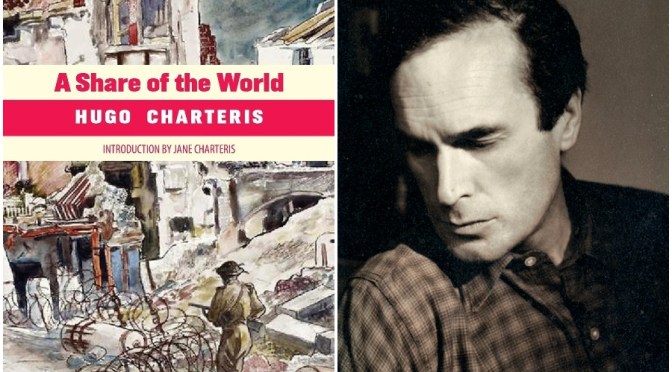
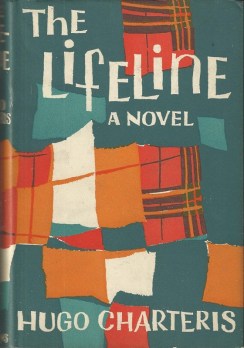 Alan Ross, for forty years
  almost five decades since his death of cancer in 1970, aged only forty-seven.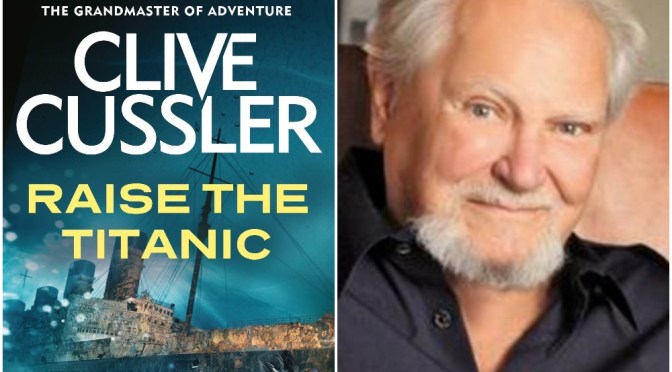
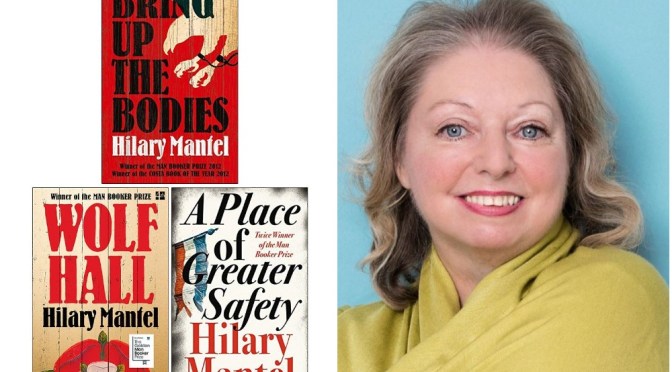
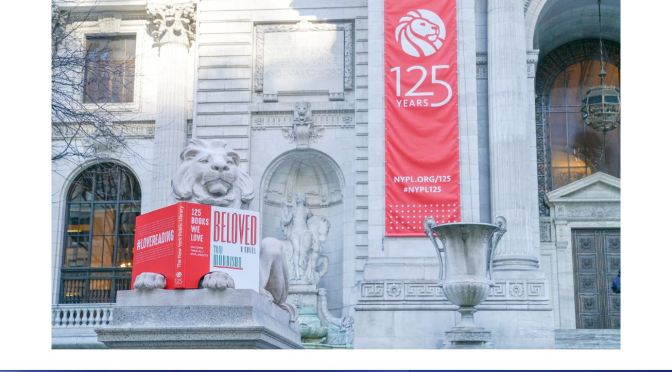
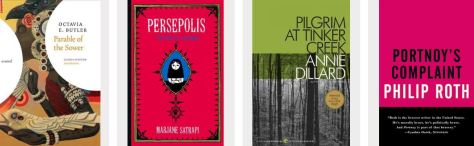
 The New York Public Library is marking its 125th birthday this year—in part with this list of their favorite books written for adults from the past 125 years, which they hope will “inspire a lifelong love of reading.”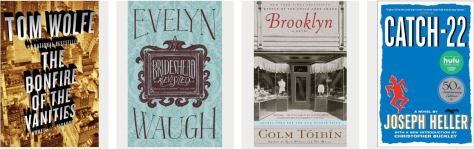
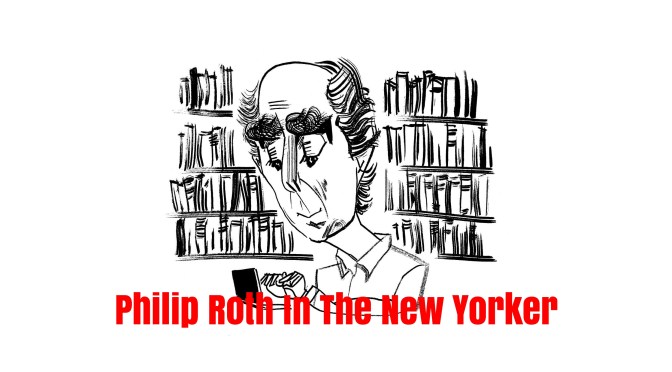
 David Rabe joins Deborah Treisman to read and discuss “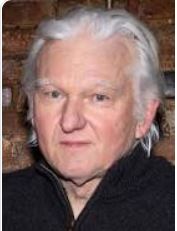
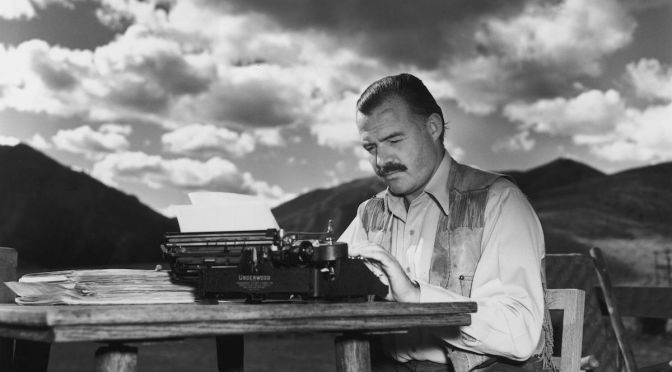
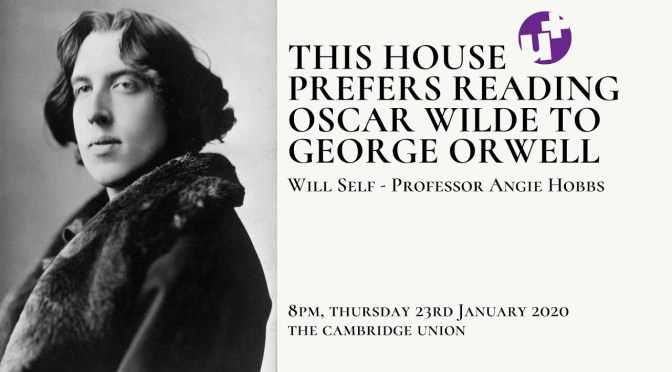
 ABOUT THE MOTION: This House Prefers Reading Oscar Wilde to George Orwell Do we prefer satire or comedy? Do we take refuge in the serious or the frivolous? Do we understand the importance of being earnest or would we rather be in room 101? These two authors demonstrate well two powerful traditions in British literature, the comic and the satirical. They both of course share in each other’s art. Some would argue that during our present global crises we should look to Orwell more than ever, others would reach for the escapism of Oscar Wilde. In a new enterprise for the Cambridge Union, we are beginning our cultural debates – and this is our first. At least for a while.
 Intellicurious