Tag Archives: Literature

Literary Arts: New Website Archives Work Of British Illustrator And Designer Peter Campbell (1937-2011)

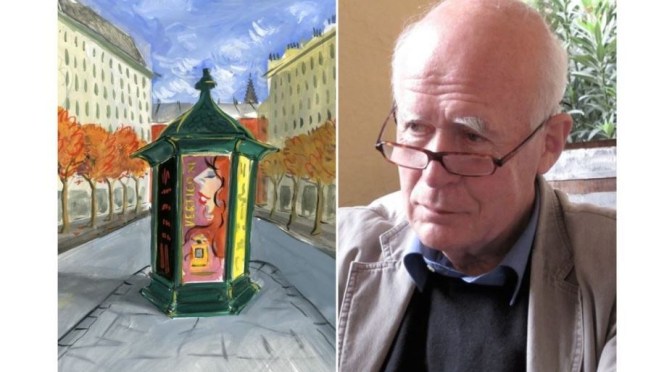
The website is about the work of the designer, writer and illustrator Peter Campbell (1937‑2011). The intention is to present an archive of Peter’s illustration, design and editorial work, as well as occasional selections from his writing.
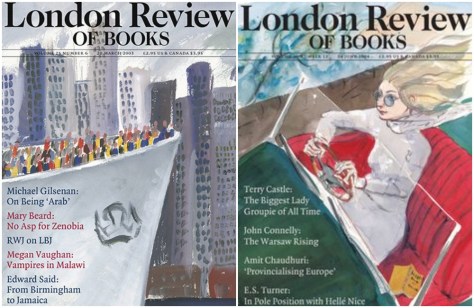
British Illustrator Peter Campbell - London Review of Books

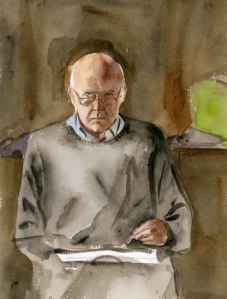
When asked what he did for a living, Peter would usually say he was a designer, or, a typographer. Designing for print – books, exhibition catalogues, magazines, posters – Peter Campbell - Self-Portraittook up the most substantial part of his time, at the BBC in the 1960s and 1970s and thereafter as a freelance. He was also an illustrator, a journalist, an author of children’s books, an editor and a publisher. The great range of his professional work, and his encompassing interest in the work of others, made him a collaborator sought out by writers, publishers and artists.
Diana Souhami, who worked with Peter often, wrote in the Guardian after his death: “He had the ability to conceptualise what each publishing project needed and to get it right. He was hugely and diversely productive, but seldom hit a wrong note.”

Discussing his journalism in her appreciation in the London ReviewMary‑Kay Wilmers wrote: “There are people whom getting a grip doesn’t suit, who don’t want to be confined. One can honour the world in depth or across a wide range and there were few aspects of the world that Peter didn’t wish to honour.”

He probably would have been delighted by – and certainly modestly sceptical of – Alan Bennett’s appraisal, in the posthumous publication of a catalogue of his pictures in Artwork, that he was “an heir to Ardizzone, Bawden and Ravilious.”

Peter Campbell was born in Wellington, New Zealand in 1937. In 1960 he emigrated to London where he lived for the rest of his life. He died in 2011.
Website

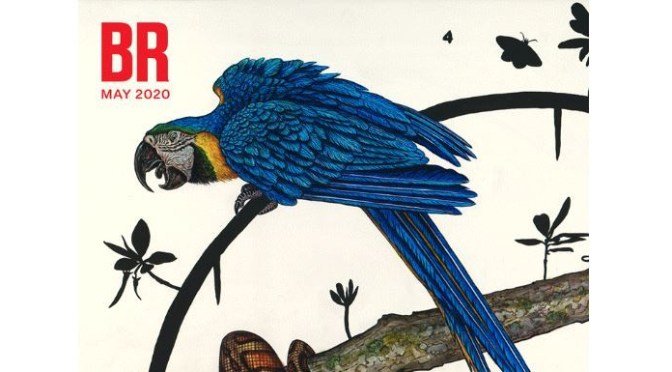
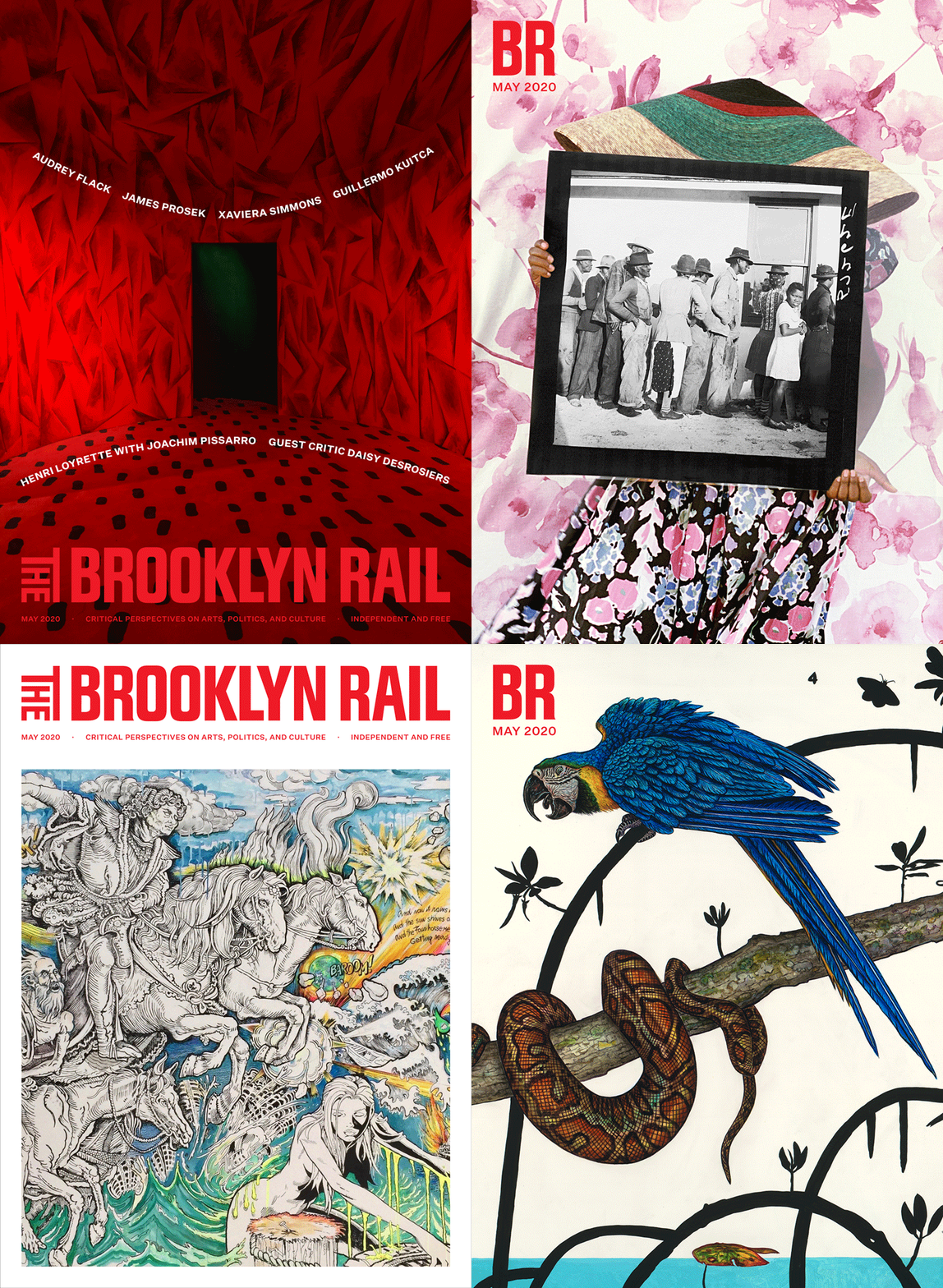
Top Digital Magazines: “The Brooklyn Rail – May 2020” – Arts & Culture

AUDREY FLACK with Charles Duncan

“When you’re alone in the studio, and your life is turned upside down by something, it’s you and the work.”

Art In Conversation

HENRI LOYRETTE with Joachim Pissaro

Read The Brooklyn Rail May 2020 Issue

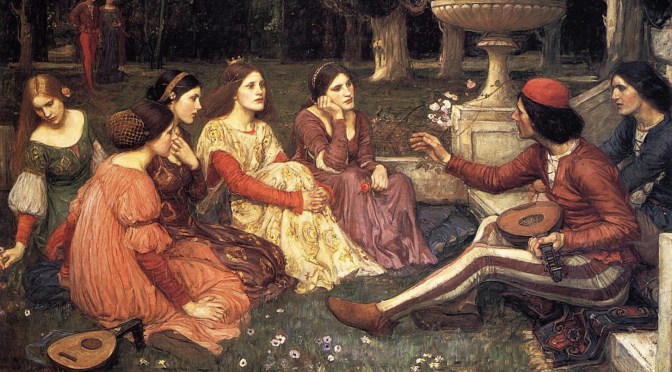
Literary Podcasts: “WHY THE DECAMERON IS GREAT QUARANTINE READING”

The latest episode of the Octavian Report – Rostrum coronavirus crisis podcast features Wayne Rebhorn. The latest episode of our coronavirus crisis podcast features Wayne Rebhorn of the University of Texas at Austin. Wayne is the author of an acclaimed translation of Giovanni Boccaccio’s Decameron, perhaps the paradigmatic work of pandemic literature. 

The Decameron is set among a group of witty, earthy social isolators who have fled the plague ravaging Florence. We spoke with Wayne about Boccaccio and his most famous work, the conditions that helped birth it, and what we can learn from them in our current situation.

Website

Octavian Report Rostrum Podcasts

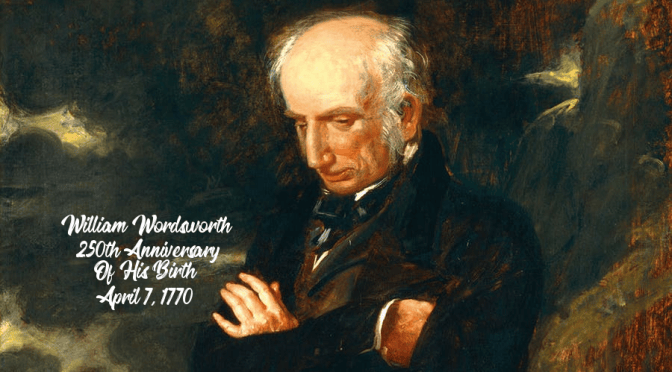
Today: 250th Anniversary Of William Wordsworth’s Birth – “That Inward Eye”

From an Apollo Magazine article (April 7. 2020):

‘They flash upon that inward eye
 Which is the bliss of solitude’
.
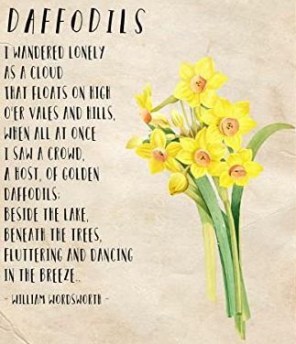
William Wordsworth Daffodils - I Wandered Lonely As A Cloud - Amazon photo‘We are fond of tracing the resemblance between Poetry and Painting,’ wrote William Wordsworth  (1770–1850) in the famous ‘Preface’ to Lyrical Ballads (1800), ‘and, accordingly, we call them Sisters.’ To speak of the ‘sister arts’ was indeed a critical platitude of the age, though as it happens Wordsworth’s attitude towards painting wasn’t normally very sisterly. 

 

Apollo Magazine logoWhen, in 1840 or so, a well-meaning houseguest called Margaret Gillies made a drawing of the 70-year old Mrs Wordsworth, everyone agreed that it was an excellent likeness; but her kind act was rewarded with a testy and somewhat ungracious sonnet from the sitter’s husband. He preferred to visualise Mary in her salad days: ‘’tis a fruitless task to paint for me, / Who, yielding not to changes Time has made, / By the habitual light of memory see / Eyes unbedimmed, see bloom that cannot fade, / And smiles that from their birth-place ne’er shall flee / Into the land where ghosts and phantoms be’.
.
All she possesses, as a painter, is the outward eye: ‘that inward eye’ is the poet’s hallmark, as of course Miss Gillies would have known from Wordsworth’s most famous poem, the one about the daffodils – ‘They flash upon that inward eye / Which is the bliss of solitude’. By chance we know (because Wordsworth left it on record, saying they were the best thing in the poem) that those two lines were actually contributed by Mary, so the uxoriousness of the thing is double: not only does she evade the merely visual but she also possesses the innate genius to be able to name the imaginative power that so transcends it.
.

New Literary Podcasts: Author James Shapiro On “Shakespeare And Plagues”

Octavian Report Rostrum PodcastsOctavian Report “Rostrum” spoke with him about a major theme in Shakespeare’s work and life: disease. Specifically, pandemic plagues, which ravaged London repeatedly throughout Shakespeare’s career, shuttering the theaters, and which appear (obliquely and otherwise) in some of his greatest plays.
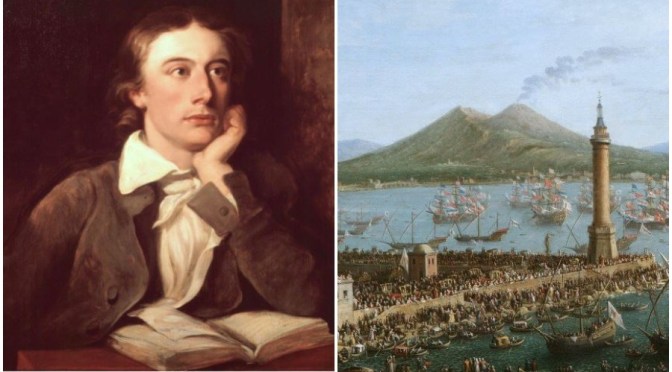
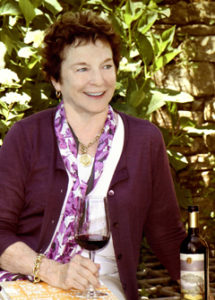
The latest episode of the Rostrum’s coronavirus series features James Shapiro, the Larry Miller professor of English and comparative literature at Columbia University, and a leading expert on Shakespeare. Shapiro has published widely on this subject, most recently Shakespeare in a Divided America. He is also an advisor to the Royal Shakespeare Company and to the Public Theater.

Website

James S. Shapiro (born 1955) is Professor of English and Comparative Literature at Columbia University who specialises in Shakespeare and the Early Modern period. Shapiro has served on the faculty at Columbia University since 1985, teaching Shakespeare and other topics, and he has published widely on Shakespeare and Elizabethan culture.


Travel & Quarantines: Author Frances Mayes Writes Of Poet John Keats In Naples, Italy In 1820 (NYT)

From the New York Times (March 26, 2020):

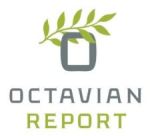
I have seen Naples from his vantage of a ship anchored offshore — one of the most sublime locations in the world, that sweep of coast stacked with apricot, carmine, azure and rose villas; the blue, blue U of the harbor; the emphatic Vesuvius anchoring the view. 

Frances Mayes
Frances Mayes

In October of 1820, typhus raged in Naples. With his artist friend, Joseph Severn, the British poet John Keats rocked in the city’s harbor for 10 days, not nearly the quaranta giorni — 40 days — that give us our word quarantine.

Before this journey, Keats always felt intense melancholy. In “On Seeing the Elgin Marbles for the First Time,” he wrote “… mortality / Weighs heavily on me like unwilling sleep.” (And in the smooth pentameter of “Ode to a Nightingale”: “I have been half in love with easeful death.”) Not a holiday, this voyage out of England was a desperate trip to the sunny climate of Italy. His cough had grown steadily worse. Since the morning he’d seen a splotch of blood on his pillow, he knew he had little chance of surviving the consumption that had invaded his lungs. His last-ditch: Go to Rome. Meanwhile, exile at sea.

Read full article

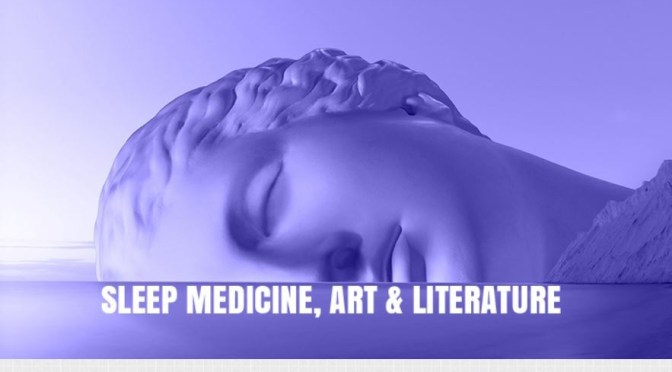
Health Lecture: “Sleep Medicine, Art & Literature” By Professor Meir Kryger

Sleep medicine, art and literature – ars longa, vita brevis. Organised by the Sleep Medicine Section 4 February 2020.

Professor Meir Kryger, Author and Professor, Yale School of Medicine – Sleep Disorders & Effective Treatments.

Lecture: Sleep in art: A 7000 year odyssey

Website

Smartphone Books: The New York Public Library’s Interactive “Insta Novels”

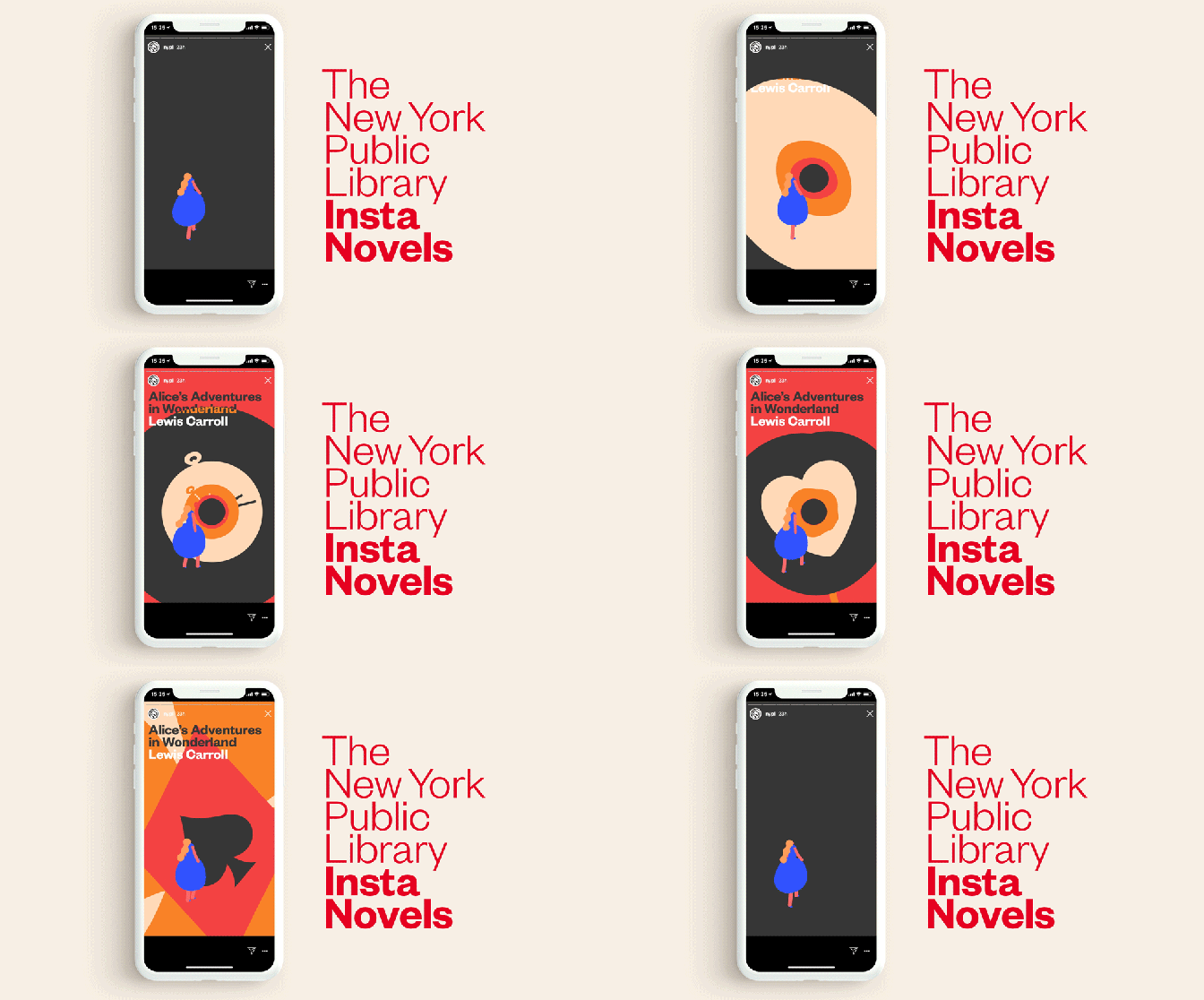
Insta Novels launched August 22, 2018 on the Library’s Instagram account (@nypl) with Part 1 of a newly digitized version of Alice’s Adventures in Wonderland by Lewis Carroll. The novel is illustrated by well-known designer Magoz (@magoz).

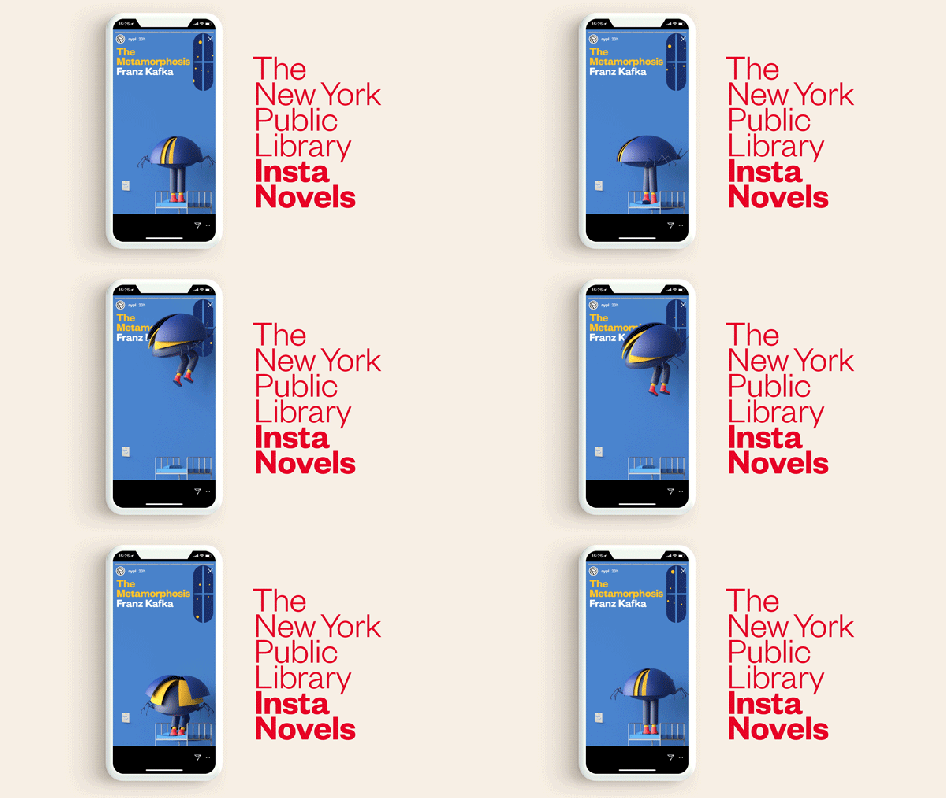
The New York Public Library Insta Novels The Metamorphosis Franz Kafka

First, go to the Library’s Instagram account (@nypl) and tap Part 1 of Alice’s Adventures in Wonderland in the Highlights section, right under the bio.

Rest your thumb on lower right part of the screen to hold the page, and lift your thumb to turn the page. (The lower right thumb holder is designed to double as a flip book: if you lift your thumb and let the pages flip, you’ll see an animation.)

As more stories are added, the NYPL Instagram account’s Highlights will turn into a digital bookshelf.