
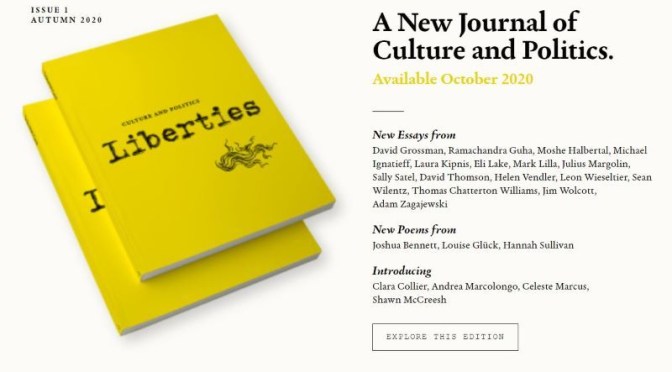
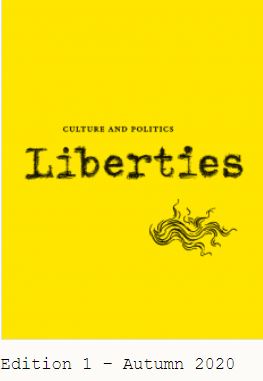
Each issue of Liberties, the Foundation’s decidedly analog quarterly publication, will feature a combination of essays from prominent writers and introduce new talent. Contributors already signed include leading voices from this country and abroad in the worlds of culture, business, entertainment, government, politics, and technology. Each edition of Liberties will also publish new poetry from both highly awarded and up-and-coming poets.
LISTEN TO INTERVIEW WITH PUBLISHER BILL REICHBLUM:
To advance independent thinking and propel new ideas, well-known figures from the worlds of arts, business, government, higher education and philanthropy today announced the formation of the Liberties Journal Foundation. Based in Washington, D.C., the Foundation is a non-partisan, not-for-profit organization that seeks to inform today’s cultural and political leaders, deepen the understanding of citizens, and inspire the next generation to participate in the democratic process and public service. The Foundation’s first initiative is a new quarterly journal, Liberties – A Journal of Culture and Politics, slated for October 2020 debut.
Founding members of the Foundation include the well-known Washington attorney, philanthropist, and former diplomat, Alfred H. Moses; chairman and CEO of cross-border trade company Quberu, Peter Bass; and, respected arts, education, and business leader, Bill Reichblum.
A book for the coat pocket, Liberties’ diverse voices celebrate one commonality: freedom of inquiry and thought.
Liberties’ editorial team reflects the mission of the Journal pairing acclaimed literary critic Leon Wieseltier as editor with Celeste Marcus, a new talent, as managing editor. Bill Reichblum is the publisher. The book will be available as a soft-cover edition, by subscription or single copy, in bookstores and online.
“The Foundation exists to meet the thirst in our country for ideas and serious thinking at a time when the daily news dominates the media and overwhelms our lives,” says Moses. “The Foundation will provide an outlet for world-renowned writers on culture and politics to reach a readership that is looking for stimulation and inspiration at a time when our lives are increasingly assailed by ephemeral trivia.”
“We believe there is a genuine need to take time to listen, to actively absorb in-depth thinking of both those with accomplished experience and the inventive new generation at the beginning of their careers,” says Reichblum. “Their creativity, insights, and perceptions can individually and collectively inspire culture and impact politics.”
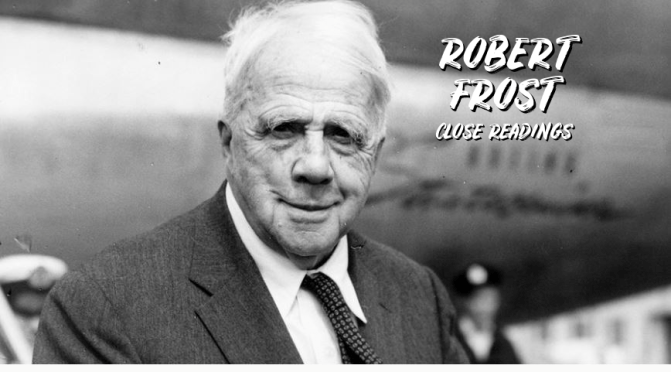
 In the latest episode in their series of Close Readings, Seamus Perry and Mark Ford look at the life and work of Robert Frost, the great American poet of fences and dark woods.
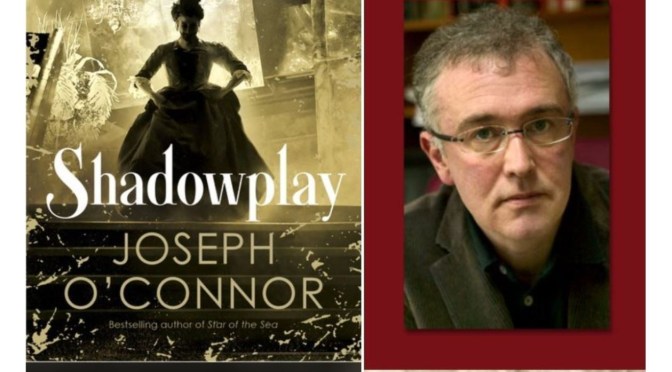
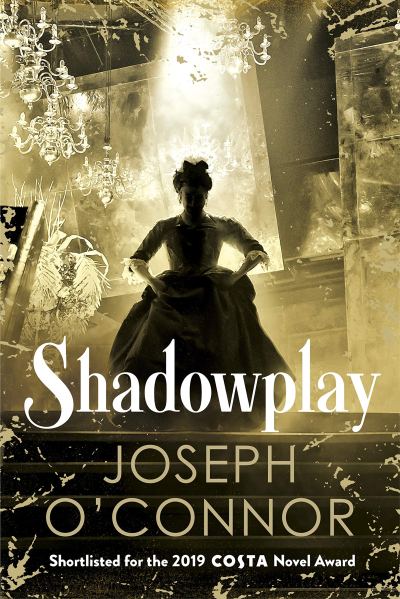 “Shadowplay” opens in Dublin in the winter of 1876, with O’Connor painting that ravishing city with a soft lyricism that Stoker himself might have envied: “Smacks heading down the estuary, trailing petticoats of nets, out towards the expanse of the sea.” Stoker, a government clerk who moonlights as a theater critic, is reeling from the visceral intensity of Irving’s performance in Dublin as Hamlet. “Eyes glowing red in the gaslight,” Irving terrifies the audience, “slinking towards the lip of the stage, left hand on hip, wiping his wet mouth with the back of his sleeve. Sneering, he regarded them. Then he spat.” (
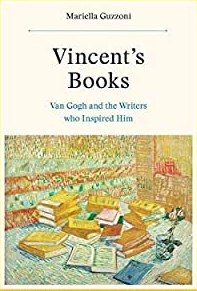 In his paintings we see books on their own, or books in the company of people or other objects; small, lonely ziggurats of books, or a book beside a candle. That last juxtaposition is telling in the extreme. Vincent had a reverence for books. They were sacred ground. They have a kind of inner glow about them.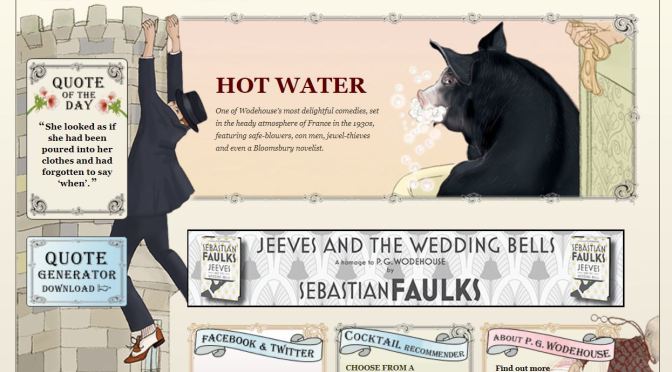
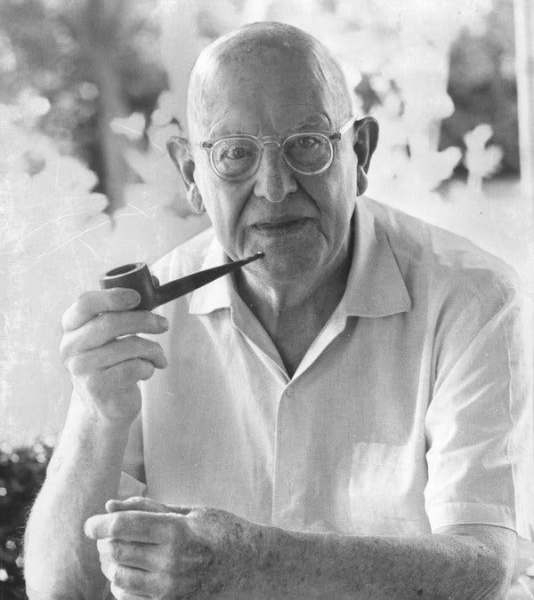
 With every sparkling joke, every well-meaning and innocent character, every farcical tussle with angry swans and pet Pekingese, every utopian description of a stroll around the grounds of a pal’s stately home or a flutter on the choir boys’ hundred yards handicap at a summer village fete, he wanted to whisk us far away from our worries.
 T
T

 Gertrude Stein
 Intellicurious