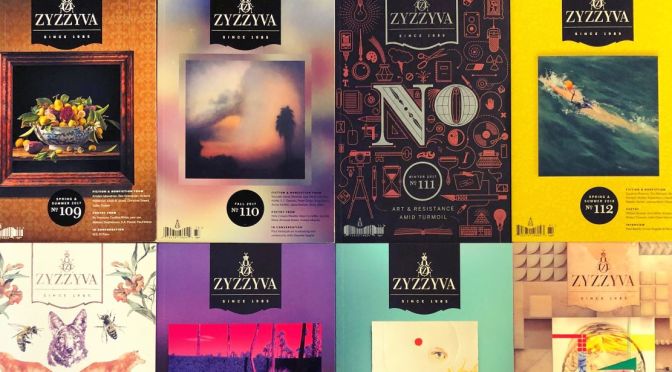
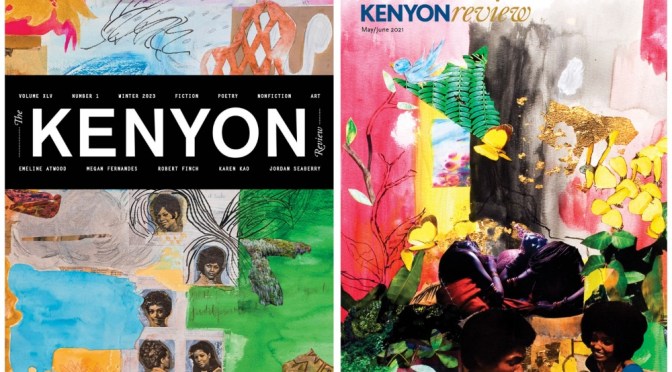
The Mysteries of the Universe by Anna Badkhen: “I see now what this is about. I’m a professor and author in America, she’s in a war zone: to her, I’m rich and happy. How is she supposed to know about the cancer, the medical debt, Ksyusha’s student loans? So, I try to deflect.”
Encyclopedia of Botany by Jane Marchant: A daughter’s closely observed catalog of the flora around her Bay Area home, and of her family’s complex history of identity.
Glint of Sport by Angie Sijun Lou: “I don’t know if this story is true. You can’t divide truth from kitsch in this place…”
Eulogy by William Hawkins: In the wake of a funeral, a dead father’s legacy hangs over his surviving adult sons as they trudge into the lukewarm waters of the lake by the family pier.
The Eye by Elodie Saint-Louis: “When Theo spoke, she thought, you could see all of these places on his body. Vyros, Hymettus, Loutro, Parnitha. The land was in him. It was the river running out of his mouth. The words that bumped into each other gently but never spilled over, petering out into a gentle sway.”
Plus more fiction by Perry Janes, David Hayden (there be strange happenings in a dilapidated insurance building in Chicago), and Wendy Elizabeth Wallace.
Nonfiction
Jane Marchant on the flora around her Bay Area home—and her family’s complex history of identity.
Poetry
Jason Allen-Paisant, Dan Alter, Allison Benis White, Ricardo Cázares, E.G. Cunningham, Peter LaBerge, Joyce Mansour, Maria Zoccola
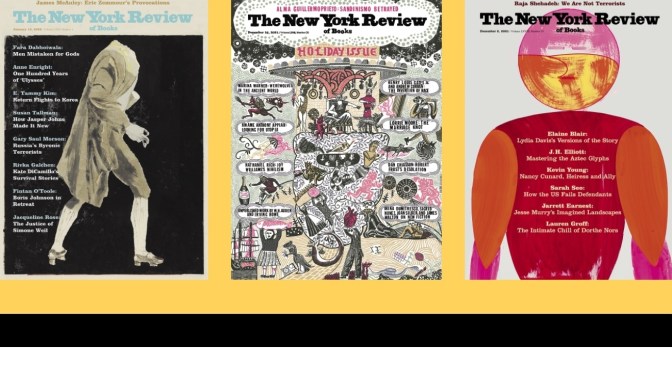
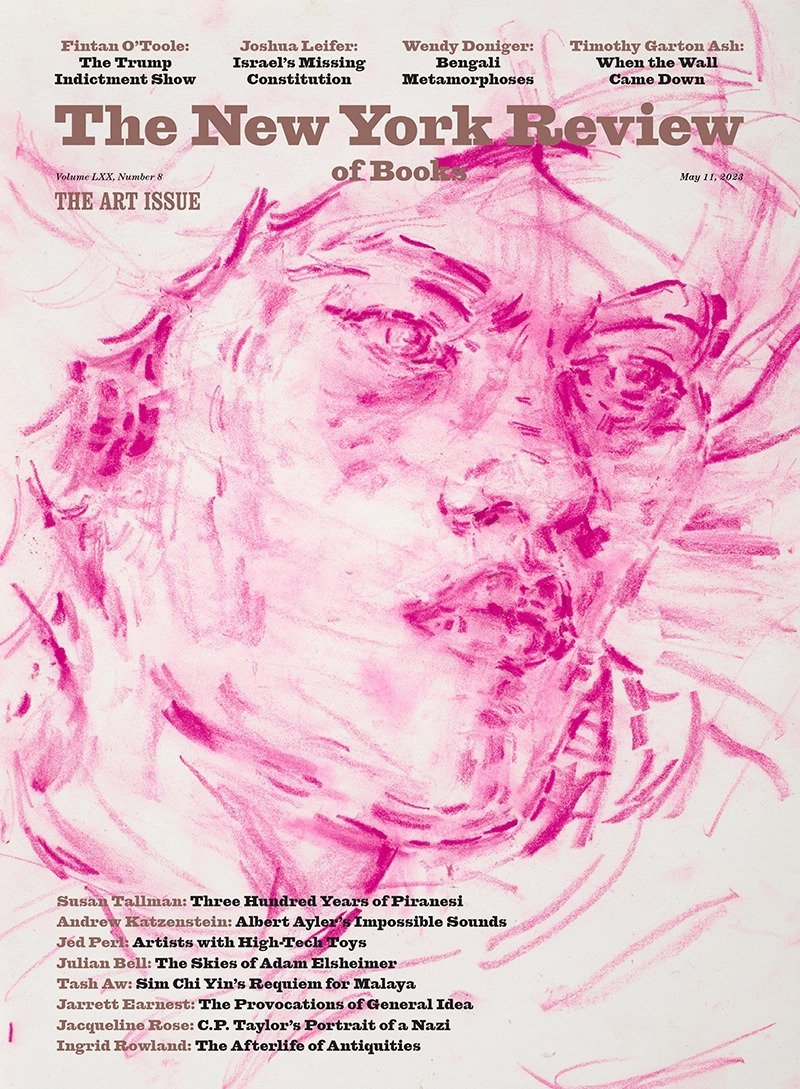
The New York Review of Books – May 11, 2023 issue: The Art Issue features Fintan O’Toole on the return of the Trump circus, Susan Tallman on why Piranesi still speaks to us, Joshua Leifer on democracy deferred in Israel, Ingrid D. Rowland on recycling antiquity, and Julian Bell on Adam Elsheimer’s oceanic immensity.
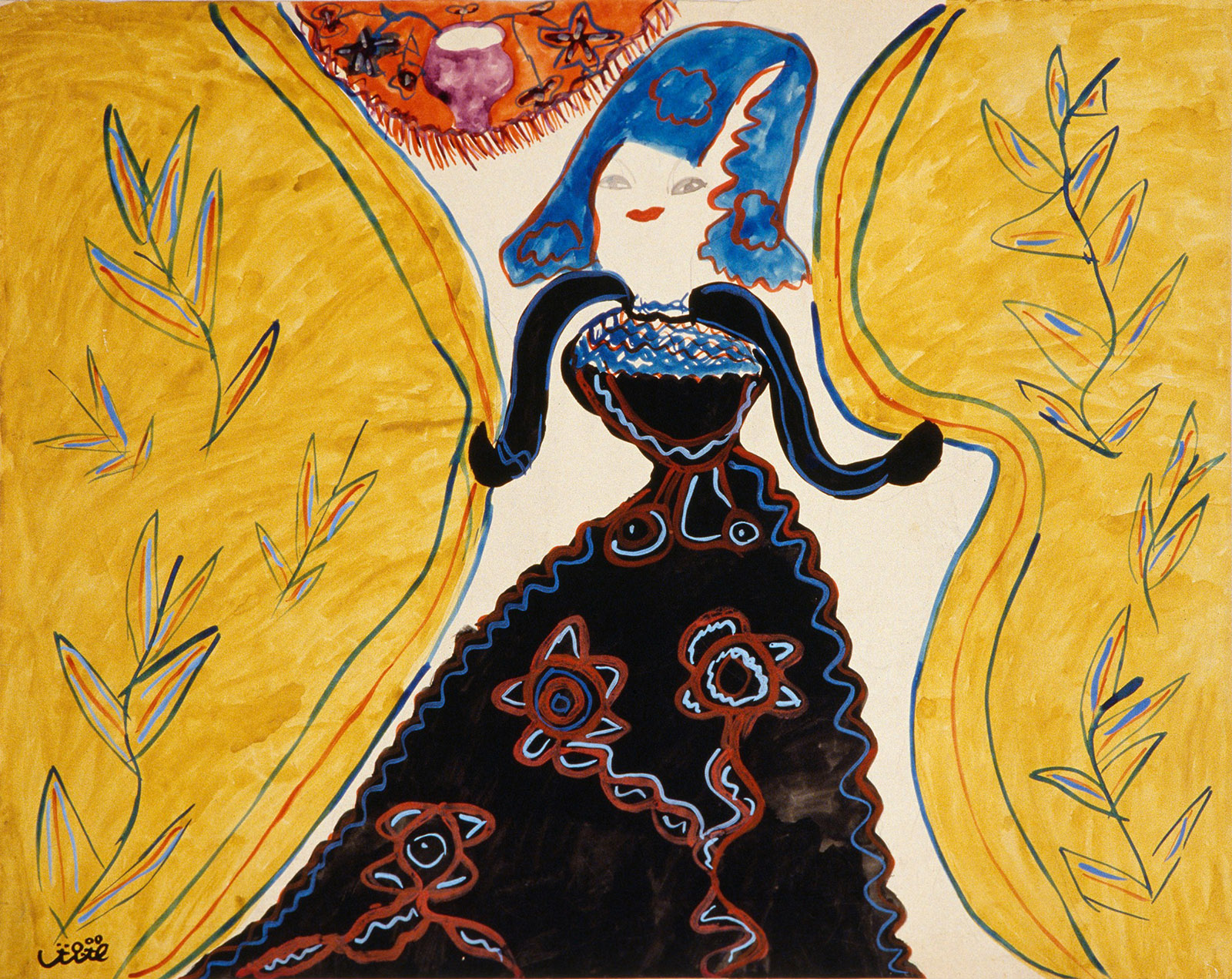
Bachir Mahieddine/Institut du Monde Arabe, ParisBaya: The Yellow Curtains, 1947
An exhibition of the Algerian painter’s work liberates it from the political symbolism of late colonialism.
In November 1947 a fifteen-year-old prodigy from colonial Algeria named Baya, described variously as Kabyle, Berber, Muslim, and Arab, exhibited her gouaches and clay sculptures at the Parisian gallery of the art dealer Aimé Maeght. Yves Chataigneau, the French governor of Algeria, and Si Kaddour Benghabrit, the rector of the Paris Mosque, were the sponsors of the exhibition, and the opening attracted some of the most influential cultural figures of postwar Paris: the writers Albert Camus, François Mauriac, and André Breton; the painters Henri Matisse and Georges Braque; the designer Christian “Bebè” Bérard.
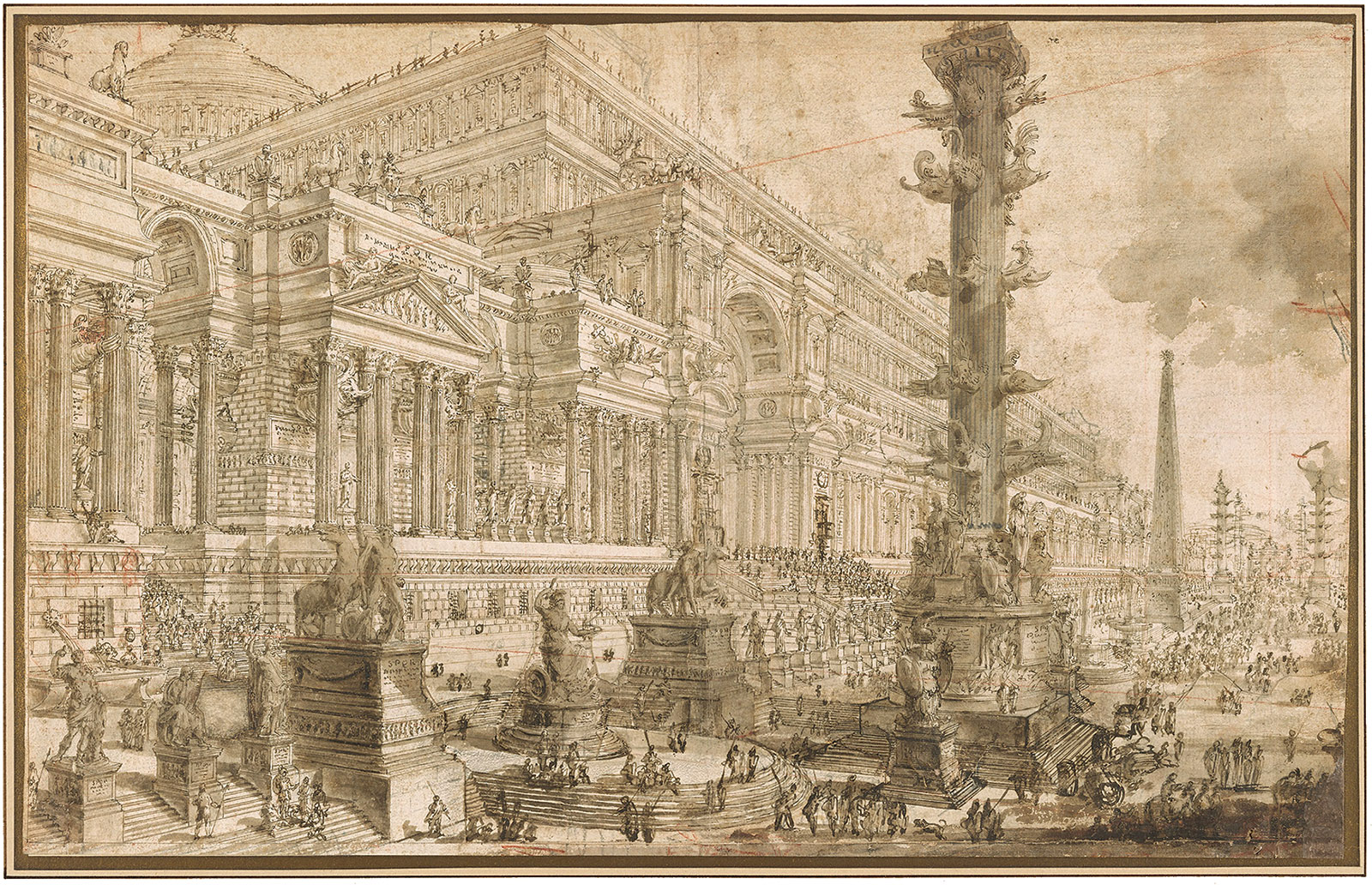
Giovanni Battista Piranesi: Architectural Fantasy with a Colossal Façade, circa 1743–1745; Morgan Library and Museum, New York
For generations, Giovanni Battista Piranesi’s prints of Roman views defined the popular image of the Eternal City. A profusion of new exhibitions and publications shows why he still speaks to us.
Also in the issue: Jacqueline Rose on C. P. Taylor’s final play, Colin B. Bailey on the Impressionists’ decorations, Wendy Doniger on Bengali tales from the mangrove forests, Christopher Benfey on the Black American potters of the nineteenth century, Jed Perl on high-tech high art, poems by Sasha Debevec-McKenney, Mosab Abu Toha, and Cyrus Console, and much more.
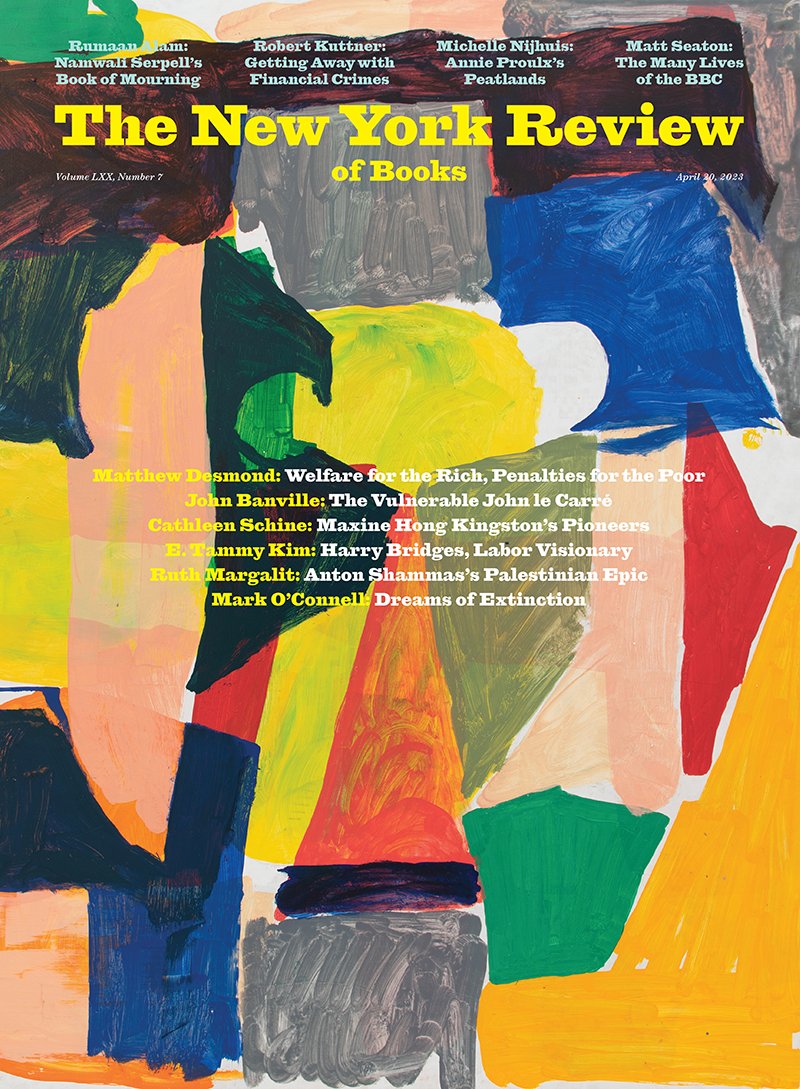
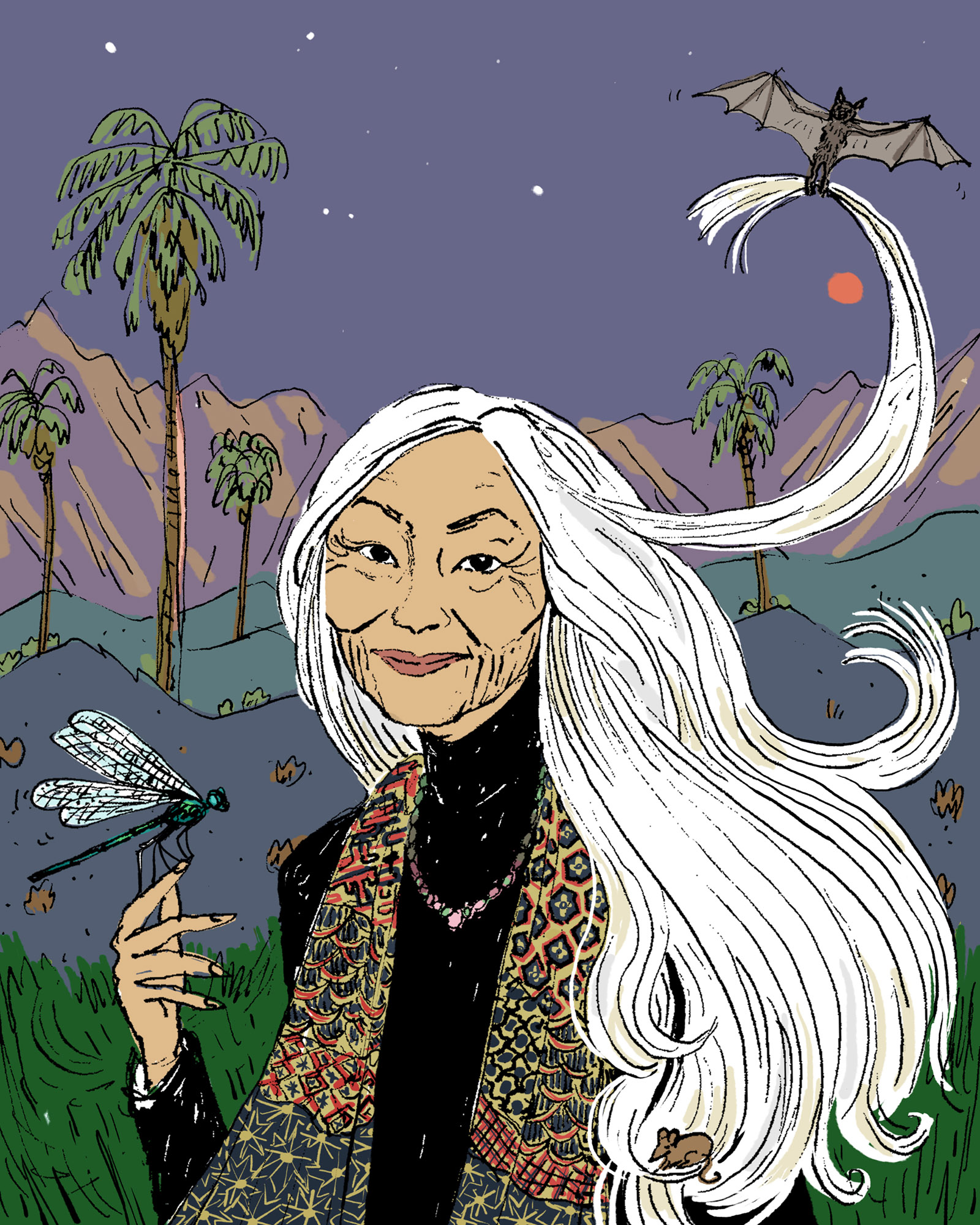
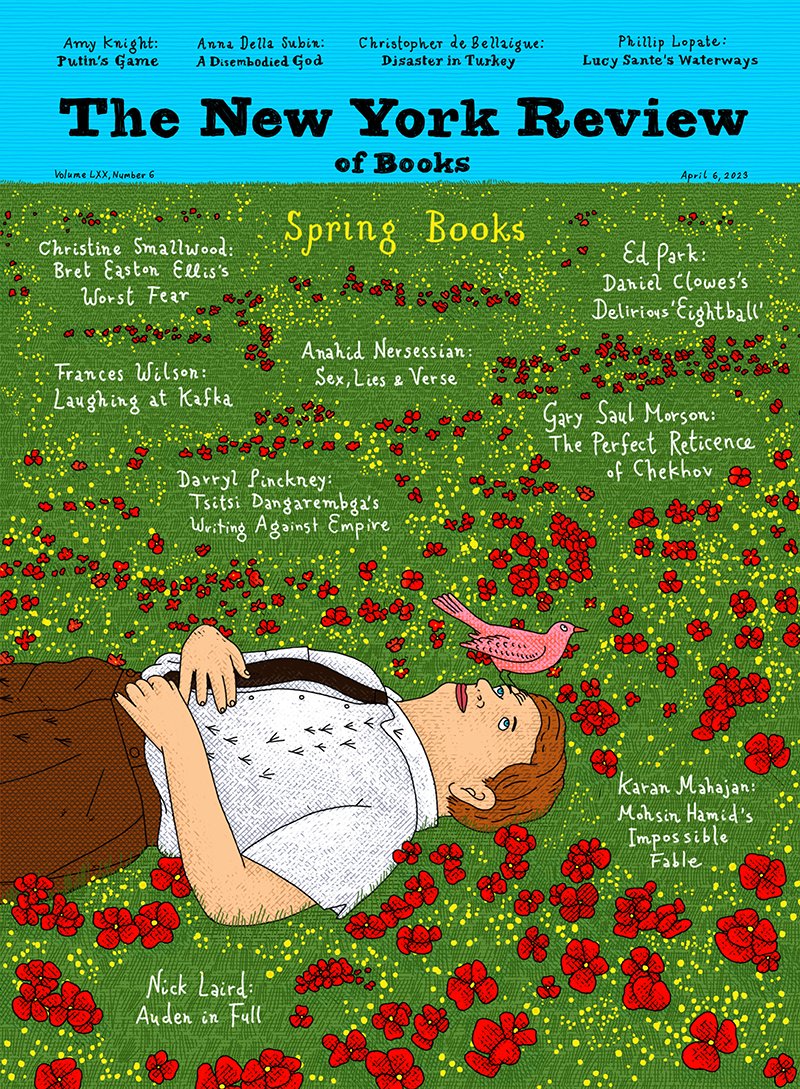
The New York Review of Books – April 20, 2023 issue:The London Book Fair Issue—is online now, with Cathleen Schine on Maxine Hong Kingston’s talking-stories, Jameel Jaffer on the “ethical train wreck” at the Office of Legal Counsel, Rumaan Alam on Namwali Serpell, Geoffrey O’Brien remembers Joe Brainard, Michelle Nijhuis on swamps and bogs, E. Tammy Kim on the legend of Harry Bridges, John Banville on John le Carré, Mark O’Connell on the world without us, Manisha Sinha on antebellum Black citizens, Matthew Desmond on handouts for the rich, poems by Homer and Isabel Galleymore, and much more.
Two recent books show that the concept of ecological restoration is a fuzzy one: even practitioners rarely agree on what is being restored, or to what end.
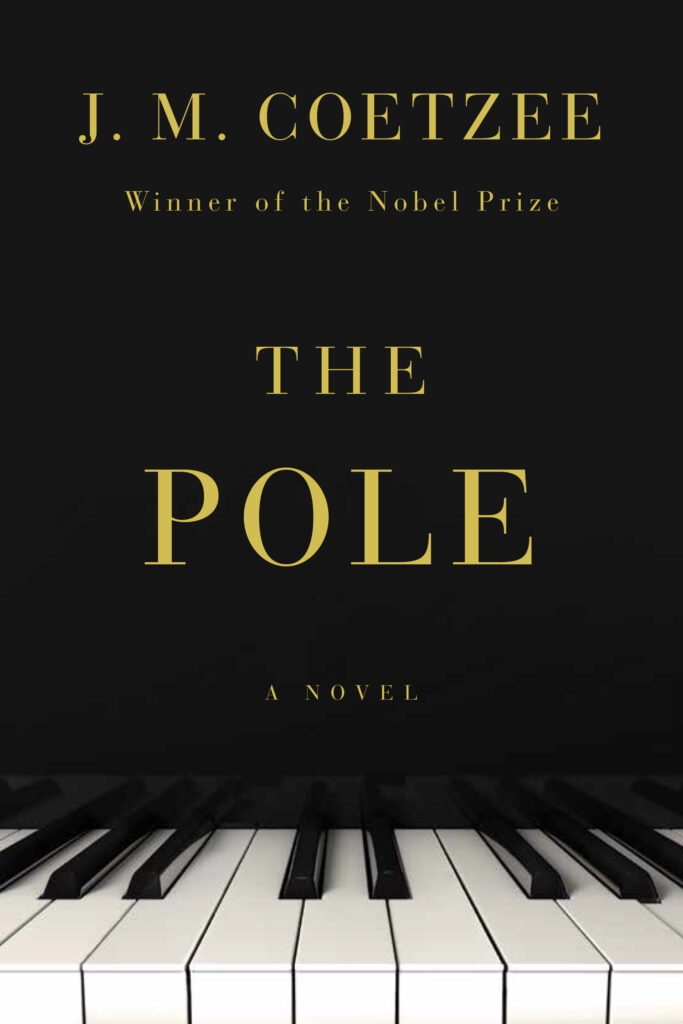
LitHub (March 28, 2023): Literary Hub is very pleased to reveal the cover for Nobel Prize winner J. M. Coetzee’s new novel The Pole, which will be published by Liveright this September. Here’s more about the book from the publisher:
Exacting yet maddeningly unpredictable, J. M. Coetzee’s The Pole tells the story of Wittold Walccyzkiecz, a vigorous, “extravagantly white-haired” Polish pianist who becomes infatuated with Beatriz, a stylish patron of the arts, after she helps organize his Barcelona concert. Although Beatriz, a married woman, is initially unimpressed by Wittold, she soon finds herself pursued and ineluctably swept into the world of the journeyman performer. As he sends her letters, extends countless invitations to travel, and even visits her husband’s summer home in Mallorca, their unlikely relationship blossoms, though, it seems, only on her terms. The power struggle between them intensifies—Is it Beatriz who limits their passion by controlling her emotions? Or is it Wittold, trying to force into life his dream of love?
Love Novel by Ivana Sajko, translated by Mima Simić
Paradais by Fernanda Melchor, translated by Sophie Hughes
Marzahn, Mon Amour by Katja Oskamp, translated by Jo Heinrich
Em by Kim Thúy, translated by Sheila Fischman
The Dublin Literary Award is presented annually for a novel written or translated into English. Books are nominated for the award by invited public libraries in cities throughout the world, making the award unique in its coverage of international fiction.
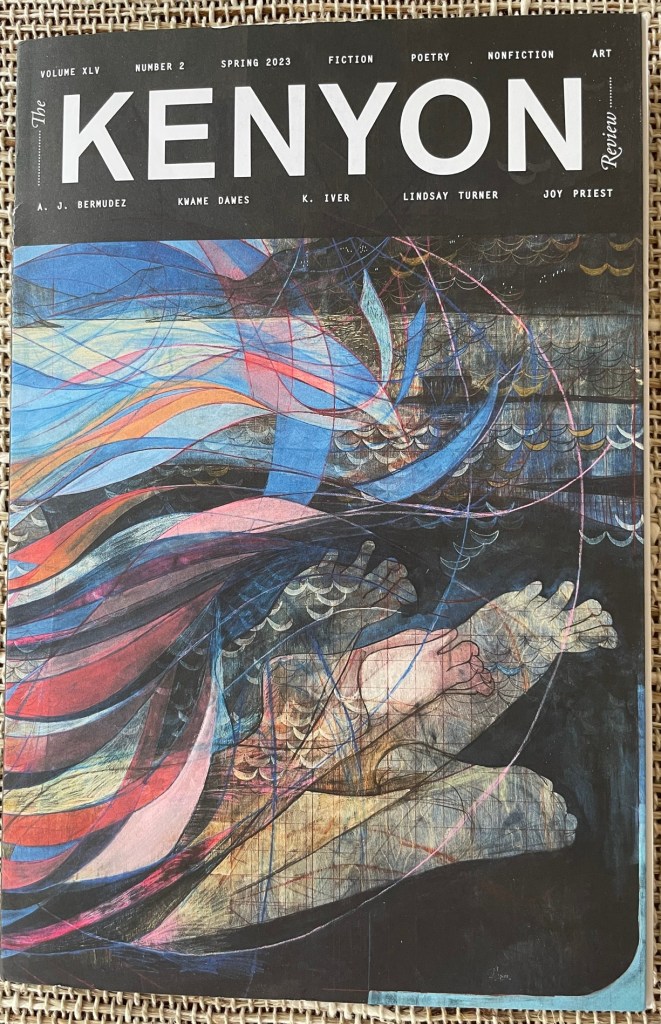
Kenyon Review – Spring 2023 issue includes a folio of literature in translation guest edited by award-winning translators Jennifer Croft, Anton Hur, and Jeremy Tiang. The issue also includes poetry by Kwame Dawes, Timothy Donnelly, K. Iver, and Danusha Lameris; fiction by Sam J. Miller, Michael Tod Powers, J. T. Sutlive, and Lindsay Turner; nonfiction by A. J. Bermudez; and the winner of the 2022 Short Fiction Contest, judged by Karen Russell. The cover art is by Pamela Phatsimo Sunstrum.
“A Field Guide to the Bear-Men of Leningrad” : a rare non-speculative thing from me, about boyhood & masculinity & human monstrosity in 1930s Russi… https://instagr.am/p/CqDkW1jsCI5/
My husband doesn’t enjoy peeling oranges. He doesn’t like the little white webs of pith or the way the juice trickles between his fingers and soaks and stains the skin. He’s not a fan of pips. The citrus-sweet taste he could take or leave. If I had to choose between him and my favourite fruit, I like to think I’d stick with him.
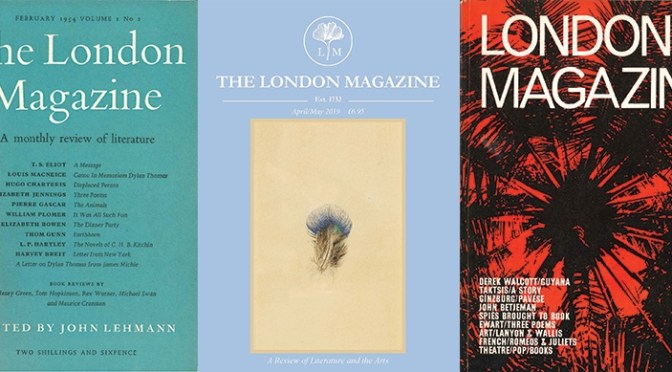
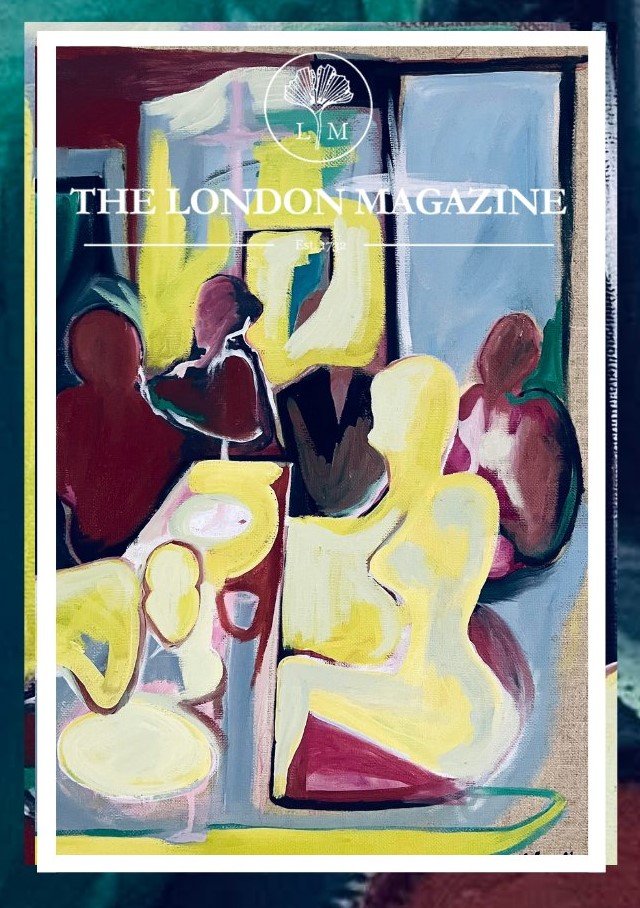
On this episode of The London Magazine Podcast, we speak with Max Wilkinson.Max is a playwright and screenwriter whose award-winning play, Rainer, about a voyeuristic delivery rider riding around London, played at the Arcola Theatre last summer and is being produced for BBC Radio Four’s Afternoon play slot.
When Clare wakes, the car is moving along a wide valley between fields of grazing cattle. She shifts in her seat, her side sweaty where her brother Robbie has been leaning against her. The last thing she remembers is crossing into Austria at a high pass, a young border guard peering in at them through the drizzle. Now the sun is out, and the tarmac is steaming in the heat. At a junction, her father slows down. ‘This is it,’ he says, turning the car. They pass through a village, all whitewashed houses with large overhanging roofs. In the deserted square is a small inn, Der Jäger painted across one wall in beautiful gothic script. Next to the lettering is a twenty-foot-high figure of a hunter in Tyrolean leather trousers and green hat, striding across a mountain side. Clare notices that he has the same jaw as John Travolta in Grease.
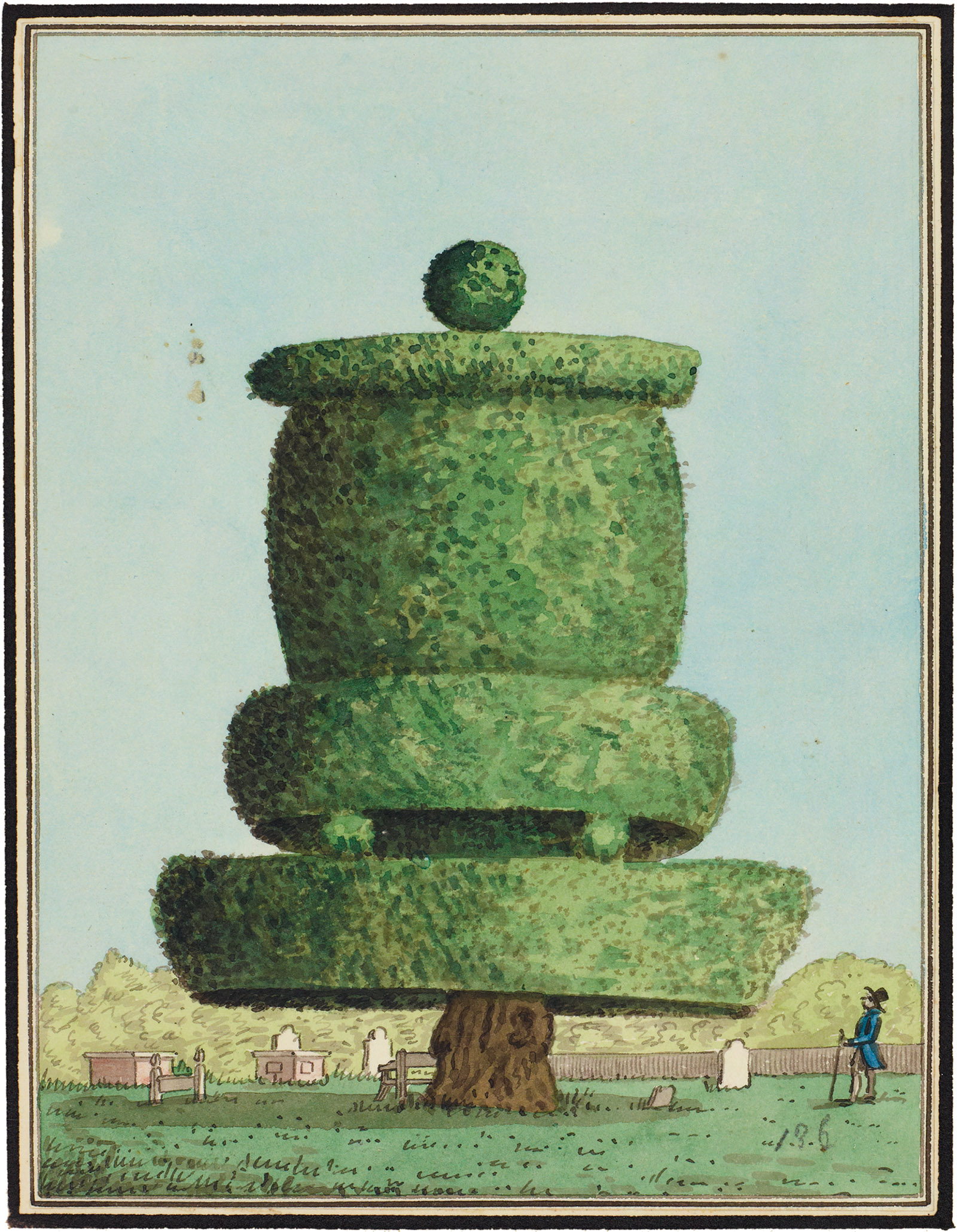
English Garden Eccentrics: Three Hundred Years of Extraordinary Groves, Burrowings, Mountains and Menageries
By Todd Longstaffe-Gowan
In the English garden, eccentricity and variety went hand in hand.
What counts as eccentric in the garden, and what counts as a folly? As a child I used to be taken on Sunday walks to the Needle’s Eye in Wentworth, South Yorkshire, a kind of sharp pyramid of stone some forty-five feet tall and pierced by an arched passage.
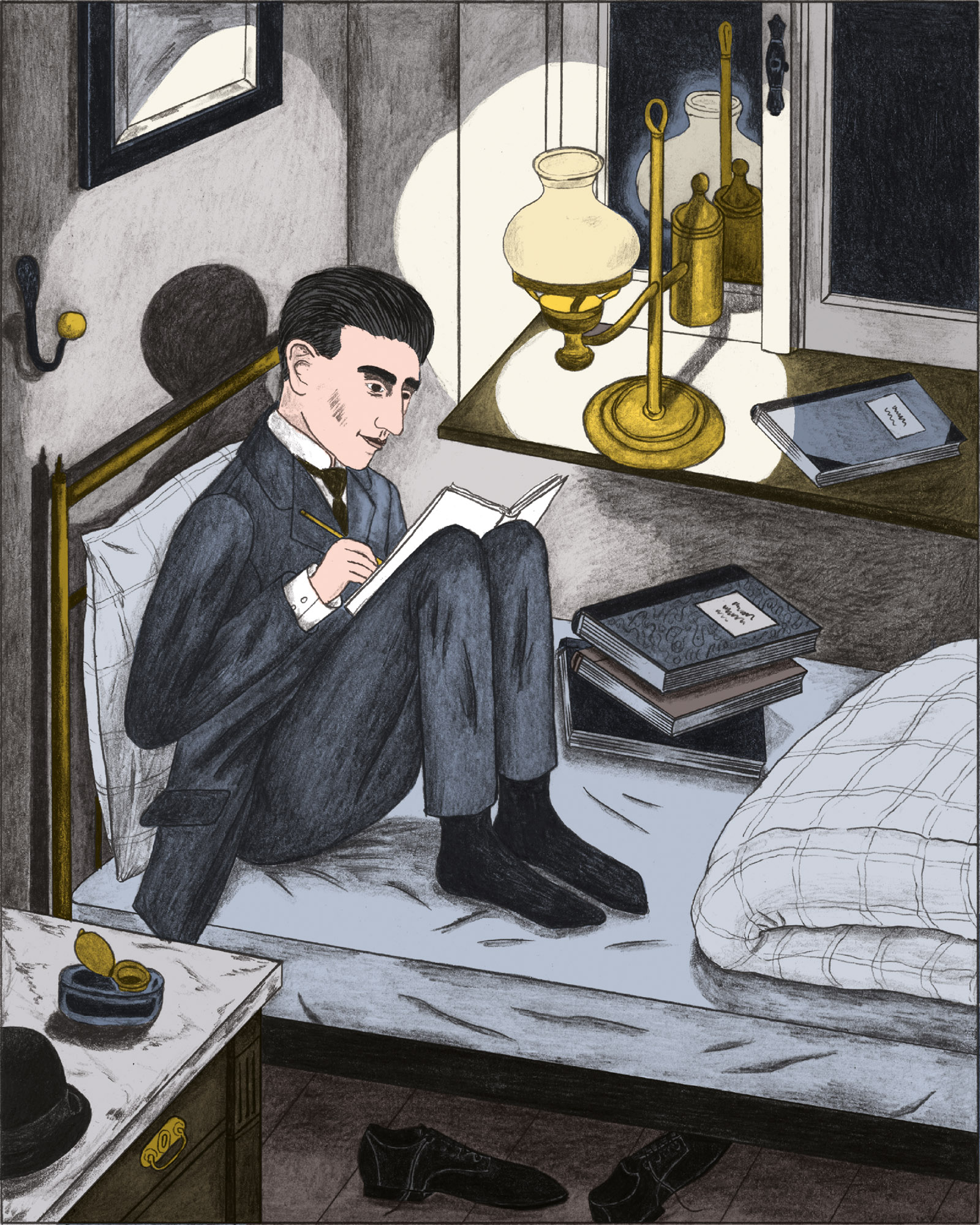
by Franz Kafka, translated from the German by Ross Benjamin
Kafka’s diaries—made up of false starts, stray thoughts, self-doubts, internal dialogues, dreams, doodles, aphorisms, drafts of stories, character sketches, and scenes from family life—are often very funny.
March 1946. Albert Camus has just spent two weeks at sea on the SS Oregon, a cargo ship transporting passengers from Le Havre to New York City. He’s made several friends during this transatlantic passage.
In his poem “After Avery R. Young,” the Pulitzer Prize–winning poet Jericho Brown writes, “The blk mind / Is a continuous mind.” These lines emerge for me as a guiding principle—as a mantra, even—when I consider the work of Black poetry in America, which insists upon the centrality of Black lives to the human story, and offers the terms of memory, music, conscience, and imagination that serve to counteract the many erasures and distortions riddling the prevailing narrative of Black life in this country.
As I was going to enter college that fall my parents felt that I should build myself up at a summer camp of some sort. They sent me down to a place in the Ozarks on a beautiful lake. It was called a camp but it was not just for boys. It was for both sexes and all ages. It was a rustic, comfortable place. But I was disappointed to find that most of the young people went to another camp several miles down the lake toward the dam. I spent a great deal of time by myself that summer, which is hardly good for a boy of seventeen.
News, Views and Reviews For The Intellectually Curious













 Intellicurious