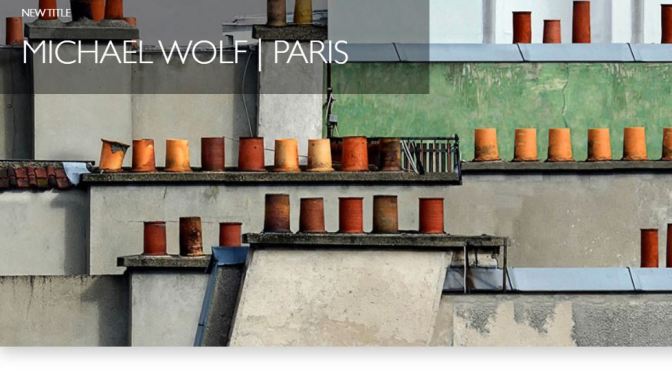
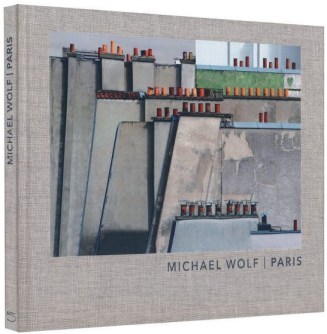
MICHAEL WOLF | PARIS
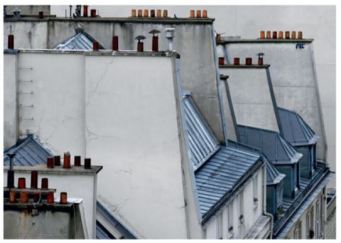 Michael Wolf achieved fame when he won the 2005 World Press Photo with his China, Factory of the World project, and the 2010 World Press Photo with his Tokyo Compression. The present book offers his personal take on the French capital. Singling out typical architectural features of the Parisian landscape he renders the seemingly banal immortal, as only he knows how.
Roofs, chimneys, and lights provide the pictures with rhythm, with their colours, shapes, and above all their volumes. Wolf invites the reader to enter his highly distinctive visual world and let his gaze follow the snaking lines of walls and gutters, dwelling on unexpected details lovingly picked out. The photographer’s underlying desire is to encourage us to consider the environmental and architectural context that provides a framework for all these rigorously rectangular features.
 This dreamlike journey into a Paris viewed from the rooftops is underlined in the second part of the book. The shadows of trees decorate the façades of various buildings, creating a visual poetry and prompting an intimate dialogue where, in the absence of all human presence, nature and architecture blend into one another.
Michael Wolf (1954-2019) lived in Europe, America, and Asia, spending his last years in Hong Kong. A German photographer specialized in urban shots, he graduated in photography from the Folkwang University of the Arts in Essen, where he studied under Otto Steinert. Among his most noteworthy projects are the “beehive” skyscrapers in Hong Kong. The focus of his research is city life, especially in overpopulated contemporary metropolises, and their inhabitants’ loss of individuality. Wolf’s work has been displayed in a variety of locations, including the Venice Biennale of Architecture, the Aperture Foundation Gallery in New York, the Hong Kong Shenzhen Biennale, and the Museum of Contemporary Photography in Chicago. His works are also present in many permanent collections, including those of the Metropolitan Museum of Art in New York, the Museum of Contemporary Photography in Chicago, and the German Architecture Museum in Frankfurt.
Johan-Frederik Hel Guedj, a French writer, has published two novels (Le traitement des cendres, L’amour grave), a collection of short stories (De mon vivant), an account of polar exploration (Chercheurs d’éternité), and an essay on Orson Welles (La règle du faux). He lives in Brussels and writes on contemporary art in the daily newspaper L’Echo/De Tijd.
 Hailed as “a towering figure in the world of experimental theater” by the New York Times Waco, Texas-born Robert Wilson has created singular works in the realms of opera, performance, video art, glass, architecture, and furniture design since 1963. Prolific yet exacting in his approach to staging, light, and direction, Wilson has been honored with numerous awards for excellence including a Pulitzer Prize nomination, the Golden Lion of the Venice Biennale, and an Olivier Award. He is also the founding director of The Watermill Center, a laboratory for the arts and humanities in Water Mill, New York.

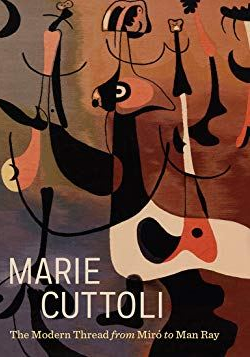 and Paris and collected work by artists such as Pablo Picasso, Joan Miró, and Georges Braque.
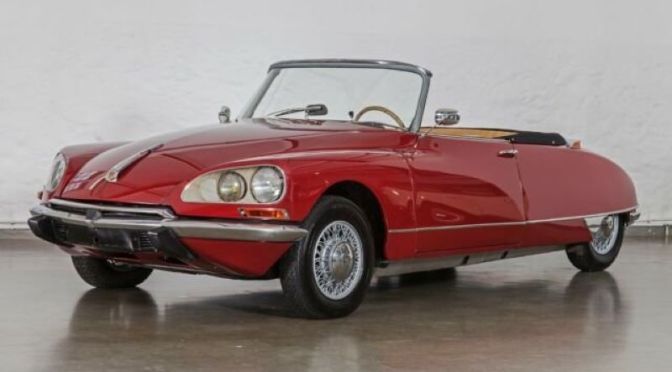
 The Citroën DS is a front-engine, front-wheel-drive executive car that was manufactured and marketed by the French company Citroën from 1955 to 1975 in sedan, wagon/estate and convertible body configurations across three series/generations.
 the hydropneumatic self-levelling suspension. Citroën sold 1,455,746 examples, including 1,330,755 manufactured at the manufacturer’s Paris Quai André-Citroën production plant.
 Located in Bordeaux’s former submarine base, the BASSINS DE LUMIÈRES will present monumental immersive digital exhibitions devoted to the major artists in the history of art and contemporary art. The submarine base’s surface area is three times the size of that of the Carrières de Lumières in Les Baux-de-Provence and five times that of the Atelier des Lumières in Paris.





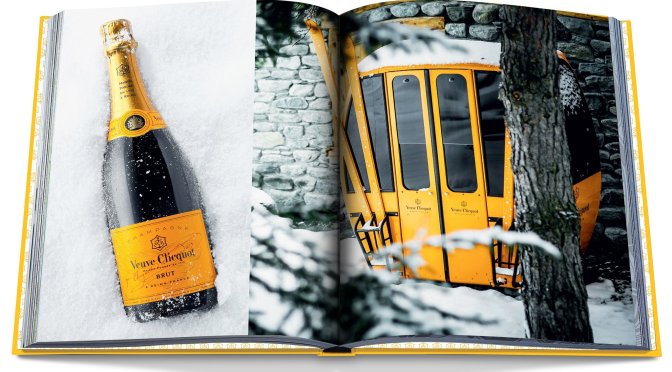
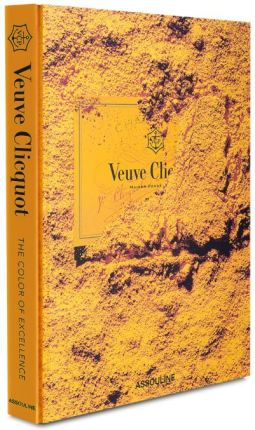 When Madame Clicquot, who had become the veuve (widow) Clicquot Ponsardin, inherited the house in 1805, she followed the motto “Only one quality, the finest” and created the first vintage and the riddling rack, two major innovations for champagne production. Centuries later, the brand behind the characteristic yellow label continues to make history, going beyond champagne to represent a complete lifestyle.
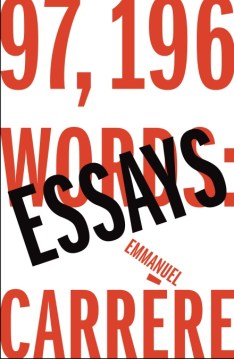 At the trial, experts analyzed and propounded, and he himself spoke lucidly and in apparent control. Yet Carrère, on hand to cover the proceedings for Le Nouvel Observateur, remarks that those in the courtroom “have had ample time to wonder, from the height of our clinical ignorance and flying in the face of four psychiatric experts, if he really belonged in a criminal court, and if what you felt on your nape wasn’t the cold wind of psychosis.” He ends his two-part article this way: “Behind his glass enclosure, Romand listens expressionless. No one knows what he’s thinking, not even him.”
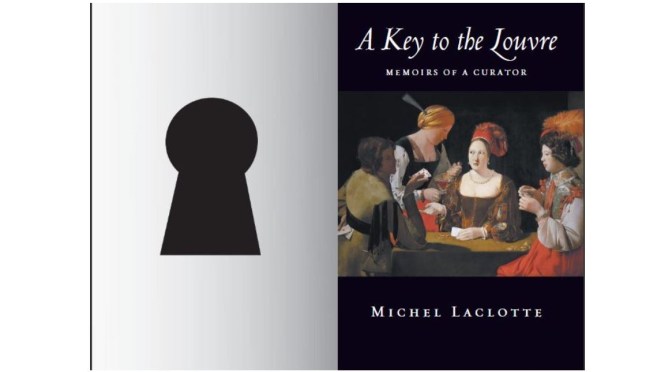
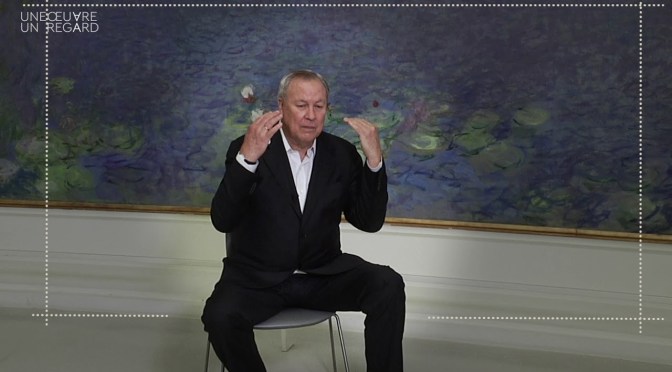
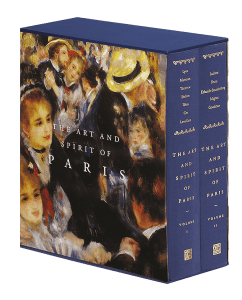 “…I am almost more interested in the paintings I didn’t get! I wish I could do a small photo exhibition of all the works that we failed to get. Of the early titans, we have two important ones, Giotto and Cimabue, but we don’t have Duccio, the third master of the birth of painting in Europe, if I may say. There was one in the Stoclet collection in Brussels, that we were following through dealer friends, but finally it was purchased by the Met. Also Velázquez, our biggest weakness!”