The Toulousain Charles Dantzig wrote, ‘I find the Marseillais tiresome, especially those who, as soon as you speak to them, start to bang on about the uniqueness of being Marseillais, adding with a particular sort of whining machismo that no one likes them and everyone defames them. Their humour is nothing more than pitiable braggadocio.’ Régis Jauffret, who grew up there, is pithier: ‘Marseille is a tragic city. It formed my imagination.’ (It’s an imagination of peerless bleakness.)
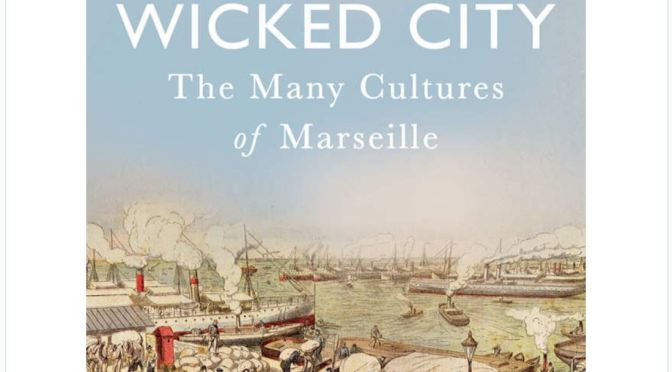
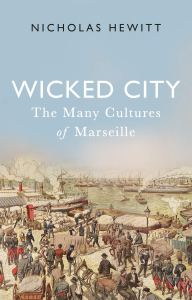
Nicholas Hewitt died in March, less than a month after completing the text of Wicked City. It’s a fine monument to his curiosity, compendious knowledge, resourcefulness and measured enthusiasm. He calls it ‘a series of snapshots’, which is perhaps too modest. If they are snapshots, they have been photoshopped and retouched to accord with his vision of the city and its well-rehearsed mythology of outsiderdom and exceptionalism, edginess and banditry. And his aspiration to explore Marseille’s hold on the ‘nation’s imagination’ is also too modest. The ‘international imagination’ would be more apt.
Between the Franco-Prussian War and WWI, France in the 1900s was a gilded moment of peace and prosperity. Critically acclaimed authors Sabine Arqué and Marc Walter curate this XXL collection of some 800 vintage photographs, postcards, posters, and photochromes. From the grand Paris World’s Fair to the honey light of the Côte d’Azur, it’s a glimpse into an era of rose-tinted optimism.
“There’s really an Italian movement that has exploded over the last three years,” Mr. Imbroisi said.
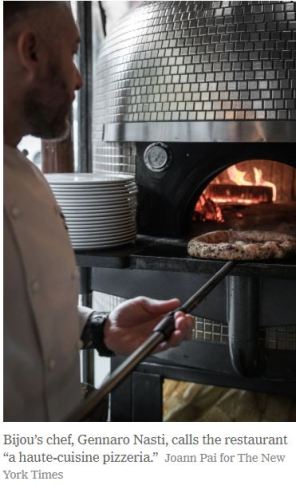
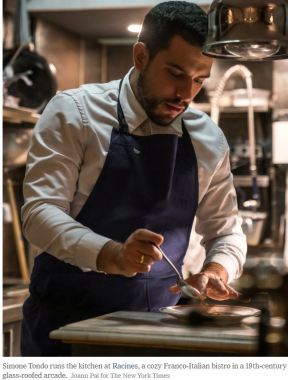
Thanks to that explosion, Paris might now be the best city outside of Italy for Italian eating and drinking. With a few Metro tickets, you can journey from Venetian aperitivo culture (Hostaria Urbana), then south to Sicilian home cooking (Pane e Olio), disembarking occasionally at cozy wine bars (Tappo), massive indoor food halls (La Felicità) and new Italian restaurants from French celebrity chefs (for example, Piero TT, by Pierre Gagnaire). In April, the Right Bank welcomed an outlet of Eataly with a glittery gala, and the Left Bank should soon see a luxury hotel from the Italian JK brand. The marquee attraction will be a restaurant by Miky Grendene, the Italian creator of the exclusive Casa Tua members’ club in Miami.
From experimental aperitivo bars to pizza labs to Michelin-starred bistros, cool Italian establishments are filling the French capital, and Parisians are flocking to them.
A key writer of the late 19th century, Joris-Karl Huysmans (1848-1907) was an art critic who is still little known or little understood by the general public. However, his contribution to the artistic press and the aesthetic debate was as decisive as the impact of his novel Against Nature.
More passionate about Hals and Rembrandt until his discovery of Degas in 1876-1879, Huysmans admitted that this was a defining moment. And yet, his art criticism immediately accepted the possibility of a double modernity. The modernity of the painters of modern life and that of the explorers of dreams were not mutually exclusive. Here, Manet coexists with Rops and Redon. The desire Huysmans showed very early on to escape from the logic of church doctrine no doubt blurred the perception of his aesthetic choices.
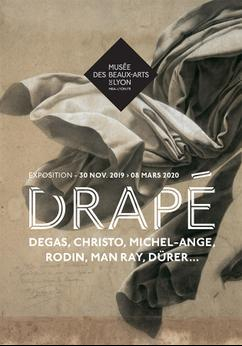
How is a drapery put in place? For what reasons does this motive persist until today? How to explain its power of fascination? These are the questions that this exhibition intends to pose, in order to enter the “factory” of the drapery and to get closer to the artistic gesture. By showing the stages of making a drapery, the visitor will discover the singular practices of artists from the Renaissance to the second half of the 20th century.
November 30, 2019 – March 8, 2020, Museum of Fine Arts of Lyon
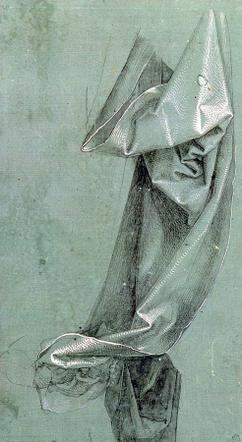
Albrecht Dürer, Drapery Study, 1508, Brush and Indian Ink, heightened white on dark green paper
The Musée des Beaux-Arts in Lyon retains an exceptional drawing by Albrecht Dürer studying a piece of drapery. This meticulous study reveals how the flexibility of a fabric lends itself to an infinity of folds, underlined by shadows and lights.
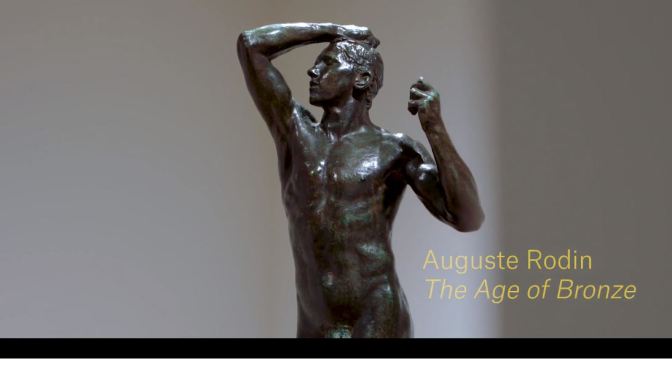
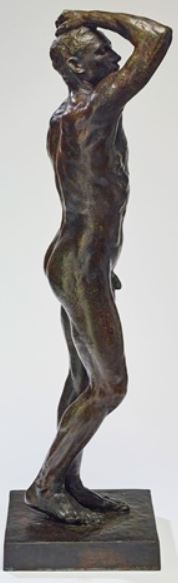
Rodin first exhibited a bronze and a plaster version of The Age of Bronze at the Cercle Artistique in Brussels in January 1877. A few months later, he exhibited the plaster at the Paris Salon, where it caused a scandal. ‘The vitality and naturalism of the sculpture was so extreme, the sense of modelling so observed, that he was accused of having cast the sculpture from the model himself,’ says the specialist.
Tudor Davies, Head of Impressionist & Modern Art in Paris, reveals why Rodin’s Salon ‘scandal’ marked a pivotal turning point in the artist’s career.
The Age of Bronze was originally conceived in 1877, and is widely considered Rodin’s first great work, ranking alongside his later masterpieces, including LaPorte de l’Enfer, Le Penseur and Le Baiser. Its conception marked a decisive turning point in the sculptor’s career.
Director of Photography – Christophe Collette
Underwater DoP – Vincent Kardasik
Executive producer – Blaise Izard
Line Producer – Manu Henoque
Editor Andreas – Arvidsson
Composer – Gustav Karlström
Sound design – Anton Ahlberg
Colorist – Nicke Jacobsson
Production co – badassfilms.tv
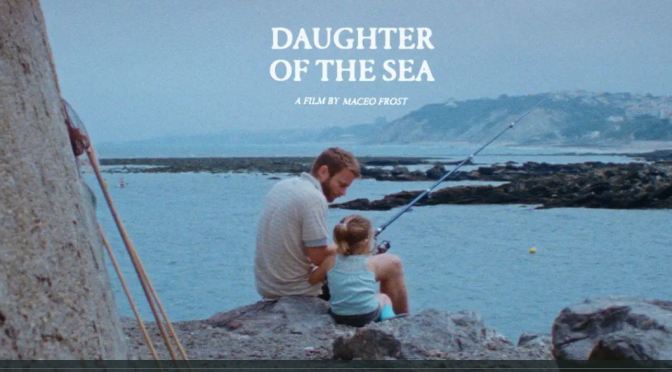
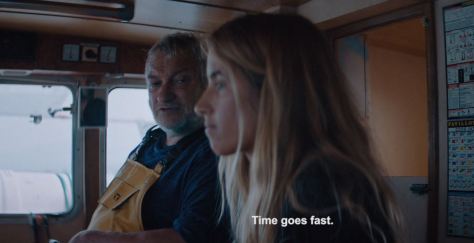
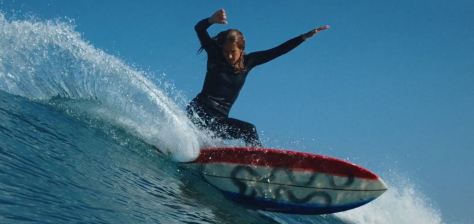
“Daughter of the Sea” is a short film exploring a fishermans relationship with his daughter and the sea. Shot in the French town St Jean de Luz.
Words by: Antoine Leiris
Cinematographer: Zack Spiger
Production Co.: Gang Films
Music Score: AWVFTS
Filmed at: Chateaux Fontainebleau
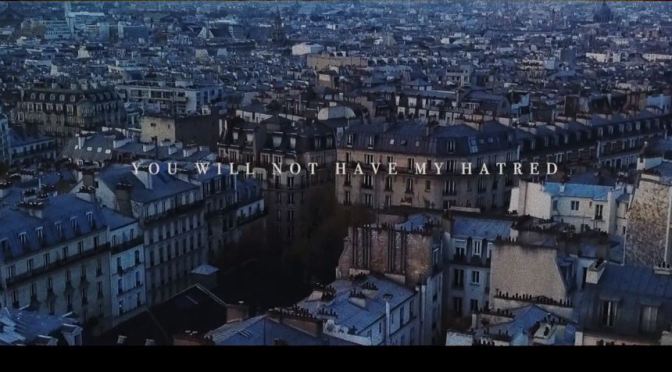
“I vividly remember the morning I read these powerful words for the first time. It was a cold November afternoon and a friend of mine had shared it on Instagram. As I was reading, I glanced over at my son playing in the living room – he was 17 months old, and I started coming undone. My wife looked over at me and I couldn’t speak, I just handed her the phone, and she also just came undone. These words had stuck with me for 4 years and they haven’t let go of me. How can a man, who had suffered so much, have a such a spirit of resilience and grace? Thank you Antoine Leiris for seeing the world unlike how most people see it – for showing a way that flows in the opposite direction of hate, and retaliation. Its words like yours that change the world. This film is a contemplative meditation on those words, be patient with it.”
This week our correspondent joined Emmanuel Macron on his visit to China. The French president is stretching his diplomatic wings, and has some striking views about Europe’s place in the world. The state of Texas has been reliably Republican for decades, but its demographics are changing; could it at last turn blue? And how Japan is dealing with its epidemic of public-transport groping.
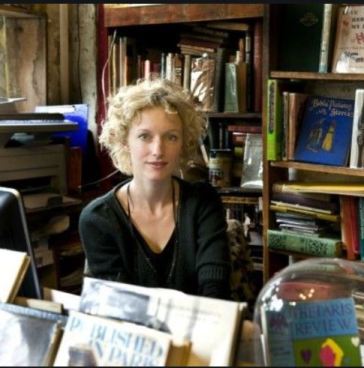
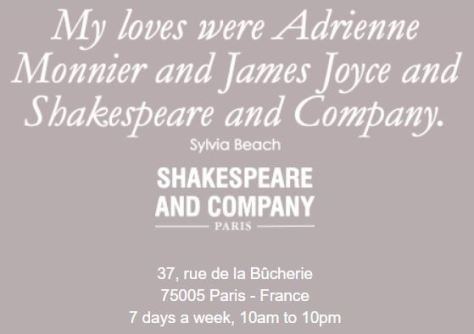
One hundred years ago this month, you opened the shutters of a small bookshop on rue Dupuytren. Its name was Shakespeare and Company. I often wonder if, on that first morning, you could ever have imagined how important your story would be.
You were only 32 but had already lived quite a life. Soulful and fearless, witty and energetic, you’d been active in the women’s suffrage movement, studied French poetry in Paris, and served with the Red Cross in Serbia during the First World War. You had also met Adrienne Monnier, one of the first women in France to found her own bookshop. Adrienne would be your companion for decades to come.
Your bookshop—first on rue Dupuytren, then around the corner on rue de l’Odéon—became a sanctuary for Anglophone and Francophone writers. T.S. Eliot, Gertrude Stein, Ezra Pound, James Joyce, Ernest Hemingway, Djuna Barnes, and F. Scott Fitzgerald, as well as André Gide, Paul Valéry, and Louis Aragon, among many others, all bought and borrowed books from you, and attended readings and parties at Shakespeare and Company. As André Chamson wrote about you: “Sylvia Beach carried pollen like a bee. She cross-fertilised these writers. She did more to link England, the United States, Ireland, and France than four great ambassadors combined.” I think of this whenever I ponder the role booksellers and bookshops can play during this age of political and ecological turbulence. When James Joyce couldn’t find anyone to publish Ulysses—his modernist masterpiece that had been condemned for obscenity—you stepped up. Even when you closed your bookshop in 1941, it was not an act of defeat but of defiance—you would rather see your life’s work shuttered forever than sell Finnegans Wake to a high-ranking Nazi officer.
Sylvia Whitman
When my father, George Whitman, opened this bookshop in 1951, you were not just a regular visitor but an inspiration. You had shown how a true bookseller must also be prepared to be a librarian, a publisher, a PO box, a banker, a hotelier, and—most importantly—a friend to writers and readers. For your belief that a love of reading is more important than the quest for profit, you have been called the patron saint of independent bookstores. We’re sure that your extraordinary memoir and your beautiful letters continue to embolden booksellers the world over, just as they embolden us. Particularly during hard times, your story stands like a beacon when we need direction, comfort, or inspiration.
Thank you, Sylvia, for everything you did and everything you stood for.

 The Toulousain Charles Dantzig wrote, ‘I find the Marseillais tiresome, especially those who, as soon as you speak to them, start to bang on about the uniqueness of being Marseillais, adding with a particular sort of whining machismo that no one likes them and everyone defames them. Their humour is nothing more than pitiable braggadocio.’ Régis Jauffret, who grew up there, is pithier: ‘Marseille is a tragic city. It formed my imagination.’ (It’s an imagination of peerless bleakness.)
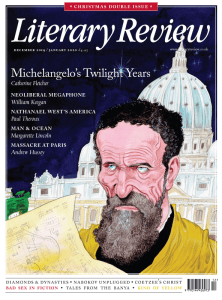 Nicholas Hewitt died in March, less than a month after completing the text of Wicked City. It’s a fine monument to his curiosity, compendious knowledge, resourcefulness and measured enthusiasm. He calls it ‘a series of snapshots’, which is perhaps too modest. If they are snapshots, they have been photoshopped and retouched to accord with his vision of the city and its well-rehearsed mythology of outsiderdom and exceptionalism, edginess and banditry. And his aspiration to explore Marseille’s hold on the ‘nation’s imagination’ is also too modest. The ‘international imagination’ would be more apt.

 Between the Franco-Prussian War and WWI, France in the 1900s was a gilded moment of peace and prosperity. Critically acclaimed authors Sabine Arqué and Marc Walter curate this XXL collection of some 800 vintage photographs, postcards, posters, and photochromes. From the grand Paris World’s Fair to the honey light of the Côte d’Azur, it’s a glimpse into an era of rose-tinted optimism.
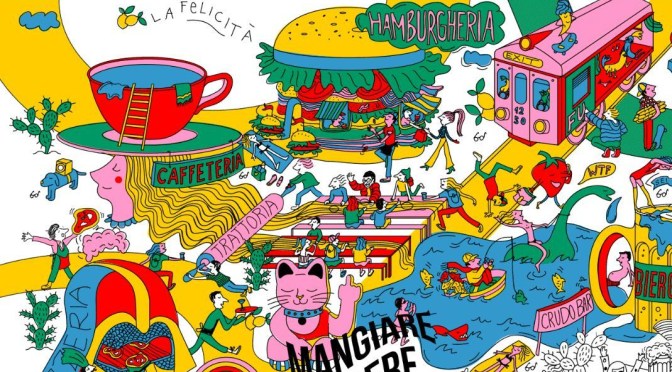
 “There’s really an Italian movement that has exploded over the last three years,” Mr. Imbroisi said.
 In April, the Right Bank welcomed an outlet of
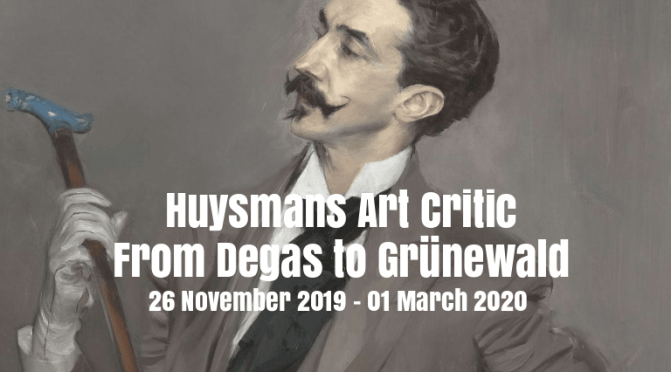
 A key writer of the late 19th century, Joris-Karl Huysmans (1848-1907) was an art critic who is still little known or little understood by the general public. However, his contribution to the artistic press and the aesthetic debate was as decisive as the impact of his novel
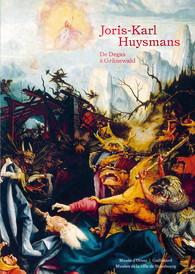 More passionate about Hals and Rembrandt until his discovery of Degas in 1876-1879, Huysmans admitted that this was a defining moment. And yet, his art criticism immediately accepted the possibility of a double modernity. The modernity of the painters of modern life and that of the explorers of dreams were not mutually exclusive. Here, Manet coexists with Rops and Redon. The desire Huysmans showed very early on to escape from the logic of church doctrine no doubt blurred the perception of his aesthetic choices.
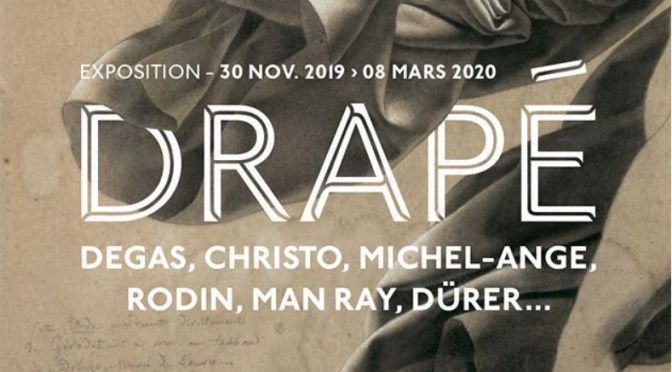
 How is a drapery put in place? For what reasons does this motive persist until today? How to explain its power of fascination? These are the questions that this exhibition intends to pose, in order to enter the “factory” of the drapery and to get closer to the artistic gesture. By showing the stages of making a drapery, the visitor will discover the singular practices of artists from the Renaissance to the second half of the 20th century.
 Albrecht Dürer, Drapery Study, 1508, Brush and Indian Ink, heightened white on dark green paper
 Rodin first exhibited a bronze and a plaster version of


 This week our correspondent joined Emmanuel Macron on his visit to China. The French president is stretching his diplomatic wings, and has some striking views about Europe’s place in the world. The state of Texas has been reliably Republican for decades, but its demographics are changing; could it at last turn blue? And how Japan is dealing with its epidemic of public-transport groping.
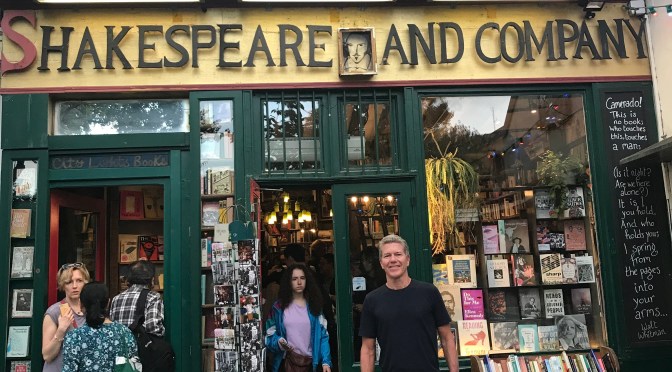
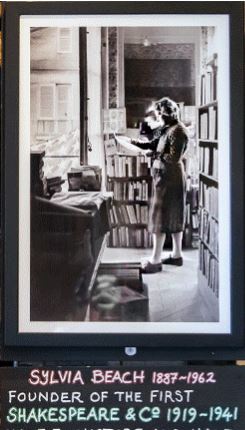 One hundred years ago this month, you opened the shutters of a small bookshop on rue Dupuytren. Its name was Shakespeare and Company. I often wonder if, on that first morning, you could ever have imagined how important your story would be.