The Globalist (April 24, 2024): As Nato’s secretary general, Jens Stoltenberg, and the UK prime minister, Rishi Sunak, visit Warsaw, we examine the role that Poland plays in the diplomatic field.
Then: Donald Trump’s criminal trial; Taiwan wants to remove statues of Chinese dictator Chiang Kai-shek; and an exploration of the future of ticket resale with the managing director of Viagogo. Plus: aviation news and a lost Klimt painting is auctioned.
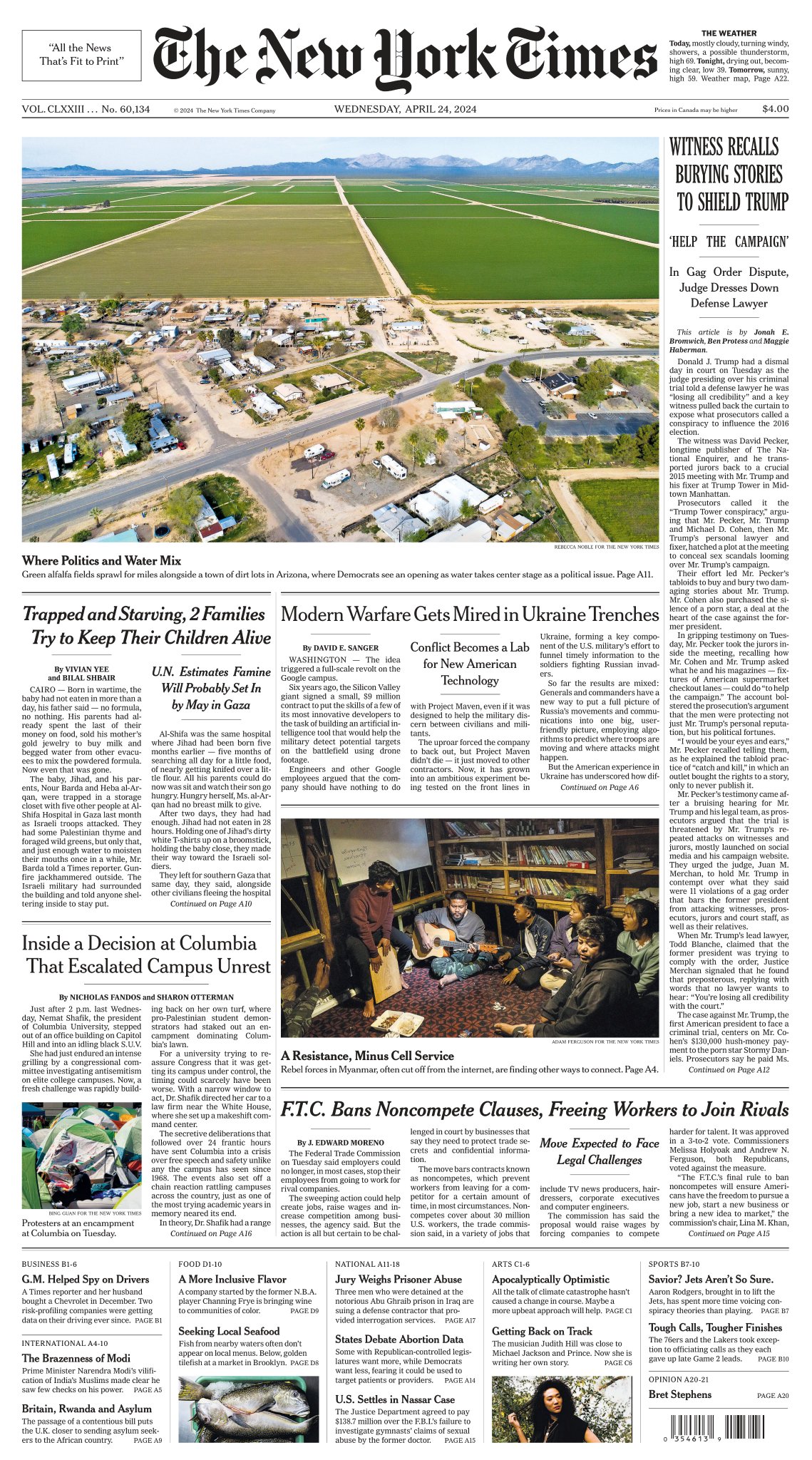
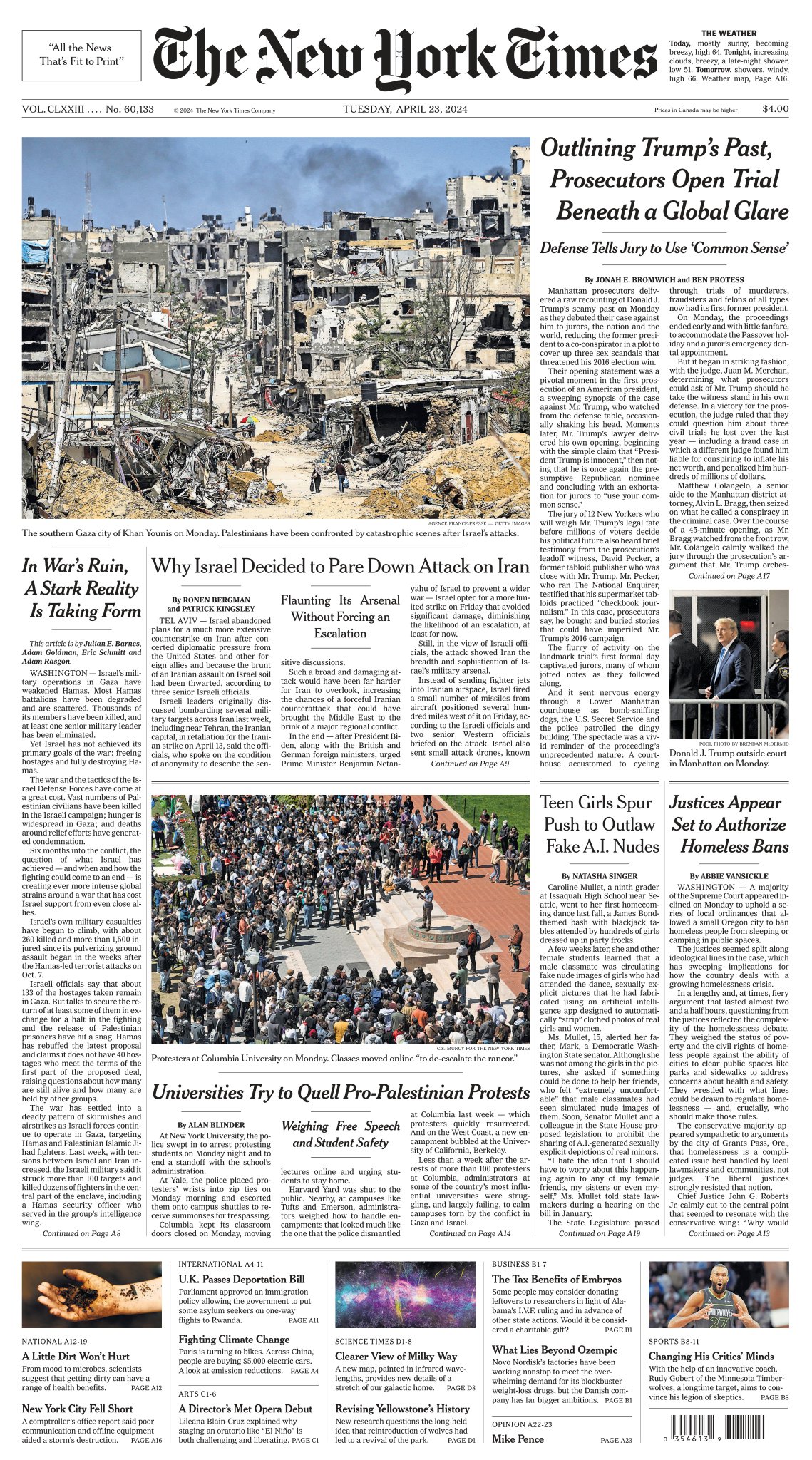
The United Nations says famine is likely to set in by May. For those living under Israel’s attacks and a crippling blockade, every day is a race against time.
Project Maven was meant to revolutionize modern warfare. But the conflict in Ukraine has underscored how difficult it is to get 21st-century data into 19th-century trenches.
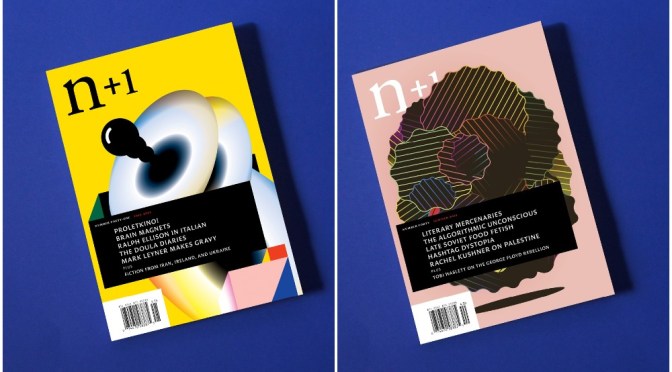
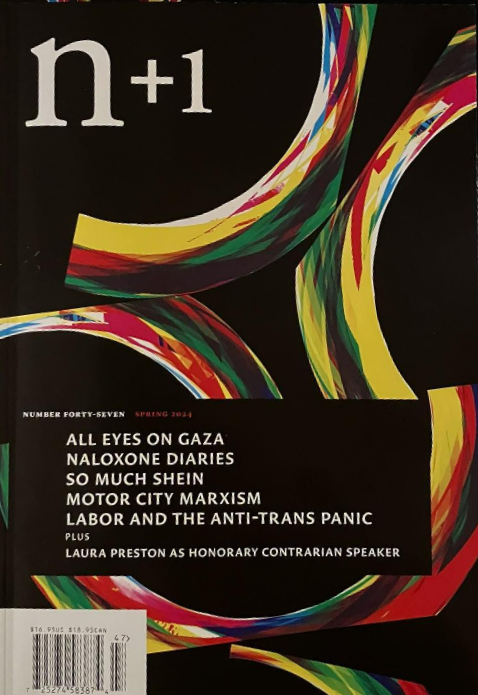
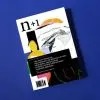
@nplusonemag (April 23, 2024): The latest issue features ‘Passage’ – Fast fashion nation. Six months of genocide in Gaza. Human_Fallback_2: 2 Human 2 Fallback. Martin Amis, re-reassessed. Border stories by Nicholas Hamburger and Paul Soto.
Who Sees Gaza?
A genocide in images
OCTOBER 7 MARKED the beginning of a new economy of war imagery. At first there was a video of a bulldozer plowing through the border fence between Israel and Gaza—an astonishing image, captured in a familiar way. Then things turned horribly surreal. The events of that day were beamed to the world in real time via body-cam, dashcam, cell phone, drone. A Hamas fighter wearing a GoPro stalked the highway with his automatic rifle jutting up from the bottom of the frame, first-person-shooter style. A dashboard camera showed a car zooming forward as a bullet pierced its windshield and the car began to drift, veering left, until it crashed into the rear end of a parked Toyota; you knew exactly when the person behind the wheel could no longer drive, was probably dead.
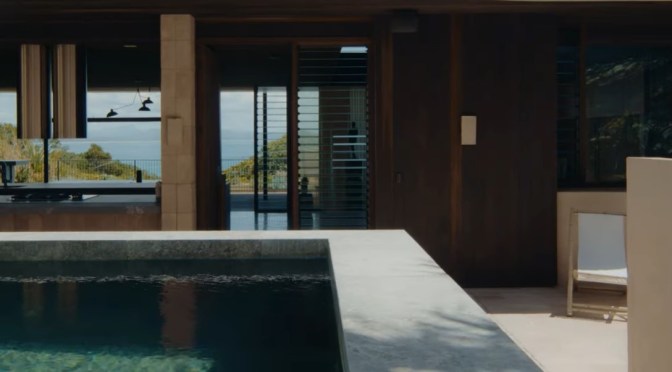
The Local Project (April 23, 2024): Deeply connected to place, Brahminy House by Harley Graham Architects is located in Wategos Beach, Byron Bay, Australia. Tucked back into the land, the beachside house creates a feeling of connectedness to its surrounds while also offering the owners a home filled with tranquility.
Video timeline:00:00 – Introduction to the Waterfront House 01:05 – Designing with Intention 01:21 – A Walkthrough of the House 02:53 – Framing the Landscape 03:21 – A Robust and Sturdy Material Palette 04:30 – Proud Moments
Looking at the external form, the architect thought of creating a house as a sculpture within the landscape and wanted to be sure that every curve, material and element was intentional. Following the house tour, a casual entry is revealed. Placed under a concrete form with plants cascading out of it, the entry also holds an outdoor shower made from local basalt stone. Used for washing the surfboard or oneself after a swim, the casual entrance sets the tone for the home’s laid-back character. As the house tour continues up the Italian terracotta tiled stairs and through to the side entry and pool, the beach house reveals its sculptural forms, curves and charm.
Additionally, due to being built into the hill and jungle, the beach house is complemented by greenery that cascades over the shapes of the exterior architecture. Once inside, the communal spaces such as the kitchen, living and dining areas encourage the owners to pursue a deeper connection not just to the landscape but to each other. For open-plan spaces, Harley Graham Architects tries to differentiate the areas by introducing varying floor or roof heights. As such, Brahminy House’s living area has been given a pop-up ceiling that infuses a different atmosphere to the other areas.
By now, Chinese President Xi Jinping’s ambition to remake the world is undeniable. He wants to dissolve Washington’s network of alliances and purge what he dismisses as “Western” values from international bodies. He wants to knock the U.S. dollar off its pedestal and eliminate Washington’s chokehold over critical technology. In his new multipolar order, global institutions and norms will be underpinned by Chinese notions of common security and economic development, Chinese values of state-determined political rights, and Chinese technology. China will no longer have to fight for leadership. Its centrality will be guaranteed.
The Globalist (April 23, 2024): Paul Rogers of OpenDemocracy explains why global defence expenditure is at its highest level since records began.
Elsewhere, Monocle’s Istanbul correspondent, Hannah Lucinda Smith, tells us about Recep Tayyip Erdogan’s visit to Iraq, the Maldives shifts its allegiance from India to China and we ask why the US is withdrawing troops from Niger. Plus: art and culture news.
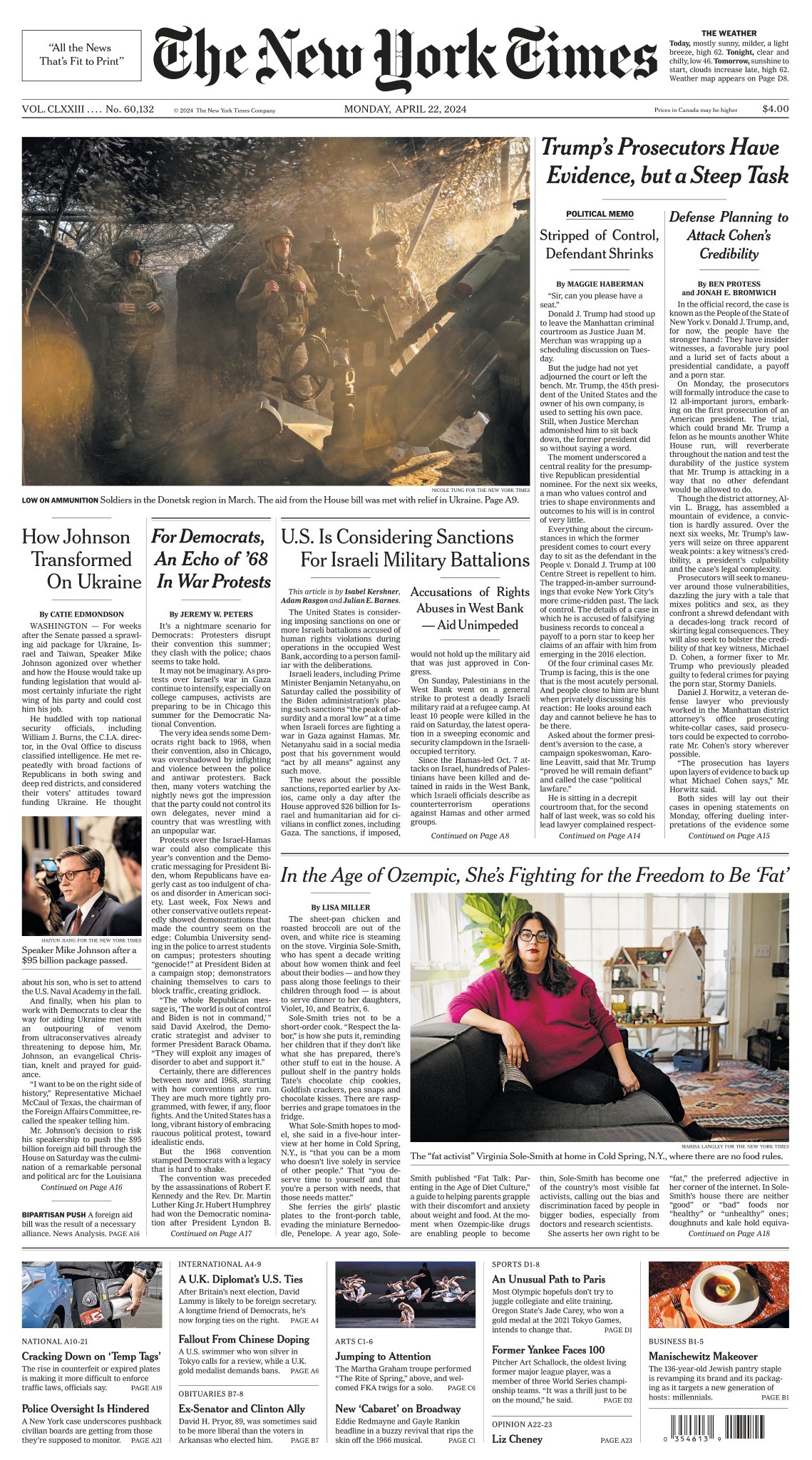
The prosecution’s opening statement sketched a seamy scheme meant to further the election of Donald J. Trump. His lawyer said the government’s case is merely “34 pieces of paper.”
The strike on Iran on Friday was originally intended to be much broader in scope, but after intense pressure from allies, Israeli leaders agreed to ratchet it down.
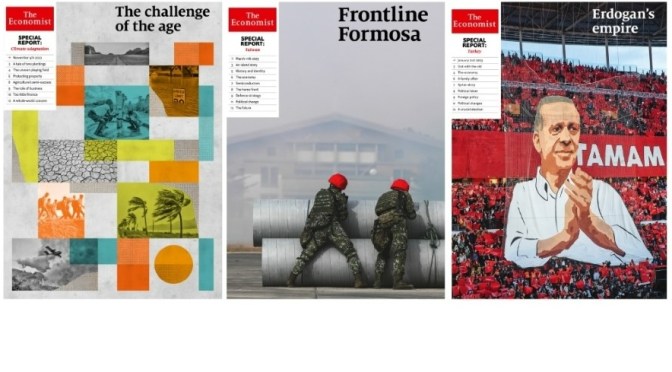
With the right changes, it can continue as an engine of global growth, say Arjun Ramani and Thomas Easton
The consecration of the Ram temple in Ayodhya, a city in Uttar Pradesh, in January was a matter of supreme importance to Narendra Modi, India’s prime minister; attendance was thus de rigueur for those seeking his approval. The attendant courtiers included not just politicians, officials and foreign dignitaries but also India’s biggest corporate bosses. Uttar Pradesh is not their normal stamping ground, and Ayodhya has not until recently been much of a destination for tycoons. Now it has 115 hotels under construction, and some of those January visitors may soon be finding reasons to return.
The Globalist (April 22, 2024):Monocle’s Middle East correspondent Leila Molana-Allen discusses the latest on tensions in the region.
Also in the programme: Ukrainian MP Ivanna Klympush-Tsintsadze on the relationship between Washington and Kyiv following the US House of Representatives’ vote on military aid for Ukraine. Plus: a flip through the papers, Balkans news and an interview with Romanian artist Serban Savu.
Monday will see opening statements in the People of the State of New York v. Donald J. Trump. The state’s case seems strong, but a conviction is far from assured.
The mundanity of the courtroom has all but swallowed Donald Trump, who for decades has sought to project an image of bigness and a sense of power.
Vote to Resume U.S. Military Aid Is Met With Relief in Ukraine
Much-needed munitions like artillery shells could start arriving relatively quickly, but experts say it could take weeks before U.S. assistance has a direct impact on the war.
News, Views and Reviews For The Intellectually Curious