Two years in the making, the Chile’s new foundational document was summarily swatted down in a referendum. We ask how it went so wrong, and what comes next.
Data show a long-held view on fertility and prosperity is not as straightforward as thought; we examine the policy implications. And learning about HARM—the missiles causing so much harm to Russian forces.
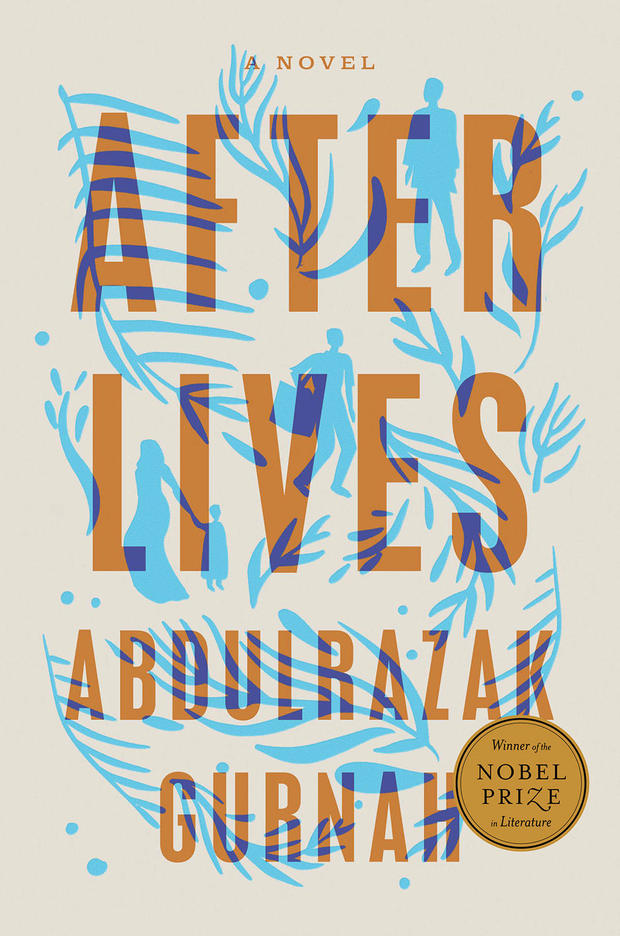
When Abdulrazak Gurnah won the Nobel Prize in literature last year, most Americans had never read anything by this fascinating author.
Born in 1948 in Tanzania, Gurnah fled to England after the 1964 uprising in Zanzibar. Over the years, he’s written 10 critically-acclaimed novels.
The latest, “Afterlives” (Riverhead), offers an intimate look at village life in East Africa during the period of German colonialism at the start of the 20th century. This is a book that reclaims forgotten history and honors lost people in a way that’s heartbreaking and revelatory.
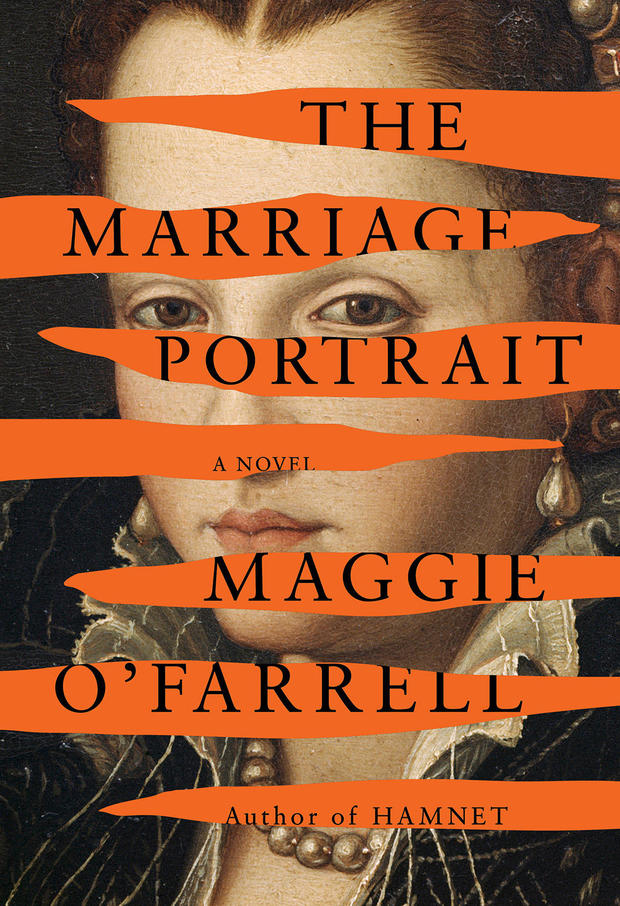
Maggie O’Farrell’s novel “Hamnet,” about the death of William Shakespeare’s only son, was one of the best books of 2020.
Now O’Farrell is back with “The Marriage Portrait” (Knopf), a terrific historical thriller that drops us into the panicked mind of a teenage girl who knows her husband is plotting to kill her.
The girl is Lucrezia de’ Medici, immortalized by Robert Browning’s poem, “My Last Duchess.” History tells us she died in 1561 before she could celebrate her first anniversary, but O’Farrell will have you guessing ’til the very last page.
What if Americans elected a narcissistic psychopath to the White House?
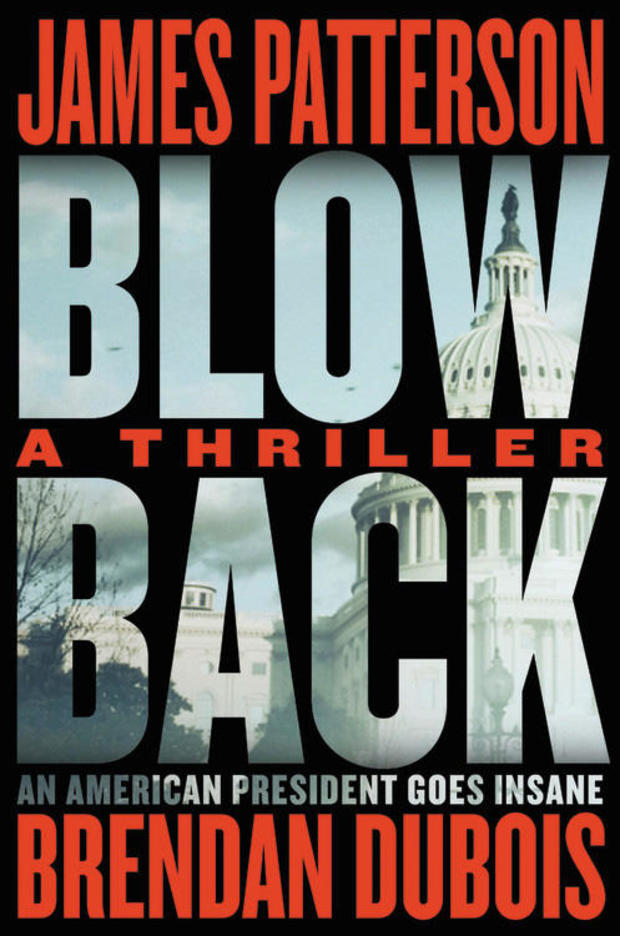
Some people might say we’ve already seen what that would be like. But James Patterson’s breathless new thriller, “Blowback” (Little, Brown), takes that scenario to the brink of World War III.
Written with Brendan DuBois, “Blowback” imagines a president determined to defeat America’s enemies once and for all.
A pair of secret agents are honored to help the president’s plan – until they realize he’s about to destroy the country.
“Blowback” by James Patterson and Brendan DuBois (Little, Brown and Company), in Hardcover, Large Print Trade Paperback, eBook and Audio formats, available via Amazon, Barnes & Noble and Indiebound
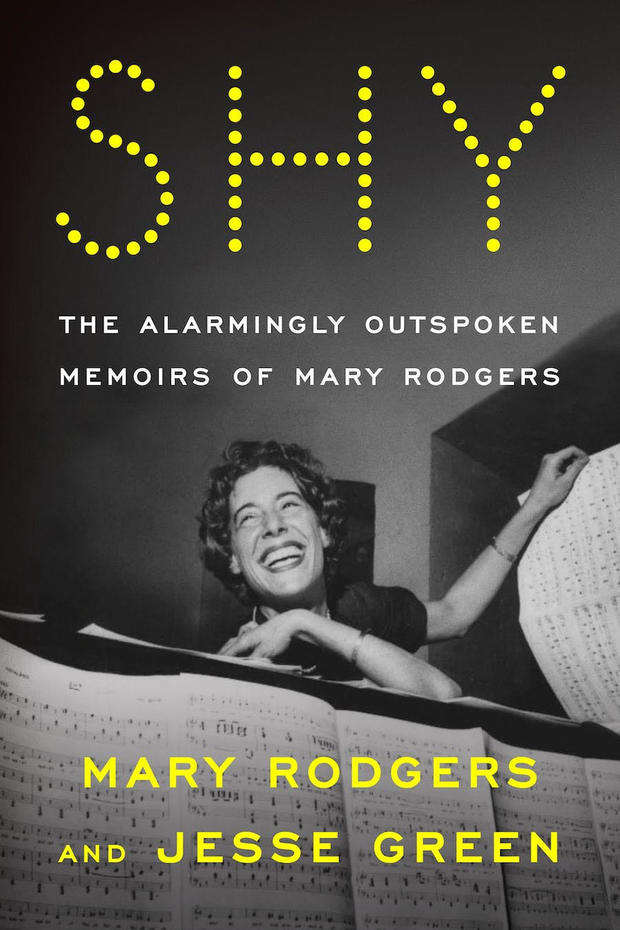
Mary Rodgers, who died in 2014, lived her life in the melodies of American musical theater. She was Richard Rodgers’ daughter, composer Adam Guettel’s mother, and Stephen Sondheim’s friend – and she was an accomplished composer and author herself.
Through painful relationships and happy ones, disappointments and successes, Rodgers is never anything but candid, forgiving and witty. So, take a seat and let the curtain rise.
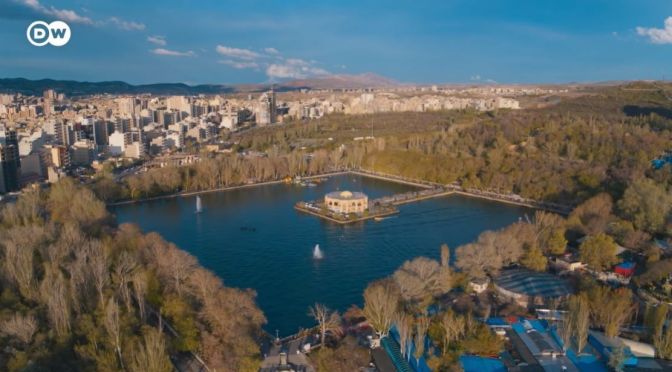
Iran’s mountainous terrain has always been an important part of people’s lives. Years ago, these mountains were populated by legendary horsemen. Today, they are the subject of scientific investigation. This film provides the viewer with stunning arial views of these mountains. It unfurls the rich tapestry of Iran’s history, from the legendary Order of the Assassins to the Mongol invasions. We also get to know Iran by meeting some of the fascinating people who live there. Take Ali, a world champion of mounted archery. Despite its waning popularity, the sport has endured in Iran due the importance of horses throughout Iranian history. We get to explore the historic Tabiz bazaar, which is still a bustling market and kaleidoscope of cultures today. There, we meet Dschebrael, a stall owner who speaks Azeri, the official language of Azerbaijan. In fact, Azeri can be heard throughout the market, which serves as a meeting place for Iran’s many ethnic groups, and thus as a microcosm of the country’s cultural diversity. The film introduces us to beekeepers and violinmakers, as well as young people living in Iran who want to travel and express themselves freely on social media — even though it is forbidden.
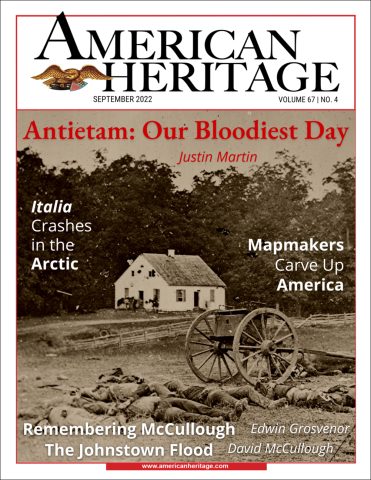
In September 1862 the South hoped to end the war by invading Maryland just before the mid-term elections. But its hopes were dashed after the bloodiest day in American history. By Justin Martin
In the hills above Johnstown, the old South Fork dam had failed. Down the Little Conemaugh came the torrent, sweeping away everything in its path. By David McCullough
By artfully illustrating the boundaries of colonial powers, mapmakers in the 1700s helped define what our New World would become. By Neal Asbury, Jean-Pierre Isbouts
Georgina Godwin and cultural historian Gavin Plumley review the day’s papers, Andrew Tuck’s weekend column and Andrew Mueller takes a look at some of the week’s weirder stories.
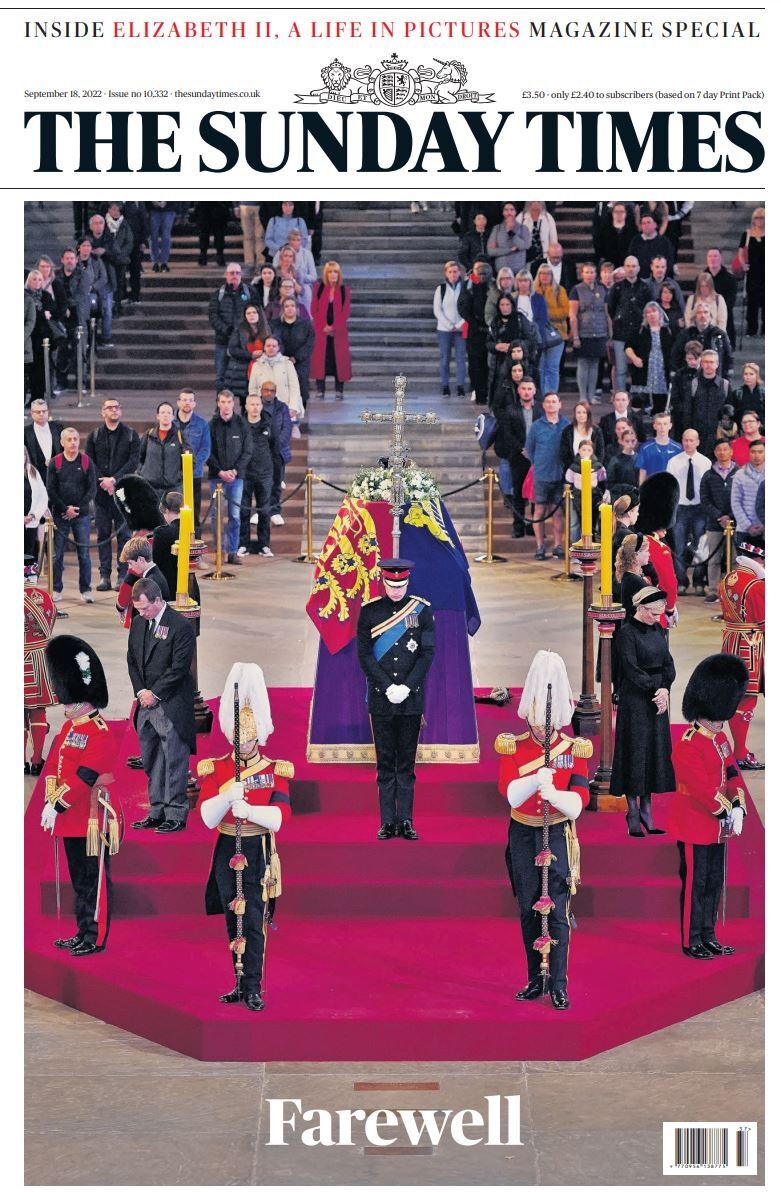
Gates to Southwark Park reopen minutes after announcement that 14-hour line was at capacity
The announcements were clear: the queue to see the Queen lying in state had reached capacity and was being paused for six hours.
The message went out over the public address system at train stations across the capital, on official government Twitter accounts and across the media shortly before 10am on Friday.
There was just one problem: the queue carried on. And on. In fact, just after 5pm on Friday the government announced that the wait time was over 24 hours, and warned that “overnight temperatures will be cold”.
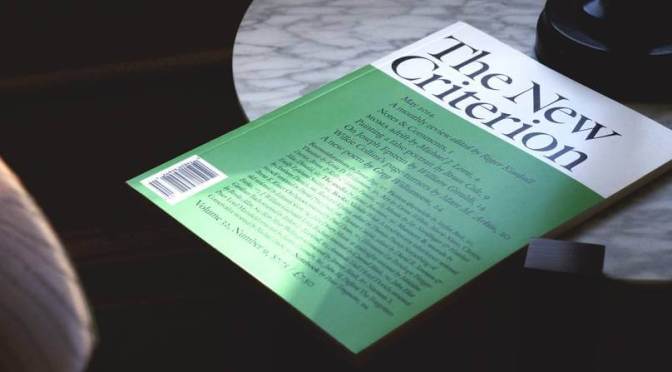
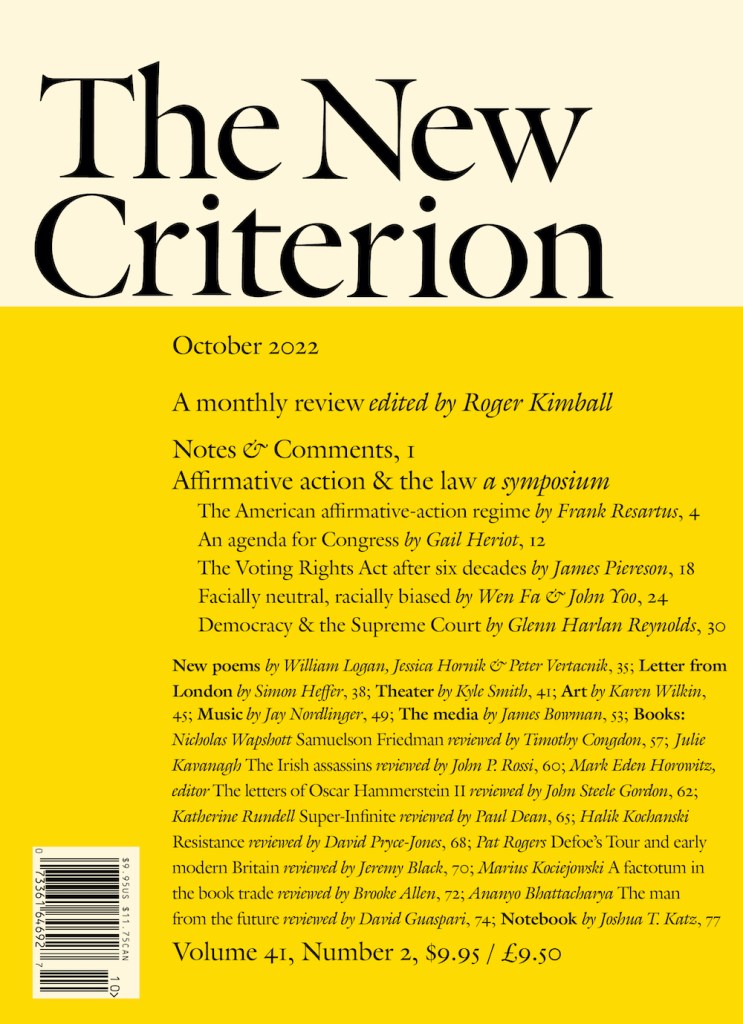
The American affirmative-action regime by Frank Resartus An agenda for Congress by Gail Heriot The Voting Rights Act after six decades by James Piereson Facially neutral, racially biased by Wen Fa & John Yoo Democracy & the Supreme Court by Glenn Harlan Reynolds
New poems by William Logan, Jessica Hornik & Peter Vertacnik
News, Views and Reviews For The Intellectually Curious