We look at the state of British politics as Boris Johnson resigns and discuss the reaction to the news in Ukraine. Plus: We explore how Russia’s neighbours are bolstering their defences and take a look back at what we’ve learned this week.
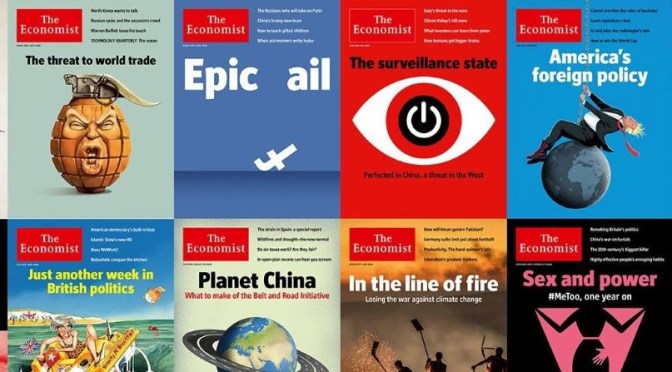
The hype about TikTok is justified—and so are the concerns. There’s a reason why the world’s most exciting app is also its most mistrusted https://econ.st/3bQE9JX
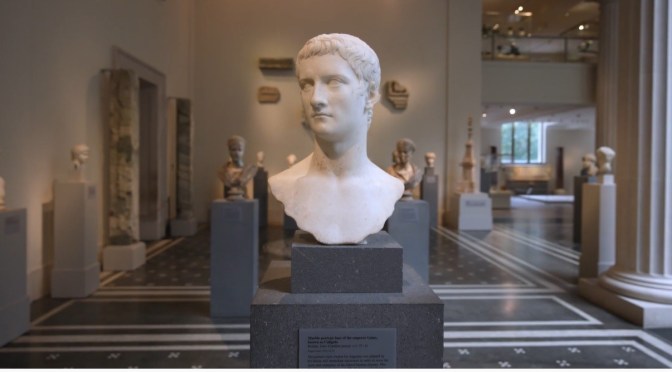
Archaeologists Vinzenz and Ulrike Koch Brinkmann have spent the last 40 years dedicated to the study of polychromy—or “many colors” in Greek—in ancient sculpture. Once a fringe area of study, their research combats the misconception of white purity in ancient Greece and Rome. They reflect on the marble bust of Caligula and how the reconstruction of its former color can help us better understand history.
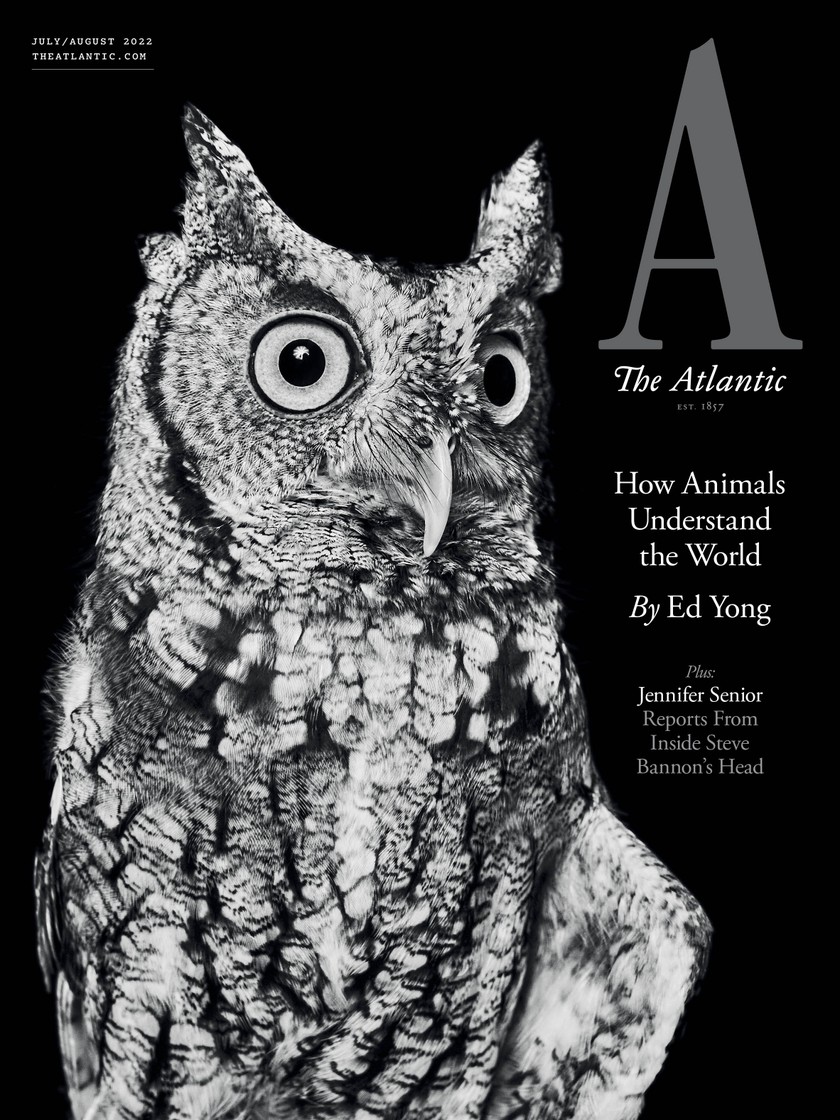
How animals perceive the world, a return to Chagos, Steve Bannon, and a mad hunt for Civil War gold. Plus Jack White, how the U.S. has no nuclear strategy, dad rage, Ulysses at 100, one family’s doll test, downsides of beach resorts, and more.
COVER STORY
How Animals Perceive the World – Every creature lives within its own sensory bubble, but only humans have the capacity to appreciate the experiences of other species. What we’ve learned is astounding.
FEATURES
American Rasputin – Steve Bannon is still scheming. And he’s still a threat to democracy.
They Bent to Their Knees and Kissed the Sand – Half a century ago, the British government forcibly removed 2,000 people from a remote string of islands in the middle of the Indian Ocean. They’ve never stopped struggling to return.
British Prime Minister Boris Johnson is planning to resign according to multiple media reports. A new report on the Uvalde school shooting found that the police officers missed several opportunities to intercept the shooter. And G20 foreign ministers meet in Bali, Indonesia this week.
A.M. Edition for July 6. Military strategists are learning in real time how future wars will be fought. WSJ Brussels bureau chief Dan Michaels explains how the war in Ukraine could shape future conflicts. Plus, the doom cycle haunting Italian banks. Luke Vargas hosts.
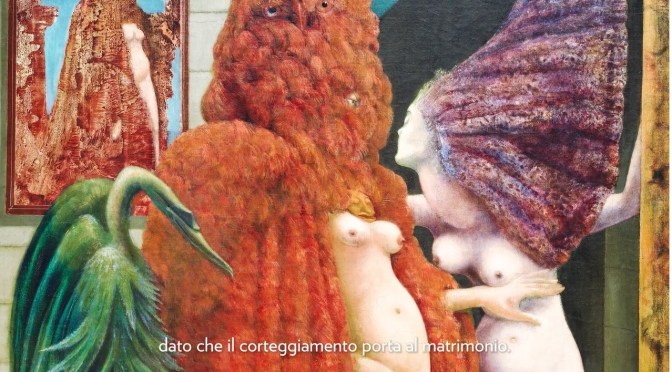
Attirement of the Bride is an example of Max Ernst’s veristic or illusionistic Surrealism, in which a traditional technique is applied to an incongruous or unsettling subject. The theatrical, evocative scene has roots in late nineteenth-century Symbolist painting, especially that of Gustave Moreau. It also echoes the settings and motifs of sixteenth-century German art. The willowy, swollen-bellied figure types recall those of Lucas Cranach the Elder in particular. The architectural backdrop with its strong contrast of light and shadow and its inconsistent perspective shows the additional influence of Giorgio de Chirico, whose work had overwhelmed Ernst when he first saw it in 1919.
News, Views and Reviews For The Intellectually Curious








 Intellicurious