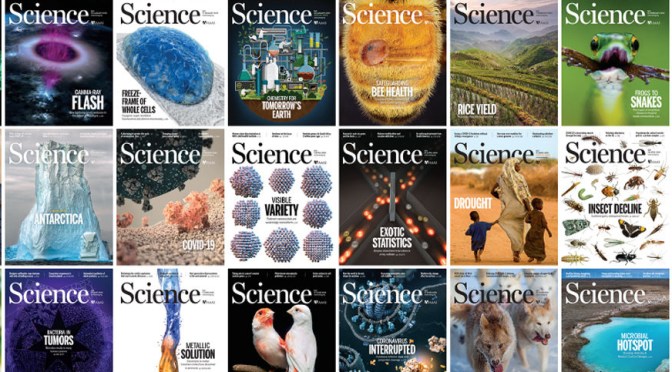
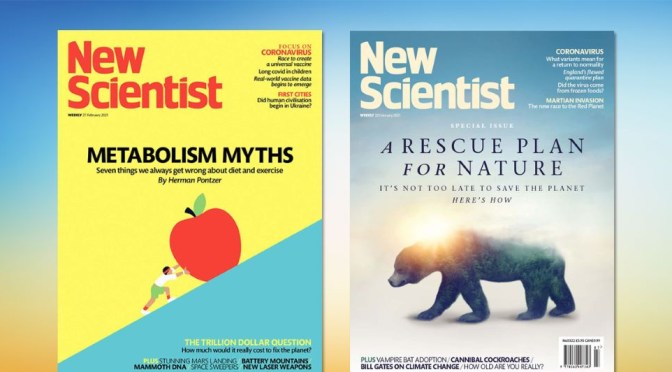
Science Magazine – April 7, 2023 issue: Anchoring radiocarbon dates to cosmic events, why hibernating bears don’t get blood clots, and kicking off a book series on sex, gender, and science.
Since ancient times, humans have been trying to exercise control over their reproductive decisions, whether to avoid undesired pregnancy or to improve their chances of conceiving. In addition, the risks of pregnancy and childbirth have always been a major challenge.
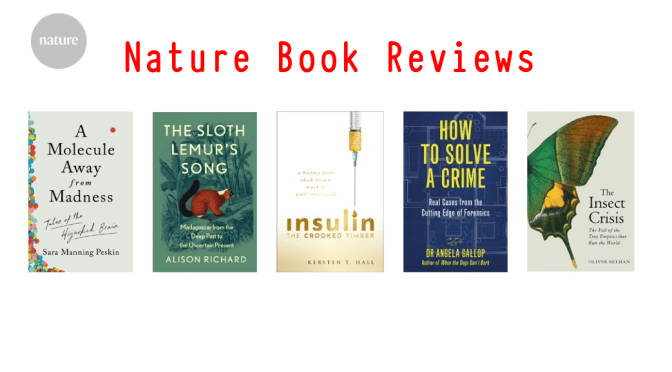
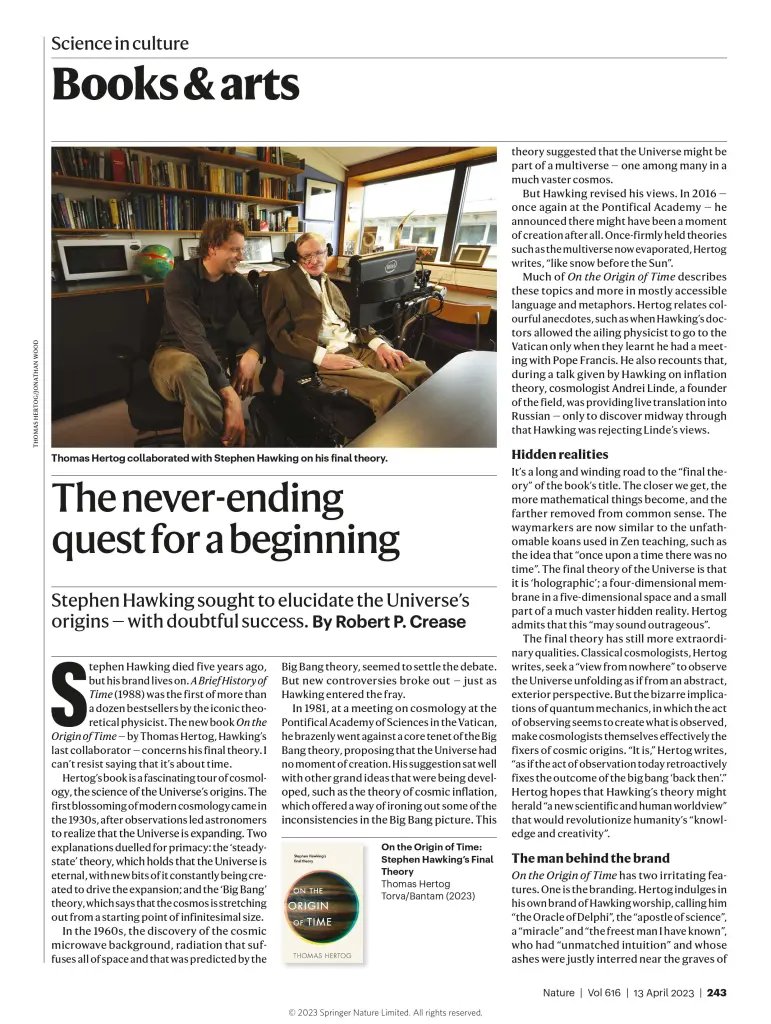
Like his mentor and colleague Stephen Hawking, Thomas Hertog has never shied away from being ambitious in theorizing about the universe. This sweeping book provides an accessible overview of both what we know about cosmology, and some audacious ideas for moving into the unknown. It is an introduction to Hawking’s final theory, but also a glimpse into even grander theories yet to come.
Professor Sean Carroll, author of The Biggest Ideas in the Universe
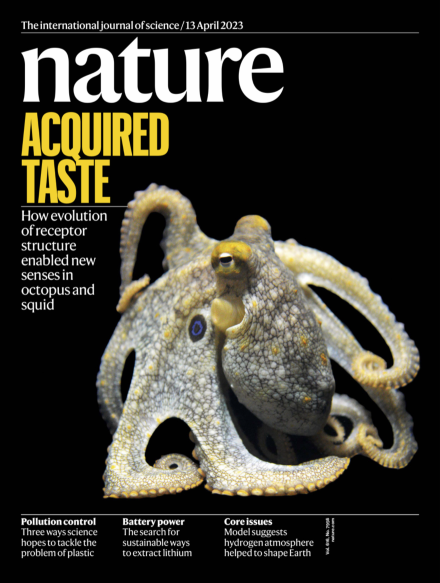
nature Magazine – April 13, 2023 issue: Octopuses use chemotactile receptors (CRs) in the suckers on their arms to ‘taste by touch’ as they explore their sea-floor environment. These proteins evolved from neurotransmitter receptors to allow octopuses to detect poorly soluble natural products on contact.
Psychotherapy has never been more available and yet, with so many options, it can be hard to know where to start. Thankfully, researchers are getting to grips with what really works and why
Scripps Research (April 11, 2023) – From smartwatches and fitness bands to glucose monitors and in-home ultrasounds, the proliferation of digital devices is igniting a revolution in healthcare and medical research.
Patients can now collect thousands of data points about themselves and share that information with their healthcare providers. At the Scripps Research Translational Institute, researchers are taking advantage of new technology to study disease in novel ways.
Their projects include a platform for early detection of disease outbreaks, a sleep quality study, and even a way to predict and individual’s risk of certain disease based on their genetics. In this video, hear directly from the team about this exciting new frontier.
Sotheby’s (April 11, 2023) – This collection was put together by a couple of passionate collectors who favored avant-garde works from the 1930s and 1940s, thus creating an extremely harmonious whole that perfectly reflects the taste of an era and the artistic revolutions that went through it.
The works have remained preserved in a Parisian apartment for almost sixty years, and their appearance on the market constitutes an unprecedented opportunity for collectors today”. Says Aurélie Vandevoorde, Director of the Impressionist and Modern Art Department.
Unveiling an unprecedented group of 12 works by some of the greatest masters of the 20th century, which include artists such as Pablo Picasso, Fernand Léger, Nicolas de Staël & Georges Braque, “Le Souffle Moderne” Collections presents an exceptional ensemble embodying the artistic avant-gardes of the 1930s and 1940s.
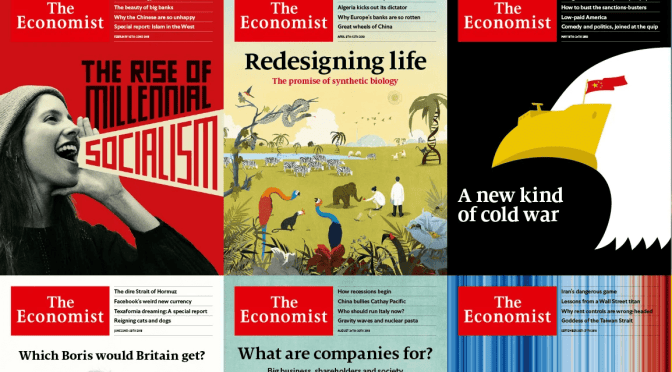
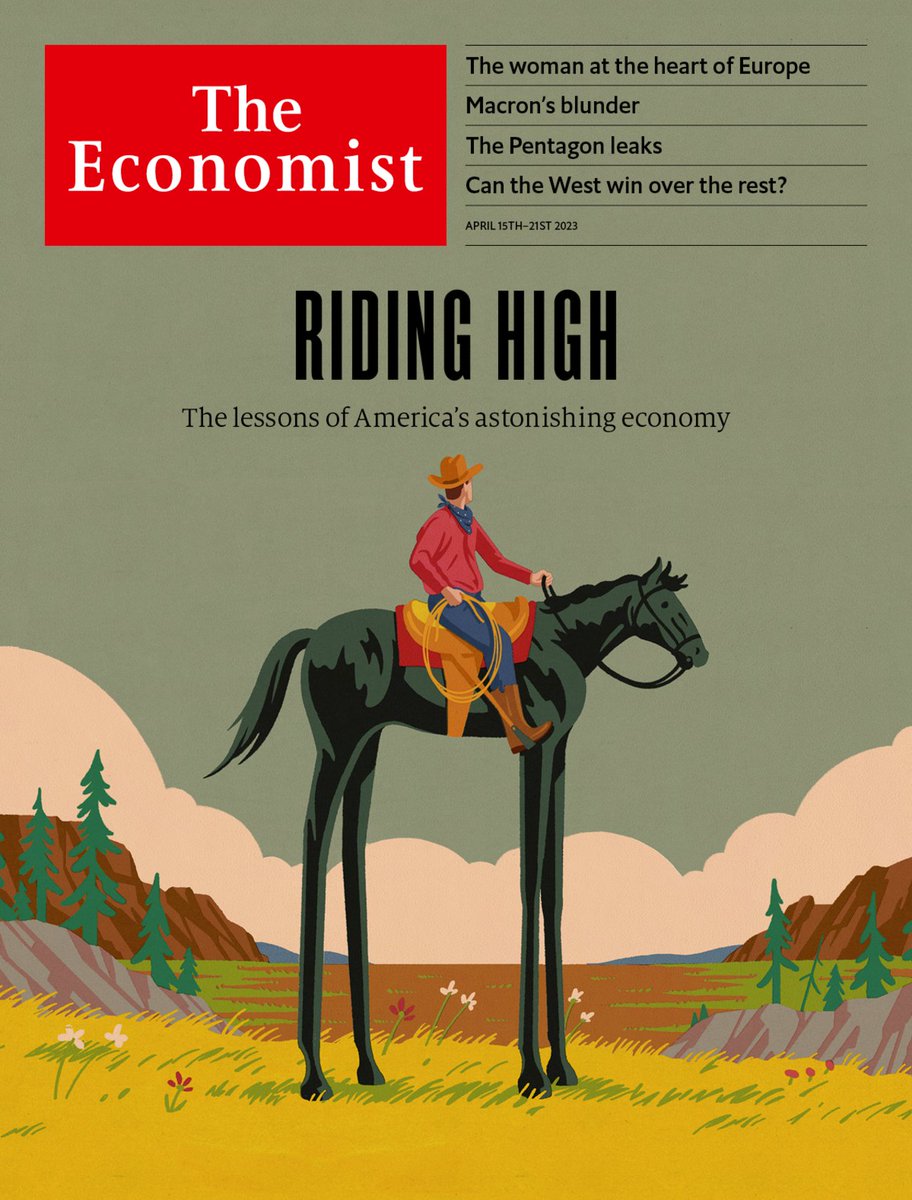
April 10, 2023: A selection of three essential articles read aloud from the latest issue of The Economist. This week, the case for hugging pylons, not trees. Also, the transatlantic divide on gender-medicine (10:30) and why do Democrats keep helping Donald Trump? (17:55)
Economic growth should help, not hinder, the fight against climate change
The sheer majesty of a five-megawatt wind turbine, its central support the height of a skyscraper, its airliner-wingspan rotors tilling the sky, is hard to deny.
The Museum of Modern Art (April 10, 2023) – “To see takes time,” Georgia O’Keeffe once wrote. Best known for her flower paintings, O’Keeffe (1887-1986) also made extraordinary series of works in charcoal, pencil, watercolor, and pastel.
Reuniting works on paper that are often seen individually, along with key paintings, this exhibition offers a rare glimpse of the artist’s working methods and invites us to take time to look.
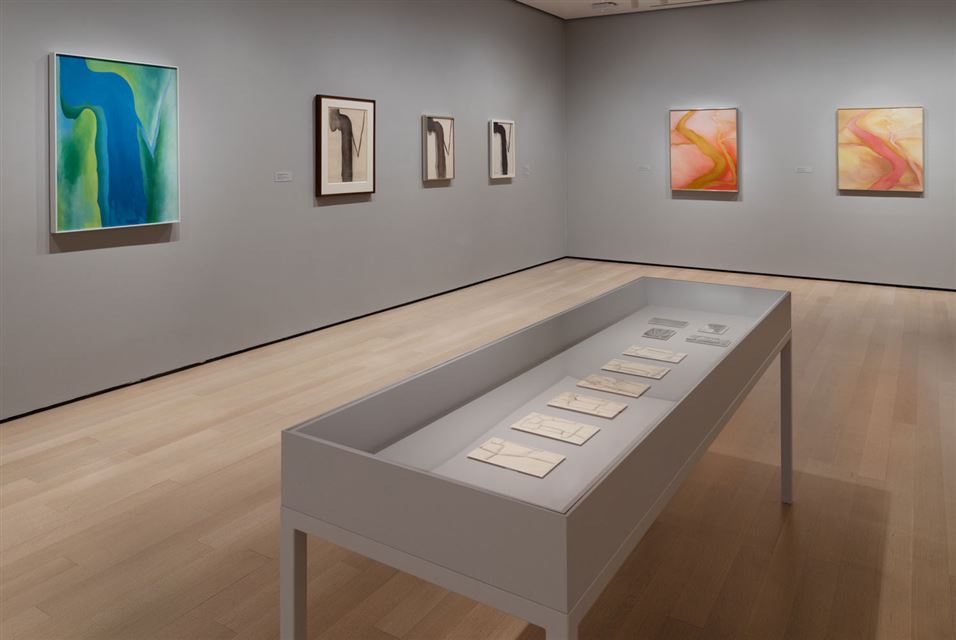
Installation view of Georgia O’Keeffe: To See Takes Time, on view at The Museum of Modern Art, New York from April 9 through August 12, 2023. Photo by Jonathan Dorado.
Over her long career, O’Keeffe revisited and reworked the same subjects, developing, repeating, and transforming motifs that lie between observation and abstraction. Between 1915 and 1918, a breakthrough period of experimentation, she made as many works on paper as she would during the next four decades, producing progressions of bold lines, organic landscapes, and frank nudes, as well as the radically abstract charcoals she called “specials.”
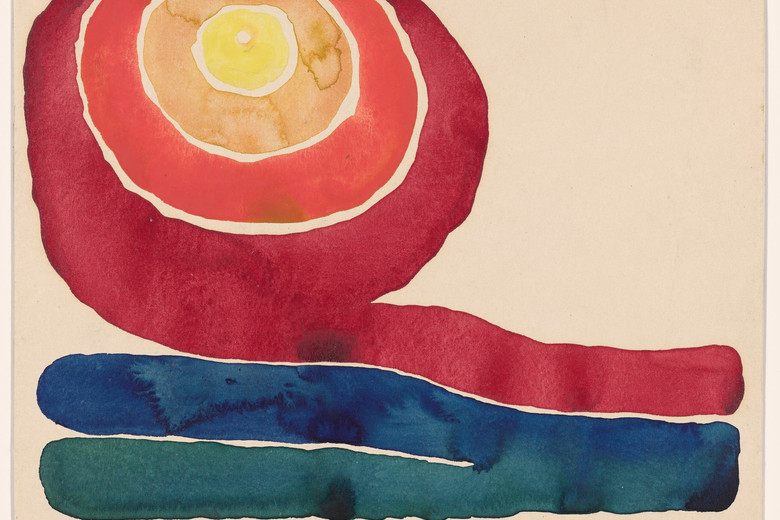
Even as she turned increasingly to painting, important series—including flowers in the 1930s, portraits in the ’40s, and aerial views in the ’50s—reaffirmed her commitment to working on paper. Drawing in this way enabled O’Keeffe to capture not only nature’s forms but its rhythms: tracing the sun’s spiraling descent in vividly hued pigment, or committing to velvety black the shifting perspective as seen from an airplane window.
Discover the important role working on paper played in Georgia O’Keeffe’s life and career.
News, Views and Reviews For The Intellectually Curious