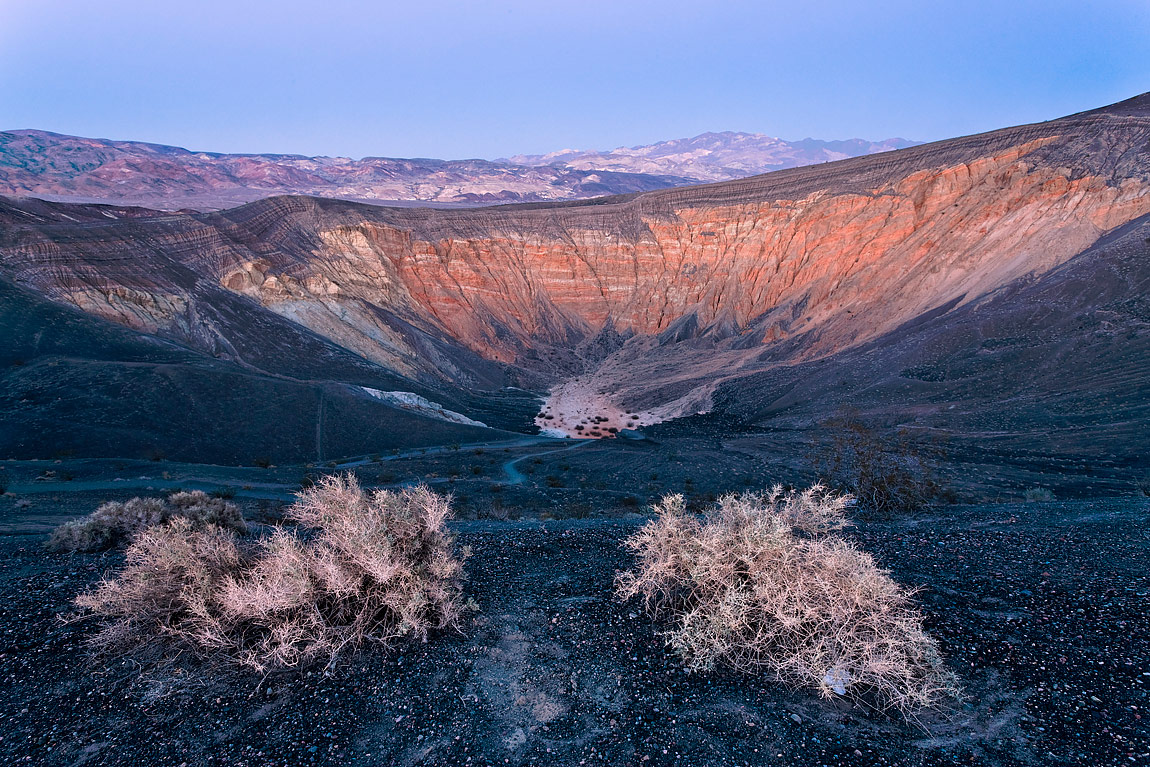
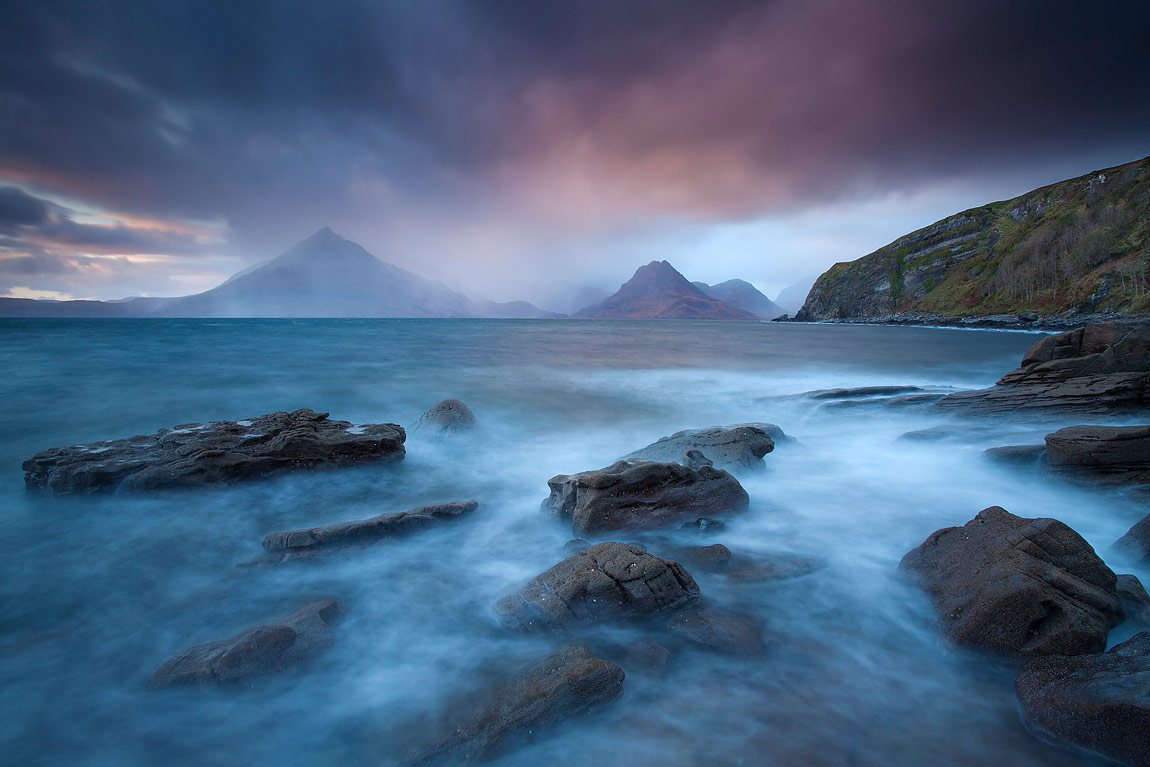
Death Valley is utterly iconic and much photographed. What are the best ways to get to every depth and peak? QT Luong’s guide to the highlights of this extraordinary location will let you in on every secret
Expand your landscape photography potential by shooting long after sundown and on through the night. As Mark Hamblin explains, photography requires very little light
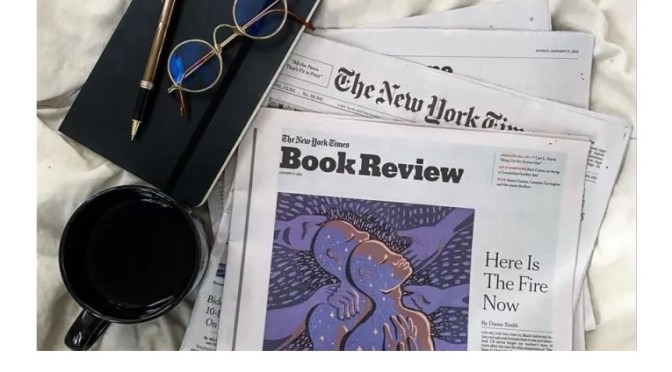
Jefferson Cowie’s powerful and sobering new history, “Freedom’s Dominion,” traces the close association between the rhetoric of liberty in an Alabama county and the politics of white supremacy.
“American Caliph,” by Shahan Mufti, recounts the complex story of a largely forgotten episode from 1977, when an armed Muslim group held dozens of people hostage.
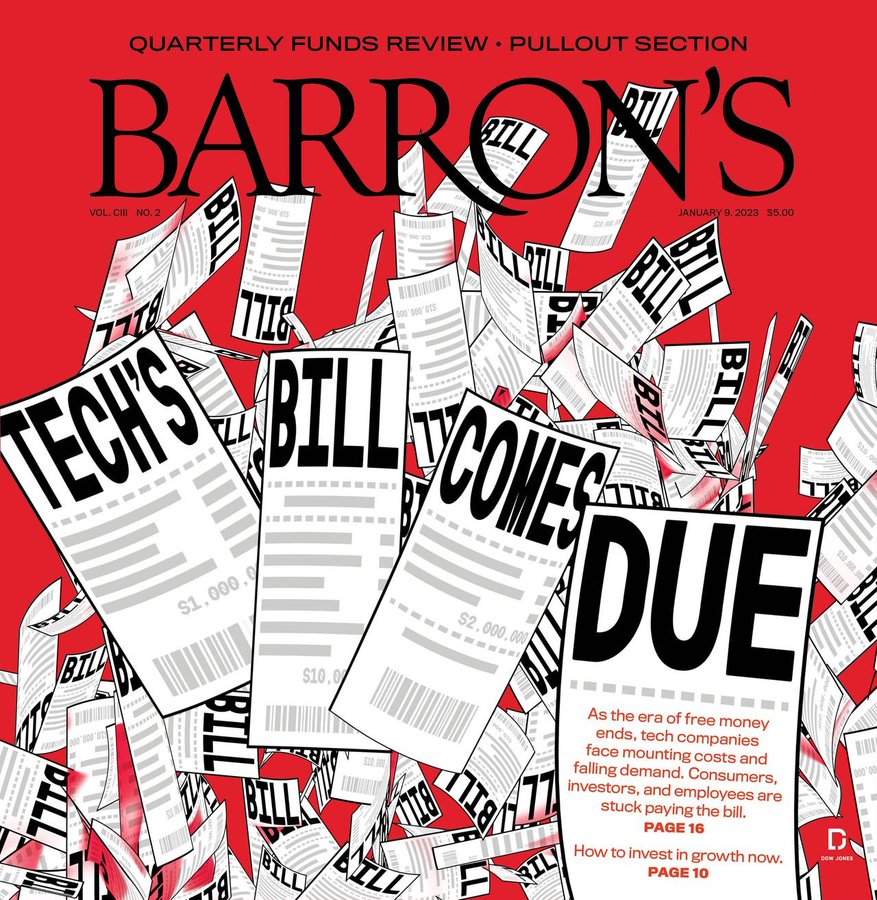
Tech companies went on a spending binge to satisfy new pandemic demand. Then came the reopening and the rate hikes. Now, investors, consumers, and employees are on the hook for the bill.
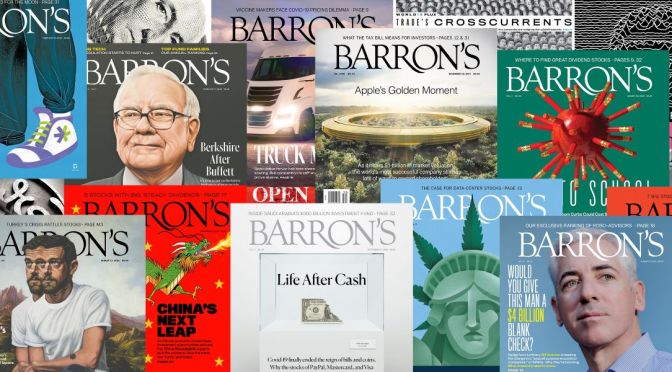
The electric-vehicle leader has been hammered by China lockdowns, a possible recession, and CEO Musk’s antics at Twitter. But the company has real strengths and cheap shares.
The photographs in Mary Ellen Bartley’s series Morandi’s Books – meditative still life compositions in muted colors transformed by collage elements – are gently disorienting despite their formal precision.
Cover of Twenty-five Years Ago, by Joan Lyons (Visual Studies Workshop Press, 1998)
A class of drugs that quash hunger have shown striking results in trials and in practice. But can they help all people with obesity — and conquer weight stigma?
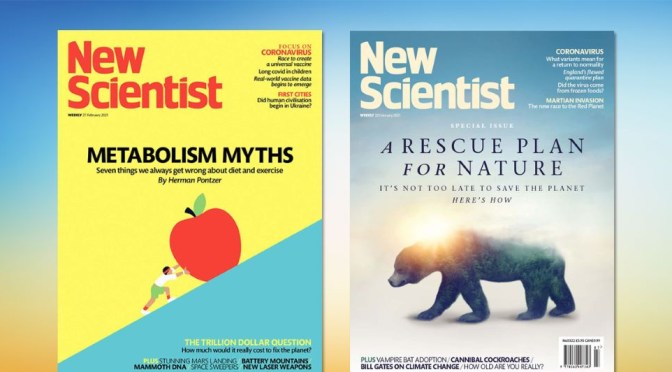
Which inventions should we prioritize to safeguard the environment and human health and happiness? From better batteries and photovoltaic paint to a universal vaccine precursor
Takashi Taniguchi and Kenji Watanabe create high-quality crystals that offer the perfect substrate on which to tailor-make two-dimensional materials with amazing electronic properties. They tell New Scientist how they grow their world-renowned crystals
Stone Age people in Europe appear to have recorded the reproductive habits of animals with markings on cave paintings, hinting at the early origins of writing
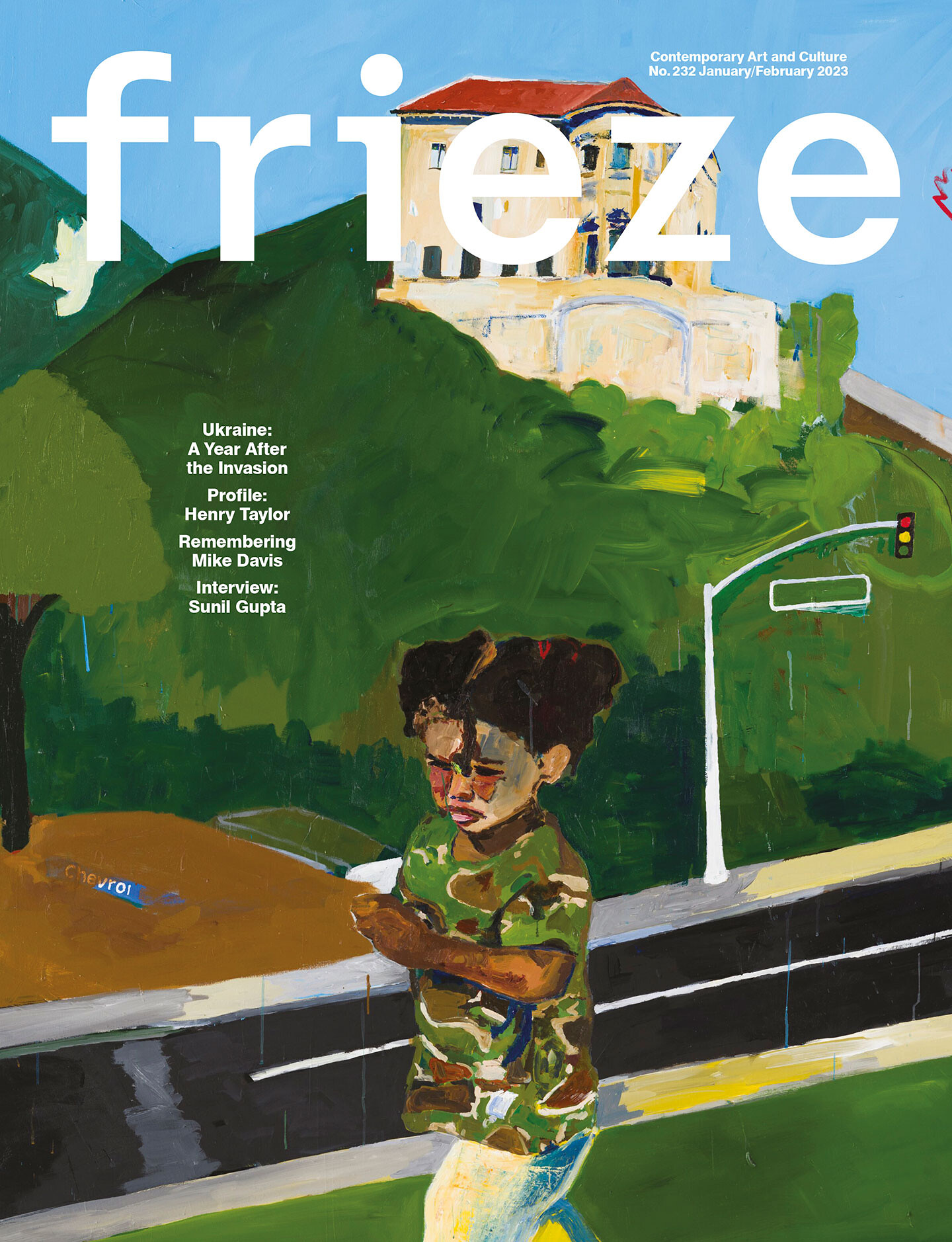
In the January/February issue of frieze, Terence Trouillot profiles artist Henry Taylor ahead of shows at The Fabric Workshop and Museum, Philadelphia, and The Museum of Contemporary Art, Los Angeles. Plus, one year after Russia declared war on Ukraine, artists and writer respond to the crisis in a dossier, including: a personal essay by painter and writer Kateryna Aliinyk; Adam Mazur profiles Taras Gembik, an artist and performer organising picnics to raise money for Ukraine in Warsaw, Poland; Nikita Kadan on what art can mean in a time of war; editor-in-chief Andrew Durbin interviews Olha Honchar, the director of Territory of Terror Museum, which documents war crimes, and the coordinator for the Museum Crisis Center, an organization helping Ukrainian museums rescue their holdings from occupied zones.
Profile: Henry Taylor “I became the observer because I was trying to understand my own life and that’s why I started making pictures. I just like looking at people.” Terence Trouillot considers how Henry Taylors oeuvre goes far beyond the canvas.
News, Views and Reviews For The Intellectually Curious