Category Archives: History

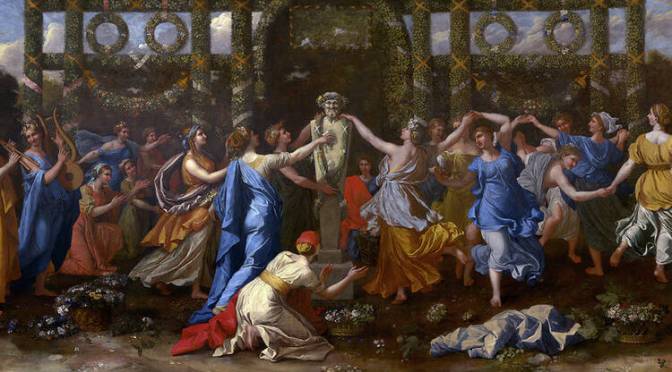
Art History: ‘Poussin And The Dance’ (The Getty)

“One of the hopes of this exhibition was really to try to enlist visitors’ bodily experience in their understanding of these works of art that can sometimes seem a little bit like they live entirely in our heads, a little bit intellectualized.”

Although Nicolas Poussin is widely regarded as the most influential painter of the 17th century—the father of French classicism—he is not as well-known as many of his contemporaries, such as Rembrandt, Rubens, and Caravaggio. This is due, in part, to Poussin’s austere painting style and erudite subject matter, which often came from Roman history or the Bible. As a result, his work can sometimes feel a bit cold or remote to today’s audiences.

But earlier in his career, Poussin was inspired by dance. His paintings of wild revelry, filled with dancing satyrs and nymphs, emerged as his signature genre from that time. Poussin and the Dance, organized by the Getty Museum and the National Gallery in London, is the first exhibition to explore the theme of dance in Poussin’s work. By supplementing his delightful dancing pictures with new dance films by Los Angeles–based choreographers—this unique exhibition invites viewers into the world of Poussin in a fresh, relatable way.

In this episode, Emily Beeny, curator in charge of European paintings at the Fine Arts Museums of San Francisco and curator of Poussin and the Dance, joins Sarah Cooper, public programs specialist at the Getty, to delve into Poussin’s process and love of dance.

The exhibition, which received generous support from the Leonetti/O’Connell Family Foundation and is sponsored by City National Bank, is on view at the Getty Center through May 8, 2022.
Art: Rembrandt Drawings At The Morgan Library

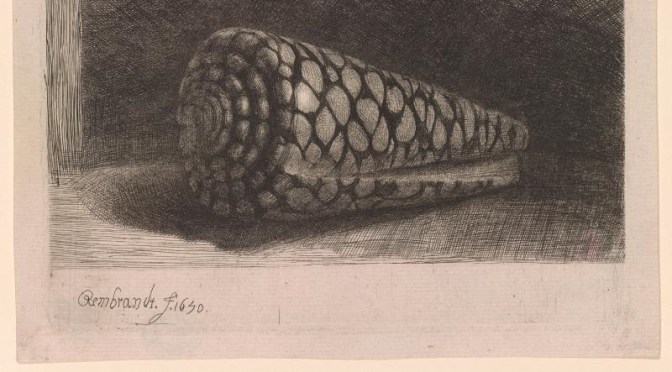
Take a closer look at three touching, humanist drawings by Rembrandt (1606 –1669) in the Morgan’s collection. John Pierpont Morgan loved Rembrandt. He owned 500 prints by Rembrandt, and in 1909 acquired his first drawings by the artist. Today, the Morgan has about 23 drawings in the collection by Rembrandt. A master of the European Baroque, Rembrandt’s paintings are often of grand themes. In his drawings, there is an intimacy and affection that has endeared him to generations of viewers. Listen to Colin B. Bailey, Director of the Morgan, as he shares his perspective on Rembrandt’s facility, creativity, and mastery.

The Cotswolds: A History Of Brockhampton, UK

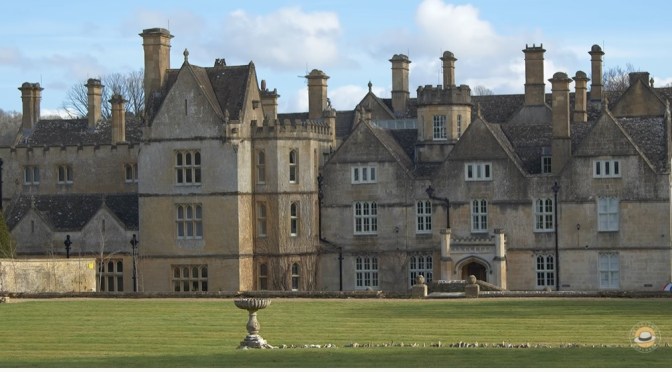
Several miles away from Winchcombe, the lovely village of Brockhampton, with country house Brockhampton Court nestles in the greenery. It’s another classic Cotswold hidden gem.

Brockhampton is a small village east of Cheltenham in Gloucestershire, England. It forms part of the parish of Sevenhampton. In the 2001 census the parish had 349 people living in 157 households. The source of the River Coln, a tributary of the Thames, is close to the village. 

History & Science: Ancient Texts Deciphered With AI

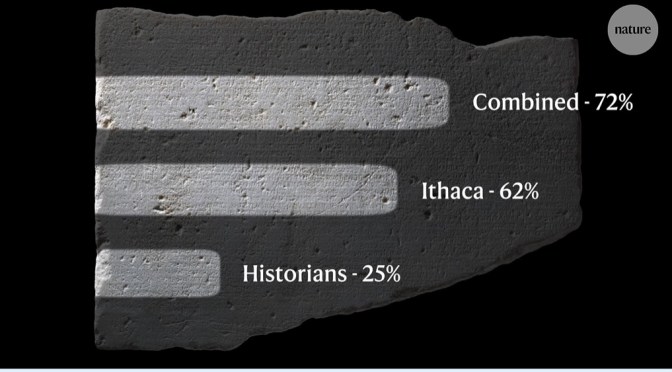
The origins of ancient inscriptions are often shrouded in mystery. Writing carved into stone millennia ago can be hard to read and is often missing entire sections of the text. Now a neural network, trained on thousands of existing inscriptions, could help historians figure out when and where a piece of writing comes from – as well as fill in missing words and characters.

Read the paper: https://www.nature.com/articles/s4158…

New Books: ‘Otherlands’ By Thomas Halliday (2022)

Museum Insider : ‘Wheat Fields After The Rain’ By Vincent Van Gogh (1890)

Wheat Fields after the Rain (The Plain of Auvers) – 1890

Wheat Fields is a series of dozens of paintings by Dutch Post-Impressionist artist Vincent van Gogh, borne out of his religious studies and sermons, connection to nature, appreciation of manual laborers and desire to provide a means of offering comfort to others. The wheat field works demonstrate his progression as an artist from the drab Wheat Sheaves made in 1885 in the Netherlands to the colorful and dramatic 1888–1890 paintings from ArlesSaint-Rémy and Auvers-sur-Oise in rural France.

Photo Reviews: The Sunday Times Magazine At 60 Years

International Art: Apollo Magazine – February 2022

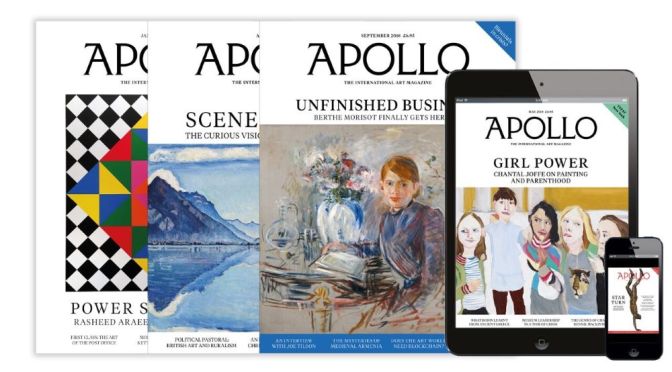
February 2022 | Apollo Magazine

• An interview with Ai Weiwei

• The art of kabuki theatre

• Dining with Beauty and the Beast

• The drawings of Jacques-Louis David

Plus: a touring display of Islamic arts in France, the hellish mining scenes of George Bissell, Madame de Pompadour’s porcelain, and a preview of Asia Week New York

Read more

Cotswolds Tour: A History Of Stanton

We’re back with our first video of 2022, visiting t he lovely little village of Stanton, just south of Broadway on the western escarpment of the Cotswolds. This is a classic English village with a church packed full of interesting architecture, a brilliant pub and a newer development of houses that show modern house construction can be done sensibly, in the local vernacular.

Reviews: ‘Greek Myths’ By Gustav Schwab (Taschen)

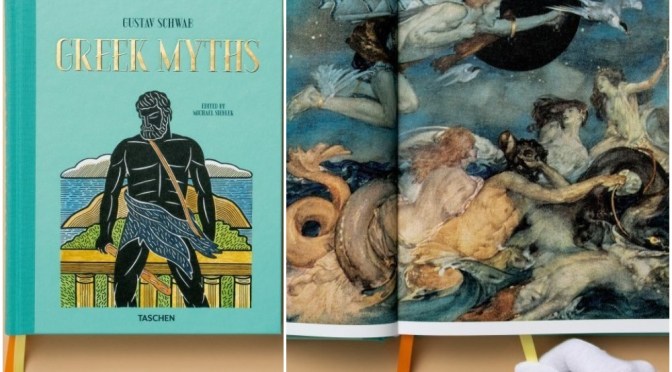
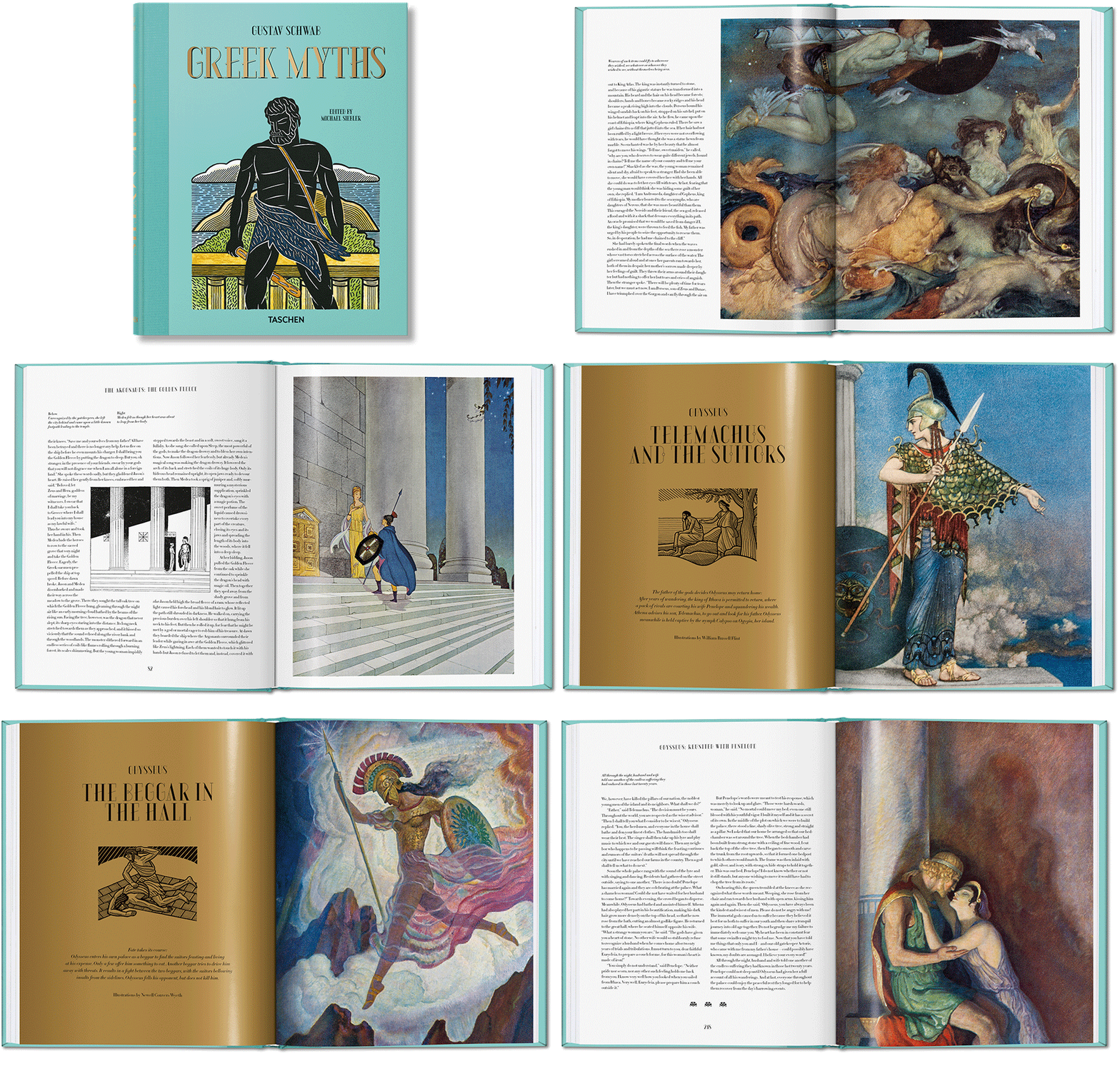
This collection of 47 tales from Gustav Schwab’s seminal anthology of Greek myths stages the illustrious exploits of Heracles, Jason, Odysseus, and a host of heroes.

TASCHEN

Through the masterful drawings of Clifford Harper and artworks from the leading figures of the Golden Age of Illustration, including Walter Crane, Arthur Rackham,  and  Virginia Frances Sterrett, the world of Greek mythology is reimagined into life.

The Greek myths are timeless classics, whose scenes and figures have captivated us since ancient times. The gods and heroes of these legends hold up a mirror to the human condition, embodying universal characteristics and truths – whether it be the courage of Perseus, the greed of Midas, the vaulting ambition of Icarus, the vengeance of Medea, or the hubris of Niobe. These traits are the basis for immortal dramas and rich narratives, as profound as they are entertaining, which form the bedrock of our culture and literature today and remain relevant and fascinating for all readers, young and old alike.

Gustav Schwab (1792–1850) was a German author, teacher, and professor. From 1828, Schwab worked at Johann Friedrich Cotta’s eponymous publishing house in Stuttgart, where he was a patron and mentor of young authors. After issuing a collection of his own poetry, he composed the seminal Sagen des klassischen Altertums (Gods and Heroes: Myths and Epics of Ancient Greece, 1838–1840), an indispensable standard work of Greek mythology that has popularized its tales in Germany and across the globe.