
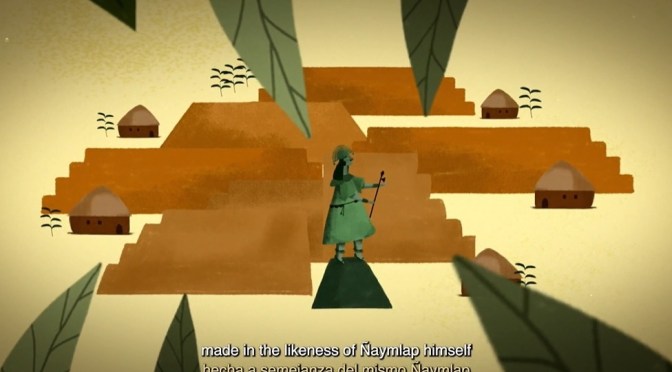
In the Denver Art Museum’s Art of the Ancient Americas galleries, we worked with Mexico City-based animators Hola Combo to create animations to help tell the origin stories that explain the relationship between ancient American communities and the their environment. For the Andes, we chose a story that loosely relates to the works on display. “The Legend of Ñaymlap” is an ancient story from Peru’s northern coastal communities and supposedly records the origins of the Sicán or Lambayeque dynasty (about 750–1375 CE). Within this origin story, there is a moral about the relationship between the deities and the land. As the ruler turns away from the deities, rain and floods devastate the land, starving the community.
Category Archives: History
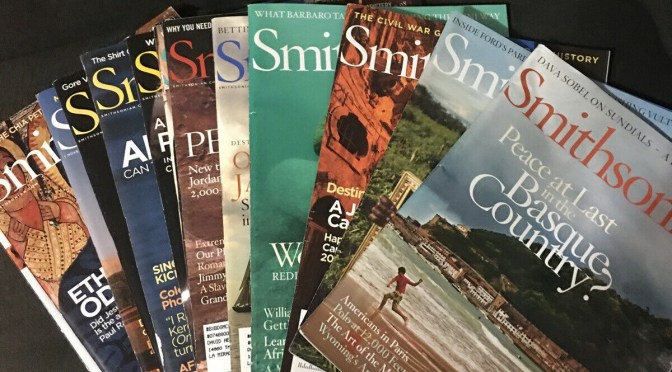
Previews: Smithsonian Magazine – May 2022

FEATURES
There’s Plenty of Juice on Block Island
Block Island, off the New England coast, overcame political strife to lead the way on energy independence
Welcome Back
A hunting ban has fostered the return of a nearly extinct species
Why Did the Salamander Cross the Road?
To reproduce, of course. And a band of volunteers gathers at night to help it—and countless other amphibians—get to the other side
Making the Connection
In the sparse Utah desert, the vital contributions of these 19th-century laborers are finally coming to light
Italian Renaissance
Take a photographic tour through the country’s effort to revitalize its rural towns
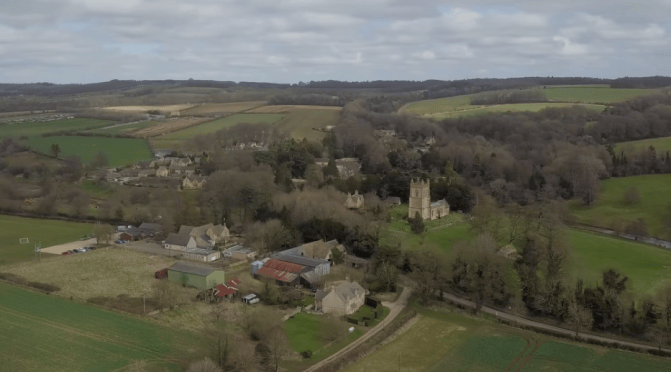
Cotswolds View: History Of Temple Guiting (4K)
Temple Guiting is a few miles away from Guiting Power, and has a wonderfully grand church with historical connections to the Knights Templar. The Knights Templar were a Holy Order that many associate with the Crusades. The village is another spectacular hidden gem, a classic English village.

Views: Marrakech – Heart Of Medieval Morocco
Morocco is a land of a thousand colours, with green, red, blue, ochre, and white dominating. We shall travel through the kingdom’s most stunning spots using these five colors. From the royal elegance of Marrakesh to the secrets of Ouarzazate, we’ll visit iconic cities brimming with energy and passion, providing artists with endless inspiration.
Despite the various changes brought about by modern society, Moroccans are striving hard to maintain traditions and historical skills. The series also brings us to more intimate areas, such as palm groves, oases, and dunes, where colourful vistas of palm groves, oases, and dunes abound.
We’ll meet the people who live there and work to preserve the natural beauty of the area. Morocco is a unique tapestry of landscapes that takes the observer on a dream-like trip from the seaside to the mountain heights.

Views: ‘Seeing The Samurai’ With Japanese Armour
This fascinating Japanese armour was part of the first diplomatic gift between Japan and Britain. It is over 400 years old and one of the first documented Japanese armours to have been seen on British soil.
Learn more about this amazing object in this short film. See the armour in our exhibition Japan: Courts and Culture at The Queen’s Gallery, London from 8 April 2022 – 26 February 2023.
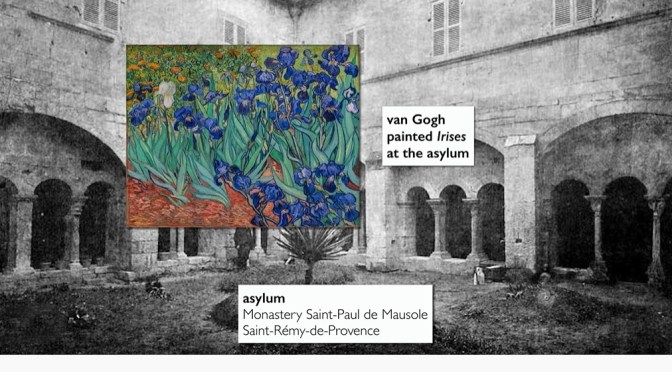
Art History: Van Gogh’s ‘Irises’ (Getty Museum)
Behind this iconic painting by Vincent van Gogh is the artist’s inspiring story about healing, as he struggled with the challenges of a psychiatric disorder. Learn more about this period in his life in which he produced some of his most famed work.
Getty has joined forces with Smarthistory to bring you an in-depth look at select works within our collection, whether you’re looking to learn more at home or want to make art more accessible in your classroom. This six-part video series illuminates art history concepts through fun, unscripted conversations between art historians, curators, archaeologists, and artists, committed to a fresh take on the history of visual arts.
View the Getty Conversations series: https://youtube.com/playlist?list=PLi…
Learn more about “Irises” in Getty’s collection online: https://www.getty.edu/art/collection/…
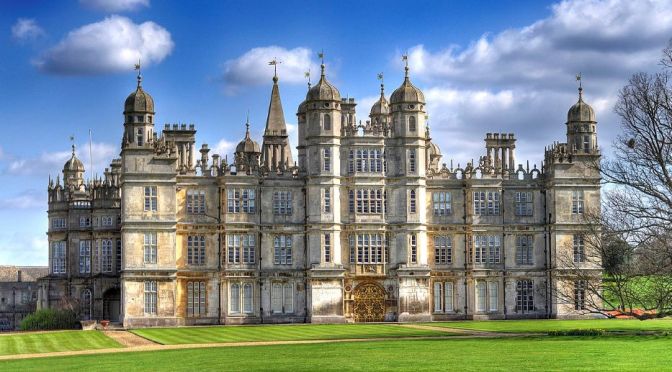
Tudor Architecture: A History Of 16th Century English Great Houses
Country Life’s architecture editor John Goodall looks at the architecture of the Tudor home.
In April 1521, Edward Stafford, 3rd Duke of Buckingham, was urgently summoned from his seat at Thornbury, Gloucestershire, to appear before Henry VIII. The Duke could reasonably claim by birth to be the outstanding nobleman of his generation, boasting descent from Edward III and—arguably—possessed of a better claim to the throne than the Tudors.
He played the role of a great nobleman with proud perfection, both at home and in such public events as Henry VIII’s meeting with Francis I of France on the Field of Cloth of Gold, where he jousted and appeared in costume of fabulous expense. His birth and magnificence, however, also made him vulnerable to Court intrigue.
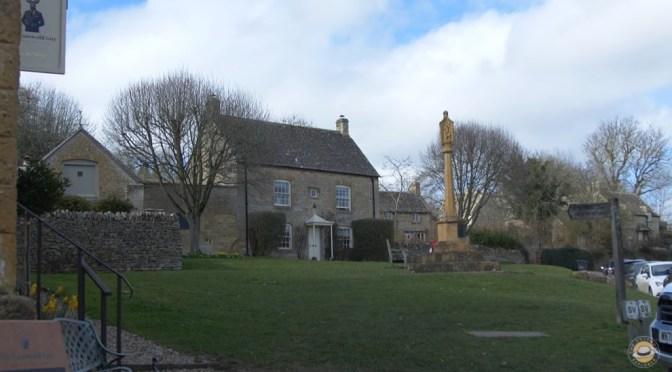
Exploring The Cotswolds: History Of Guiting Power
Guiting Power is one of the more famous hidden gems in the Cotswolds, nestling quietly in the English countryside.
The typical Cotswolds village of Guiting Power lies on a tributory of the river Windrush, its russet-coloured houses clustered round a sloping green. The buildings are restored by a self-help housing trust, initially set up for twelve cottages in 1934.
This delightful village is a fascinating example of the unconscious harmony created by Cotswold masons over the centuries. The cottages, shops and inns are all beautifully cared for. The Farmers Arms in the village and the Hollow Bottom Inn on the road leading to Winchcombe form welcome breaks on a number of glorious walks that can be taken in this area – north-westwards to Guiting Woods, south-eastwards down the Windrush Valley to Naunton, or south-westwards to Hawling.
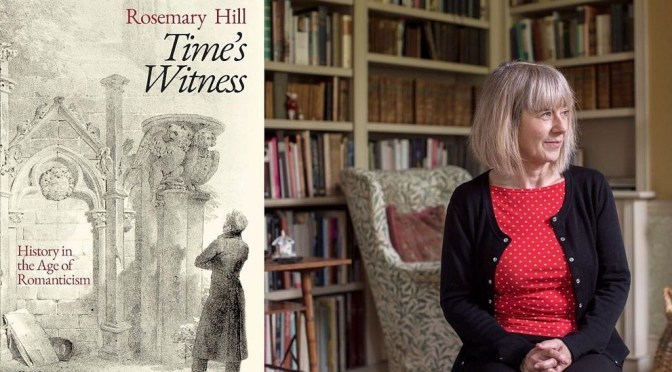
Interview: “Time’s Witness” Author Rosemary Hill
In the 1740s the Scots were invading England and the wearing of tartan was banned. By the 1850s, Queen Victoria had built her Gothic fantasy in Aberdeenshire and tartan was everywhere. What happened in between?
In the second episode of her series on Romantic history, Rosemary Hill talks to Colin Kidd about the myths and traditions of Scottish history created in the 19th century, and the central role of Walter Scott in forging his country’s identity.
In the first episode of a new four-part series looking at the way history was transformed in the Romantic period, Rosemary Hill is joined by Tom Stammers to consider how an argument over the ‘improvement’ of Salisbury Cathedral in 1789 launched a new attitude to the past and its artefacts. Those sentiments were echoed in revolutionary France, where antiquarians risked the guillotine to preserve the monuments of the Ancien Régime.
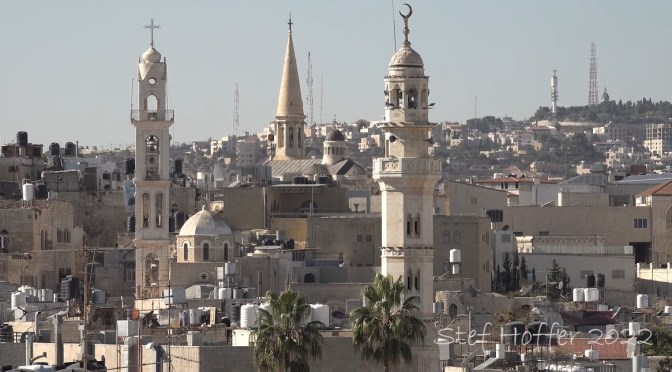
Travel & Culture: In The West Bank Of Palestine
Palestine means a lot of different things to many people, and may not be the most obvious travel destination. It is often associated with conflict and political unrest, overlooking the fact that it’s also a beautiful and fascinating region, with a vibrant culture, incredible historic landmarks, spectacular natural scenery, inspiring religious sites, tasty food, and friendly, welcoming people.
On this journey, I’m traveling through the Holy Land, a region important to the three main monotheistic religions, and known today as Israel and Palestine. In this first episode, I’m exploring the West Bank, the largest and most accessible part of Palestine. From stunning natural scenery to intriguing historic sites. From the busy streets of Ramallah to the narrow alleyways of Nablus’ old city.
From religious landmarks in Hebron and Bethlehem to the ancient ruins of Jericho. Along the way, I meet some of the people that call this land home, and sample the local cuisine. I’ll do so from a traveler’s perspective, focusing on the positive stories and things to do. But here and there I also mention the conflict between Israel and Palestine, since it has impacted the lives of many people in the region. For those interested in the politics and modern history of the region, however, I recommend to read, watch, and listen to as many different sources as you can.
 Intellicurious