
Category Archives: Education

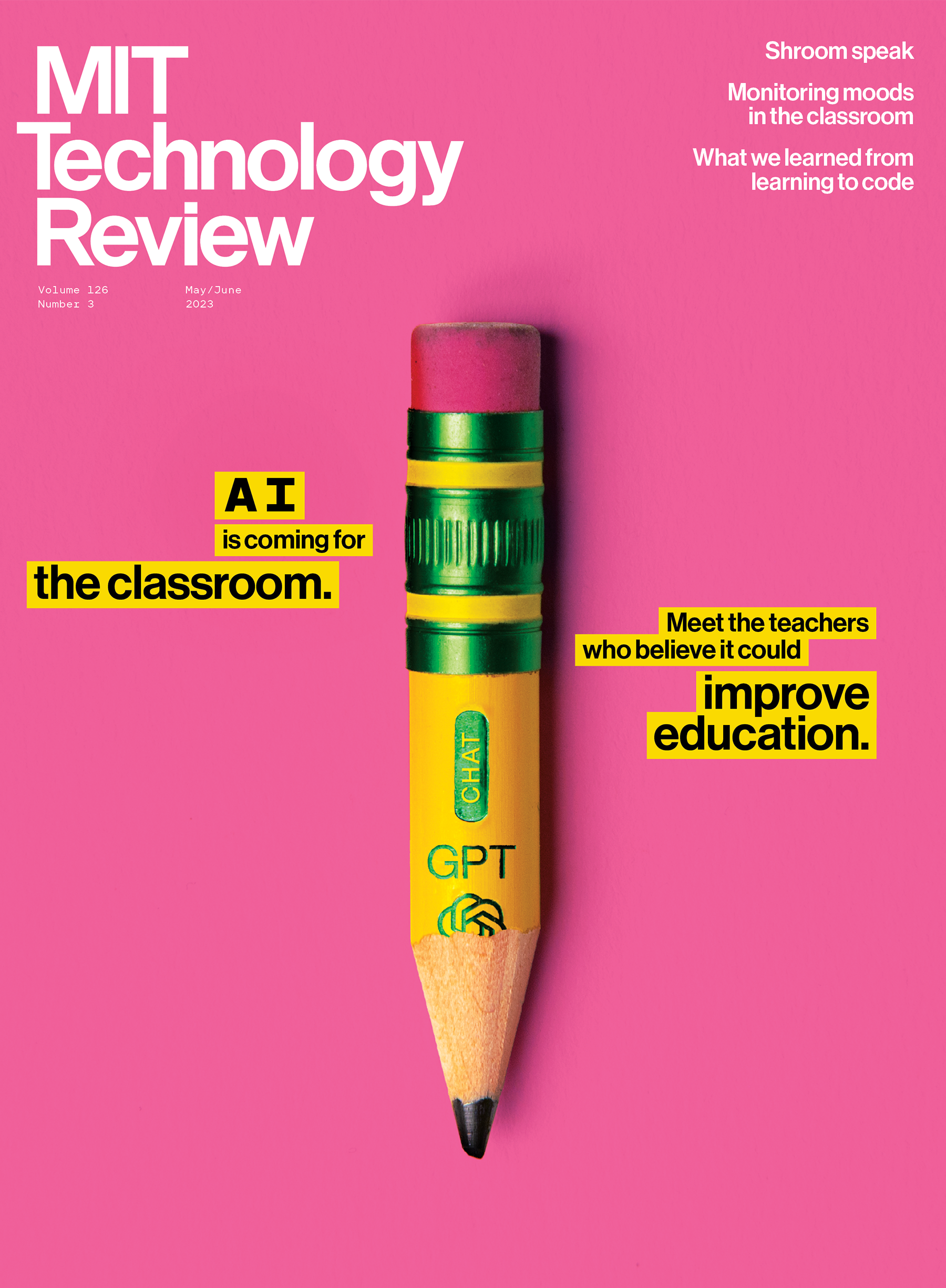
Preview: MIT Technology Review – May/June 2023

MIT Technology Review – May/June 2023: How AI is transforming the classroom. Surveilling students. Teaching the biliterate brain to read. What we’ve learned from “learning to code.” Plus keyboard obsessions, wildfire resilience, and shroom speak.

Teachers in Denmark are using apps to audit their students’ moods

surveillance on playground concept

Companies say the software can help improve well-being, but some experts worry it could have the opposite effect.

How AI is helping historians better understand our past

""

The historians of tomorrow are using computer science to analyze how people lived centuries ago.

It’s an evening in 1531, in the city of Venice. In a printer’s workshop, an apprentice labors over the layout of a page that’s destined for an astronomy textbook—a dense line of type and a woodblock illustration of a cherubic head observing shapes moving through the cosmos, representing a lunar eclipse. 

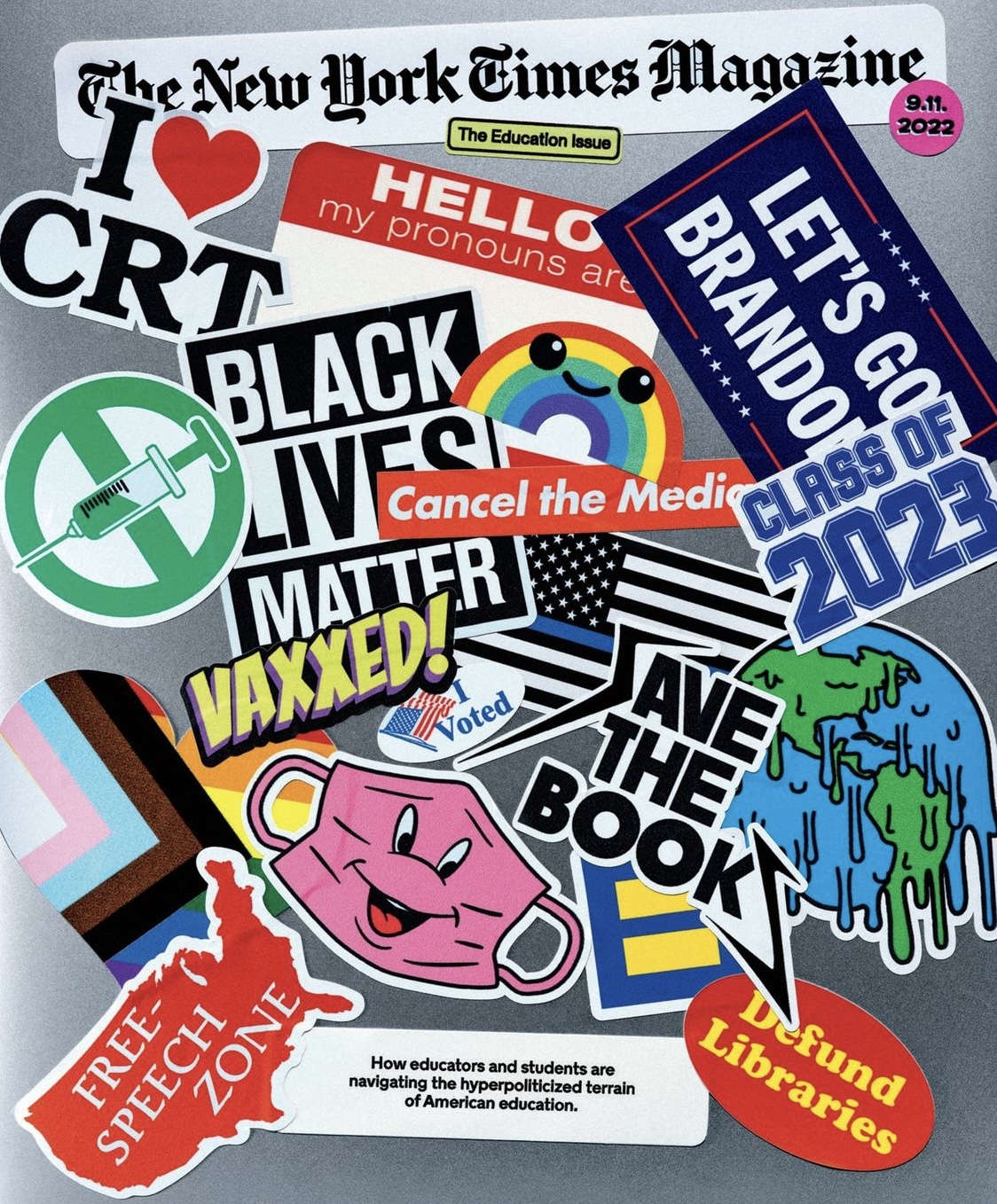
Covers: New York Times Magazine – Sept 11, 2022

07DBC4DF-7A8D-4291-A02E-8BEB78F40FEA

The 9.11.22 Issue – The Education Issue

In this Education Issue, Sarah Viren on a campus clash in a multicultural center that became a viral nightmare for Arizona State University; Daniel Bergner on a superintendent in northern Michigan who spoke up about race in a politically divided school district; Erika Hayasaki on book bans in Texas town; Charley Locke on the $190 billion Covid windfall for schools; and more.

MIT Engineering: The Design Of Living Things

In MIT class, 2.788 Mechanical Engineering and Design of Living Systems students explore how mechanics, structure, and materials intersect with biology by studying butterflies at every stage of their metamorphosis. Associate Professor Ming Guo and Associate Professor Mathias Kolle take a cross-disciplinary approach to introduce students to the engineering behind biological systems.

Education: Can Science Help Poor Kids Earn More?

The wide gap in development between rich and poor children could be closed with the help of neuroscience. Might a controversial focus on genetics also help? Film supported by @Mishcon de Reya LLP

Video timeline: 00:00– The achievement gap between rich and poor kids 00:55 – Words matter in childhood development 03:16 – Conversation can combat childhood inequality 05:09 – Can genetics help close the achievement gap? 07:30 – Genetics can be controversial

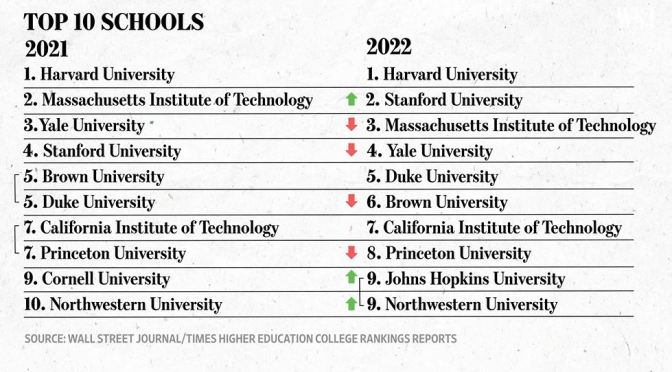
Education: The 2022 List Of Top-Ranked Colleges (WSJ)

The rankings illustrate the ways the pandemic changed higher education.

WSJ’s rankings of the top colleges in the U.S. shows that schools with deep pockets were best able to ride out the pandemic and perform in key categories. WSJ’s Doug Belkin explains the methodology of this year’s report and its highlights. Photo: Philip Keith for The Wall Street Journal

Education: How Common Core Failed In U.S. Schools

First implemented in 2009, Common Core was an ambitious initiative to revolutionize the American education system. National leaders from Bill Gates to President Obama supported the idea and it cost an estimated $15.8 billion to implement. Years later, research showed the new curriculum had minimal impact on student performance. So why did Common Core fail? Can a common curriculum be successful for all students? Watch the video to find out.

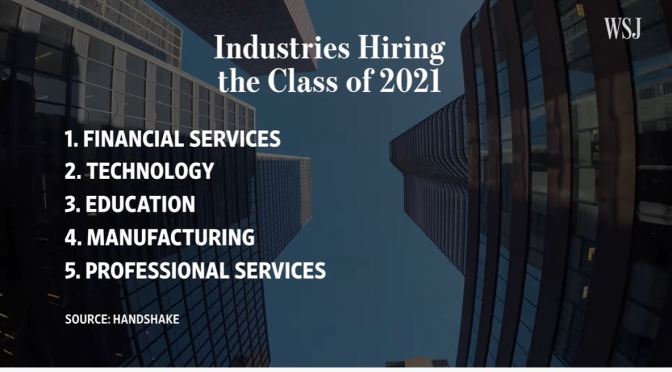
Analysis: The Job Market That Awaits 2021 Grads

The labor market is red-hot again after more than a year on ice. The class of 2021 college graduates are looking at a new jobs landscape, but the competition is fierce. What should new grads expect from the job market and the job hunting process? Photo: Hoang ‘Leon’ Nguyen/The Republican via AP

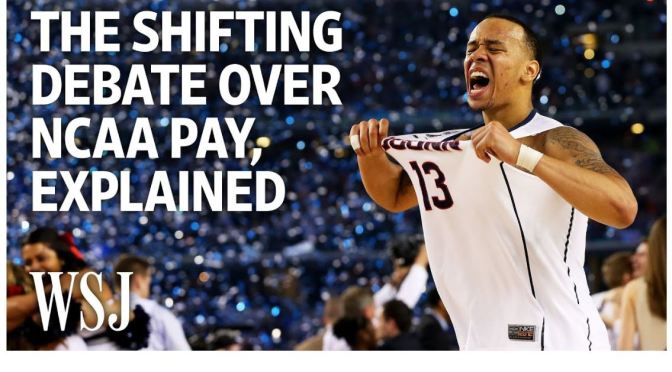
College Sports: Should NCAA Athletes Be Paid?

As the NCAA’s revenue has increased, the debate has intensified over what types of compensation should be considered for college athletes. WSJ explains how a combination of court cases, state legislation, and public pressure are expanding the scope of what it means to be an amateur athlete. Photo: Ronald Martinez/Getty Images

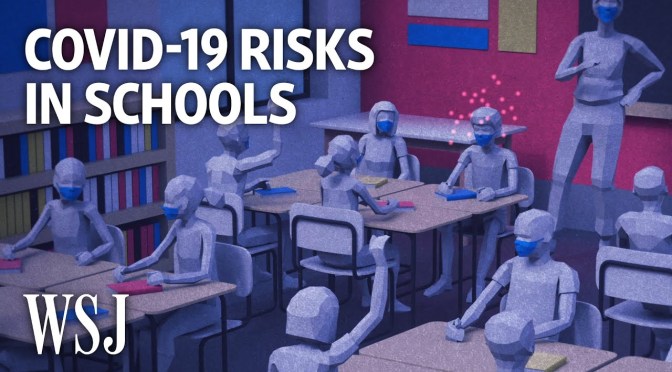
Covid-19: How Risky Are School Classrooms?

A year into the coronavirus pandemic, many schools are only partially open for fear they could fuel the spread of the virus. Experts explain what the actual risks are for spreading Covid-19 in schools and how proper controls can change that equation. Illustration: Preston Jessee for The Wall Street Journal