
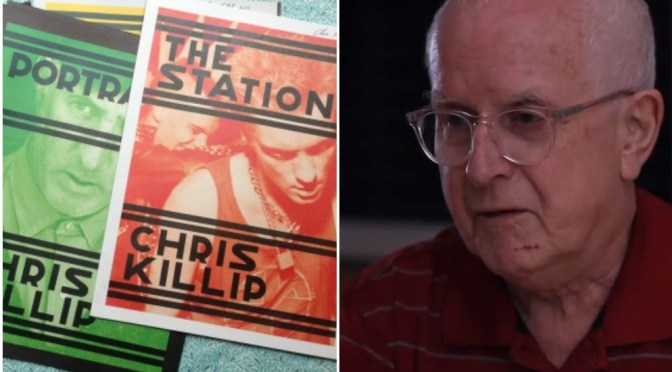
Born on the Isle of Man in 1946, Chris Killip was a Professor of Visual and Environmental Studies at Harvard University where he had taught from 1991.
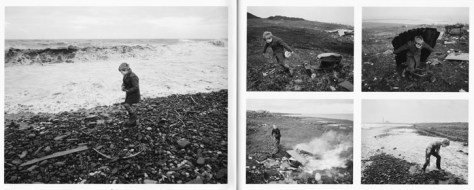
Since 2012 he has held solo exhibitions at Museum Folkwang, Essen; Le Bal, Paris; Tate Britain, London; Museo Reina Sofia, Madrid; and the J. Paul Getty Museum, Los Angeles. Killip’s works are held in the permanent collections of institutions including the Museum of Modern Art, New York; George Eastman House, Rochester; and the Victoria and Albert Museum, London. His books with Steidl are ‘Pirelli Work’ (2006), ‘Seacoal’ (2011), ‘Arbeit / Work’ (2012), ‘Isle of Man Revisited’ (2015), ‘In Flagrante Two’ (2016) and most recently ‘The Station’ (2020).
Chris Killip (born 11 July 1946) is a Manx photographer who worked at Harvard University in Cambridge, from 1991 to 2017, as a Professor of Visual and Environmental Studies. Killip is well known for his gritty black and white images of people and places.
Killip is the recipient of numerous awards, including the Henri Cartier-Bresson Award (for In Flagrante). He has exhibited all over the world, written extensively, appeared on radio and television, and has curated many exhibitions.
From Wikipedia
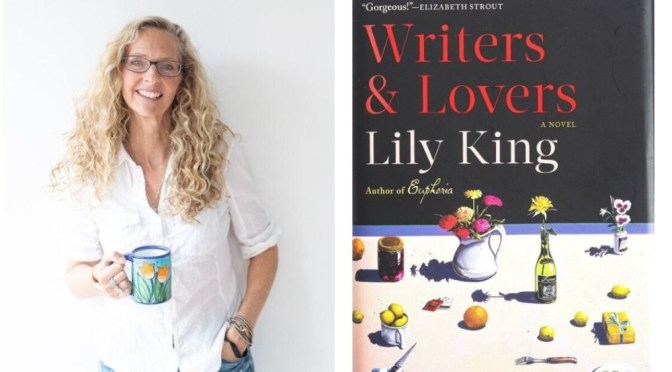
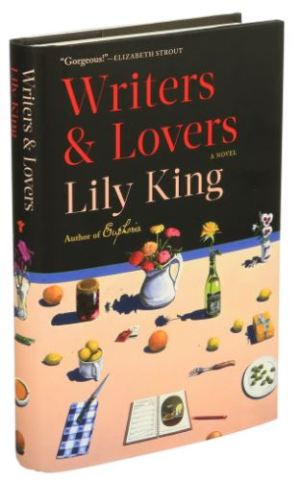 Writers & Lovers follows Casey―a smart and achingly vulnerable protagonist―in the last days of a long youth, a time when every element of her life comes to a crisis. Written with King’s trademark humor, heart, and intelligence, Writers & Lovers is a transfixing novel that explores the terrifying and exhilarating leap between the end of one phase of life and the beginning of another.
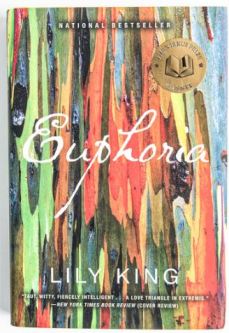 Lily King returns with another instant New York Times bestseller: an unforgettable portrait of an artist as a young woman.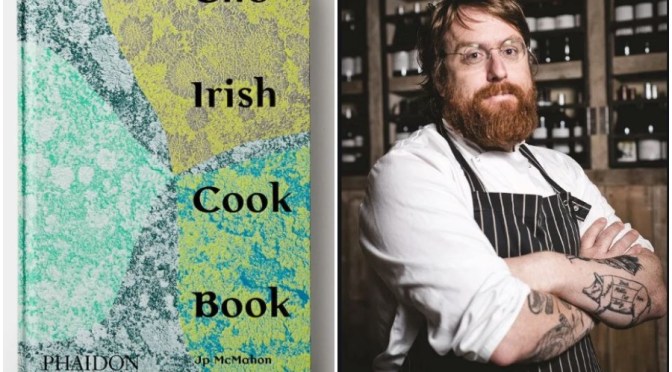
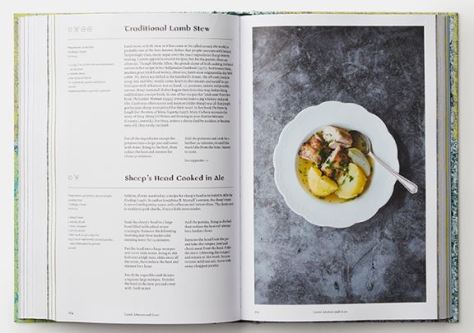
 Galway’s top chef, JP McMahon, on what the world doesn’t understand about Ireland’s food culture.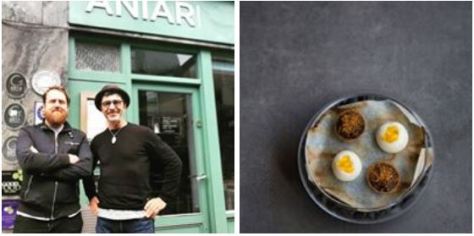

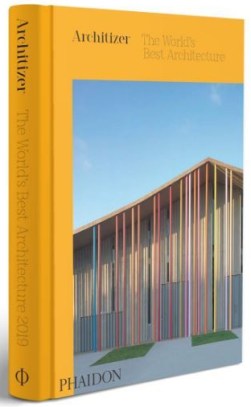 The Architizer A+Awards represent 2019’s best architecture and products, celebrated by a diverse group of influencers within and outside the architectural community. Entries are judged by more than 400 luminaries from fields as diverse as fashion, publishing, product design, real-estate development, and technology, and voted on by the public, culminating in a collection of the world’s finest buildings.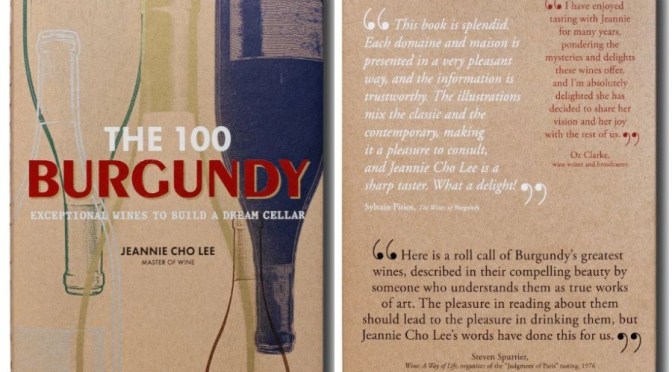
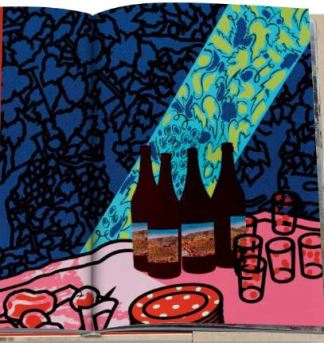 An exceptional Burgundy is not only well crafted and well balanced, it also must have essential qualities reflecting its own terroir as well as those unique to the particular vintage, distilling the very essence of the vine itself and the earth from which it springs.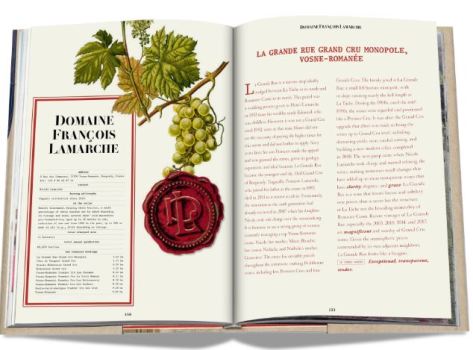
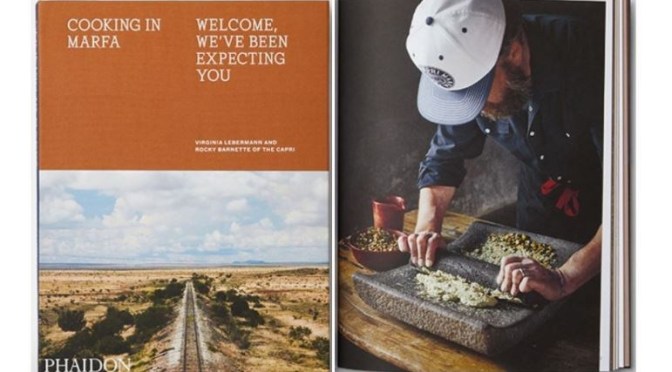
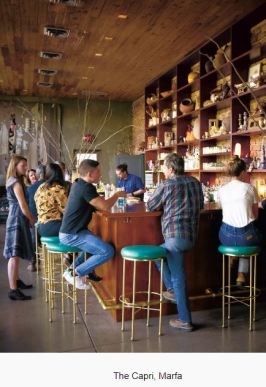 Cooking in Marfa introduces an unusual small town in the West Texas desert and, within it, a fine-dining oasis in a most unlikely place. The Capri excels at serving the spectrum of guests that Marfa draws, from locals and ranchers to artists, museum-board members, and discerning tourists.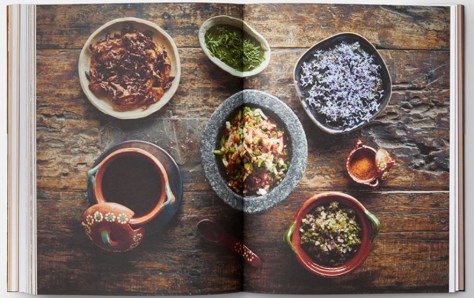
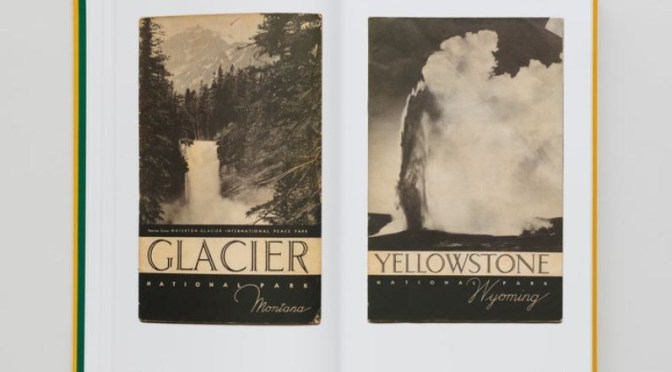
 The National Park Service spans hundreds of sites across the US, including monuments, seashores, memorials and parks. Brian Kelley and Jesse Reed survey the design history of the agency’s visual identity.
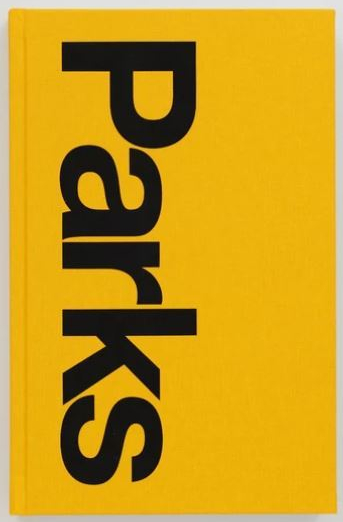 This book brings togethere a collection of over 400 maps produced by the United States National Park Service from 1910 to today. Photographer Brian Kelley has impulsively archived the rarely seen treasures over the past three years, uncovering a design portfolio with little to no credit to their respective designers. The growing collection displays a progressive design approach, from more typographic-driven covers, to the proliferation of duotone print production, culminating in the Unigrid system developed by Italian designer Massimo Vignelli in the 1970s.
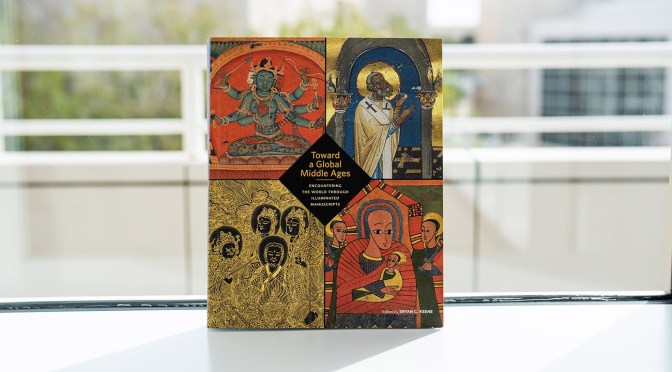
 What was the world like from 500 to 1500 CE? This period, often called medieval or the Middle Ages in European history, saw the rise and fall of empires and the expansion of cross-cultural exchange.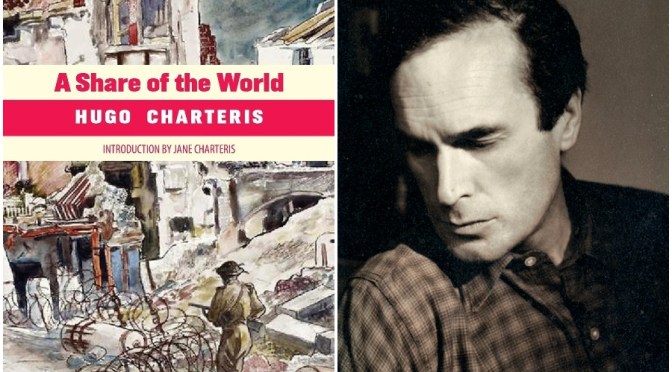
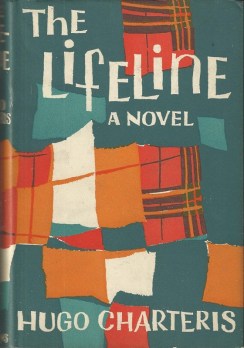 Alan Ross, for forty years
  almost five decades since his death of cancer in 1970, aged only forty-seven.
 Intellicurious