
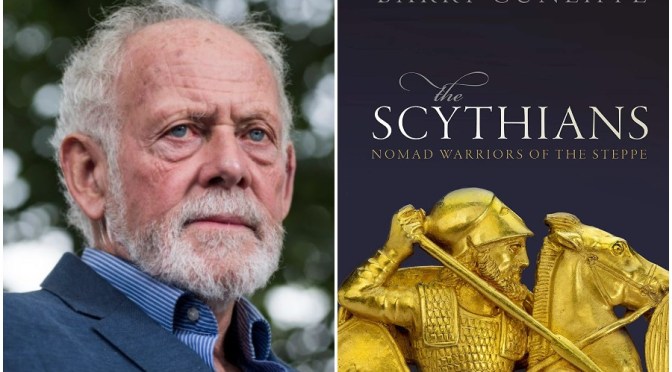
Brilliant horsemen and great fighters, the Scythians were nomadic horsemen who ranged wide across the grasslands of the Asian steppe from the Altai mountains in the east to the Great Hungarian Plain in the first millennium BC.
Their steppe homeland bordered on a number of sedentary states to the south – the Chinese, the Persians and the Greeks – and there were, inevitably, numerous interactions between the nomads and their neighbours. The Scythians fought the Persians on a number of occasions, in one battle killing their king and on another occasion driving the invading army of Darius the Great from the steppe.
Barry Cunliffe, Emeritus Professor of European Archaeology, University of Oxford.
Barry Cunliffe taught archaeology at the Universities of Bristol and Southampton and was Professor of European Archaeology at the University of Oxford from 1972 to 2008, thereafter becoming Emeritus Professor. He has excavated widely in Britain (Fishbourne, Bath, Danebury, Hengistbury Head, Brading) and in the Channel Islands, Brittany, and Spain, and has been President of the Council for British Archaeology and of the Society of Antiquaries, Governor of the Museum of London, a Commissioner of English Heritage, and a Trustee of the British Museum.
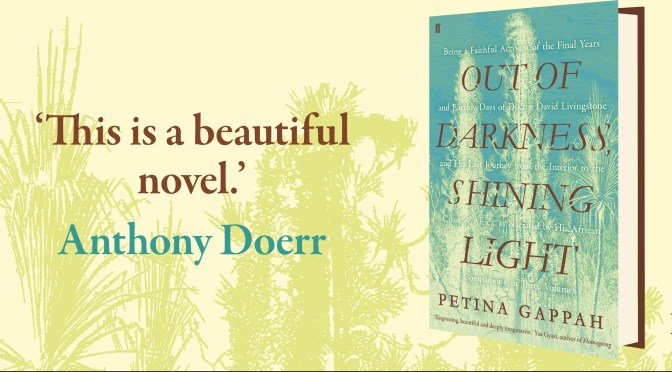
 BBC Radio 4 speaks to Petina Gappah on her new book, “Out of Darkness, Shining Light”.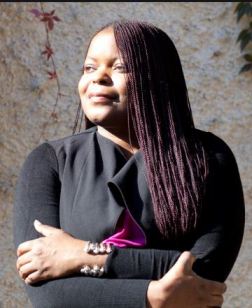
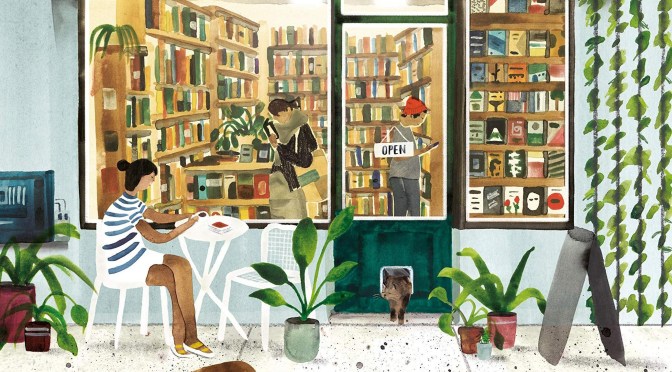
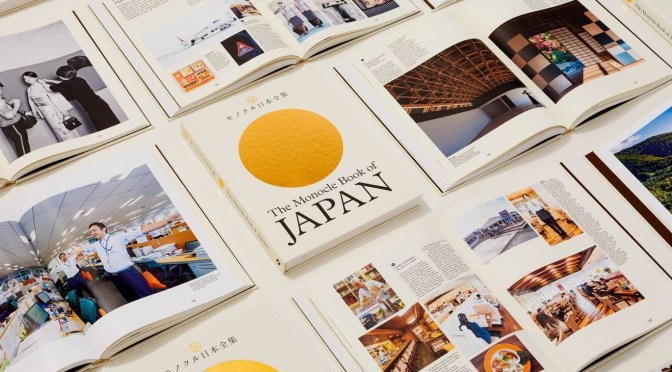
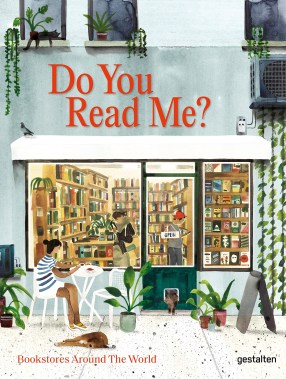 From Daikanyama Tsutaya Books in Tokyo to Kosmos Buchsalon in Zurich, Do You Read Me? travels the globe to discover these gems and some of the people behind them, who turn an ordinary trip to the bookstore into an extraordinary experience.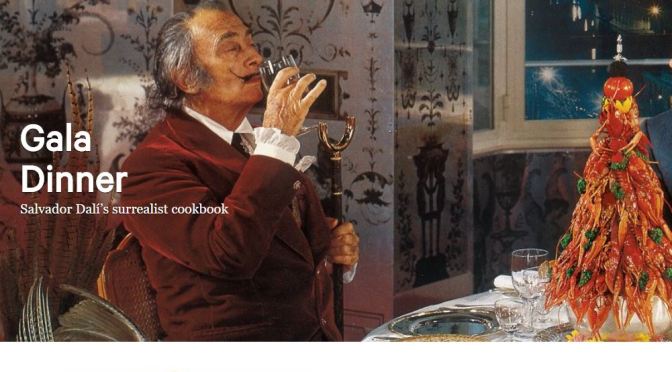
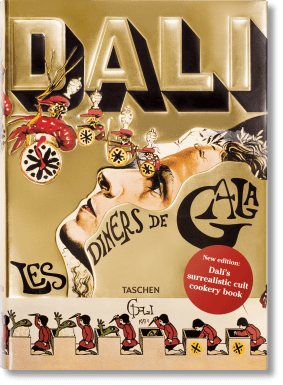 This reprint features all 136 recipes over 12 chapters, specially illustrated by Dalí, and organized by meal courses, including aphrodisiacs. The illustrations and recipes are accompanied by Dalí’s extravagant musings on subjects such as dinner conversation: “The jaw is our best tool to grasp philosophical knowledge.”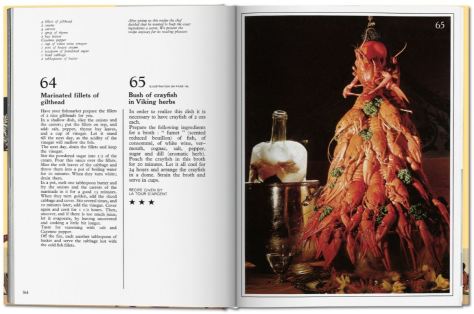

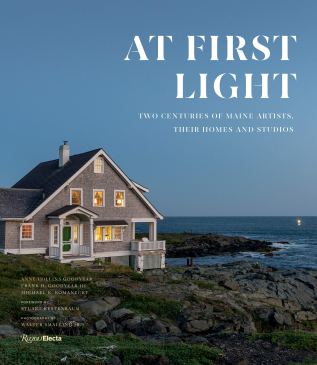 At First Light chronicles twenty-six extraordinary artists of the last two hundred years who have lived and worked in Maine. Published to coincide with the state’s bicentennial in 2020, the volume considers the significant contributions artists have made to a deeper and more profound understanding of Maine’s history, its land and its peoples. Maine’s unique and breathtaking landscape–from its rugged coastline, quaint harbors, majestic mountains, and verdant forests–continues to have a powerful effect on the artists who are drawn to its shores.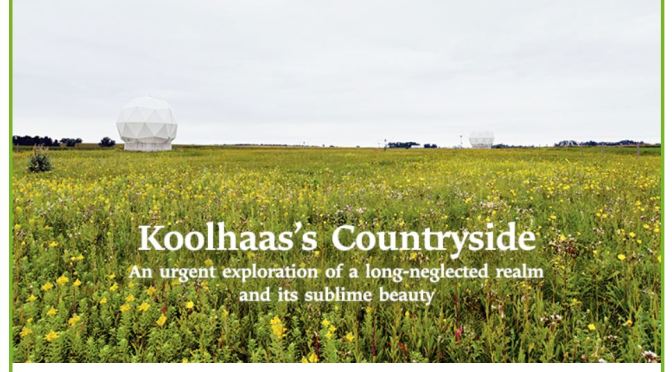
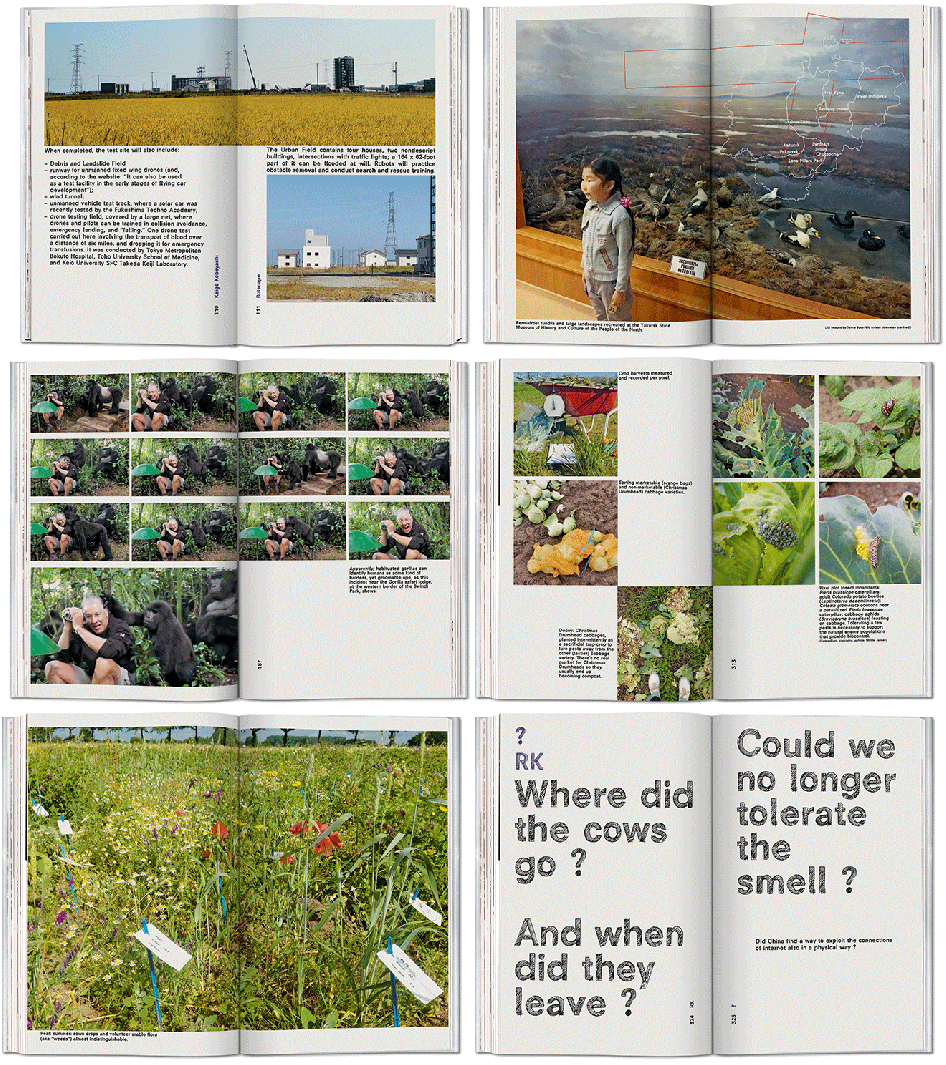
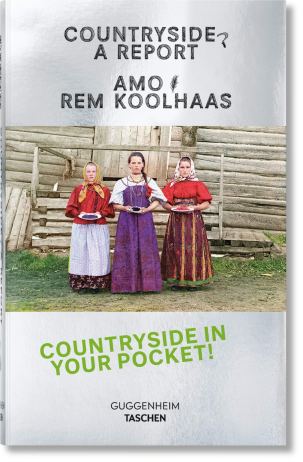 In his latest publication, Rem Koolhaas explores the rapid and often hidden transformations underway across the Earth’s vast non-urban areas.Countryside, A Report gathers travelogue essays exploring territories marked by global forces and experimentation at the edge of our consciousness: a test site near Fukushima, where the robots that will maintain Japan’s infrastructure and agriculture are tested; a greenhouse city in the Netherlands that may be the origin for the cosmology of today’s countryside; the rapidly thawing permafrost of Central Siberia, a region wrestling with the possibility of relocation; refugees populating dying villages in the German countryside and intersecting with climate change activists; habituated mountain gorillas confronting humans on ‘their’ territory in Uganda; the American Midwest, where industrial-scale farming operations are coming to grips with regenerative agriculture; and Chinese villages transformed into all-in-one factory, e-commerce stores, and fulfillment centers.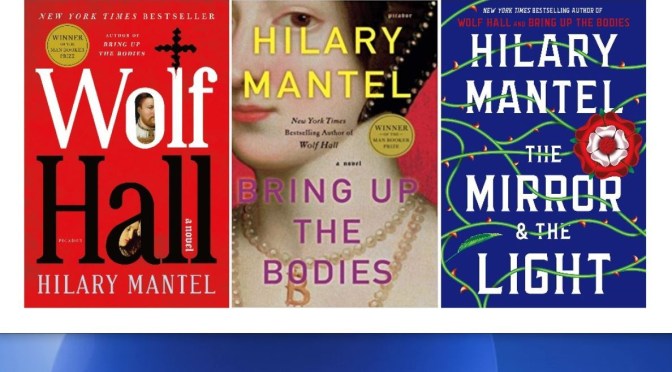
 Robert Bound, John Mitchinson and Ted Hodgkinson review the final – and rather hefty – instalment of Hilary Mantel’s Thomas Cromwell trilogy.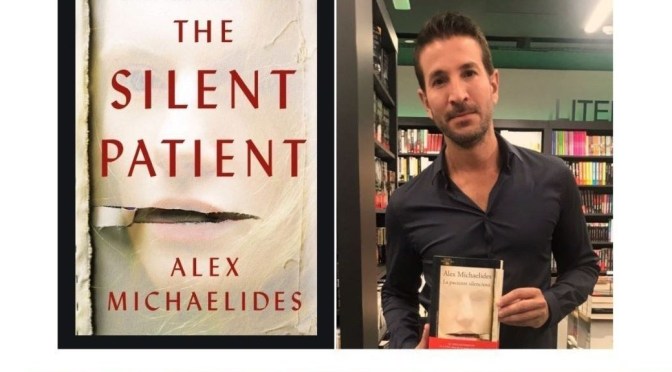
 Screenwriter-cum-author Alex Michaelides’ influences range from Agatha Christie to Euripides. His most recent book, ‘The Silent Patient’, has garnered much acclaim: the thriller is being made into a film having gripped audiences worldwide and topped The New York Times bestseller list.
 Intellicurious