Our correspondent reports from Somalia, which stands on the brink of famine thanks to a drought, soaring food costs and infrastructure destroyed by decades of fighting.
Old Hollywood studios are waging an epic battle against their upstart streaming rivals. And why London’s cemeteries are selling used graves.
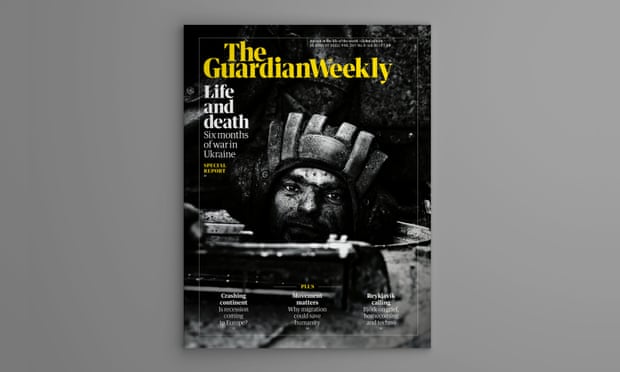
Six months of hell in Ukraine. Plus: recession stalks Europe.
The troop buildups, the belligerent speeches, the excruciatingly staged Kremlin policy meetings … for months, the signs had been there in plain sight. Nonetheless, the order in the early hours of 24 February from Vladimir Putin to invade Ukraine came as a lightning bolt, one that would change Europe for years to come.
A.M. Edition for Aug. 24. After six months of war in Ukraine, battlefield momentum is tilting against Russia even as the conflict shows few signs of slowing.
WSJ reporter Marcus Walker and Moscow bureau chief Ann Simmons explain how officials in Kyiv and Moscow view the current state of war and their respective paths to victory. Luke Vargas hosts.
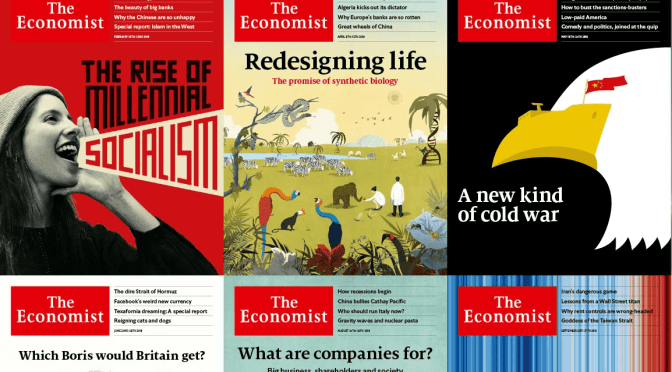
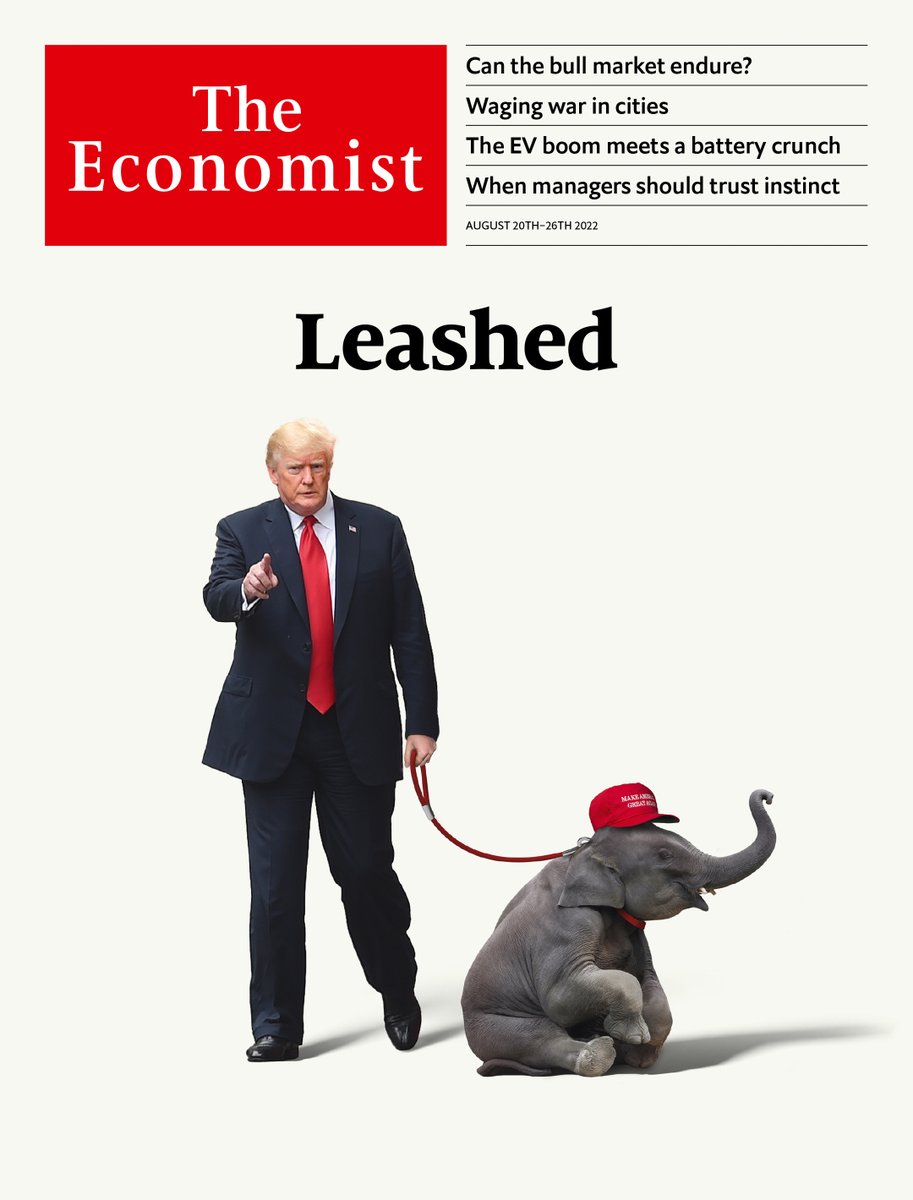
A selection of three essential articles read aloud from the latest issue of The Economist. This week, will Donald Trump run again? Also, the future of the Visa-Mastercard payments duopoly (9:35) and, what kind of prime minister will Britain get? (21:45).
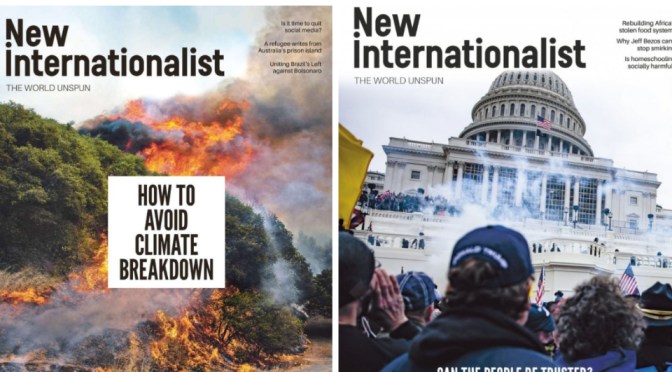
Railways can be a world unto themselves. When properly managed, this can mean it’s easier to get things done on the railways than in other parts of an economy. That should be a huge opportunity for reducing climate emissions by getting passengers off the roads and out of the skies. But unless we re-purpose rail networks to serve the interests of people – and not those of the empires and corporations which built them and run them to this day – we can’t succeed. This edition explores how we can make a start on this task.
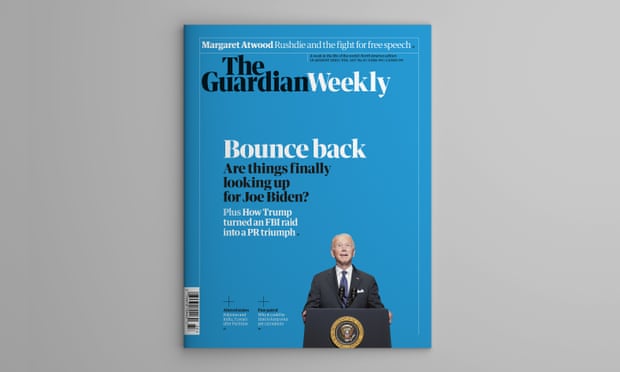
Joe Biden’s political capital is riding highafter a key plank of his legislative programme came to fruition. But the US president has greeted this “hot streak” in his usual quiet fashion. For his predecessor, it was a decidedly rough week after his home was raided by the FBI, looking for official documents that Donald Trump had held on to after his presidential term had ended. The reaction was a typical explosion of rage and accusation. David Smith, our Washington bureau chief, follows this compare-and-contrast theme to see which of the two men, who at this juncture still look likely to face each other again in the 2024 presidential election, came out on top.
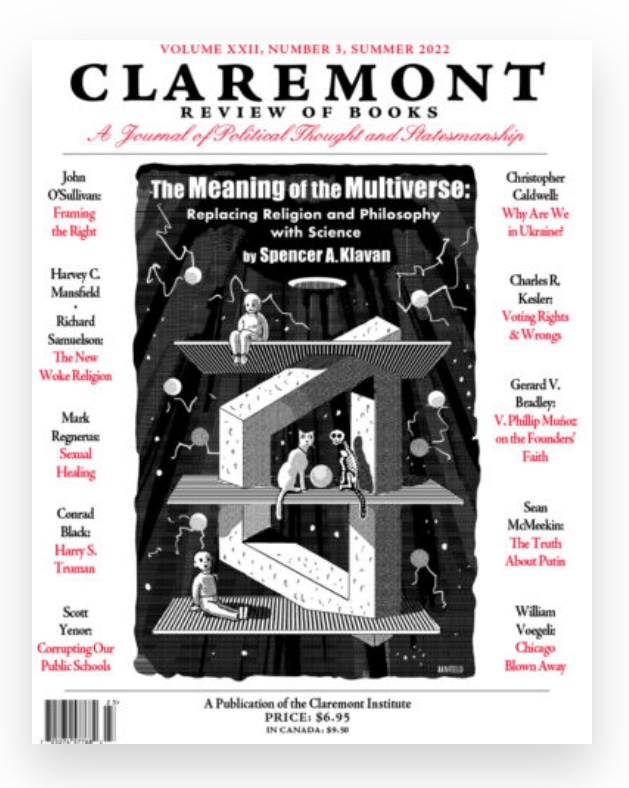
Angelo Codevilla’s final critique of our ruling class’s corruption… by Carnes Lord
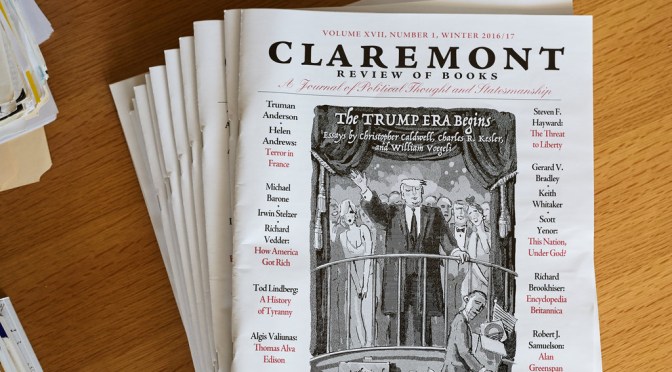
America’s Rise and Fall among Nations: Lessons in Statecraft from John Quincy Adams is an extraordinary book by an extraordinary man. Angelo Codevilla, a senior fellow of the Claremont Institute, died in an automobile accident last year near his northern California vineyard. He was a first-generation immigrant, born in Italy, who shared with so many from a similar background a fierce love for his adopted homeland. A political scientist with far-ranging interests in comparative politics, international relations and strategic studies, and political philosophy, Codevilla also served in the United States government as a diplomat, naval officer, and congressional staffer.
News, Views and Reviews For The Intellectually Curious