Tag Archives: Nature

Kingfishers: Nature’s Tiny & Colorful Hunters (8K)

Kingfishers or Alcedinidae are a family of small to medium-sized, brightly colored birds in the order Coraciiformes. They have a cosmopolitan distribution, with most species found in the tropical regions of Africa, Asia, and Oceania but also can be seen in Europe.

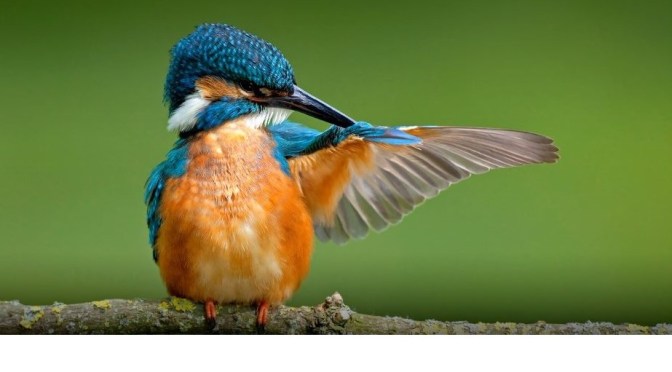
Kingfishers are known for their stocky body, long, thick bill and striking colors and markings. Many kingfishers are decked out in feathers of bright blue, green, turquoise, red, or gold. Some have splotches, dashes, stripes, or speckles. The dagger-shaped bill often seems too long or too big for the rest of the bird, but it is well designed for capturing food. Most kingfishers have short legs and strong feet, since they spend most of their time perched on a stalk, twig, or branch while keeping an eye out for a meal. Even though they are chunky birds, kingfishers are fast flyers. Some, like pied kingfishers, can even flap their wings fast enough to hover over water.

Kingfishers like to keep clean and bathe by diving into water and then perching in the sun to dry and preen their feathers. Some use their wings to scrub and scratch the top of their head. They also keep that impressive bill clean by scraping it against a branch until they are satisfied that the bill is in good condition.
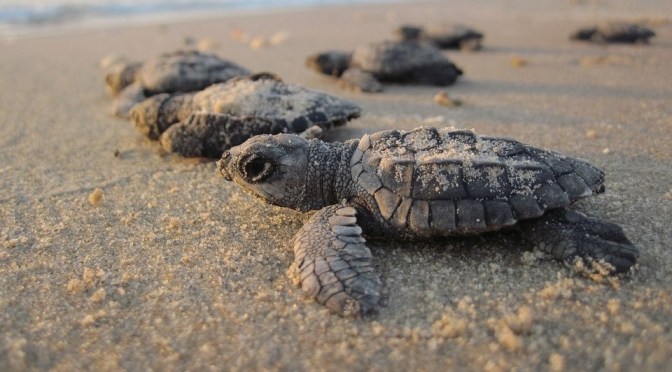
Views: Turtle Hatchlings Great Barrier Reef Beach

Evolution: How Nature Is Adapting To Urban Sprawl

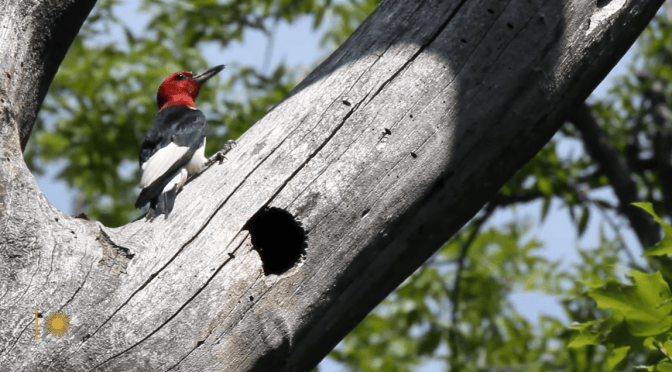
It’s a new and surprising chapter in the theory of evolution. According to recent studies, it’s in our cities, of all places, that animals and plants adapt particularly quickly to changing living conditions.

Nature’s response to the spread of cities is astonishing: Why do catfish in the river of a French city systematically prey on urban pigeons on the banks? Why do female birds on a university campus in California suddenly change their mating behavior? How do mice in New York’s Central Park cope with an altered diet of human food waste? How have killifish in the Atlantic built up resistance to deadly chemical waste?

And, is it possible for moths to adapt to nighttime light pollution? New research provides surprising new insights into Darwin’s theory of evolution. Nowhere else do animals and plants adapt so quickly to new living conditions as in cities. Biologists have long known that animals and plants occupy new habitats in the vicinity of humans.

But now, new genetic analyses show that these adaptations are accompanied by significant changes in DNA. Even more surprising: these evolutionary changes have not occurred over periods of millennia, but within just a few decades. The process has amazed scientists, who watch as nature transforms even our most hostile man-made interventions — pollution, light pollution, noise, garbage and dense development — into creative energy for new adaptations. Some researchers believe that our cities may soon develop their own, brand-new life forms. What are the implications of these developments for the balance between humans and nature on our planet?

Droughts: Competing With Nature For Water

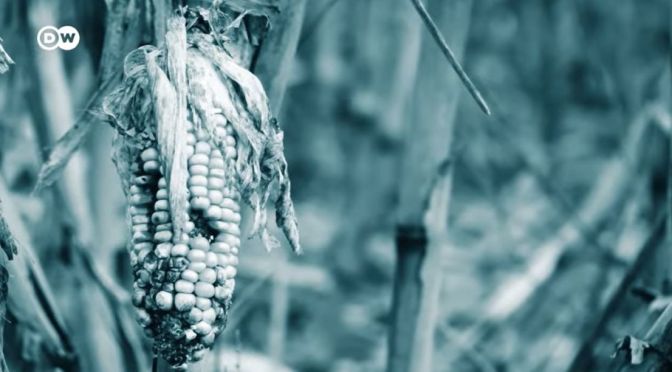
Climate change is causing rising temperatures, extreme weather events and more and more drought. And, in this changing reality, everyone needs more water. Humans are competing with the natural world for water. What does this mean for biodiversity? Fewer and fewer countries still have an abundance of water. The climate crisis, overpopulation and overexploitation are the root of this global problem. And, in a warming world, everyone is using more water: people, agriculture and industry. In Germany, streams and ponds are disappearing, forests and soils are drying out. What does this mean for biodiversity? And how do people cope with drought in countries that have even less water — for example, in the USA or Mexico? What happens when our water dries up?

Nature Views: Live Oaks On Jekyll Island, Georgia

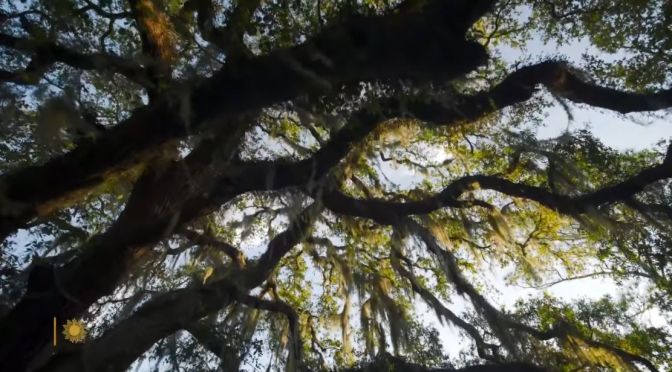
“Sunday Morning” takes us to the stately live oaks of Jekyll Island, Georgia. Videographer: Alex Goetz.

Jekyll Island is located off the coast of the U.S. state of Georgia, in Glynn County. It is one of the Sea Islands and one of the Golden Isles of Georgia barrier islands. The island is owned by the State of Georgia and run by a self-sustaining, self-governing body.

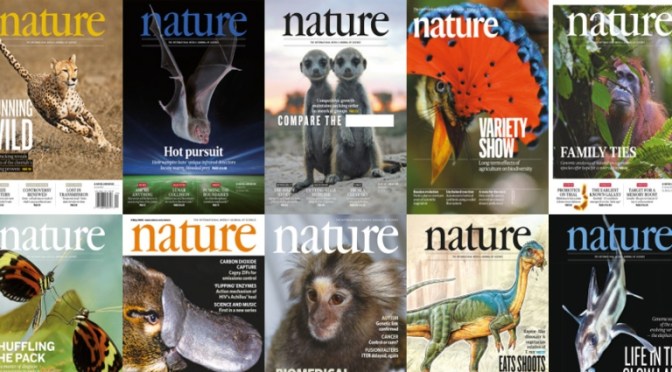
Science Previews: Nature Magazine – July 28, 2022

Volume 607 Issue 7920

Nature: Zion National Park, Southwest Utah

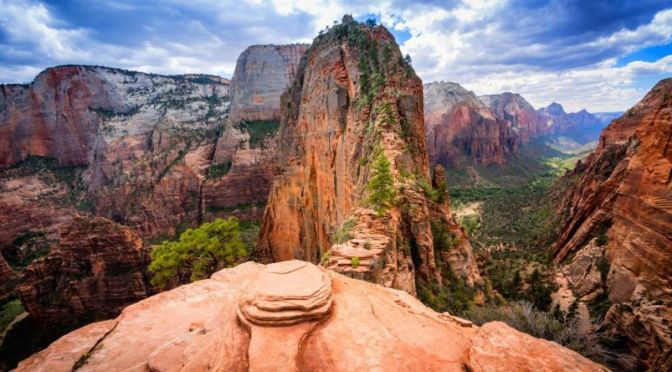
“Sunday Morning” takes us to Zion National Park in Utah. Videographer: Brad Markel.

Zion National Park is a southwest Utah nature preserve distinguished by Zion Canyon’s steep red cliffs. Zion Canyon Scenic Drive cuts through its main section, leading to forest trails along the Virgin River. The river flows to the Emerald Pools, which have waterfalls and a hanging garden. Also along the river, partly through deep chasms, is Zion Narrows wading hike.