
Over 550 banks have collapsed since 2001, according to the FDIC. So what exactly causes a bank to fail? And what implications does it have on the U.S. economy?
Chapters: 00:00 — Introduction 01:41 — Chapter 1 05:28 — Chapter 2 08:55 — Chapter 3

Over 550 banks have collapsed since 2001, according to the FDIC. So what exactly causes a bank to fail? And what implications does it have on the U.S. economy?
Chapters: 00:00 — Introduction 01:41 — Chapter 1 05:28 — Chapter 2 08:55 — Chapter 3
Chapters: 0:00 — Introduction 1:09 — Chapter 1: “Luxury” 5:42 — Chapter 2: Policy 9:55 — Chapter 3: Increasing supply
As a result, many cities remain stuck in a price-elevating housing shortage. Washington lawmakers are now scrutinizing regulations that slow the pace of homebuilding, in an attempt to slow rent inflation.

There is even talk of the country becoming a major military power in Europe. Watch The Telegraph’s Steven Edginton interview key members of the Polish military and politicians to understand why they are rearming. He also asked young Poles whether they are prepared to die for their country.
For Poland, investing in the military is no longer a luxury but a necessity. With conflict at their border (don’t forget that two Poles have already been casualties of this war, killed by a stray Ukrainian missile) Poland can no longer rely only on the United States and its Nato allies for protection.
Warsaw plans to increase military spending to 5% of its GDP, outspending its fellow European capitals relatively by a wide margin. Poland’s military expansion must be thought of within the context of the nation’s history. You don’t have to be a pensioner to remember a time when Poland was suffering under Communist rule.
Monuments to the Soviet oppressors litter cities like Warsaw, where one can wonder at Stalin’s “gift” to the Poles, the grand Palace of Culture, and despite the government’s best efforts to tear them down many statues still stand commemorating the Red Army as “liberators”.

Video timeline: 00:00 – A new green America 00:30 – Democrats are being ambitious 01:14 – Manufacturing will move to America 01:53 – Planning could be a stumbling block
To read more about Biden’s plans to remake America’s economy: https://econ.st/3IEGNiP


Can Moscow Learn From Its Failures in Ukraine?
The Dangerous Convergence of a Collapsing Economy and Surging Terrorism
Why the Risk of Escalation Is Growing

London has been a hub for shoemaking for centuries, and while the industry has shrunk over time, an increase in demand from Japan and the US has helped to reignite interest in this craft. So, why would someone buy bespoke dress shoes? And what makes them so expensive?
The Economist ‘Editor’s Picks’ (January 23, 2023) – A selection of three essential articles read aloud from the latest issue of The Economist. This week, Disney’s second century, Turkey’s looming dictatorship (10:25) and how young people spend their money (17:35).
For the first time, US scientists have achieved a fusion reaction with net energy gain. But the dream of limitless zero-carbon energy is still a long way from reality.
Video timeline: 00:00 – What powers the universe 01:04 – ITER: the biggest experiment in human history 04:28 – What is fusion? 06:38 – Replicating the sun 08:38 – The US breakthrough 13:46 – The investors 20:40 – A new class of magnet 24:30 – Dream or reality?
The FT’s Simon Mundy meets scientists and investors in the UK, France and US, to see how close we really are to commercial fusion power.
Read more at https://on.ft.com/3GJl1JF


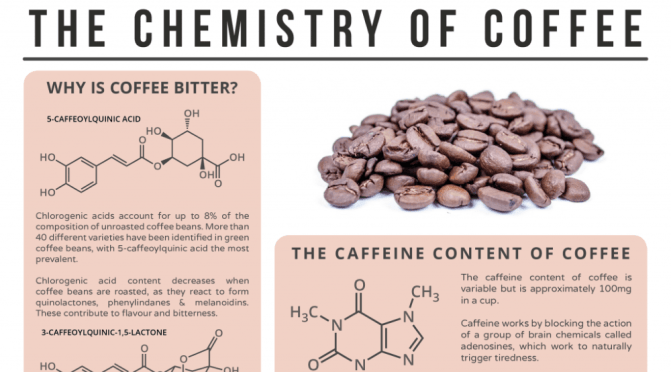
Produced by the PBS Digital Studio / American Chemical Society






 Intellicurious