
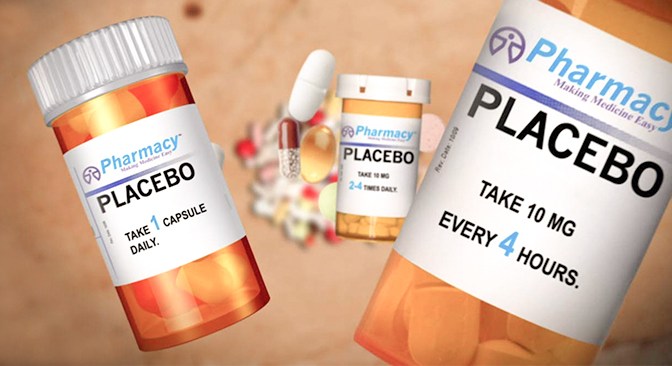
From a Wall Street Journal online article:
Researchers in Germany published a study in the journal Pain in December showing that open-label placebos can help relieve chronic lower-back pain, 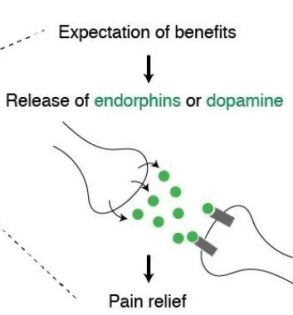 replicating a 2016 study. A similar study by University of Colorado, Boulder researchers found that placebo saline injections reduce chronic lower-back pain.
Two other recent studies showed placebos openly given to cancer patients helped relieve cancer-related fatigue. And a forthcoming study by German researchers found openly giving placebo to elderly patients helped improve knee pain.
More researchers are looking at the idea of placebos—substances that have no actual pharmaceutical effect—as an alternative to traditional pain medications, which can be ineffective and carry significant side effects. Placebos might have particular potential for difficult-to-treat conditions like chronic back pain, cancer-related fatigue and symptoms of irritable bowel syndrome, researchers hope.
As many as 30% to 50% of chronic pain patients will respond to placebos, research suggests. And new studies are helping to identify genetic and brain differences that make certain people more likely to respond.




 Drawing upon Garnero’s six years of cargotecture experience and Burdge’s design expertise, the duo recently launched the Buhaus: a tiny pre-permitted container home designed for indoor/outdoor living. “People appreciate great design, and most shipping container designs seem to be more low-end,” says Burdge. “We wanted to create a higher-end shipping container living unit.”

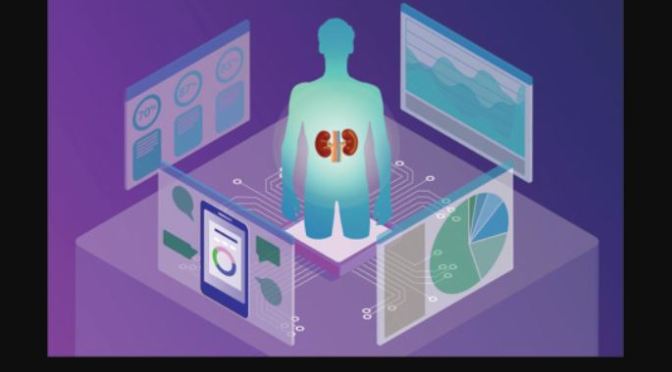
 Smartphone app-based platforms for urine testing could improve adherence to albumin creatinine ratio (ACR) testing. One study showed screening of at-risk patients almost doubled with a home urine test kit that uses a smartphone camera to easily and accurately quantify ACR from a user-performed urine dipstick. If independently validated in a large, diverse population, this low-cost strategy could change the often dim trajectory for individuals with declining kidney function.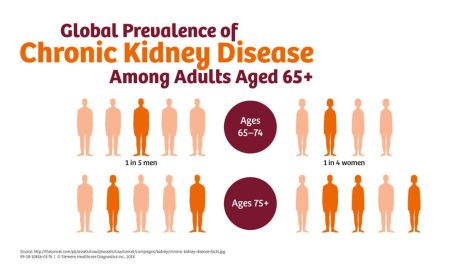

 “He brought flesh and blood to the character,” she says. “Bond in the novel is a silhouette. Daniel has given him depth and an inner life. We were looking for a 21st-century hero, and that’s what he delivered. He bleeds; he cries; he’s very contemporary.”
 Intellicurious