

 On this week’s show, Staff Writer Robert F. Service talks with host Sarah Crespi about manipulating microbes to make them produce building materials like bricks—and walls that can take toxins out of the air.
Sarah also talks with Paul Davids, principal member of the technical staff in applied photonics & microsystems at Sandia National Laboratories, about an innovation in converting waste heat to electricity that uses similar materials to solar cells but depends on quantum tunneling. And in a bonus segment, producer Meagan Cantwell talks with Online News Editor David Grimm on stage at the AAAS annual meeting in Seattle.
They discuss how wildfires can harm your lungs, crime rates in so-called sanctuary states, and how factors such as your gender and country of origin influence how much trust you put in science.

 Amazon’s virtual medical clinic that offers in-person follow-ups is now available to Amazon employees in Seattle.
 3. Medications prescribed via Amazon Care can be delivered to a patient’s home.


 This week, machine learning helps batteries charge faster, and using bacterial nanowires to generate electricity from thin air.

 Although coronavirus disease 2019 (COVID-19) dominates the news in early 2020, it affects few people in the US. In contrast, at the same time the US is experiencing a severe influenza epidemic, which has caused an estimated 250 000 hospitalizations and 14 000 deaths.
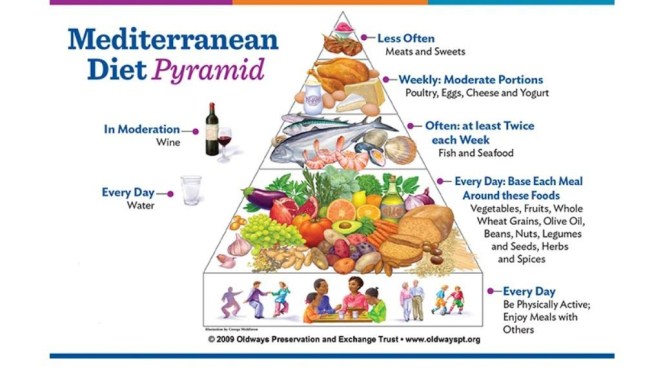
 We observed that increased adherence to the MedDiet modulates specific components of the gut microbiota that were associated with a reduction in risk of frailty, improved cognitive function and reduced inflammatory status.

 This small device may change how doctors identify and manage patients with atrial fibrillation, an irregular heart rhythm that increases risk of stroke.
 The association between poor overall sleep quality and greater consumption of added sugars observed in the current study aligns with previous findings that intakes of confectionary and sugar‐sweetened beverages were higher in middle‐aged Japanese women reporting poor, compared with good, sleep quality.
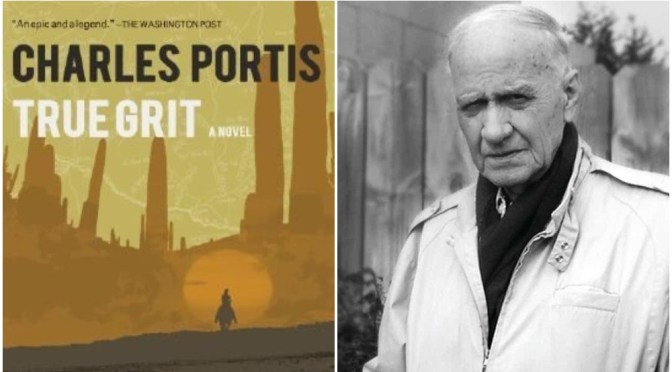
 Charles Portis, Elusive Author of ‘True Grit,’ Dies at 86 The publicity-shy Mr. Portis earned a modest but devoted readership and accolades as America’s “least-known great writer.”Charles Portis, the publicity-shy author of “True Grit” and a short list of other novels that drew a cult following and accolades as the work of possibly the nation’s best unknown writer, died on Monday at a hospice in Little Rock, Ark.

